
Being underweight is a condition that receives less public attention than being overweight or obese, yet it carries significant health risks and can impact various aspects of a person’s life. This article delves into what defines underweight, the common metrics used to assess it, and how understanding these classifications can be crucial in today’s health-conscious world. While the initial query might seem straightforward, the reality involves nuances, and understanding these can be empowering for individuals seeking to achieve a healthy body composition.
Understanding Body Mass Index (BMI) and Its Limitations
The most widely recognized and accessible tool for categorizing weight status, including underweight, is the Body Mass Index (BMI). Developed by Belgian mathematician Adolphe Quetelet in the mid-19th century, BMI is a simple calculation derived from a person’s weight and height.
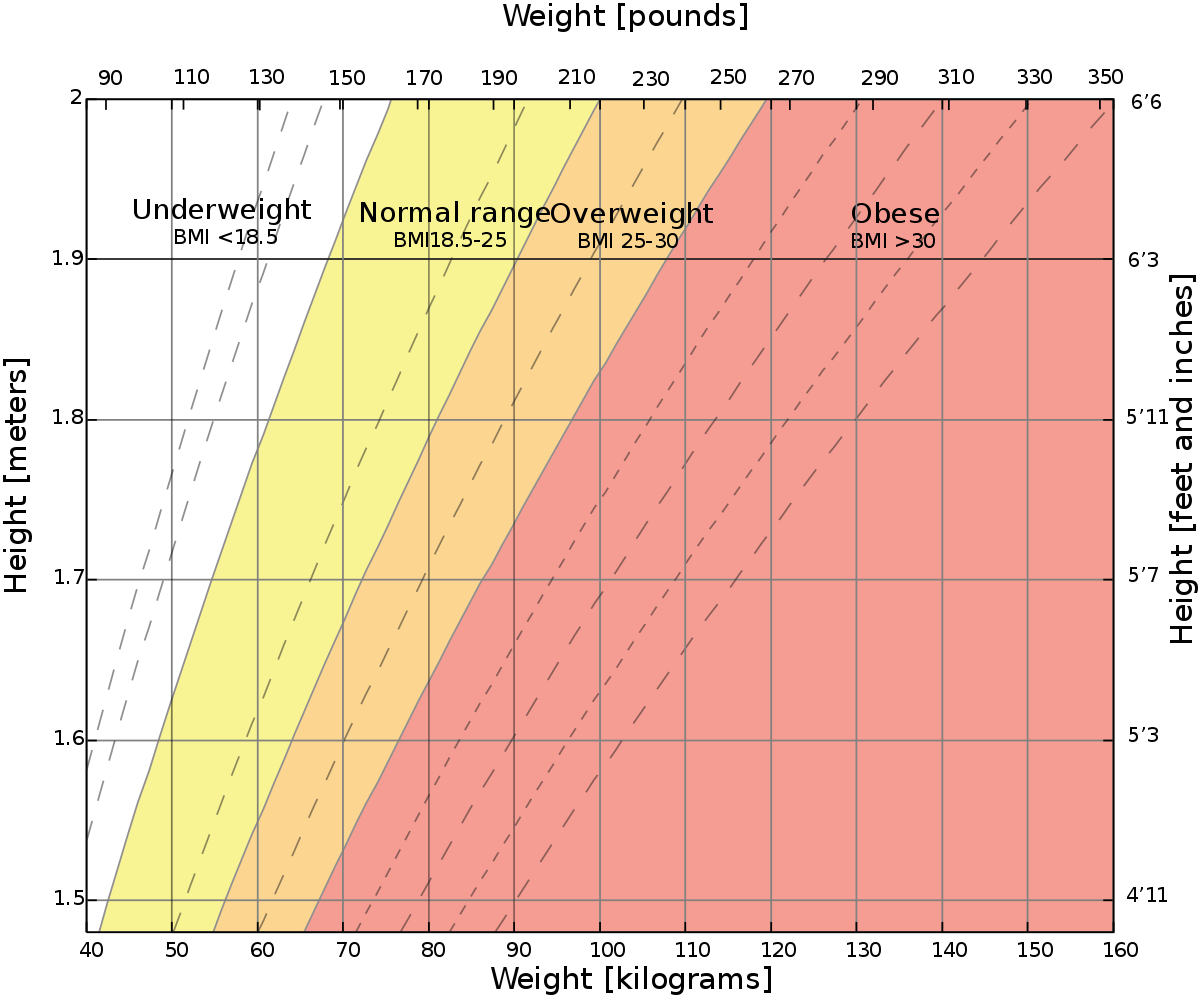
Calculating Your BMI
The formula for calculating BMI is straightforward:
- For metric units: BMI = weight (kg) / [height (m)]²
- For imperial units: BMI = [weight (lb) / height (in)²] x 703
This calculation provides a numerical value that falls into different categories. For adults, the standard BMI categories are:
- Underweight: Below 18.5
- Normal or Healthy Weight: 18.5 to 24.9
- Overweight: 25.0 to 29.9
- Obese: 30.0 and above
Therefore, a person is considered underweight if their BMI falls below 18.5. This threshold is a general guideline, and it’s important to remember that BMI is a screening tool, not a diagnostic one.
The Nuances of BMI: Where It Falls Short
While BMI is a convenient and widely used metric, it’s crucial to acknowledge its limitations. BMI does not differentiate between lean body mass (muscle) and fat mass. This means that individuals with a high muscle mass, such as bodybuilders or very athletic individuals, might have a BMI that categorizes them as overweight or even obese, despite having a very low body fat percentage and being exceptionally healthy. Conversely, someone with a “normal” BMI might still have an unhealthy body composition with a high percentage of body fat and low muscle mass.
Furthermore, BMI doesn’t account for:
- Body Composition: As mentioned, muscle is denser than fat. A person with a lot of muscle will weigh more than someone of the same height with less muscle, even if they have less body fat.
- Fat Distribution: Where fat is stored on the body can have health implications. Visceral fat, which surrounds organs, is more dangerous than subcutaneous fat, which lies just beneath the skin. BMI doesn’t provide this information.
- Age and Sex: While the standard BMI categories are for adults, there are different charts for children and adolescents that take their growth and development into account. Similarly, some research suggests that optimal BMI ranges might vary slightly between men and women due to differences in body composition.
- Ethnicity: Emerging research indicates that certain health risks associated with BMI might differ across ethnic groups. For example, some Asian populations might have a higher risk of type 2 diabetes at lower BMI levels compared to Caucasian populations.
Despite these limitations, BMI remains a valuable starting point for assessing general weight status. It’s often the first indicator that prompts further investigation by healthcare professionals.
Defining Underweight: Beyond the Numbers
When we talk about what is considered underweight, it’s not just about achieving a specific BMI number. It’s about a state where a person’s body weight is insufficient to maintain normal physiological functions and health. This can stem from various underlying causes and manifest in different ways.
Common Classifications of Underweight
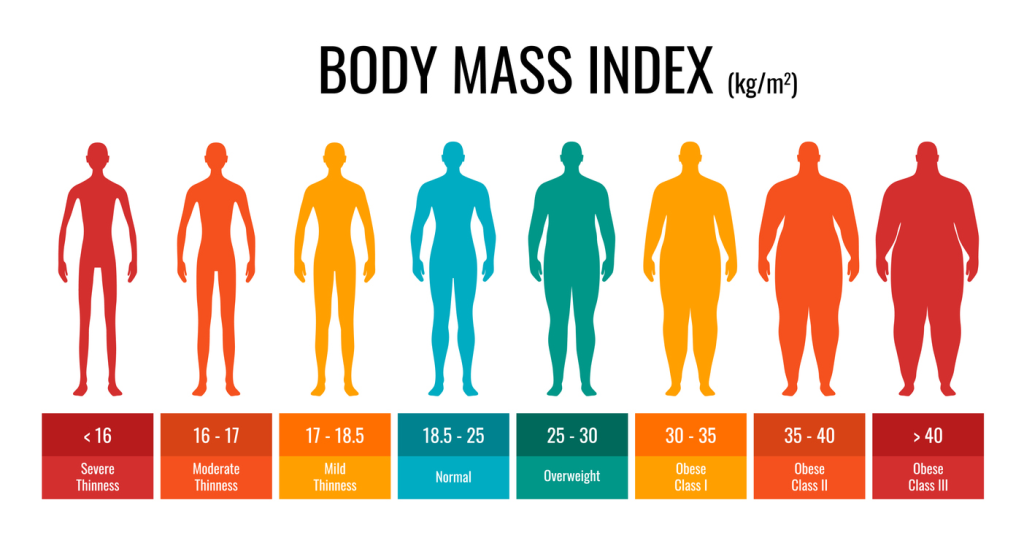
The BMI category of “underweight” (below 18.5) is the primary classification. However, within this broad category, there can be further distinctions, though these are not as formally defined as the BMI ranges themselves.
- Mildly Underweight: A BMI between 17.0 and 18.4 might be considered mildly underweight. Individuals in this range may not exhibit significant outward signs of malnutrition but could be at a slightly increased risk for certain health issues if their weight continues to decline or remains low.
- Moderately Underweight: A BMI between 16.0 and 16.9 falls into the moderately underweight category. At this level, individuals are more likely to experience noticeable symptoms and a greater risk of health complications.
- Severely Underweight: A BMI below 16.0 is considered severely underweight. This is a serious health concern, often indicative of significant malnutrition or an underlying medical condition, and requires immediate medical attention.

It’s important to reiterate that these sub-classifications are more descriptive than rigidly defined clinical terms in the same way BMI categories are. The key takeaway is that the lower the BMI, the greater the potential health risks.
Causes of Being Underweight
A person can become underweight for a multitude of reasons, which can be broadly categorized:
- Inadequate Calorie Intake: This is the most common cause. It can be due to:
- Lack of Access to Food: Poverty, food insecurity, or living in areas with limited food availability.
- Eating Disorders: Conditions like anorexia nervosa and bulimia nervosa are characterized by a distorted body image and severe restrictions in food intake.
- Poor Appetite: This can be caused by stress, depression, certain medications, or underlying medical conditions.
- Finicky Eating or Dietary Restrictions: Forcing oneself or children to adhere to overly restrictive diets without proper nutritional planning.
- High Metabolism: While less common as a sole cause, some individuals naturally burn more calories.
- Increased Calorie Expenditure:
- Intense Physical Activity: Athletes or individuals with highly demanding jobs may burn more calories than they consume.
- Hyperthyroidism: An overactive thyroid gland can significantly increase metabolism.
- Malabsorption Issues: The body doesn’t absorb nutrients effectively from food. This can occur in conditions like:
- Celiac Disease: An autoimmune reaction to gluten that damages the small intestine.
- Inflammatory Bowel Disease (IBD): Conditions like Crohn’s disease and ulcerative colitis can impair nutrient absorption.
- Pancreatic Insufficiency: The pancreas doesn’t produce enough digestive enzymes.
- Underlying Medical Conditions:
- Cancer: Cancer cells can consume a lot of the body’s energy, and patients may experience loss of appetite or difficulty eating.
- Chronic Infections: Conditions like HIV/AIDS can lead to weight loss.
- Diabetes (uncontrolled): In poorly managed diabetes, the body can’t use glucose effectively for energy, leading to weight loss.
- Chronic Lung Disease (like COPD): The increased effort of breathing can burn a lot of calories.
- Certain Neurological Conditions: Conditions affecting swallowing or appetite regulation.
- Medications: Some medications can cause appetite loss or nausea as side effects.
- Genetics: While less of a primary driver, genetic predisposition can play a role in an individual’s natural body weight and metabolism.
Health Implications of Being Underweight
Being underweight is not simply a matter of fitting into smaller clothes; it’s a serious health concern that can have far-reaching consequences. The body needs a certain amount of fat and muscle mass to function optimally and to withstand illness and injury.
Physical Health Risks Associated with Underweight
The risks associated with being underweight are diverse and can affect nearly every system in the body:
- Weakened Immune System: Insufficient nutrients and body reserves make the body more vulnerable to infections, and recovery from illness can be slower and more complicated.
- Osteoporosis and Fractures: A lack of essential nutrients, particularly calcium and Vitamin D, coupled with low body fat, can lead to bone loss (osteoporosis). This increases the risk of fractures, even from minor falls.
- Infertility and Menstrual Irregularities: In women, being underweight can disrupt hormonal balance, leading to irregular or absent menstrual periods (amenorrhea). This can make it difficult to conceive and can increase the risk of pregnancy complications. In men, low body weight can also affect testosterone levels and sperm production.
- Anemia: A deficiency in iron, a key nutrient for red blood cell production, can lead to anemia, causing fatigue and weakness. This is often seen in individuals with inadequate dietary intake.
- Fatigue and Low Energy Levels: The body lacks sufficient fuel and nutrient stores to maintain energy levels, leading to persistent tiredness and reduced physical and mental performance.
- Hair Loss and Dry Skin: Nutrient deficiencies can manifest externally, leading to thinning or brittle hair and dry, flaky skin.
- Dental Problems: Lack of essential vitamins and minerals can affect gum health and tooth enamel.
- Heart Problems: In severe cases, being underweight can lead to arrhythmias (irregular heartbeats) and heart muscle damage due to the body breaking down muscle tissue for energy.
- Delayed Wound Healing: The body’s ability to repair tissues is compromised due to a lack of essential nutrients and protein.
- Increased Risk During Surgery: Individuals who are underweight may have a higher risk of complications during and after surgery due to poorer wound healing, slower recovery, and a weaker immune response.
Impact on Mental and Cognitive Health
The effects of being underweight are not confined to the physical body. There is a significant link between underweight status and mental well-being:
- Increased Risk of Depression and Anxiety: Chronic fatigue, social isolation due to perceived or actual health issues, and the underlying causes of underweight (such as eating disorders) can all contribute to mental health challenges.
- Cognitive Impairment: Nutrient deficiencies can affect brain function, leading to difficulty concentrating, memory problems, and reduced cognitive performance.
- Social and Emotional Well-being: Feeling unwell, lacking energy, and having concerns about one’s physical appearance can impact self-esteem and social interactions. This can be particularly challenging for young people undergoing development.
Seeking Professional Guidance and Healthy Weight Gain Strategies
Understanding what is considered underweight is the first step. For individuals concerned about their weight, whether they are underweight or suspect they are, seeking professional advice is paramount. A healthcare provider can accurately assess the situation and recommend the most appropriate course of action.
When to Consult a Healthcare Professional
If you fall into the underweight BMI category, or if you’ve experienced unintentional weight loss, it’s crucial to see a doctor. They can:
- Conduct a Comprehensive Assessment: This includes a physical examination, medical history review, and possibly blood tests to identify any underlying medical conditions or nutrient deficiencies.
- Rule Out Serious Illness: Unexplained weight loss can be a symptom of a serious medical condition, and early diagnosis is vital.
- Assess for Eating Disorders: If an eating disorder is suspected, they can refer you to specialized mental health professionals.
- Provide Personalized Advice: Based on your individual needs, they can recommend dietary changes, lifestyle adjustments, or treatment for any underlying conditions.
Strategies for Healthy Weight Gain
Gaining weight healthily is not about overeating unhealthy foods. It’s about increasing calorie intake in a balanced and nutritious way:
- Increase Calorie Intake Gradually: Aim to consume more calories than you burn. This can be achieved by adding extra healthy snacks between meals or increasing portion sizes.
- Focus on Nutrient-Dense Foods: Prioritize foods that are rich in calories and nutrients. Examples include:
- Healthy Fats: Avocados, nuts, seeds, olive oil, fatty fish.
- Complex Carbohydrates: Whole grains (oats, brown rice, quinoa), sweet potatoes, legumes.
- Lean Proteins: Chicken, fish, lean beef, eggs, dairy products, tofu, beans.
- Incorporate Calorie-Dense Snacks: Smoothies with added protein powder, nuts, and fruits; yogurt with granola and berries; peanut butter on whole-wheat toast; and dried fruits are excellent options.
- Drink Your Calories: Opt for calorie-rich beverages like whole milk, fruit juices, or smoothies instead of water between meals. Avoid filling up on diet drinks or plain water right before eating.
- Eat More Frequently: Instead of three large meals, try eating smaller, more frequent meals and snacks throughout the day.
- Strength Training: While it might seem counterintuitive, building muscle mass is a healthy way to gain weight. Strength training, combined with adequate protein intake, can increase lean body mass.
- Consult a Registered Dietitian: A dietitian can create a personalized meal plan tailored to your specific needs and preferences, ensuring you gain weight in a healthy and sustainable way.
In conclusion, understanding “what is considered underweight” involves more than just a number on the BMI scale. It’s about recognizing the potential health implications, identifying the underlying causes, and seeking appropriate guidance to achieve and maintain a healthy body weight and overall well-being. This knowledge empowers individuals to take proactive steps towards a healthier future.
aViewFromTheCave is a participant in the Amazon Services LLC Associates Program, an affiliate advertising program designed to provide a means for sites to earn advertising fees by advertising and linking to Amazon.com. Amazon, the Amazon logo, AmazonSupply, and the AmazonSupply logo are trademarks of Amazon.com, Inc. or its affiliates. As an Amazon Associate we earn affiliate commissions from qualifying purchases.