
The question of “what is considered the best movie of all time” is a perennial debate, sparking passionate arguments in cinephile circles, friendly gatherings, and even online forums. It’s a quest for a definitive answer to a question that, by its very nature, is subjective. Yet, the pursuit itself reveals a fascinating intersection of artistic merit, cultural impact, and enduring appeal. While there might never be a universally agreed-upon champion, exploring the criteria that elevate certain films to legendary status offers valuable insights, not just into cinema, but into how we value and judge creative endeavors across various fields, including technology, branding, and finance.

The Elusive Nature of Cinematic Supremacy: More Than Just Opinions
Defining the “best” in any creative medium is inherently challenging. Unlike objective metrics in fields like science or engineering, art is open to interpretation, personal taste, and evolving cultural perspectives. The films that consistently appear on “best of all time” lists are those that have managed to transcend fleeting trends and resonate with audiences and critics across generations.
Technical Prowess and Innovation: Pushing the Boundaries of Filmmaking
In an era dominated by rapid technological advancement, it’s natural to look at how films have reflected and driven innovation. The very concept of “best” often hinges on a movie’s ability to push the boundaries of what was previously thought possible on screen.
The Dawn of Visual Spectacle: Early Innovations
From the early days of cinema, filmmakers have leveraged emerging technologies to create immersive experiences. The Lumière brothers’ early documentaries, while simple by today’s standards, were revolutionary in their ability to capture and project moving images. The silent era saw the development of sophisticated camera techniques and editing to convey emotion and narrative without dialogue.
- Special Effects Evolution: The evolution of special effects is a key marker of cinematic progress. Georges Méliès’ pioneering use of stop-motion and superimposed imagery in films like A Trip to the Moon (1902) laid the groundwork for visual storytelling. Later, innovations like practical effects in King Kong (1933) and the groundbreaking CGI in Jurassic Park (1993) dramatically altered the landscape of filmmaking, allowing for previously unimaginable spectacles.
- Sound and Color: The introduction of synchronized sound in The Jazz Singer (1927) was a seismic shift, forever changing how stories were told. Similarly, the widespread adoption of color film, perfected through technologies like Technicolor, added a new layer of realism and artistic expression. Films like The Wizard of Oz (1939) and Gone with the Wind (1939) are enduring testaments to the power of color.
The Digital Revolution and Beyond: AI, VR, and the Future of Storytelling
Today, the influence of technology on filmmaking is more pronounced than ever. Artificial intelligence is being used for everything from script analysis and character generation to visual effects and post-production. Virtual and augmented reality are opening up new avenues for interactive storytelling, blurring the lines between passive viewing and active participation.
- AI in Filmmaking: AI tools are assisting directors in pre-production by analyzing scripts for pacing and character arcs, and in post-production for tasks like color grading and rotoscoping. Generative AI is even being explored for creating entirely new visual elements or even assisting in screenplay development. The question arises: will AI eventually contribute to the creation of a “best movie of all time,” perhaps by optimizing every aspect of its production and narrative?
- Immersive Technologies: The integration of VR and AR into cinematic experiences promises to redefine audience engagement. While still nascent, these technologies have the potential to place viewers directly within the narrative, offering a level of immersion that traditional film cannot match. As these technologies mature, our understanding of what constitutes a “best” cinematic experience will undoubtedly evolve.
Brand Recognition and Cultural Resonance: The Enduring Power of Iconic Films
Beyond technical merit, films achieve greatness through their ability to forge strong connections with audiences, becoming deeply embedded in our cultural fabric. This is where the parallels with branding become strikingly clear.
Building a Cinematic Brand: Storytelling and Emotional Connection
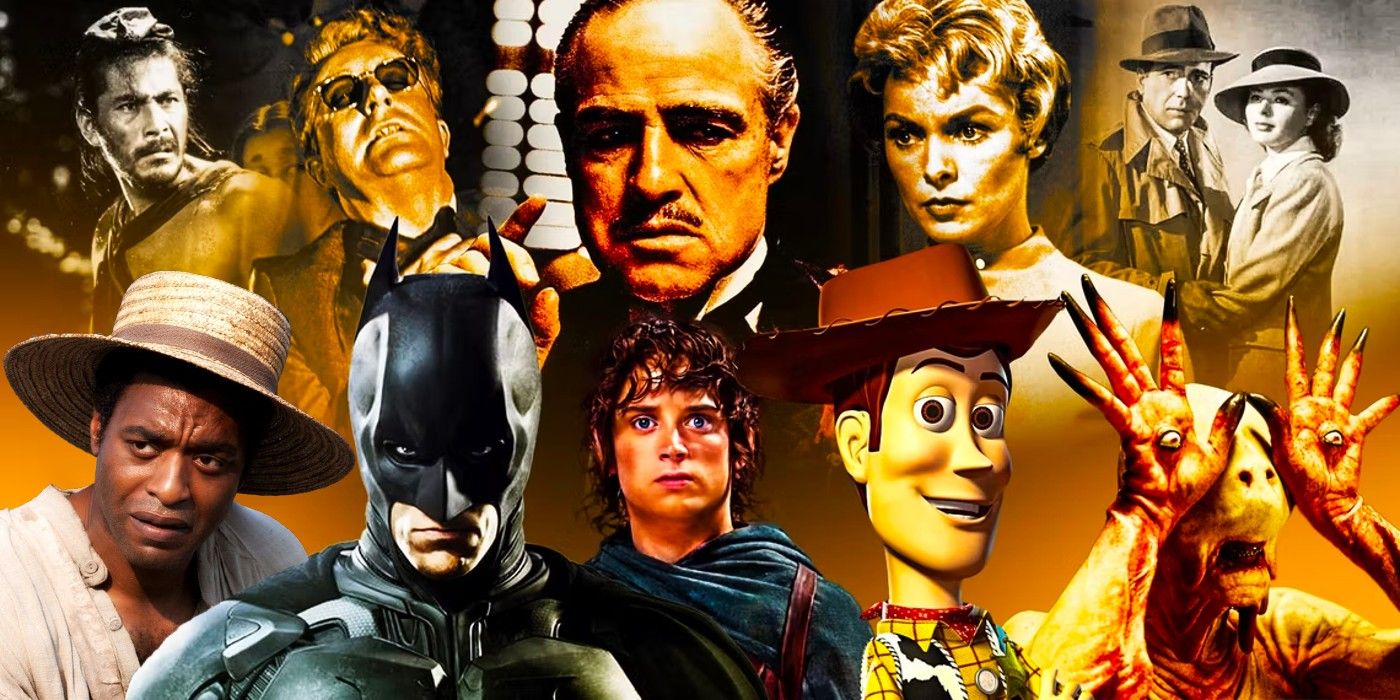
A truly great film, much like a powerful brand, tells a compelling story that resonates on an emotional level. It connects with viewers through relatable characters, universal themes, and memorable moments.
- Thematic Depth and Universality: Films that explore timeless themes like love, loss, courage, and the human condition tend to have a lasting impact. Think of the profound explorations of morality in The Godfather (1972) or the existential angst in 2001: A Space Odyssey (1968). These are not just movies; they are cultural touchstones that continue to spark dialogue and introspection.
- Character Archetypes and Memorable Performances: Iconic characters, brought to life by unforgettable performances, are the bedrock of cinematic legacy. Whether it’s the stoic heroism of Atticus Finch in To Kill a Mockingbird (1962) or the complex villainy of Darth Vader in Star Wars (1977), these figures become ingrained in our collective consciousness. Their branding is so strong that they transcend the films themselves.
- Marketing and Distribution Strategies: The way a film is marketed and distributed also plays a crucial role in its perception and lasting impact. A well-executed marketing campaign can generate immense buzz and anticipation, setting the stage for critical and commercial success. The iconic posters, trailers, and taglines associated with legendary films are akin to successful branding campaigns, creating an indelible image in the public’s mind.
Reputation Management and Critical Acclaim: The Long-Term Brand Value of a Film
The “brand” of a film is also built through critical reception and word-of-mouth. A film that garners widespread critical acclaim, awards, and sustained positive discussion over years, even decades, solidifies its reputation as a masterpiece.
- Critical Consensus and Awards: While not the sole determinant, critical reviews and major awards like the Oscars can significantly influence a film’s perceived quality and its place in history. However, the most enduring films often retain their status even if they were overlooked by awards bodies at the time of their release.
- Word-of-Mouth and Cultural Diffusion: The true longevity of a film’s brand is often secured through organic word-of-mouth and its subsequent integration into popular culture. Think of how lines from Casablanca (1942) or The Princess Bride (1987) have become common phrases, or how the imagery from Pulp Fiction (1994) continues to inspire fashion and art. This is the ultimate testament to a film’s cultural branding.
The Economic Engine of Cinema: Investment, Profit, and Value
While art is often seen as separate from commerce, the financial realities of filmmaking are undeniable. The economic success of a movie can influence its accessibility, its ability to attract talent, and ultimately, its lasting legacy.
From Investment to Profit: The Financial Lifecycle of a Blockbuster
The journey of a film from concept to screen is a significant financial undertaking, involving substantial investment from studios, producers, and sometimes, individual investors. The economic performance of a film is a critical factor in its perceived success.
- Box Office Returns and Profitability: The most immediate measure of a film’s economic success is its box office performance. Blockbusters that generate billions in revenue not only recoup their substantial production and marketing costs but also provide a significant return on investment. This financial clout can lead to sequels, merchandise, and a continued presence in the cultural conversation.
- The Role of Distributors and Studios: Film studios and distributors are the financial backbone of the industry. They invest in projects, manage production, and orchestrate the complex marketing and release strategies that determine a film’s commercial trajectory. Their financial acumen is as crucial as the director’s vision in bringing a film to a global audience.
Long-Term Financial Value: Franchises, Streaming Rights, and Enduring Appeal
The financial value of a film doesn’t always end with its theatrical run. Successful films can spawn lucrative franchises, generate ongoing revenue through streaming and licensing, and even appreciate in value as collector’s items.
- Franchise Building and Spin-offs: The economic success of films like the Marvel Cinematic Universe demonstrates the power of building interconnected cinematic universes. These franchises leverage the established brand of the initial film to create multiple revenue streams through sequels, prequels, spin-offs, and merchandise, extending the financial life of the original concept for decades.
- Streaming and Digital Distribution: The advent of streaming services has fundamentally altered the economic landscape of film. While it democratizes access for audiences, it also presents new challenges and opportunities for studios and content creators. The ability of a film to continue generating revenue through these platforms contributes to its long-term financial viability and cultural presence.
- Personal Investment in Film: For many, the appreciation of cinema extends beyond passive viewing. The growing market for rare film memorabilia, the investment in film-related businesses, and the burgeoning world of independent film funding all highlight the financial ecosystem that surrounds movies. Understanding these economic drivers can provide another lens through which to view the enduring impact of certain films.
The Subjectivity of “Best”: Finding Your Own Cinematic Masterpiece
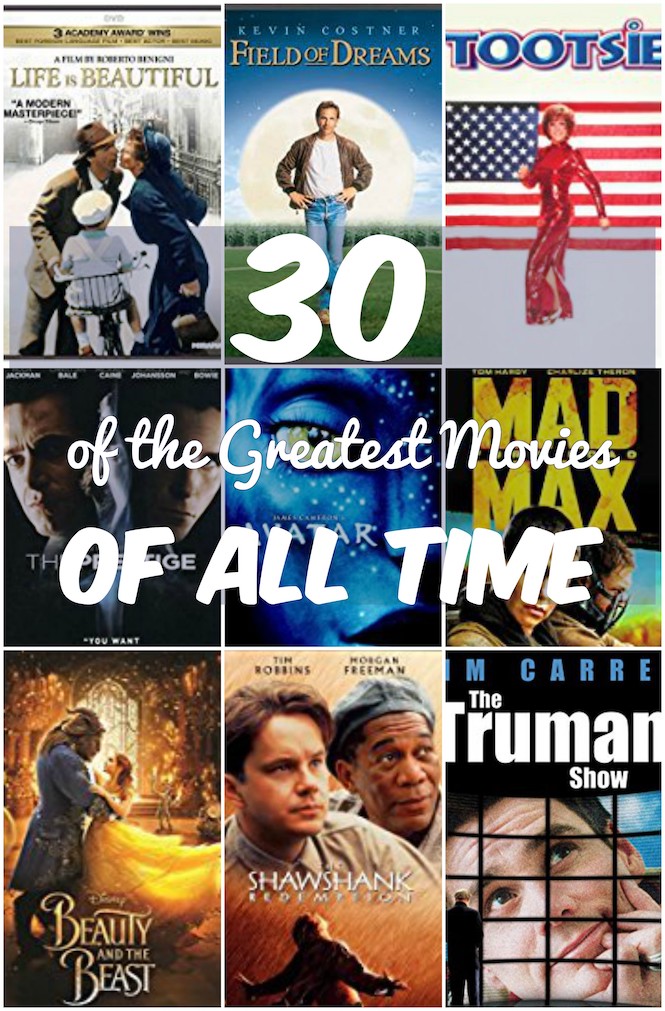
Ultimately, the search for the “best movie of all time” is a personal one. While critical consensus, technological innovation, and financial success all play a role, the films that truly resonate with us are those that speak to our individual experiences, values, and emotions.
Whether you’re analyzing the groundbreaking AI used in Ex Machina (2014), the masterful branding of characters in the Harry Potter series, or the shrewd financial investments behind the Lord of the Rings trilogy, each film offers a unique perspective on what makes a cinematic experience truly exceptional. The beauty of film, like the complexities of technology, brand building, and financial strategy, lies in its multifaceted nature and its enduring capacity to inspire, provoke, and entertain us. The “best” film might just be the one that, in the grand tapestry of cinema, leaves the most profound and lasting impression on you.
aViewFromTheCave is a participant in the Amazon Services LLC Associates Program, an affiliate advertising program designed to provide a means for sites to earn advertising fees by advertising and linking to Amazon.com. Amazon, the Amazon logo, AmazonSupply, and the AmazonSupply logo are trademarks of Amazon.com, Inc. or its affiliates. As an Amazon Associate we earn affiliate commissions from qualifying purchases.