
In the landscape of global beverage marketing, few products—or rather, experiences—have managed to transcend their humble ingredients to become a worldwide phenomenon quite like the Sake Bomb. While at its core, a Sake Bomb is a simple cocktail consisting of a shot of Japanese sake dropped into a glass of beer, its identity in the modern market is far more complex. To a brand strategist, the Sake Bomb represents a fascinating case study in experiential branding, the power of ritualized consumption, and the delicate balance of cultural fusion.
This article explores the “Sake Bomb” not merely as a drink, but as a brand entity that has carved out a unique niche in the competitive hospitality and beverage industry. By analyzing how this ritual became a staple of Western “Izakaya” culture, we can uncover valuable insights into how brands can leverage experience to drive consumer engagement and long-term brand equity.
The Identity of a Ritual: How the Sake Bomb Became a Global Brand Phenomenon
The most successful brands in the world don’t just sell products; they sell feelings, identities, and rituals. The Sake Bomb is a quintessential example of “Ritual Branding.” Without the ritual, the drink is simply a mixture of two relatively inexpensive liquids. With the ritual, it becomes a memorable event that defines the consumer’s evening.
Defining the Brand: More Than Just Ingredients
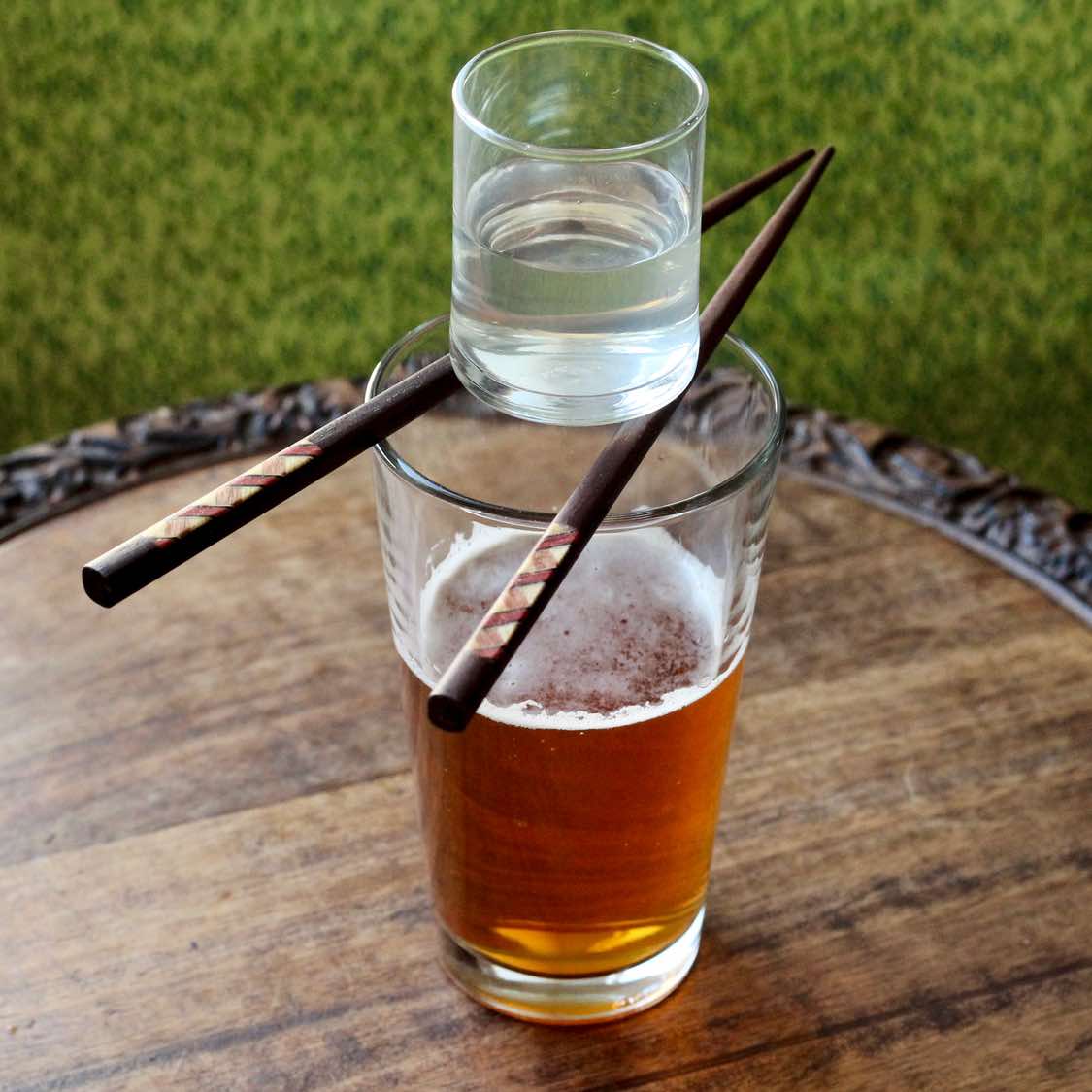
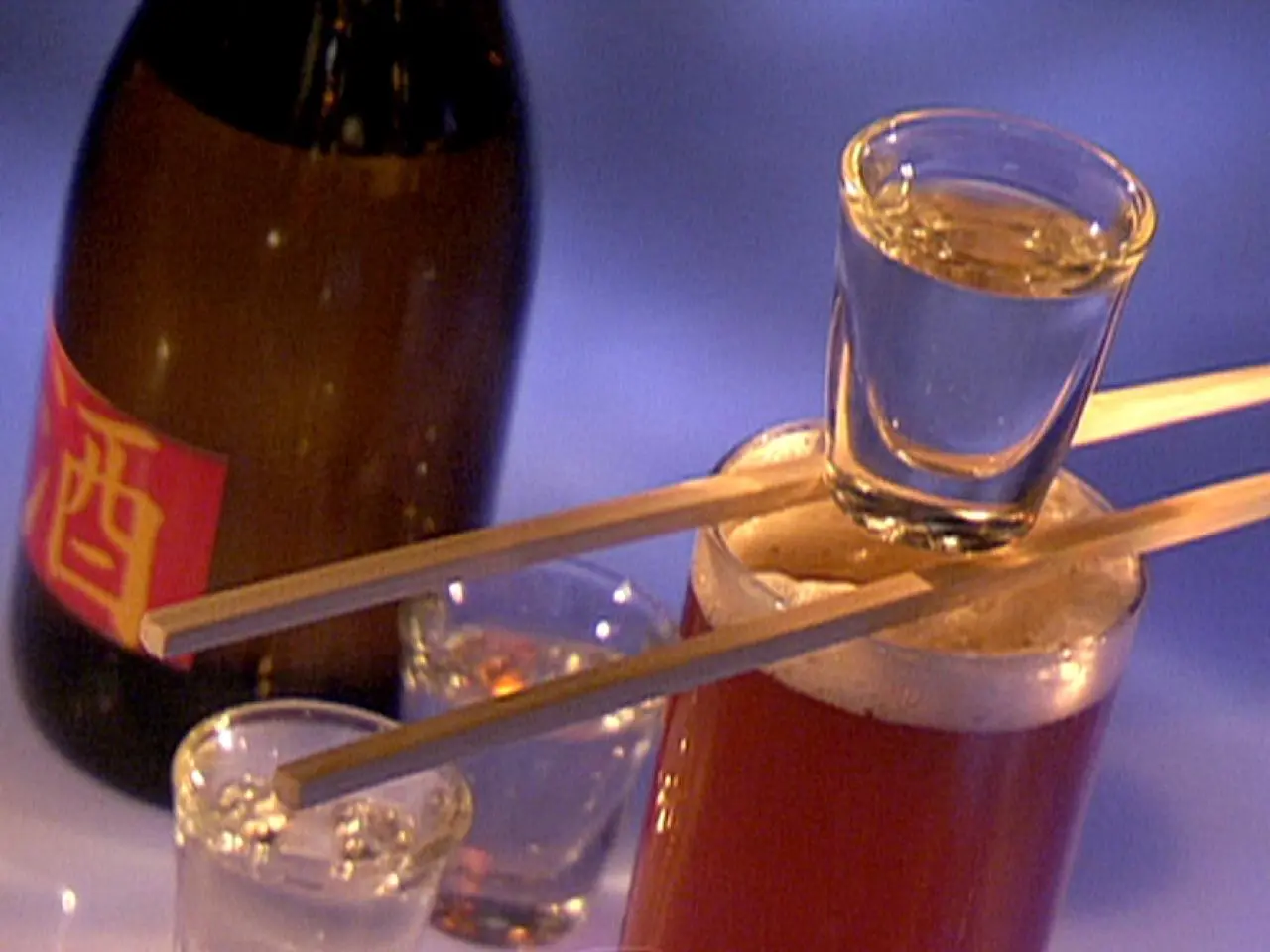
From a brand strategy perspective, the “Sake Bomb” is defined by its action rather than its flavor profile. The “brand assets” of a Sake Bomb include the pair of chopsticks balanced across the rim of a beer glass, the small ceramic cup of sake perched precariously on top, and the rhythmic pounding on the table that causes the shot to drop. This visual and auditory signature is instantly recognizable. In the world of branding, this is known as a “sensory hook”—a distinct element that makes the brand stand out in a crowded marketplace.
The Power of Ritual in Brand Loyalty
Rituals create a sense of belonging and community. When a group of people chants “Sake, Sake, Sake… BOMB!” in unison, they are participating in a shared brand experience. This collective participation fosters a high level of emotional engagement. For the restaurant or the sake producer, the drink acts as an “entry-point brand,” lowering the barrier to entry for consumers who might otherwise find traditional sake intimidating or overly formal. By gamifying the consumption process, the brand transforms a passive customer into an active participant.
Marketing the Experience: Why Consumers Choose the “Bomb” Over the Bottle
In modern marketing, the “Experience Economy” dictates that consumers are more willing to pay for memories than for physical goods. The Sake Bomb is a product designed specifically for the experience economy. It is loud, messy, and inherently social—qualities that make it a marketing powerhouse in the digital age.
From Niche Tradition to Mainstream Entertainment
The Sake Bomb did not originate in Japan as a traditional method of drinking; rather, it emerged as a hybrid brand in the Western market, particularly within the United States. This transition highlights a key brand strategy: localization. By taking a traditional Japanese element (sake) and adapting it to fit the high-energy, high-volume environment of Western sports bars and fusion restaurants, the “Sake Bomb” brand successfully navigated a new market. It transitioned from a niche cultural item to a mainstream entertainment product, expanding its target demographic from connoisseurs to general revelers.
Social Media and the Visual Appeal of the Pour
In the current era of “Instagrammable” moments, the Sake Bomb has found its perfect medium. The physical tension of the shot glass hovering over the beer and the eventual splash creates a “peak moment” that is highly shareable. Brand managers understand that a product that markets itself via user-generated content (UGC) is far more valuable than one that requires heavy ad spend. Every time a customer records a Sake Bomb and posts it to social media, they are acting as a brand ambassador, reinforcing the drink’s image as the centerpiece of a “fun night out.”
Strategic Brand Positioning: Navigating Cultural Authenticity vs. Modern Appeal
One of the most complex aspects of the Sake Bomb brand is its relationship with authenticity. For many brand strategists, the challenge lies in how to honor the origins of a product while making it accessible to a global audience. The Sake Bomb sits at the intersection of traditional Japanese craft and Western pop culture.
Balancing Tradition with Innovation
Traditional sake brands often emphasize heritage, brewing techniques, and regional “terroir.” The Sake Bomb, however, positions itself as an irreverent alternative. This creates a “dual-brand” ecosystem. On one hand, you have the high-end, premium sake brands that focus on quality; on the other, you have the “Sake Bomb” brand which focuses on accessibility. Savvy brands have learned to use the Sake Bomb as a “loss leader” or a “gateway product.” By introducing consumers to sake through a fun, low-pressure ritual, brands can eventually graduate those consumers toward more premium, traditional products.
The Role of Fusion in Global Market Penetration
The Sake Bomb is a masterclass in “Fusion Branding.” By pairing sake with beer—a drink that is globally understood and accepted—the brand reduces the “strangeness” of the foreign product. This strategy is used across various industries, from tech companies integrating familiar interfaces into new software, to food brands mixing local flavors with international staples. The Sake Bomb brand effectively “piggybacks” on the established market dominance of beer to carve out a space for sake in the Western consciousness.
Lessons for Modern Brand Managers: Applying the Sake Bomb Strategy
What can brand managers in other sectors learn from the Sake Bomb? Whether you are in software, fashion, or corporate services, the principles of engagement and ritualized interaction are universal.
Creating Shareable Brand Moments
The success of the Sake Bomb proves that if you can create a specific, repeatable moment associated with your brand, your customers will do your marketing for you. In branding, this is often called the “Signature Move.” Think of the way an Apple product box slides open with a specific resistance, or the way a Netflix episode begins with a distinct “ta-dum” sound. These are the “Sake Bombs” of the tech and entertainment worlds—sensory experiences that signify the brand is present.
Leveraging Gamification in Customer Experience
The Sake Bomb is essentially a game: will the shot fall? Will you splash your neighbor? Will you finish the drink in one go? This gamification keeps customers engaged and encourages them to repeat the purchase. In brand strategy, incorporating elements of play can significantly increase customer retention and lifetime value. By turning a transaction into a game, brands can bypass the logical part of the consumer’s brain and speak directly to their desire for entertainment and social validation.
The Importance of Community and Environment
A Sake Bomb is rarely consumed alone. It is a communal brand experience. This underscores the importance of “Brand Environment.” A brand does not exist in a vacuum; it exists within the context in which it is consumed. For the Sake Bomb, that environment is one of loud music, communal seating, and celebratory atmosphere. Brand managers must consider not just the product they are selling, but the “ecosystem of consumption” that surrounds it. Creating an environment that facilitates the brand’s core message is essential for long-term success.

Conclusion: The Future of the Sake Bomb Brand
As we look toward the future of global branding, the Sake Bomb remains a resilient example of how a simple concept, executed with high energy and a clear ritual, can achieve global recognition. It challenges the notion that branding must always be about high-budget commercials or complex digital funnels. Sometimes, the most powerful brand strategy is simply to give the consumer a reason to pound the table and cheer.
The Sake Bomb has successfully navigated the transition from a cult classic to a global icon by staying true to its core brand promise: excitement, accessibility, and community. For brand strategists and marketers, it serves as a reminder that at the heart of every great brand is a story that people want to be a part of—and a ritual that makes them feel like they belong. Whether through the splash of a shot glass or the click of a button, the most enduring brands are those that turn a product into an unforgettable moment.
aViewFromTheCave is a participant in the Amazon Services LLC Associates Program, an affiliate advertising program designed to provide a means for sites to earn advertising fees by advertising and linking to Amazon.com. Amazon, the Amazon logo, AmazonSupply, and the AmazonSupply logo are trademarks of Amazon.com, Inc. or its affiliates. As an Amazon Associate we earn affiliate commissions from qualifying purchases.