
In the rapidly evolving landscape of technology, the term “abusive” has shifted from the purely interpersonal realm into the technical architecture of our daily lives. As software, social platforms, and artificial intelligence become the primary conduits for human interaction and business operations, defining what is considered “abusive” is no longer just a matter of social etiquette—it is a critical component of digital security, platform governance, and software engineering.
In the tech industry, “abusive behavior” refers to a broad spectrum of actions that violate terms of service, compromise user safety, or exploit technical vulnerabilities to degrade the performance of a system. From the perspective of digital security and software development, understanding these boundaries is essential for building resilient systems and maintaining the integrity of the digital ecosystem.
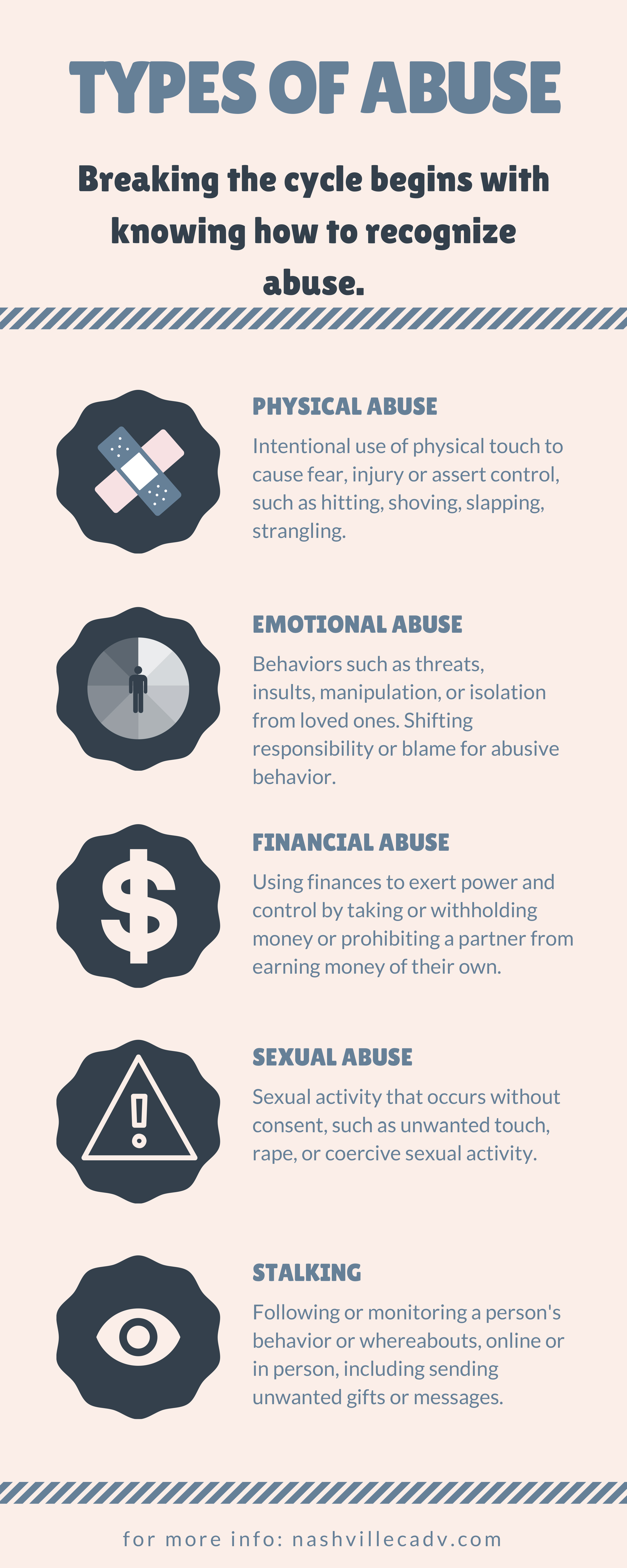
Defining User-Centric Digital Abuse: Governance and Policy
At the interface level, abuse is often defined by the impact one user has on another or on the community at large. Technology companies must balance the principles of open communication with the necessity of protecting users from harmful interactions.
Cyberbullying and Targeted Harassment
In the context of social software and communication tools, abuse is categorized by patterns of behavior intended to intimidate, silence, or degrade individuals. This includes “dogpiling”—a coordinated effort by multiple accounts to harass a single user—and the use of automated tools to bypass block lists. From a tech standpoint, identifying this requires sophisticated natural language processing (NLP) to distinguish between heated debate and systematic harassment. Software developers now integrate “safety by design” features, such as granular notification filters and “hide reply” functions, to mitigate these abusive patterns.
Doxing and Non-Consensual Information Sharing
One of the most severe forms of digital abuse is doxing: the unauthorized publishing of private or identifying information (PII) with malicious intent. This violates the fundamental security principle of data privacy. Tech platforms consider the sharing of home addresses, private phone numbers, or financial details as high-priority abuse. Modern security protocols focus on “de-indexing” such information rapidly and using automated hashes to prevent the re-uploading of sensitive documents or images, a technique frequently used to combat non-consensual intimate imagery (NCII).
Misinformation and Coordinated Inauthentic Behavior (CIB)
While “fake news” is a common term, tech companies and security experts use the term “Coordinated Inauthentic Behavior” to describe a specific type of platform abuse. This involves networks of accounts (often a mix of bots and humans) working together to deceive users about their identity or purpose. This is considered abusive because it manipulates the platform’s algorithms, effectively “gaming” the system to amplify specific content unnaturally.
Technical Abuse: Exploiting Software and Infrastructure
Beyond human interaction, “abusive” behavior refers to the exploitation of technical resources. In this niche, abuse is defined as any activity that consumes excessive bandwidth, bypasses security throttles, or uses a service in a way it was not intended to be used.
API and Resource Overuse
Application Programming Interfaces (APIs) are the backbone of modern software integration. However, “API abuse” occurs when a developer or a bot makes excessive requests that strain the server’s resources, often referred to as “scraping” or “rate-limit exhausting.” This is considered abusive because it can lead to a Denial of Service (DoS) for legitimate users. To counter this, tech teams implement rate limiting, CAPTCHAs, and web application firewalls (WAFs) to distinguish between standard programmatic use and abusive exploitation.
Credential Stuffing and Brute Force Attacks
In the realm of digital security, unauthorized access attempts are the pinnacle of abusive behavior. “Credential stuffing” is a technique where attackers use lists of compromised usernames and passwords from one breach to attempt to log into other services. This automated abuse exploits the common human tendency to reuse passwords. Tech security professionals treat these high-volume login attempts as a form of system abuse, deploying behavioral analytics to detect patterns that don’t match human login speeds or locations.
Botnets and Automated Spam
Spam is perhaps the oldest recognized form of digital abuse. However, modern spam has evolved into a complex technical challenge involving botnets—networks of compromised devices controlled by a central actor. Whether it is sending millions of phishing emails or flooding a comment section with promotional links, bot-driven abuse degrades the quality of the service and poses significant security risks. The tech industry combats this through machine learning models that analyze metadata, such as IP reputation and packet headers, to identify and nullify bot-driven traffic.
The New Frontier: AI-Generated Abuse and Synthetic Media
The rise of generative Artificial Intelligence (AI) has introduced a new layer of complexity to what is considered abusive. As AI tools become more accessible, the potential for high-scale, high-conviction abuse increases.
Deepfakes and Identity Fraud
Deepfakes—AI-generated images, videos, or audio that convincingly mimic real people—represent a transformative shift in digital abuse. When used to create non-consensual content or to impersonate executives for financial fraud (Business Email Compromise or BEC), it is considered a top-tier security threat. The technical response involves “provenance technology,” such as digital watermarking and blockchain-based verification, to ensure the authenticity of media and protect individuals from synthetic identity abuse.
Prompt Injection and Jailbreaking AI
In the software world, “prompt injection” is a new form of abuse directed at Large Language Models (LLMs). This involves users crafting specific inputs designed to bypass the AI’s safety filters, forcing it to generate prohibited content, such as malware code or hate speech. Developers consider this a security vulnerability. Protecting against this form of abuse requires “adversarial testing” and “red teaming,” where developers try to break their own AI models to identify and patch these linguistic loopholes.
Algorithmic Bias as Systemic Abuse
While often unintentional, the deployment of biased algorithms can be considered a form of systemic technical abuse. If an AI used for hiring or credit scoring unfairly discriminates against a specific demographic due to flawed training data, it constitutes an abuse of the user’s trust and rights. The tech community is increasingly focusing on “Algorithmic Accountability,” ensuring that software is audited for fairness and that its logic is transparent and non-abusive.
Governance and Platform Mitigation Strategies
To manage what is considered abusive, tech companies have developed robust frameworks that combine human oversight with automated enforcement. These strategies are the “immune system” of the digital world.
Terms of Service (ToS) and Community Guidelines
The legal foundation for defining abuse is the Terms of Service. This document outlines the “rules of the road” for software usage. What might be considered acceptable on a private forum could be deemed abusive on a corporate productivity tool like Slack or Microsoft Teams. These guidelines are constantly updated to reflect new technological threats, such as the emergence of crypto-jacking or unauthorized data harvesting.
Proactive Detection vs. Reactive Moderation
For years, moderation was reactive—users reported abuse, and moderators reviewed it. Today, the scale of tech requires a proactive approach. “Automated Proactive Detection” uses AI to scan content and traffic in real-time, flagging abusive patterns before they reach the end-user. For instance, Gmail’s filters catch the vast majority of abusive emails before they ever land in an inbox. This shift from reactive to proactive is essential for maintaining digital security at a global scale.
Transparency Reports and Industry Standards
Leading tech firms now publish regular Transparency Reports. These documents detail the volume of abusive content removed, the number of government requests for data, and the efficacy of their automated systems. By standardizing these reports, the tech industry creates a benchmark for what constitutes an acceptable level of safety and what defines an “abusive” environment.
Personal Digital Security: Protecting Yourself from Online Abuse
While platforms have a responsibility to mitigate abuse, individual users must also leverage technology to protect their digital footprints. Personal security is the final line of defense against abusive digital behavior.
Hardening Digital Identity
To protect against technical abuse like account takeovers, users are encouraged to adopt robust security hygiene. This includes the use of hardware security keys (like Yubikeys), biometric authentication, and password managers. By creating a “zero-trust” environment for one’s personal data, the impact of automated abusive tools is significantly minimized.
Leveraging Privacy-Enhancing Technologies (PETs)
Encryption is a primary tool against abuse. End-to-end encrypted (E2EE) messaging ensures that even if a platform’s infrastructure is compromised, the content of user communications remains private and protected from abusive interception. Additionally, the use of Virtual Private Networks (VPNs) and privacy-focused browsers helps users avoid tracking and data-harvesting practices that many consider a form of corporate digital abuse.

Reporting and Documentation Tools
Modern software often includes specialized tools for documenting abuse. For example, some platforms allow users to download a “harassment log” that captures metadata of abusive interactions, which can be used for legal or law enforcement purposes. Understanding how to use these built-in reporting mechanisms is a vital skill in the modern tech landscape.
In conclusion, “what is considered abusive” in the world of technology is a multifaceted definition that spans from the way we speak to one another to the way code interacts with servers. As we move deeper into the age of AI and hyper-connectivity, the boundaries of abuse will continue to shift. For developers, security professionals, and users alike, staying informed about these technical and ethical boundaries is the only way to ensure a secure, functional, and respectful digital future.
aViewFromTheCave is a participant in the Amazon Services LLC Associates Program, an affiliate advertising program designed to provide a means for sites to earn advertising fees by advertising and linking to Amazon.com. Amazon, the Amazon logo, AmazonSupply, and the AmazonSupply logo are trademarks of Amazon.com, Inc. or its affiliates. As an Amazon Associate we earn affiliate commissions from qualifying purchases.