
In the modern wellness economy, the journey of a product from a localized traditional remedy to a global household name is rarely an accident of nature; it is a masterclass in strategic brand positioning. Maca root (Lepidium meyenii), a cruciferous vegetable native to the high Andes of Peru, serves as one of the most compelling case studies in the “Superfood” branding phenomenon. For centuries, it was a staple food and medicinal herb for indigenous populations, but in the last decade, it has been systematically rebranded as a premium wellness asset, a “must-have” for the biohacking community, and a cornerstone of the multi-billion dollar nutraceutical industry.
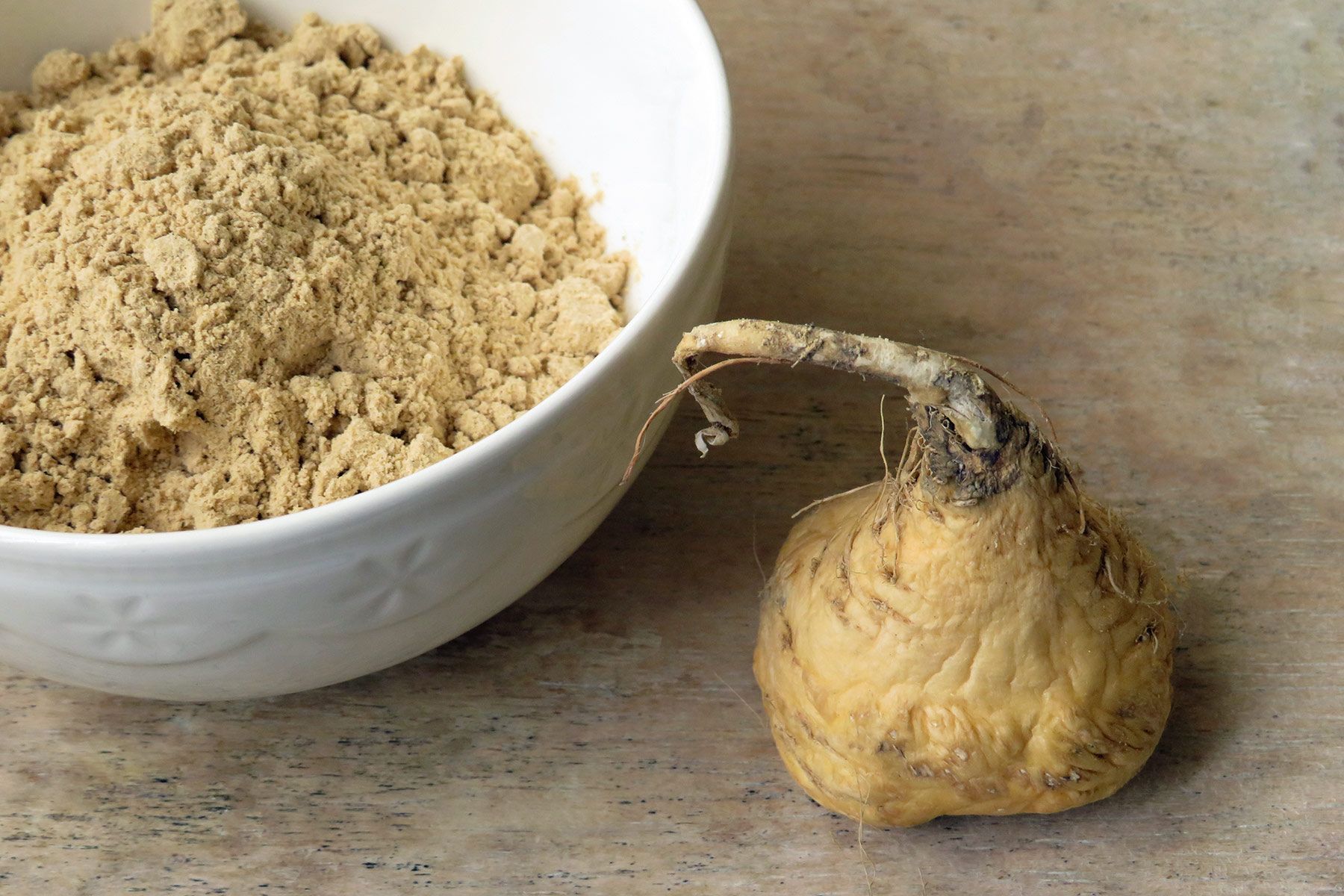
Understanding the benefits of maca root through the lens of brand strategy requires looking beyond its nutritional profile. Instead, we must analyze how brand architects have successfully translated ancient biological properties into a modern value proposition that resonates with the high-performance lifestyle of the 21st-century consumer.
The Power of Narrative: Positioning Maca as a Premium Wellness Asset
The primary driver behind the success of maca root in Western markets is the construction of a powerful, dual-layered narrative. Brands have successfully balanced the “ancient wisdom” of the Incas with the “modern science” of adaptogens. This positioning allows the product to occupy a unique space in the consumer’s mind: it is both a link to a forgotten, healthier past and a cutting-edge tool for future-proofing one’s health.
Leveraging the “Ancient Wisdom” Archetype
In branding, the “Sage” or “Explorer” archetype is often used to imbue products with a sense of historical authority. By emphasizing that maca was used by Incan warriors for strength and libido, brands create an immediate emotional connection. This isn’t just a root powder; it is “warrior fuel.” This narrative strategy bypasses the cold, clinical feel of synthetic supplements, offering instead a “soulful” alternative. By anchoring the brand in heritage, companies build significant brand equity that justifies a premium price point compared to generic vitamins.
Developing an Exotic Origin Story for Brand Authenticity
Authenticity is the currency of modern branding. The fact that maca grows in the harsh, high-altitude conditions of the Andes provides a perfect “struggle-to-strength” metaphor for the product itself. Marketing campaigns often feature imagery of the Peruvian highlands, traditional farmers, and the rugged terrain. This geographical branding does more than just inform the consumer of the source; it builds a protective “moat” around the product’s identity. Consumers are led to believe that the efficacy of the product is tied to its origin, a concept known as terroir in the wine industry, which enhances the perceived value of “Authentic Peruvian Maca.”
Visual Identity and Packaging Trends in the Maca Industry
The evolution of maca’s branding is perhaps most visible in its packaging. In the early 2000s, maca was largely found in health food stores in translucent plastic bags with utilitarian labels—a look that appealed only to the “granola” demographic. Today, the visual identity of maca brands has shifted toward a sophisticated, minimalist aesthetic that fits seamlessly into the lifestyle of a high-earning urban professional.
From Bulk Powder to Lifestyle Accessory
Successful brands like Moon Juice or Navitas have moved maca out of the “pantry” and into the “lifestyle” category. Packaging now often features matte finishes, muted earth tones, and sans-serif typography that communicates cleanliness and luxury. By shifting from large, 1lb bags to small, elegantly designed tins or single-serve sachets, brands have repositioned maca from a commodity ingredient to a premium lifestyle accessory. This shift allows for higher margins and facilitates “unboxing” experiences that are highly shareable on social media platforms.
Color Psychology in Wellness Branding
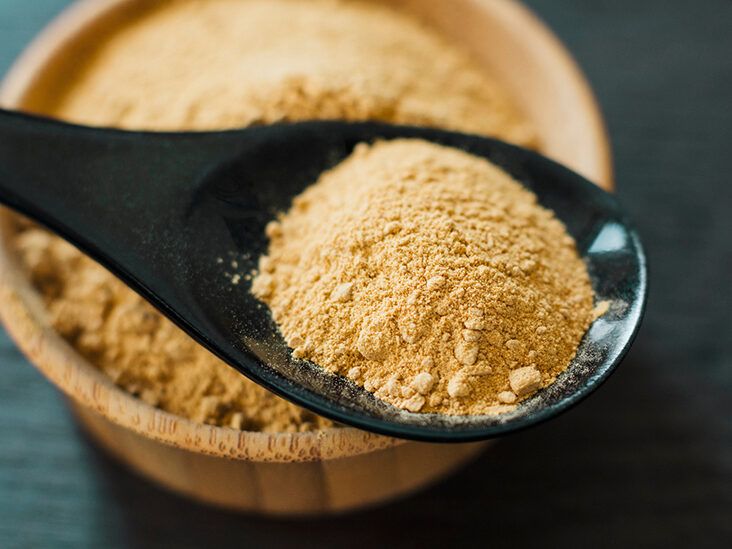
The color palettes used in maca branding are strategically chosen to evoke specific emotional responses. Gold and deep yellows are frequently used to mirror the “yellow maca” variety while symbolizing energy, sunshine, and vitality. Alternatively, black and dark purple hues are used for “Black Maca” lines, targeting a more masculine or performance-oriented demographic by evoking power, mystery, and elite strength. This segmented visual strategy allows a single plant species to be branded into multiple product lines, each catering to a different consumer persona.
Strategic Distribution and the Influence of Social Proof
A brand is only as strong as its presence in the market. The rise of maca root is intrinsically linked to its “omnichannel” distribution strategy and its adoption by high-authority figures in the wellness space. By placing the product in high-end retailers like Whole Foods and Erewhon, and simultaneously dominating the direct-to-consumer (DTC) space via Amazon and Shopify, maca brands have achieved massive market penetration.
The Role of Social Proof in Health Supplement Branding
Maca root’s benefits are often communicated through the lens of social proof rather than traditional advertising. Influencers, biohackers, and wellness celebrities serve as the “brand ambassadors” who validate the product’s claims. When a high-performance CEO mentions adding maca to their morning smoothie on a popular podcast, the brand receives a level of “earned media” that paid advertising cannot buy. This peer-to-peer recommendation model is essential in the wellness industry, where consumer trust in traditional pharmaceutical companies is often low.
Niche Targeting: Biohackers vs. Holistic Wellness Communities
Strategic brand segmentation has allowed maca to appeal to two very different markets. On one hand, it is branded as a “hormone-balancing” superfood for women interested in holistic wellness and fertility. On the other hand, it is marketed to the “biohacking” community—predominantly men looking for natural ways to increase testosterone and cognitive focus. By creating distinct sub-brands or product lines (e.g., “Maca for Her” vs. “Max Strength Black Maca”), companies can double their market reach without diluting the core brand identity.
Case Study: Navigating the “Clean Label” and Ethical Brand Movement
As the maca market matured, a new branding challenge emerged: ethics and sustainability. As demand soared, reports of “maca smuggling” and biopiracy surfaced. In response, the most successful brands pivoted to “Ethical Sourcing” as a core pillar of their corporate identity. This transition from “product-focused” branding to “values-focused” branding has become a requirement for long-term viability in the wellness sector.
Sustainability as a Brand Pillar
Modern consumers, particularly Millennials and Gen Z, choose brands that align with their values. Maca brands that highlight “Fair Trade” certifications, direct-trade relationships with Peruvian farmers, and organic farming practices are winning the trust of the conscious consumer. This isn’t just about ethics; it’s a strategic move to build brand loyalty. When a brand demonstrates that it cares about the soil and the people who harvest the root, it creates a “halo effect” that makes the consumer feel good about their purchase.
Transparency and the Trust Economy
In an era of misinformation, transparency has become a powerful branding tool. Leading maca brands now provide QR codes on their packaging that allow consumers to track the batch of powder back to the specific farm in Peru where it was grown. This “farm-to-table” transparency is a high-level branding tactic that builds an impenetrable layer of trust. It transforms the brand from a faceless corporation into a transparent partner in the consumer’s health journey.

The Future of Maca Branding: Product Diversification
The final stage of the maca brand evolution is diversification. We are moving away from simple powders and into “functional foods.” Maca is now a featured ingredient in high-end chocolate bars, RTD (Ready-to-Drink) lattes, and even skin-care products. Each of these new formats represents a new brand touchpoint.
The success of maca root is a testament to the power of strategic brand management. By taking a natural product and wrapping it in a narrative of ancient wisdom, modern science, and ethical transparency, brand architects have turned a humble Peruvian root into a global icon of the wellness industry. The “benefits” of maca root, therefore, are not just found in its chemical composition, but in the sophisticated brand experience it offers to a global audience hungry for health, heritage, and high performance. As the wellness market continues to evolve, the maca model will likely serve as the blueprint for the next generation of superfood branding.
aViewFromTheCave is a participant in the Amazon Services LLC Associates Program, an affiliate advertising program designed to provide a means for sites to earn advertising fees by advertising and linking to Amazon.com. Amazon, the Amazon logo, AmazonSupply, and the AmazonSupply logo are trademarks of Amazon.com, Inc. or its affiliates. As an Amazon Associate we earn affiliate commissions from qualifying purchases.