
For decades, the concept of Blood Alcohol Level (BAC) was largely confined to two spheres: clinical medicine and law enforcement. To the average consumer, “high blood alcohol” was a vague threshold measured only after an incident occurred, usually via a bulky, specialized device used by highway patrol. However, as we move deeper into the era of the Internet of Things (IoT), wearable diagnostics, and Artificial Intelligence, the definition and monitoring of BAC are undergoing a radical digital transformation.
In a technological context, understanding what is considered a high blood alcohol level is no longer just about legal limits; it is about data precision, preventative hardware, and the integration of biosensors into our daily digital ecosystem. As tech trends shift toward proactive health monitoring, the ability to quantify impairment in real-time is becoming a cornerstone of personal safety and corporate liability tech.
The Evolution of Measurement: From Chemical Reagents to Semiconductor Sensors
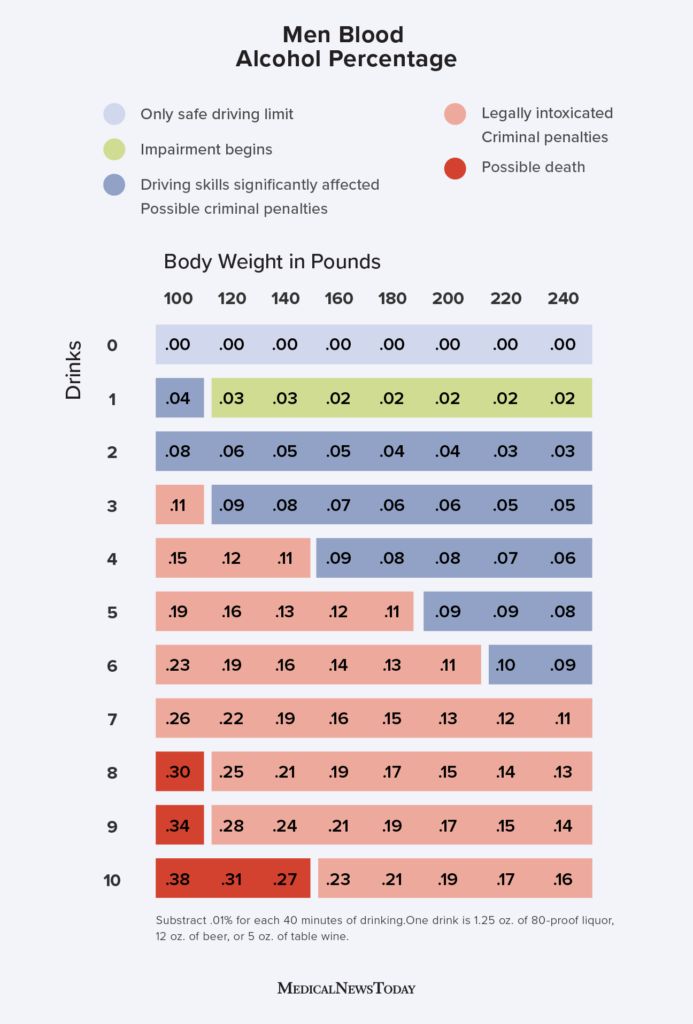
To understand what constitutes a high BAC, we must first look at the technology used to detect it. Traditionally, BAC represents the percentage of ethanol in the blood, with 0.08% being the standard legal limit for “high” or “impaired” in many jurisdictions. Historically, measuring this required invasive blood draws or chemical-based breathalyzers. Today, the tech landscape has shifted toward high-precision hardware that fits in a pocket.
The Rise of Fuel Cell and Semiconductor Technology
Modern portable breathalyzers generally utilize one of two technologies: semiconductor oxide sensors or platinum fuel cell sensors. Semiconductor sensors, often found in low-cost consumer gadgets and smartphone attachments, measure the change in internal resistance when alcohol vapor hits a tin dioxide sensor. While innovative, these are being phased out in professional tech circles due to their susceptibility to “false positives” from substances like cigarette smoke or acetone.
Platinum fuel cell technology is the current gold standard in high-end tech. These sensors undergo a chemical reaction that oxidizes the alcohol in the breath sample, producing an electrical current. The strength of this current is directly proportional to the amount of alcohol, allowing for a digital readout that is accurate to the third decimal point. For tech developers, the goal is miniaturizing these fuel cells to integrate them into everyday hardware.
Digital Calibration and IoT Integration
What makes a BAC “high” from a data perspective is its deviation from a baseline. Modern devices now feature “smart calibration.” Instead of sending a device back to a lab, cloud-based software updates and self-diagnostic algorithms ensure that the sensors remain accurate. This connectivity allows users to sync their BAC data with health apps, providing a longitudinal view of how their body processes toxins, effectively turning a safety tool into a comprehensive wellness tracker.
Wearable Tech and the Shift to Continuous Monitoring
The most significant trend in the tech niche regarding blood alcohol levels is the move from “point-in-time” testing to “continuous monitoring.” In the past, you only knew your BAC was high when you chose to take a test. New wearable technology is changing that dynamic by monitoring levels passively.
Transdermal Alcohol Monitoring (TAM)
The cutting edge of this field is Transdermal Alcohol Monitoring. When you consume alcohol, a small fraction (about 1%) is excreted through your skin as “insensible perspiration.” Tech companies like BACtrack and various startups are developing wristbands and patches that use electrochemical sensors to detect these vapors.
The technical challenge here is the “lag time.” Alcohol takes longer to reach the skin than it does the breath. However, sophisticated software algorithms are now able to correlate transdermal data with blood-alcohol concentrations in real-time, providing a “sober-to-impaired” curve. For a user, a “high” level might be signaled by a haptic vibration on their smartwatch before they even realize they are over the limit.
Integration with Major Health Platforms
We are seeing an increasing push to integrate BAC data into ecosystems like Apple HealthKit and Google Fit. By combining BAC data with heart rate variability (HRV) and sleep quality metrics, AI-driven apps can provide a holistic view of impairment. For instance, a “high” BAC of 0.05% might affect a user’s recovery score more significantly if the software detects they are also sleep-deprived. This contextualization of data is where tech is truly redefining what “impaired” means on an individual level.
AI and Machine Learning: Predicting Impairment Beyond the Number
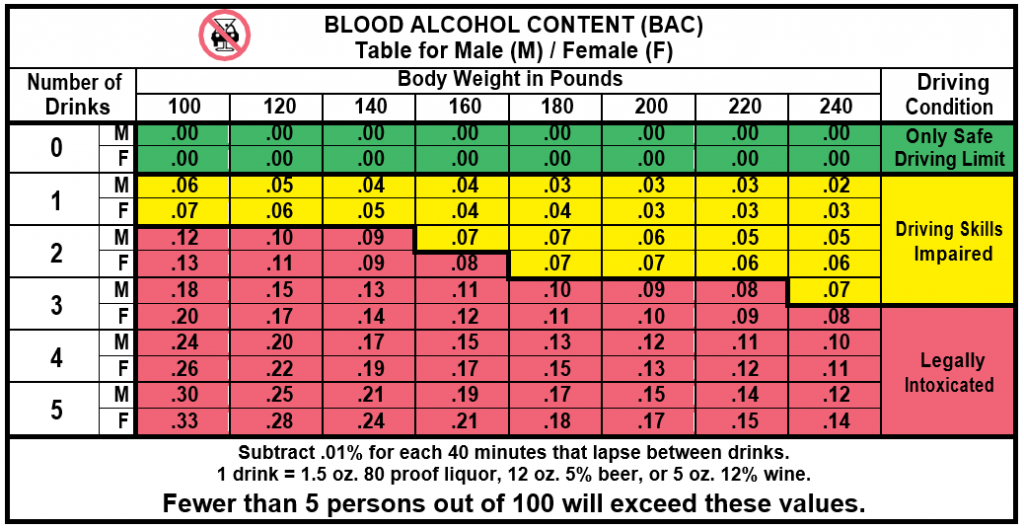
A high blood alcohol level affects different people in different ways based on weight, metabolism, and tolerance. This is where Artificial Intelligence (AI) and Machine Learning (ML) are stepping in to provide a more nuanced definition of “high.”
Predictive Behavioral Biometrics
Software developers are now experimenting with behavioral biometrics to detect a high BAC without any external hardware. By analyzing how a person interacts with their smartphone—typing speed, gait analysis via the accelerometer, and even eye-tracking through the front-facing camera—AI models can predict if a user is likely at a high BAC.
If the ML model detects a certain threshold of “micro-sway” or a specific pattern of typing errors, it can trigger a lockout on certain sensitive apps or suggest a ride-sharing service. This moves the definition of a high blood alcohol level from a static number (0.08%) to a dynamic state of functional impairment.
Facial Recognition and Computer Vision
In the realm of enterprise tech, computer vision is being deployed in high-risk environments like construction sites or warehouses. AI-powered cameras can scan a worker’s face to detect signs of intoxication, such as horizontal gaze nystagmus (the involuntary jerking of the eyeball) or facial flushing. These systems don’t just ask “what is the BAC?” but rather “is this person’s cognitive state compatible with operating this machinery?” This shift represents the transition from simple data collection to proactive AI intervention.
The Connected Ecosystem: Automotive Safety and Corporate Tech
The most impactful application of BAC tech is in the automotive industry. Global safety standards are increasingly demanding that vehicles become “alcohol-aware,” using technology to prevent high-BAC drivers from ever starting the engine.
Smart Interlocks and V2X Communication
Traditional ignition interlocks were clumsy and stigmatized. The next generation of this tech, such as the DADSS (Driver Alcohol Detection System for Safety) program, uses infrared light to measure alcohol levels through the driver’s skin (touch-based) or breath (ambient air sensors in the cabin).
When a “high” level is detected, the car’s software doesn’t just prevent the engine from starting; it can utilize V2X (Vehicle-to-Everything) communication to alert fleet managers or family members. For logistics companies, this “Safety-as-a-Service” (SaaS) model is becoming a standard part of their digital infrastructure, reducing insurance premiums and protecting brand reputation through tech-enforced sobriety.
Corporate Liability and Fleet Management Software
For businesses, a high BAC level is a massive data liability. Fleet management software now integrates BAC monitoring into the daily check-in routine. Through encrypted cloud dashboards, managers can monitor the sobriety status of hundreds of drivers in real-time. This isn’t just about punishment; it’s about data-driven risk management. Algorithms can identify patterns—such as a driver consistently hitting a “low-but-present” BAC on Monday mornings—allowing for early intervention and training before a high-BAC incident occurs.

Conclusion: The Digitization of Sobriety
In the modern tech landscape, the answer to “what is considered a high blood alcohol level” is becoming increasingly sophisticated. We are moving away from the era of “guesswork and consequence” into an era of “data and prevention.” Whether it is through a platinum fuel cell in a smartphone peripheral, a transdermal sensor on a smartwatch, or an AI model analyzing your gait, technology is providing a precise, real-time mirror of our internal chemistry.
As these tools become more ubiquitous, the “high” threshold will likely become more personalized. We will no longer rely solely on a legal 0.08% limit; instead, our own devices will inform us when our specific digital “baseline” has been compromised. For the tech industry, this represents a massive opportunity to merge consumer electronics with public safety, creating a future where high blood alcohol levels are detected, managed, and mitigated by the very devices we carry in our pockets.
aViewFromTheCave is a participant in the Amazon Services LLC Associates Program, an affiliate advertising program designed to provide a means for sites to earn advertising fees by advertising and linking to Amazon.com. Amazon, the Amazon logo, AmazonSupply, and the AmazonSupply logo are trademarks of Amazon.com, Inc. or its affiliates. As an Amazon Associate we earn affiliate commissions from qualifying purchases.