
The allure of a classic car transcends mere transportation. These are not just machines; they are rolling sculptures, capsules of history, and enduring symbols of an era’s design ethos and technological ambition. The term “classic car” evokes images of gleaming chrome, powerful engines, and a romanticized past. But what, precisely, elevates a vehicle from a vintage model to a true classic? This classification isn’t a simple matter of age; it’s a nuanced blend of historical significance, cultural impact, aesthetic appeal, engineering innovation, and ultimately, the enduring brand power these automobiles command. Understanding what makes a car a classic is to understand the very essence of automotive heritage and the lasting legacy of vehicular brands.

The Age-Old Question: Defining “Classic” Through Time and Regulation
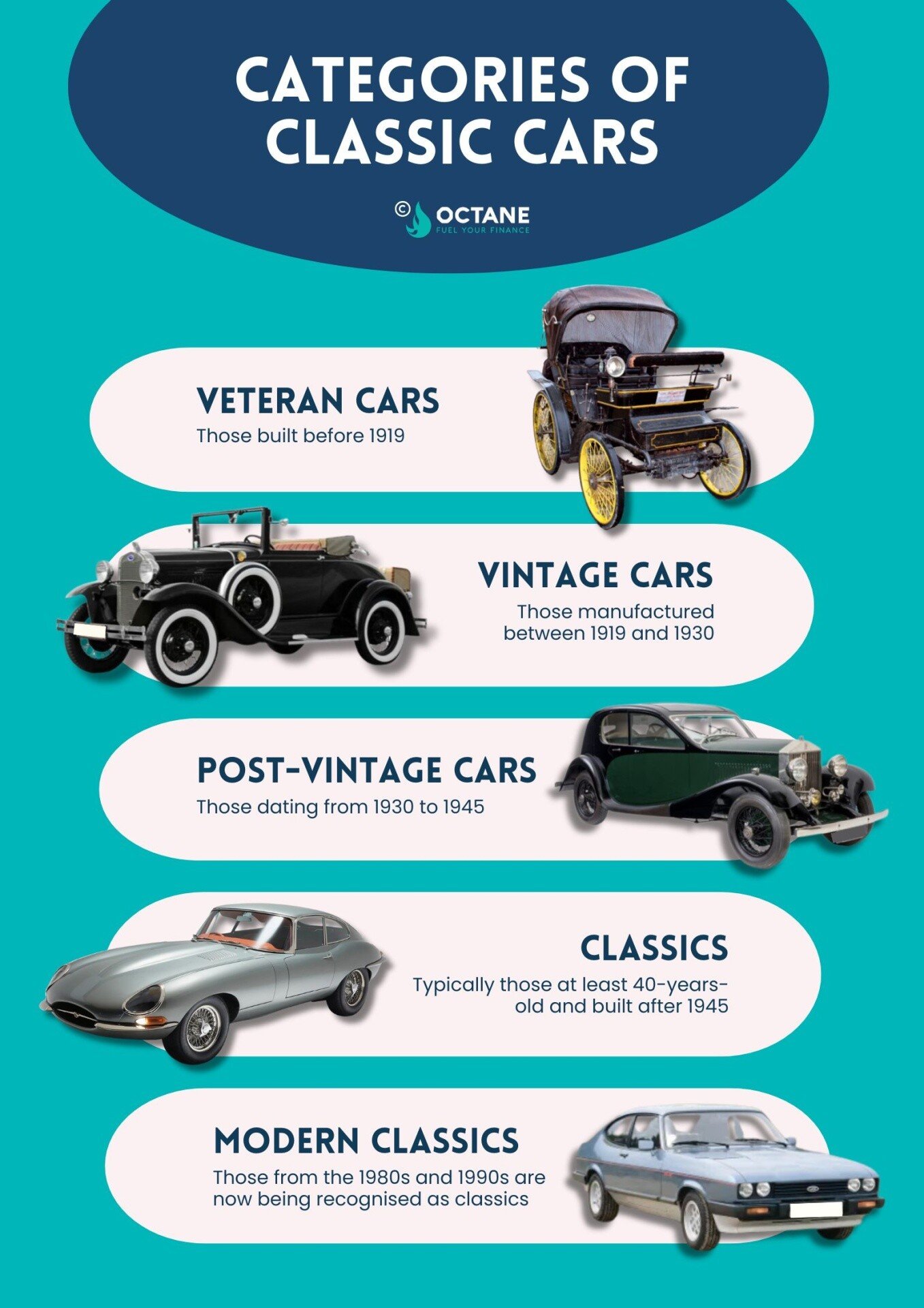
The most immediate differentiator for a classic car is undoubtedly its age. However, the specific age threshold is not universally agreed upon and can vary significantly depending on the context, be it for insurance purposes, registration, collector clubs, or regulatory bodies. This variation is a testament to the subjective nature of “classic” and how different entities define it based on their operational needs and the characteristics they wish to promote.
Regulatory Definitions: A Spectrum of Age and Purpose
Governmental agencies and automotive organizations often establish age-based criteria for vehicle classification. For instance, in many jurisdictions, a car might be considered “antique” or “historic” once it reaches a certain age, often around 25 or 30 years old. These designations typically come with specific benefits, such as reduced registration fees, relaxed emissions testing requirements, or specialized insurance policies. These regulations, while practical, don’t always capture the full essence of what makes a car culturally “classic.” They provide a baseline for legal and practical considerations but often fall short of encompassing the intangible qualities that resonate with enthusiasts and collectors.
Collector and Enthusiast Club Standards: Beyond the Calendar
Beyond official regulations, dedicated collector and enthusiast clubs often establish their own definitions. These groups may have stricter age requirements, perhaps focusing on vehicles that are at least 40 or 50 years old, or they might prioritize models that represent significant milestones in automotive history or design. For these organizations, a car’s classic status is also tied to its rarity, its originality, and its ability to evoke a specific period. Their definitions are often more fluid, taking into account the cultural zeitgeist surrounding a particular model and its impact on the broader automotive landscape. The social capital and shared passion within these communities play a significant role in solidifying a car’s classic status, creating a collective brand identity for these esteemed vehicles.
Beyond the Blueprint: Design, Engineering, and Brand Innovation
While age is a primary factor, a car’s journey to becoming a classic is profoundly shaped by its design, engineering, and the innovative spirit of its parent brand. These elements contribute to a vehicle’s lasting appeal and its ability to transcend its original purpose, becoming a symbol of its time and a coveted object for generations. The success of a brand is often measured by the longevity and desirability of its creations, and classic cars are the ultimate testament to that success.
Iconic Styling: Sculpting Automotive Identity
The visual language of a car is paramount to its classic status. Cars that are celebrated as classics often possess design elements that were revolutionary for their time, aesthetically groundbreaking, or have simply aged gracefully, retaining their beauty and sophistication. Think of the sweeping lines of a 1960s Jaguar E-Type, the muscular stance of a 1969 Dodge Charger, or the elegant simplicity of a 1950s Volkswagen Beetle. These are not just cars; they are automotive sculptures that have left an indelible mark on the history of design. Their distinctive silhouettes and meticulous detailing contribute to their enduring brand recognition, making them instantly identifiable and highly desirable. The success of a car’s design is not just about immediate appeal; it’s about creating a visual legacy that continues to captivate.
Engineering Prowess and Technological Milestones: Brands Shaping the Future
A car’s technical merit and innovative features also play a crucial role in its ascension to classic status. Vehicles that introduced groundbreaking engineering, pushed the boundaries of performance, or incorporated pioneering technologies often become benchmarks in automotive history. The original Ford Mustang, for example, defined the “pony car” segment, offering sporty styling and performance at an accessible price, a testament to Ford’s brand strategy. Similarly, the introduction of advanced engine technologies, novel suspension systems, or pioneering safety features in certain models can elevate them beyond their peers. These engineering feats not only defined their era but also set new standards for the automotive industry, solidifying the reputation and brand legacy of the manufacturers. These innovations are the building blocks of a brand’s narrative and its contribution to progress.
Cultural Resonance and Historical Significance: Cars as Brand Ambassadors of Their Time
The most potent classic cars are those that have become interwoven with the fabric of society, reflecting and influencing cultural trends, and marking significant historical moments. These vehicles often transcend their utilitarian function to become cultural icons, representing a particular era’s spirit, aspirations, and values. Their brand appeal is amplified by their association with significant historical narratives and their ability to evoke nostalgia.
A Reflection of the Times: Cars as Cultural Icons
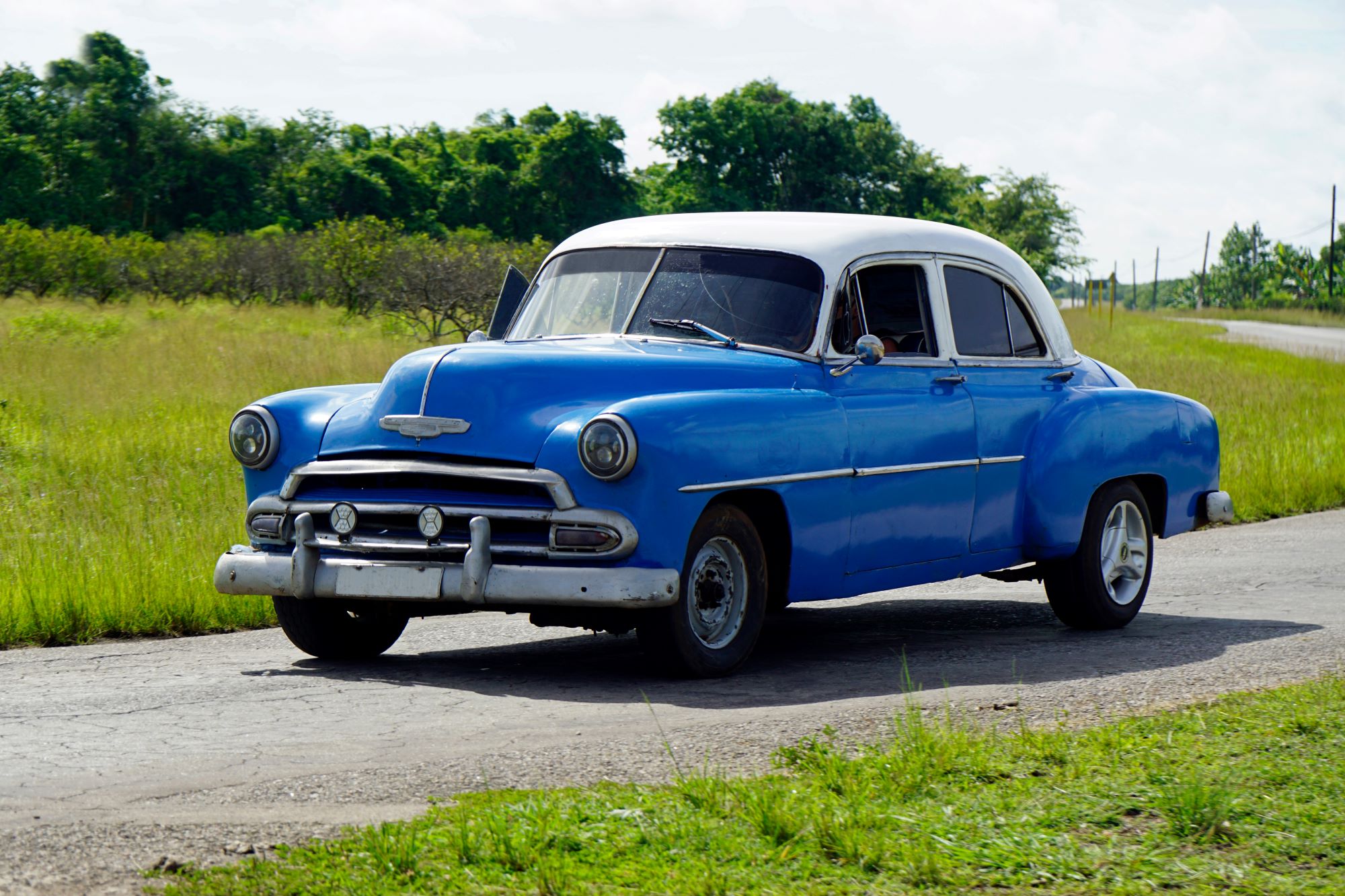
Certain cars become synonymous with specific decades or cultural movements. The Chevrolet Bel Air, with its fins and chrome, is an enduring symbol of 1950s American optimism and post-war prosperity. The Mini Cooper, with its go-kart handling and compact size, captured the spirit of rebellion and fun in the 1960s. These vehicles are more than just modes of transport; they are tangible representations of historical periods and societal shifts. Their presence in films, music, and popular culture further cements their status, creating a powerful brand association that transcends the vehicle itself and connects deeply with consumers’ memories and emotions.
Rarity, Provenance, and the Allure of the Unique: Building Brand Exclusivity
While mass-produced cars can become classics, rarity often enhances a vehicle’s desirability and its perceived brand value. Limited production runs, special editions, or models with unique historical provenance – such as celebrity ownership or participation in significant events – can significantly boost a car’s status. This exclusivity transforms a vehicle from a mere object into a collectible piece of art with a compelling story. For collectors, the acquisition of such a car is not just about ownership; it’s about preserving a piece of history and owning a tangible asset with a unique narrative, much like acquiring a rare piece of art or a limited-edition product from a luxury brand. The rarity itself becomes a key element of the brand’s narrative.
The Enduring Brand Value of Classic Cars: More Than Just Metal
The classification of a “classic car” is a multifaceted concept, extending far beyond a simple age cutoff. It’s a recognition of a vehicle’s enduring aesthetic appeal, its innovative engineering, and its profound cultural and historical significance. These elements combine to create a powerful and lasting brand value, making classic cars highly sought after by collectors, enthusiasts, and investors alike. They are not just remnants of the past but vibrant embodiments of automotive excellence and cultural narratives that continue to resonate.
Investment and Appreciation: The Tangible Asset of Brand Legacy
For many, the appeal of classic cars also lies in their potential as investments. Well-maintained and historically significant classic cars can appreciate significantly in value over time, offering a tangible asset that combines passion with financial prudence. The market for classic cars is driven by a complex interplay of rarity, condition, provenance, and the overall desirability of a particular model and its associated brand. Understanding the nuances of this market requires an appreciation for the intrinsic qualities that make a car a classic – its design, its engineering, its history, and its place in the broader narrative of automotive brands. The enduring appeal of these vehicles ensures their brand value remains strong.
Preserving Heritage and Connecting Generations: The Emotional Brand Connection
Ultimately, classic cars serve as bridges to the past, allowing us to connect with different eras and appreciate the evolution of automotive design and technology. They are tangible pieces of history that can be experienced and enjoyed, fostering a deep emotional connection with their owners and admirers. The act of restoring and preserving a classic car is a labor of love that honors its original brand promise and its contribution to automotive heritage. This emotional brand connection is what truly defines a classic car, ensuring its legacy and desirability endure for generations to come. They represent a timeless commitment to quality and a narrative that continues to inspire.
aViewFromTheCave is a participant in the Amazon Services LLC Associates Program, an affiliate advertising program designed to provide a means for sites to earn advertising fees by advertising and linking to Amazon.com. Amazon, the Amazon logo, AmazonSupply, and the AmazonSupply logo are trademarks of Amazon.com, Inc. or its affiliates. As an Amazon Associate we earn affiliate commissions from qualifying purchases.