
In the landscape of modern television, few franchises possess the brand equity of ABC’s Grey’s Anatomy. Central to its initial success was the character of Dr. Preston Burke, a world-class cardiothoracic surgeon whose presence anchored the show’s prestige and romantic tension. However, the sudden and dramatic disappearance of Dr. Burke from the halls of Seattle Grace Hospital was not merely a narrative choice; it was a watershed moment in corporate brand protection and personal brand volatility.
When we ask “what happened to Dr. Burke,” we are not just exploring the fate of a fictional character. We are analyzing a high-stakes case study in how a major media brand—Shondaland and ABC—manages a reputational crisis, protects its corporate identity, and eventually utilizes strategic nostalgia to reinforce long-term brand loyalty.
The Personal Brand Implosion: Isaiah Washington and Reputational Risk
The departure of Dr. Burke was precipitated by an off-screen event that remains one of the most cited examples of personal brand implosion in the entertainment industry. Isaiah Washington, the actor who portrayed Burke, became embroiled in a workplace controversy involving a homophobic slur directed at a co-star. This incident transformed a valuable brand asset (the character of Burke) into a significant brand liability.
The Incident and Immediate PR Fallout
In the world of brand strategy, “Reputational Risk” is the potential for negative publicity or public perception to result in a loss of revenue or market share. For Grey’s Anatomy, which was marketing itself as a progressive, inclusive, and emotionally intelligent drama, Washington’s actions created a direct conflict with the brand’s core values.
The immediate PR fallout was intense. Stakeholders—including viewers, advertisers, and the cast—demanded a response. When a personal brand (Washington) clashes so violently with the corporate brand (ABC/Disney), the corporate brand must prioritize its own longevity. The decision to terminate Washington’s contract was a clear exercise in brand boundary-setting: protecting the collective identity by excising the problematic element.
Rebranding Through Accountability: Shondaland’s Stance
Shonda Rhimes, the architect of the Shondaland brand, utilized this crisis to solidify her own brand identity as a leader who prioritizes workplace culture over star power. By removing a lead character at the height of his popularity, Rhimes sent a powerful message to the market: the “Shondaland” brand stands for safety, inclusivity, and professional integrity.
This move effectively rebranded the show from a vehicle for individual stars into an ensemble powerhouse where the “system” (the show’s writing and values) was more important than any single “part” (the actor). For businesses, this illustrates a vital lesson: a brand’s health is often measured by its willingness to defend its values, even at a short-term cost to the product.
Character Exit as Brand Strategy: Preserving Narrative Equity
From a narrative branding perspective, “what happened to Dr. Burke” had to be handled with surgical precision. The writers had to remove the character in a way that didn’t destroy the emotional investment of the audience, particularly regarding his relationship with Cristina Yang.
The “Ghost” of Burke: Maintaining Brand Continuity
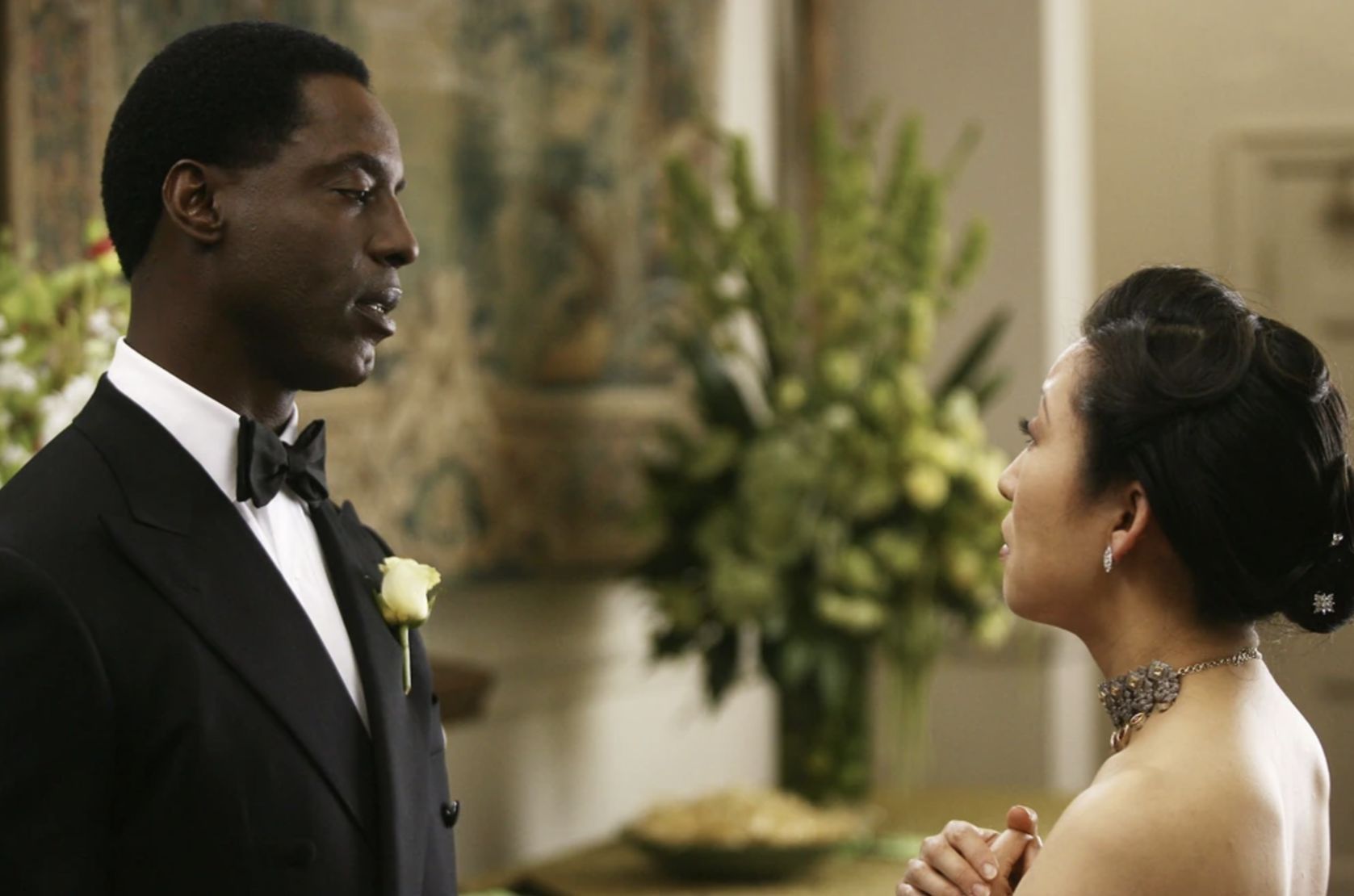
Burke’s exit was famously abrupt—leaving Cristina at the altar and vanishing from the city. From a brand management standpoint, this created a “phantom asset.” For years, the character of Burke existed as a reference point, a benchmark of excellence that influenced Cristina’s character development.
By not killing off the character, the show’s producers kept his “brand equity” intact within the universe. He remained a legendary figure in the show’s lore. This allowed the brand to maintain continuity without the physical presence of the actor, proving that a well-constructed brand identity can survive the loss of its primary ambassador if the narrative foundation is strong enough.
The 2014 Return: Strategic Nostalgia in Brand Management
Seven years after his departure, Dr. Burke returned for a single episode to facilitate the exit of Sandra Oh (Cristina Yang). This was a masterclass in strategic nostalgia. In branding, nostalgia is a powerful tool to re-engage “lapsed” consumers and reward “loyalist” consumers.
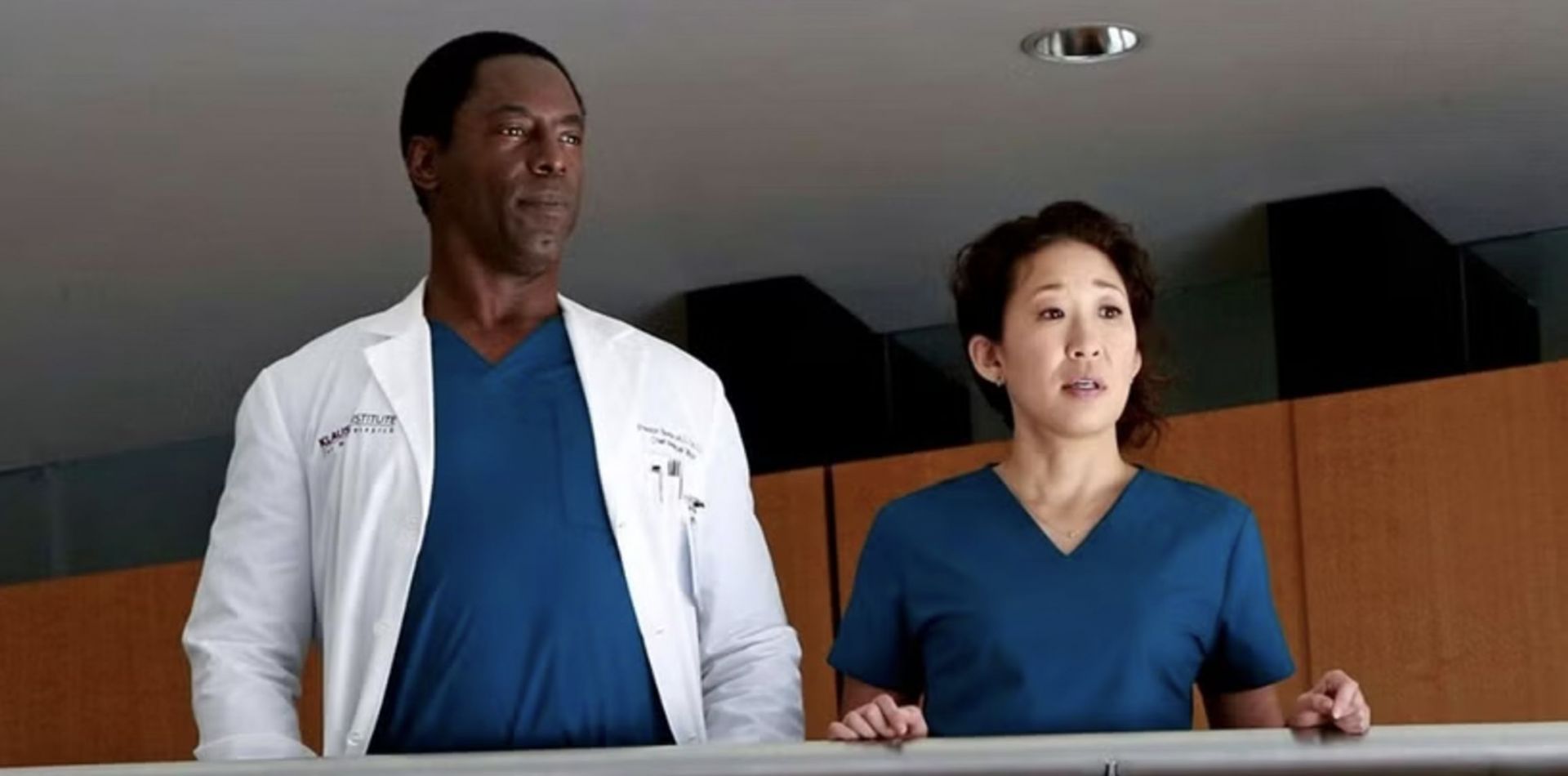
The return was managed as a high-value event. It served to “close the loop” on a brand story that had been left open for nearly a decade. By bringing Burke back in a controlled, professional, and narratively satisfying way, ABC effectively rehabilitated the character’s legacy while providing a “brand hand-off” from one era of the show to the next. It showed that even a “damaged” brand element can be redeemed and repurposed for a specific, high-impact objective.
Corporate Identity and Crisis Management: Lessons from ABC and Disney
The handling of Dr. Burke’s exit reflects the broader corporate identity of Disney (ABC’s parent company). As a global brand that prides itself on family-friendly and socially responsible content, Disney cannot afford to be associated with workplace toxicity.
Protecting the ‘Grey’s Anatomy’ IP
The Grey’s Anatomy Intellectual Property (IP) is worth billions in syndication, streaming rights, and international licensing. When the Dr. Burke crisis hit, the “brand managers” (executives and producers) had to look at the long-term valuation of the IP.
Allowing Washington to stay would have invited ongoing protests, potential boycotts, and a permanent “asterisk” next to the show’s name in history. By acting decisively, they ensured the IP remained “clean” for future viewers. Today, a new viewer binge-watching the show on Netflix sees Burke’s exit as a dramatic plot twist, largely unaware of the corporate fires that were fought behind the scenes to keep the brand’s reputation intact.
Setting the Industry Standard for Workplace Culture as a Brand Asset
The “Burke incident” served as a precursor to the modern era of brand accountability. It established a precedent in the television industry: that the “Internal Brand” (the culture of the staff and crew) is just as important as the “External Brand” (the show the audience sees).
Modern brands now understand that their internal culture is a public-facing asset. If your internal culture is fractured, it will eventually leak into your external brand. ABC’s decisive action regarding Dr. Burke was an early example of a corporation recognizing that its internal ethics are an inseparable part of its market value.
Long-Term Brand Resilience: What Can Modern Businesses Learn?
The saga of Dr. Burke offers several insights for modern brand managers, entrepreneurs, and corporate leaders regarding resilience and the inevitability of change.
The Pivot: From Individual Stars to the Ensemble Brand
One of the greatest risks to any brand is “Key Person Dependency.” If a brand is too closely tied to one individual—whether a CEO, a spokesperson, or a lead actor—the brand is vulnerable to that person’s mistakes.
The exit of Dr. Burke forced Grey’s Anatomy to pivot toward a true ensemble brand. The writers began to distribute “narrative weight” more evenly across the cast. This diversification of brand assets made the show more resilient. When other major stars (like Patrick Dempsey or Katherine Heigl) eventually left, the brand was already conditioned to survive. Business leaders should similarly aim to build a brand that is bigger than any one person, ensuring that the “corporate story” continues even if a “lead character” departs.
Measuring Brand Impact Post-Exit
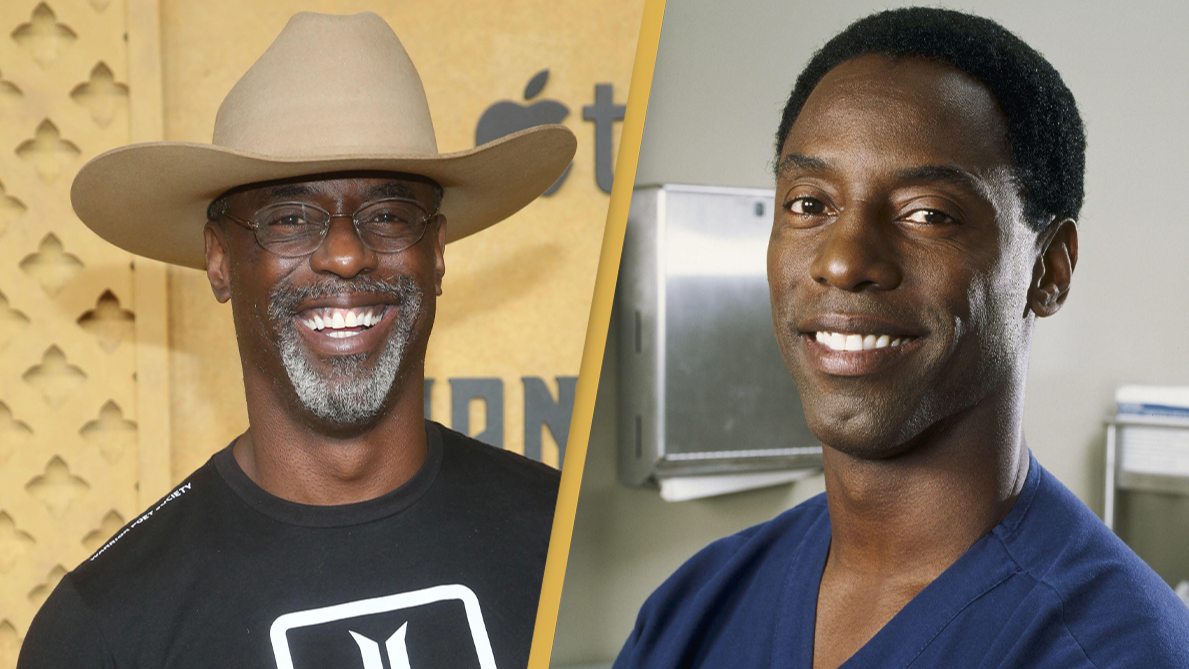
Finally, “what happened to Dr. Burke” teaches us about the importance of measuring the long-term impact of a crisis. Following Washington’s departure, the show did not see a decline in ratings; in fact, it entered its most critically acclaimed era.
This suggests that consumers are often more loyal to the brand experience (the writing, the tone, the world-building) than they are to a specific brand feature (a single character). When faced with a crisis, brand managers must identify what their customers truly value. In this case, the audience valued the emotional journey of the remaining characters more than the presence of Dr. Burke. By leaning into those core values, the brand not only survived but thrived.
In conclusion, the story of Dr. Burke is a complex narrative of how personal brand failures can be mitigated through strong corporate leadership and strategic narrative planning. It highlights the necessity of protecting brand equity at all costs and demonstrates that with the right crisis management strategy, a brand can turn a potential disaster into a defining moment of strength and integrity. “What happened to Dr. Burke” was a tragedy for the character, a professional setback for the actor, but ultimately, a strategic triumph for the Grey’s Anatomy brand.
aViewFromTheCave is a participant in the Amazon Services LLC Associates Program, an affiliate advertising program designed to provide a means for sites to earn advertising fees by advertising and linking to Amazon.com. Amazon, the Amazon logo, AmazonSupply, and the AmazonSupply logo are trademarks of Amazon.com, Inc. or its affiliates. As an Amazon Associate we earn affiliate commissions from qualifying purchases.