
Securing a home loan is a multifaceted journey, often marked by several distinct stages of evaluation and commitment from lenders. Among these stages, “conditional approval” stands as a critical juncture, signifying a significant step forward in the home buying process. Far more substantial than a pre-qualification but not yet the final green light, understanding conditional approval is paramount for any prospective homeowner navigating the complexities of mortgage financing.
Understanding the Home Loan Approval Process
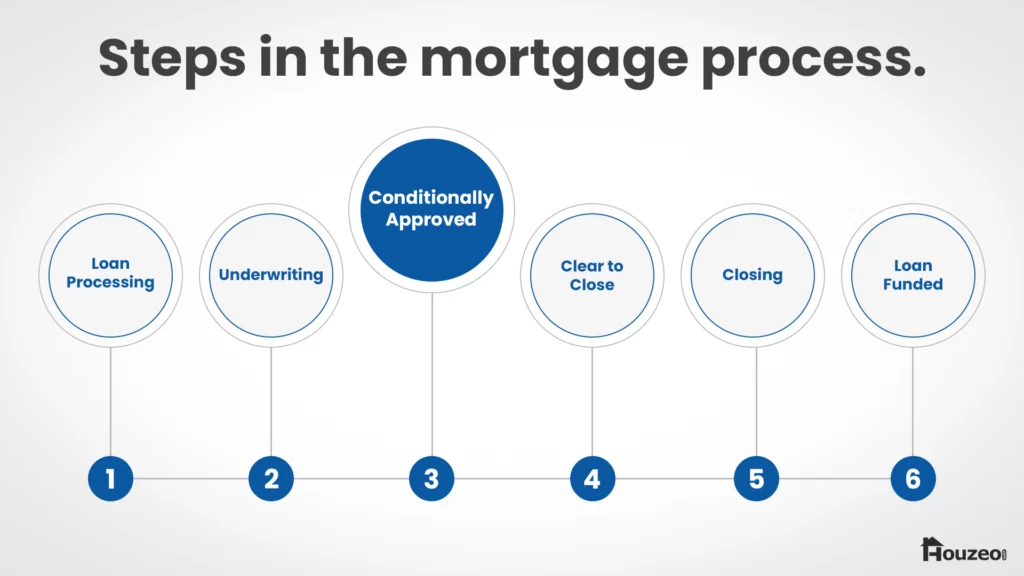
Before delving into the specifics of conditional approval, it’s essential to frame it within the broader context of the home loan application process. This journey typically involves several key stages, each designed to assess a borrower’s creditworthiness, financial stability, and the property’s value.
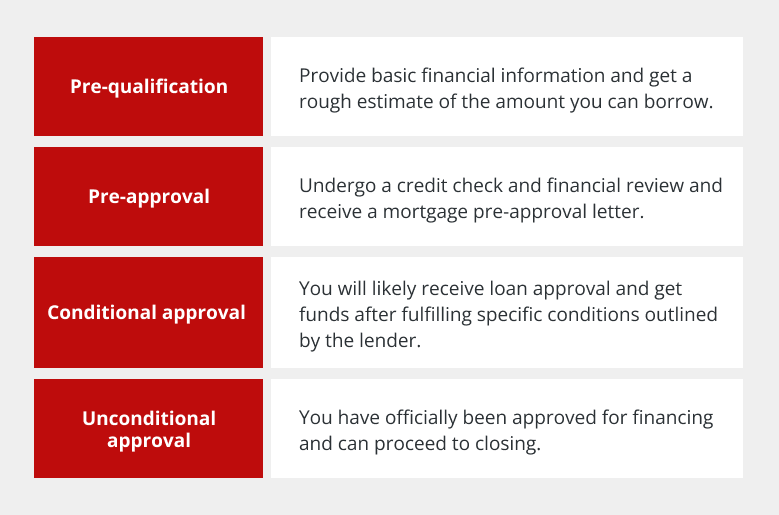
- Pre-qualification: This is an initial, informal assessment based on a brief discussion with a lender about your income, debts, and assets. It provides a rough estimate of how much you might be able to borrow, without any verification of information. It’s useful for setting expectations but carries no weight as a commitment from the lender.
- Pre-approval: A more rigorous step than pre-qualification, pre-approval involves a preliminary review of your financial information, including a credit check, income verification, and asset review. Based on this, the lender issues a letter stating the amount you are approved for, contingent on a full underwriting review and the property’s suitability. This letter is crucial for making competitive offers on homes, signaling to sellers that you are a serious and qualified buyer.
- Conditional Approval: This is where the loan application moves from preliminary assessment to a deep dive. After you’ve found a property and made an offer, and the lender has reviewed your application, they may issue a conditional approval. This signifies that the lender is largely satisfied with your financial profile and intends to lend you the money, provided certain conditions are met. It’s a commitment with stipulations.
- Final Approval (Clear-to-Close): Once all specified conditions have been met and verified, the loan moves to final approval. This means the lender has completed its due diligence and is ready to fund the loan.
- Closing: The final stage where all documents are signed, funds are transferred, and ownership of the property officially changes hands.
The Specifics of Conditional Approval
Conditional approval essentially means that an underwriter has reviewed your loan application, your financial documentation, and potentially initial property information, and has determined that you qualify for the loan if you can satisfy certain outstanding requirements. It’s a statement of intent from the lender, signaling that the major hurdles have been cleared, but a few crucial pieces of information or actions are still needed to finalize the agreement.
Key Conditions You Might Encounter
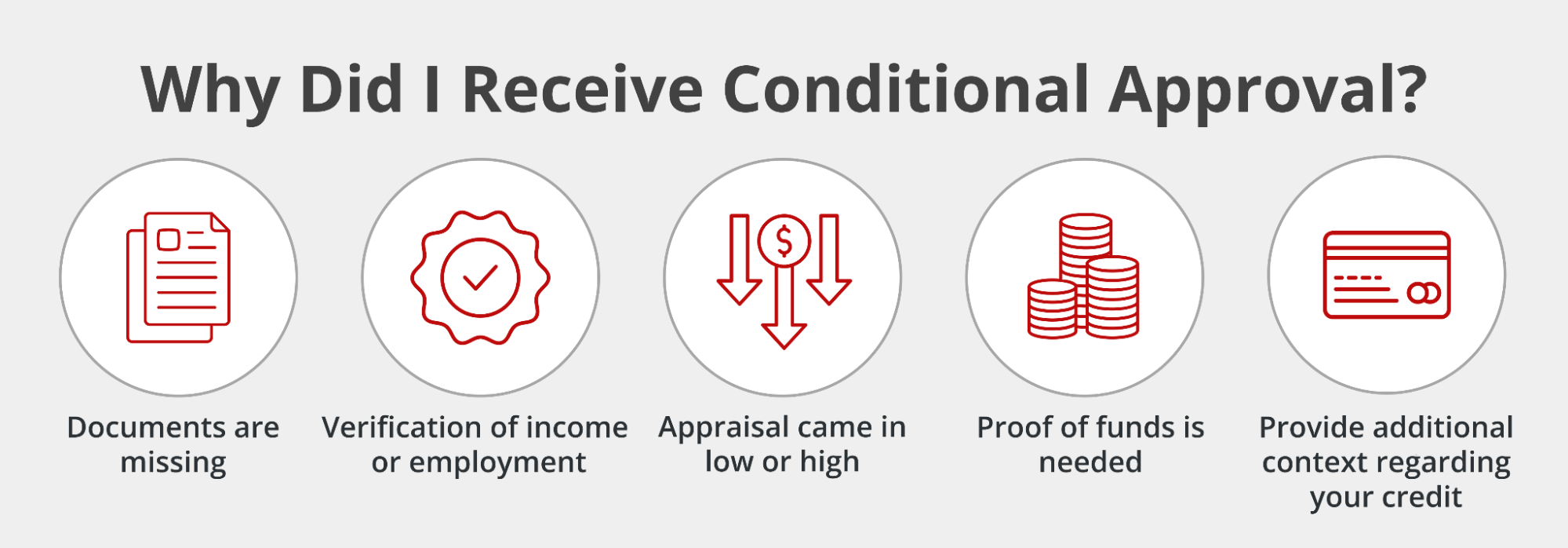
The conditions attached to an approval can vary widely depending on the individual borrower, the property, and the lender’s specific policies. However, some common conditions include:
- Property Appraisal: The lender will require an independent appraisal to confirm that the property’s value is at least equal to the purchase price (or loan amount). This protects the lender’s investment, ensuring they aren’t lending more than the collateral is worth.
- Home Inspection: While often a buyer’s contingency, lenders may require proof of a satisfactory home inspection to ensure the property is structurally sound and free from major defects that could impact its long-term value or safety.
- Income and Employment Verification: Even if initially verified, lenders might request the most recent pay stubs, W-2s, or tax returns to confirm ongoing employment and consistent income leading up to closing. For self-employed individuals, this could involve profit and loss statements or bank statements.
- Bank and Asset Verification: Updated bank statements might be requested to confirm that you still have the necessary funds for the down payment and closing costs, and that no significant unexplained transactions have occurred.
- Title Search and Insurance: The lender will require a title search to ensure there are no liens, claims, or disputes over the property’s ownership. Title insurance will also be required to protect both the lender and the buyer against future claims to the property.
- Homeowner’s Insurance: Proof of a homeowner’s insurance policy, typically paid for the first year upfront, is a standard condition. This protects the property against damage and is a mandatory requirement for all lenders.
- Satisfying Underwriter Inquiries: Underwriters often have follow-up questions or requests for clarification on specific items in your financial history or documentation. This could range from explaining a large deposit to providing documentation for a past address.
- Proof of Sale of Current Home: If your new home purchase is contingent on the sale of your current property, the lender will require documentation confirming its sale.
Why Lenders Issue Conditional Approvals
Lenders use conditional approval as a risk management tool. It allows them to commit to a loan while ensuring all necessary safeguards are in place. By itemizing specific requirements, they can systematically reduce their exposure to risk related to the borrower’s ability to repay, the property’s value, and the legal clarity of the transaction. It signifies that the application has passed the initial credit and income screening, but now needs to meet all remaining regulatory and internal criteria for a fully secured loan.
What Happens After Conditional Approval?
Receiving conditional approval is a cause for relief, but not relaxation. This phase demands prompt and meticulous action from the borrower.
Satisfying the Conditions
Your loan officer or processor will provide you with a detailed list of all outstanding conditions. Your primary responsibility is to gather the requested documentation or facilitate the necessary actions (like scheduling inspections or appraisals) as quickly and accurately as possible. Delays in providing information can push back your closing date, potentially jeopardizing your purchase agreement.
It’s crucial to:
- Communicate Clearly: If you’re unsure about a condition or need clarification, ask your loan officer immediately.
- Be Proactive: Don’t wait until the last minute to gather documents. Some items, like updated tax returns or specific letters, may take time to obtain.
- Avoid Major Financial Changes: During this period, it’s absolutely vital to maintain your financial stability. Do not:
- Change jobs or employment status.
- Make large purchases (like a car or furniture) on credit.
- Open new credit accounts or close existing ones.
- Take out new loans.
- Make large, unexplained deposits to your bank account without documentation.
Any of these actions can trigger a re-evaluation of your loan and potentially lead to a denial.
The Underwriter’s Final Review
Once all conditions are met, your file goes back to the underwriter for a final review. This is where they confirm that every condition has been satisfied to their standards. If everything checks out, they issue the “clear-to-close” notification, which means your loan has received final approval. This is the moment you can breathe a true sigh of relief, as it signals the imminent scheduling of your closing.
Navigating Potential Hurdles
While conditional approval is a positive sign, it doesn’t guarantee final approval. Unforeseen issues or a failure to meet conditions can still derail the process.
Common Roadblocks
- Low Appraisal: If the appraisal comes in lower than the agreed-upon purchase price, the lender may not approve the full loan amount. This can require the buyer to come up with more cash, renegotiate the purchase price, or walk away from the deal.
- Inspection Issues: Significant structural problems or repair needs uncovered during a home inspection can lead to renegotiations or the buyer pulling out of the purchase. While not always a direct lender condition, it can impact the buyer’s ability or willingness to proceed.
- Changes in Financial Standing: As mentioned, any sudden changes to your credit score, employment, or debt-to-income ratio can flag your application for re-evaluation and potential denial.
- Documentation Discrepancies: Inconsistencies or missing information in provided documents can prolong the process or raise red flags.
Communication Is Key
Maintaining open and honest communication with your loan officer, real estate agent, and attorney (if applicable) is critical. If you anticipate issues in meeting a condition or if your financial situation changes, inform your loan officer immediately. They can often provide guidance on how to address the situation or adjust the process where possible. Hiding information or delaying communication will only complicate matters.
Strategies for a Smooth Transition to Final Approval
To ensure a seamless transition from conditional to final approval, consider these strategies:
- Stay Organized: Keep all your financial documents readily accessible. Create a dedicated folder for your loan application paperwork.
- Be Responsive: Respond to requests from your loan officer or processor promptly. Time is often of the essence.
- Read Everything Carefully: Understand each condition and what is required to satisfy it. If anything is unclear, ask for clarification.
- Avoid Financial Risks: Refrain from making any financial decisions that could impact your credit score, debt-to-income ratio, or asset verification. This includes buying a new car, opening new credit cards, or making large cash withdrawals.
- Maintain Communication with Your Team: Keep your real estate agent informed of your loan status, especially if there are any delays or issues that might affect the closing date.
Conditional approval is a major milestone in the home loan process, indicating that your application is largely approved, pending the fulfillment of specific requirements. By understanding what it entails, diligently meeting all conditions, and maintaining financial discipline, you can successfully navigate this critical phase and move confidently toward securing your dream home.
aViewFromTheCave is a participant in the Amazon Services LLC Associates Program, an affiliate advertising program designed to provide a means for sites to earn advertising fees by advertising and linking to Amazon.com. Amazon, the Amazon logo, AmazonSupply, and the AmazonSupply logo are trademarks of Amazon.com, Inc. or its affiliates. As an Amazon Associate we earn affiliate commissions from qualifying purchases.