
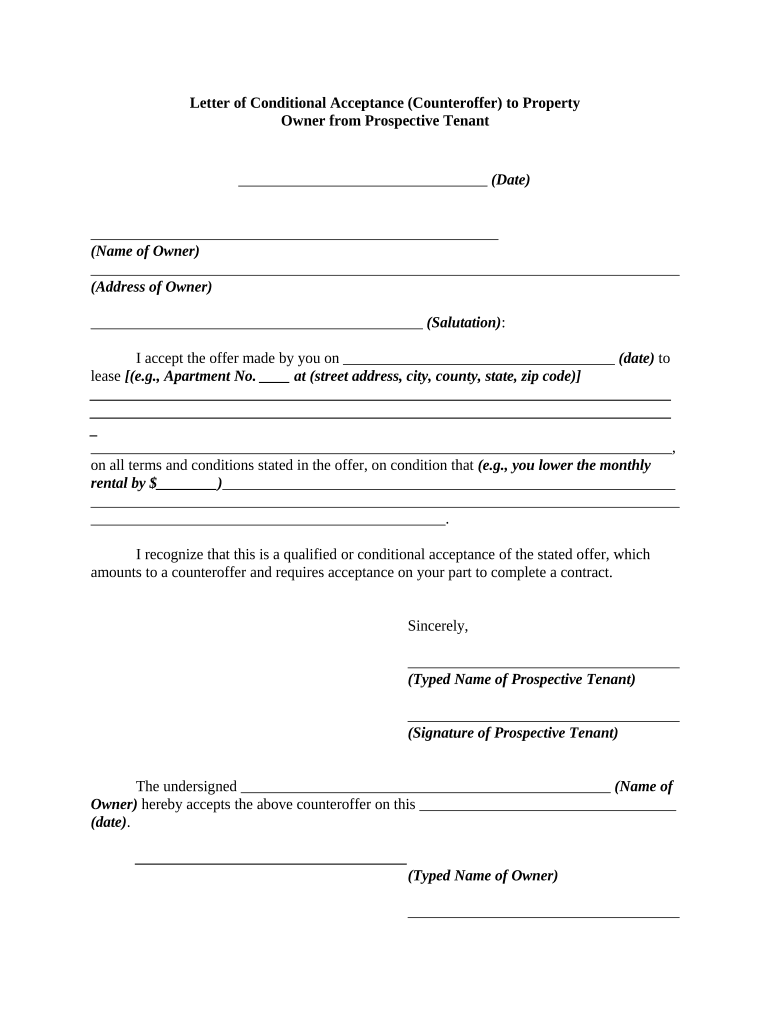
Conditional acceptance is a foundational concept across numerous financial and business domains, signifying an agreement that is not yet final but is contingent upon the fulfillment of specific criteria or conditions. Unlike an outright acceptance, which fully commits both parties, a conditional acceptance reserves the right to withdraw or modify the agreement if the stipulated prerequisites are not met within an agreed timeframe. This mechanism introduces a layer of protection and flexibility, allowing parties to proceed with negotiations and planning while ensuring that critical underlying factors are resolved to their satisfaction. It is a vital tool for risk management, providing a framework where complex transactions can progress systematically, subject to the validation of assumptions or the completion of necessary steps.
Understanding the Core Concept
At its heart, conditional acceptance is a strategic maneuver that bridges the gap between an initial proposal and a firm, binding commitment. It transforms a simple “yes” into a “yes, if,” thereby embedding specific requirements into the fabric of the agreement. These conditions can vary widely, from financial checks and property inspections to regulatory approvals or the sale of an existing asset. The party extending the conditional acceptance is essentially stating that they are willing to proceed, provided that the specified conditions are satisfied by the other party or by external circumstances.
The legal and financial implications of conditional acceptance are significant. Until all conditions are met and waived, the agreement typically remains non-binding or can be rescinded without penalty, allowing either party to walk away if a condition fails. This makes the precise articulation of conditions paramount. Vague or ambiguous conditions can lead to disputes and legal challenges, undermining the very protection they are designed to offer. Therefore, clear, measurable, and time-bound conditions are essential for effective conditional acceptance. This principle applies whether one is navigating a personal finance decision like buying a home or executing a multi-million-dollar business acquisition.
Conditional Acceptance in Real Estate Transactions
Perhaps one of the most common and relatable applications of conditional acceptance is found in real estate. When a buyer submits an offer to purchase a property, it is rarely an unconditional acceptance of the asking price and terms. Instead, most offers are laden with conditions designed to protect the buyer’s interests and ensure the property meets their expectations and financial capabilities.
Common Real Estate Conditions
- Financing Condition: This is arguably the most prevalent condition. A buyer’s offer is conditional upon them securing the necessary mortgage financing from a lender. If the buyer is unable to obtain a mortgage, often due to an unfavorable appraisal, a change in their financial situation, or other lender requirements, they can withdraw their offer without losing their deposit.
- Home Inspection Condition: Buyers typically include a condition allowing them to conduct a professional home inspection within a specified period. Should the inspection reveal significant structural issues, major repairs, or health hazards, the buyer can either negotiate a lower price, request repairs, or back out of the deal.
- Appraisal Condition: Similar to the financing condition, this ensures the property appraises for at least the purchase price. Lenders will only finance based on the appraised value, so if the appraisal comes in lower, the buyer may need to cover the difference or renegotiate.
- Sale of Current Home Condition: For buyers who need to sell their existing property to fund their new purchase, this condition makes the new offer contingent on the successful sale of their current home by a certain date. This protects them from carrying two mortgages or being forced into an unfavorable sale.
- Title Search and Survey Conditions: These ensure that the property has a clear title, free of undisclosed liens or encumbrances, and that the boundaries and any easements are as expected.
The Buyer’s and Seller’s Perspectives
From a buyer’s perspective, conditions are indispensable safeguards. They provide an escape clause and leverage to ensure the investment is sound. Without conditions, a buyer could be legally bound to purchase a property they cannot afford, that has significant hidden defects, or whose value is overstated.
For sellers, while conditions introduce uncertainty and can extend the closing timeline, they are often a necessary part of the negotiation process. A seller might accept a conditional offer if it’s the best one available, if they believe the conditions are likely to be met, or if they have a backup offer in mind. In competitive markets, sellers might prefer offers with fewer or no conditions, often referred to as “clean offers,” as they represent a more straightforward path to closing. Navigating these conditional offers requires careful consideration of the market, the buyer’s credibility, and the specific terms of each condition.
The Role of Conditional Acceptance in Loan and Mortgage Approvals
Beyond real estate offers, conditional acceptance plays a pivotal role in the world of lending, particularly for mortgages and significant business loans. Lenders rarely provide outright approval without first attaching conditions that protect their investment and ensure the borrower’s eligibility and capacity to repay.
Conditional Approval vs. Full Approval
When a borrower applies for a loan, they often receive “conditional approval” first. This means the lender has reviewed the initial application, credit score, and financial information and believes the borrower is a good candidate for the loan. However, this approval is contingent upon verifying all the information provided and satisfying any outstanding requirements. It is a positive indicator, but it is not a guarantee of funds.
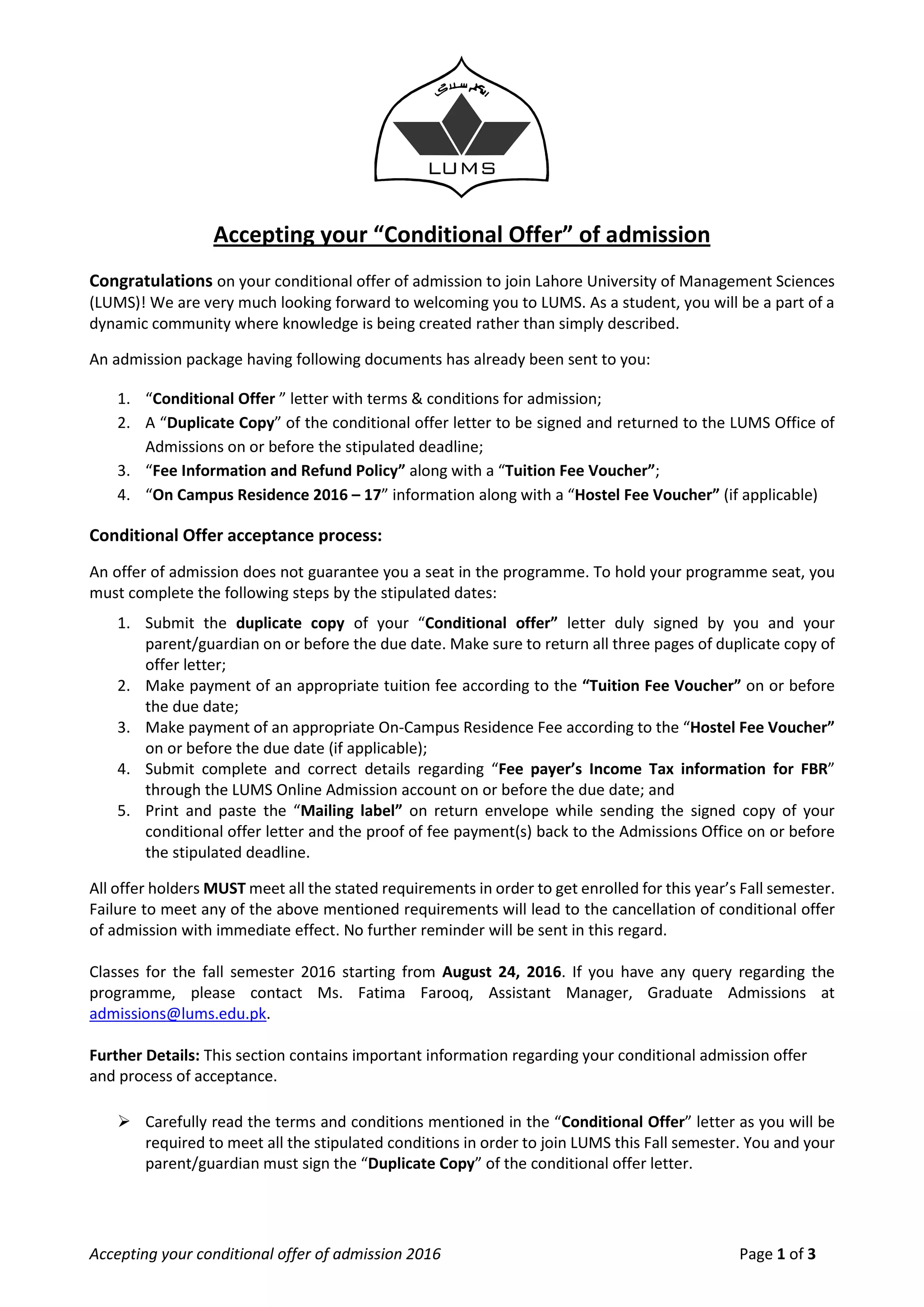
Full approval, or unconditional approval, only comes after all conditions have been met and the lender is completely satisfied. Until then, the borrower should refrain from making major financial commitments based solely on conditional approval, as the loan could still fall through.
Documentation and Verification Requirements
Lenders typically impose a range of conditions that must be fulfilled before a loan is fully approved and disbursed:
- Income and Employment Verification: This involves providing recent pay stubs, W-2 forms, tax returns, and employer verification to confirm stable income and employment history.
- Asset Verification: Bank statements, investment account statements, and other financial records are required to prove the existence of declared assets for down payments or reserves.
- Credit History Review: While an initial credit check is performed, lenders might require updated credit reports or explanations for certain credit events.
- Appraisal and Survey (for secured loans): For mortgages or other loans secured by property, an independent appraisal is crucial to ensure the collateral’s value supports the loan amount. A survey might also be required to confirm property boundaries.
- Insurance Requirements: Borrowers typically need to provide proof of adequate property insurance (for mortgages) or other forms of insurance to protect the lender’s interest.
- Title Clearance: For real estate-backed loans, a clear title free of outstanding liens or legal disputes is a non-negotiable condition.
- Satisfying “Prior to Funding” Conditions: These are specific items that must be addressed immediately before the loan funds are released, such as signing final loan documents or ensuring all fees are paid.
Failure to meet any of these conditions, or if the verification process uncovers discrepancies, can lead to the withdrawal of the conditional approval, leaving the borrower without the necessary funds.
Conditional Acceptance in Business Deals and Contracts
In the realm of business finance and corporate strategy, conditional acceptance is integral to managing the complexities and risks associated with mergers, acquisitions, strategic partnerships, and large-scale contracts. These deals often involve substantial capital, intricate legal structures, and significant operational changes, making unconditional acceptance highly risky.
Mergers, Acquisitions, and Partnership Agreements
When companies agree to merge, acquire another entity, or form a strategic partnership, the initial agreement is almost always conditional. The letter of intent (LOI) or memorandum of understanding (MOU) typically outlines the preliminary terms but is subject to extensive due diligence and the satisfaction of various regulatory and operational conditions.
Common conditions in M&A deals include:
- Regulatory Approvals: Obtaining clearance from antitrust authorities or industry-specific regulators is a common hurdle, especially in large mergers.
- Shareholder Approval: Both acquiring and target companies often require approval from their respective shareholders.
- Due Diligence: The buyer needs to conduct thorough investigations into the target company’s financial records, legal liabilities, contracts, intellectual property, and operational health. If due diligence uncovers significant undisclosed issues, the deal can be renegotiated or terminated.
- Financing Conditions: The acquiring company’s ability to secure the necessary financing for the acquisition is often a condition.
- Material Adverse Change (MAC) Clause: This condition allows a party to withdraw if unforeseen events significantly impact the value or prospects of the target company before closing.
- Key Personnel Retention: In some acquisitions, the continued employment of key management or employees is a critical condition for the deal to proceed.
Mitigating Risk with Conditions
Conditional acceptance in business contracts serves as a powerful risk mitigation tool. It allows parties to explore potential synergies and assess the viability of a deal without prematurely committing to a binding agreement that could prove detrimental. By setting clear conditions, businesses can systematically address potential liabilities, ensure compliance, and validate assumptions about the value and future performance of the transaction. This structured approach helps prevent costly mistakes and protects the financial interests of all involved stakeholders. It also provides a framework for transparent communication and negotiation, allowing for adjustments as new information comes to light during the due diligence process.

Navigating Conditional Offers: Best Practices
Whether you are a buyer, seller, borrower, or business entity, successfully navigating conditional acceptance requires strategic thinking and meticulous attention to detail.
- Clarity is King: Ensure all conditions are clear, specific, measurable, and have defined timelines. Vague conditions are a recipe for conflict.
- Due Diligence is Non-Negotiable: Thoroughly investigate and verify all claims and conditions. For buyers, this means comprehensive inspections and financial checks. For lenders, it means rigorous verification of borrower information. For businesses, it’s exhaustive due diligence.
- Understand Your Leverage: Know when you can afford to be firm on conditions and when you might need to be more flexible. Market conditions, urgency, and the uniqueness of the opportunity all play a role.
- Communicate Effectively: Keep all parties informed about the progress of meeting conditions. Delays or unexpected issues should be communicated promptly.
- Seek Expert Advice: Engage legal, financial, and real estate professionals. Their expertise can help draft robust conditions, interpret complex clauses, and guide you through the process, protecting your interests.
- Have Contingency Plans: Always consider what happens if a condition is not met. What are your alternatives? Can the deal be salvaged through renegotiation, or is it best to walk away?
Conditional acceptance is not merely a formality; it is a critical strategic element that underpins sound financial decision-making and robust business transactions. Mastering its nuances can significantly enhance your ability to achieve favorable outcomes while effectively managing risk.
aViewFromTheCave is a participant in the Amazon Services LLC Associates Program, an affiliate advertising program designed to provide a means for sites to earn advertising fees by advertising and linking to Amazon.com. Amazon, the Amazon logo, AmazonSupply, and the AmazonSupply logo are trademarks of Amazon.com, Inc. or its affiliates. As an Amazon Associate we earn affiliate commissions from qualifying purchases.