
In an increasingly cashless society, navigating the myriad of financial tools available can be a daunting task. While credit cards offer convenience and debit cards link directly to bank accounts, prepaid cards occupy a unique and increasingly vital space in the personal finance landscape. Far from being a niche product, prepaid cards serve a diverse demographic, offering a flexible and accessible way to manage money without the complexities of traditional banking or the risk of debt. Whether you’re looking for a budgeting tool, a safe way to shop online, an option for international travel, or a pathway to financial inclusion, understanding how to acquire and effectively use a prepaid card is a valuable skill. This comprehensive guide will demystify the process, from choosing the right card to managing its features and integrating it into your financial strategy.
Understanding Prepaid Cards: A Financial Tool for Everyone
Before diving into the acquisition process, it’s crucial to grasp what a prepaid card is, how it functions, and why it might be the right choice for your financial needs. Unlike other payment methods, prepaid cards operate on a “load-and-spend” model, placing control and clarity directly in the hands of the user.
What Exactly is a Prepaid Card?
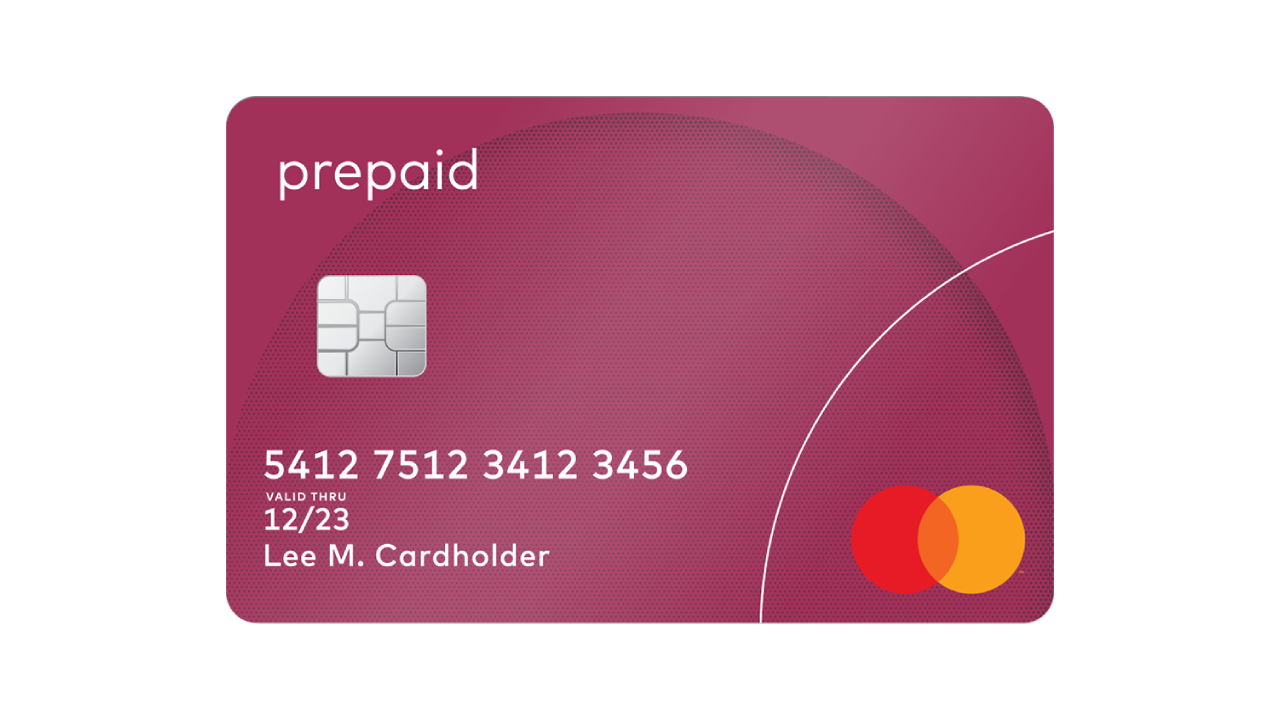
At its core, a prepaid card is a payment card that comes pre-loaded with funds. Think of it like a gift card, but typically more versatile and reloadable. You load money onto the card in advance, and then you can use it to make purchases anywhere the card network (e.g., Visa, Mastercard, American Express, Discover) is accepted. Crucially, you can only spend the amount of money that has been loaded onto the card, eliminating the possibility of overdrafts or accruing debt. This fundamental characteristic distinguishes it sharply from both debit and credit cards. A debit card draws funds directly from a linked bank account, while a credit card allows you to borrow money up to a credit limit, which you then repay with interest. Prepaid cards, by contrast, are self-contained financial instruments, independent of bank accounts or credit lines.
Why Consider a Prepaid Card?
The utility of prepaid cards extends across a wide spectrum of financial situations, making them a compelling option for many.
- Budgeting and Spending Control: Perhaps the most compelling reason, prepaid cards are excellent budgeting tools. By loading only a specific amount of money for certain expenses (like groceries, entertainment, or online shopping), users can effectively limit their spending and avoid overspending. This “envelope system” in digital form is highly effective for mindful money management.
- No Credit Check Required: Since you’re spending your own money, there’s no need for a credit check to get a prepaid card. This makes them accessible to individuals with no credit history, poor credit, or those who simply prefer not to deal with credit inquiries.
- Online and International Shopping: Prepaid cards offer a secure alternative for online purchases, protecting your primary bank account details. For international travel, they can be a safer option than carrying large amounts of cash and often come with competitive exchange rates and lower foreign transaction fees than some traditional bank cards.
- Financial Inclusion for the Unbanked: For millions globally who lack access to traditional bank accounts, prepaid cards serve as a vital bridge to the financial system. They allow for direct deposit of paychecks, easier bill payment, and participation in the digital economy, fostering greater financial inclusion.
- Allowance for Minors: Parents can use prepaid cards to give allowances to their children, teaching them financial responsibility in a controlled environment. They can monitor spending and reload funds as needed.
- Managing Recurring Payments: Some users utilize prepaid cards for subscriptions or recurring bills, isolating those expenses and preventing unexpected charges from impacting their main bank accounts.
Types of Prepaid Cards
While the core functionality remains consistent, prepaid cards come in a few variations:
- General Purpose Reloadable (GPR) Cards: These are the most common type, branded by major payment networks, and can be used almost anywhere. They are designed to be reloaded repeatedly and often come with features like direct deposit, online account management, and bill pay.
- Single-Use or Non-Reloadable Cards: Similar to gift cards, these are loaded once with a specific amount and cannot be reloaded. They’re typically used for gifts or one-off purchases.
- Travel Cards: Specifically designed for international travel, these often allow you to load multiple currencies and may offer advantageous exchange rates and reduced foreign transaction fees.
- Payroll Cards: Issued by employers, these allow employees to receive their wages directly onto the card, bypassing traditional bank accounts.
- Government Benefit Cards: Used by government agencies to disburse benefits like unemployment or food assistance.
The Step-by-Step Process to Acquire a Prepaid Card
Getting a prepaid card is generally straightforward, but knowing the steps and what to expect can make the process smoother and ensure you select the card best suited for your needs.
Researching and Choosing the Right Card
This is perhaps the most critical step. Not all prepaid cards are created equal, and their fee structures and features can vary significantly.
- Identify Your Needs: What do you primarily intend to use the card for? Budgeting, online shopping, travel, direct deposit, or something else? Your primary use case will guide your choice.
- Compare Providers: Major players include various banks, credit unions, and dedicated prepaid card providers (e.g., Netspend, Green Dot, Chime, PayPal Prepaid). Visit their websites and read reviews.
- Scrutinize the Fee Structure: This is paramount. Look for fees such as:
- Activation Fee: A one-time charge to get the card.
- Monthly Maintenance Fee: A recurring fee, though some cards waive it with direct deposit or minimum balance.
- Transaction Fees: Fees for each purchase (less common with GPR cards, more with temporary ones).
- Reload Fees: Charges for adding money to the card.
- ATM Withdrawal Fees: Both the card provider and the ATM owner might charge a fee.
- Inactivity Fees: If the card isn’t used for a certain period.
- Foreign Transaction Fees: For purchases made in a foreign currency.
- Balance Inquiry Fees: For checking your balance at an ATM.
- Check for Desired Features: Do you need direct deposit, online bill pay, mobile app access, FDIC insurance, or rewards programs?
- Read the Cardholder Agreement: This document contains all the terms and conditions, including all fees. It’s often dense, but essential reading.
Where to Purchase or Apply
Once you’ve narrowed down your choices, acquiring the card is the next step.
- Online Application: Many popular prepaid cards can be applied for directly through the provider’s website. This often involves filling out an online form and providing necessary identification. The card is then mailed to you.
- Retail Stores: General Purpose Reloadable cards are widely available at pharmacies (e.g., CVS, Walgreens), major retailers (e.g., Walmart, Target), and grocery stores. You typically purchase a starter kit, load initial funds, and then register the card online or by phone.
- Banks and Credit Unions: Some traditional financial institutions offer their own branded prepaid cards, which might provide benefits if you’re already a customer.
- Employer or Government Agencies: Payroll cards and government benefit cards are issued directly by these entities as a means of disbursing funds.
Essential Information and Documentation Required
While prepaid cards don’t require a credit check, federal regulations (like the USA PATRIOT Act) mandate identity verification to prevent money laundering and fraud, especially for reloadable cards.
- For Retail Purchases (Temporary Cards): Often, you can buy a temporary card with just cash, but its functionality might be limited (e.g., lower spending limits, no direct deposit) until you register it.
- For Online Applications and Full Registration: You will typically need to provide:
- Full Legal Name
- Residential Address
- Date of Birth
- Social Security Number (SSN) or Individual Taxpayer Identification Number (ITIN): This is standard for GPR cards to verify your identity.
- Government-Issued Photo ID: Such as a driver’s license or state ID, which you might need to scan or confirm details from.
- Email Address and Phone Number: For communication and account access.
This information is used to verify your identity, not to assess your creditworthiness. Once your identity is verified, your temporary card (if purchased in retail) can be fully activated, or your personalized card will be mailed to you.
Loading and Activating Your Card
- Initial Load: When purchasing from a retail store, you’ll usually load funds at the time of purchase. For online applications, you might set up an initial direct deposit or transfer funds from another account.
- Activation: Most cards require activation before use. This usually involves calling a toll-free number or activating online at the card provider’s website. You’ll often need to provide the card number, security code (CVV), and sometimes your date of birth or a PIN.
- Setting a PIN: For most cards, you’ll be prompted to set a Personal Identification Number (PIN) for ATM withdrawals and point-of-sale transactions.
Managing Your Prepaid Card: Fees, Features, and Best Practices
Acquiring a prepaid card is just the first step. Effective management is key to maximizing its benefits and avoiding unnecessary costs.
Deciphering Common Fees
As discussed, fees are the primary way prepaid card providers make money. Diligence here can save you a significant amount.
- Activation/Purchase Fees: A one-time fee to get the physical card. Try to find cards with low or no activation fees.
- Monthly Maintenance Fees: These can range from a few dollars to upwards of $10 per month. Many cards waive this fee if you meet certain criteria, such as setting up direct deposit or maintaining a minimum balance. Look for these waivers.
- Reload Fees: Fees incurred each time you add money to your card. Methods like direct deposit are often free, while cash loads at retail locations almost always incur a fee.
- ATM Fees: Expect to pay two fees: one from the card provider and one from the ATM owner, unless you use an in-network ATM provided by your card issuer. Plan your withdrawals to minimize these.
- Inactivity Fees: If your card isn’t used for a period (e.g., 90 days), a fee might be charged. Ensure you understand this clause if you plan infrequent use.
- Foreign Transaction Fees: Typically a percentage of the transaction amount when used abroad. Travel-specific prepaid cards often have lower or no foreign transaction fees.
- Other Fees: Be aware of fees for balance inquiries, customer service calls (rare but exists), or replacing a lost card.
Key Features to Look For
Beyond basic spending, modern prepaid cards offer a range of features that enhance their utility:
- Online Account Access & Mobile App: Essential for checking balances, transaction history, and managing settings conveniently.
- Direct Deposit: Allows you to have your paycheck or government benefits deposited directly onto your card, often waiving monthly fees and offering faster access to funds.
- Online Bill Pay: Many cards allow you to pay bills directly from your card balance, simplifying financial management.
- FDIC Insurance: Ensures your funds are protected up to $250,000 in case the card issuer (bank) fails. Always verify if your card offers this protection.
- Fraud Protection: Similar to debit and credit cards, major prepaid card networks offer zero-liability policies for unauthorized transactions if reported promptly.
- Text or Email Alerts: Notifications for transactions, low balances, or direct deposits can help you stay on top of your spending.
- Rewards Programs: Some prepaid cards now offer cashback or points on purchases, similar to entry-level credit cards, adding another layer of value.
Maximizing the Benefits and Avoiding Pitfalls
- Budget with Purpose: Use the card as an intentional budgeting tool. Load specific amounts for specific categories.
- Utilize Free Reload Options: Prioritize direct deposit or electronic transfers from other accounts to avoid cash reload fees.
- Monitor Your Balance Regularly: Use the mobile app or online portal to keep track of your spending and avoid running out of funds unexpectedly.
- Be Mindful of ATM Withdrawals: Plan ahead to withdraw larger sums less frequently, or use in-network ATMs to minimize fees.
- Protect Your Card and PIN: Treat your prepaid card like cash. Keep your PIN confidential and report lost or stolen cards immediately.
- Read Statements: Review monthly statements for accuracy and to track your spending habits.
- Understand Expiration Dates: Funds on prepaid cards typically do not expire, but the physical card itself does. Ensure you request a replacement card before the old one expires to avoid interruption of service.
Prepaid Cards vs. Other Financial Tools: When to Choose Which
Understanding where prepaid cards fit in the broader financial landscape helps in making informed decisions about your money management strategy.
Prepaid Cards vs. Debit Cards
- Funding Source: Debit cards are directly linked to a checking account; prepaid cards are pre-funded with money loaded onto them.
- Overdraft Protection: Debit cards can sometimes allow overdrafts (with associated fees), while prepaid cards cannot be overdrawn – you can only spend what’s loaded.
- Bank Account Requirement: Debit cards require a bank account; prepaid cards do not.
- Credit Building: Neither typically helps build credit history, though some prepaid cards offer optional “secured credit card” features that can help.
- Fees: Debit cards often have fewer direct transaction fees but may have monthly account maintenance fees if minimum balances aren’t met. Prepaid cards often have more explicit transaction and reload fees.
When to choose a prepaid card over a debit card: If you don’t have or want a traditional bank account, need strict spending control, want to protect your main bank account details, or are concerned about overdraft fees.
Prepaid Cards vs. Credit Cards
- Debt: Credit cards allow you to borrow money, creating debt if not paid in full; prepaid cards use your own money, so no debt is incurred.
- Credit Building: Credit cards are designed to build credit history (positive or negative); prepaid cards generally do not, as they don’t involve borrowing.
- Interest: Credit cards charge interest on balances carried over; prepaid cards do not.
- Security Deposit: Some secured credit cards require a deposit, similar to loading a prepaid card, but their primary purpose is still to build credit.
- Rewards: Credit cards often have more robust rewards programs.
When to choose a prepaid card over a credit card: If you want to avoid debt, have a poor or no credit history, struggle with overspending, or prefer a cash-based system with the convenience of a card.
Who Benefits Most from a Prepaid Card?
Prepaid cards are particularly well-suited for:
- The Unbanked and Underbanked: Providing access to digital payments, direct deposit, and online transactions.
- Budget-Conscious Individuals: An effective tool for granular spending control.
- Students: A safe way to manage money with parental oversight or for personal expenses.
- Travelers: A secure alternative to cash, often with favorable exchange rates for international use.
- Online Shoppers: Offers a layer of security, keeping primary banking details separate from online vendors.
- Individuals Rebuilding Finances: A step towards responsible money management without the risk of debt while working to improve credit.
- Parents: For giving allowances, tracking spending, and teaching financial literacy to children.
Future Trends and Evolution of Prepaid Cards in Personal Finance
The landscape of personal finance is constantly evolving, and prepaid cards are no exception. Their role is becoming more sophisticated and integrated, driven by technological advancements and a growing demand for flexible financial solutions.
Integration with Digital Wallets and Mobile Banking
Modern prepaid cards are increasingly designed to seamlessly integrate with digital payment ecosystems. Expect to see:
- Enhanced Mobile Apps: Offering more robust budgeting tools, real-time transaction alerts, goal setting features, and even micro-lending options.
- NFC and Contactless Payments: Easier integration with Apple Pay, Google Pay, and other digital wallets for quick, secure tap-to-pay transactions.
- Biometric Security: Leveraging fingerprint or facial recognition for secure app access and transaction authorization.
- Personalized Insights: AI-driven analysis of spending habits, offering tailored advice to help users save more or spend smarter.
Regulatory Changes and Consumer Protections
As prepaid cards become more prevalent, regulatory bodies are stepping up efforts to ensure consumer protection. Recent regulations have brought GPR cards under similar protections as traditional bank accounts, including:
- FDIC Insurance Mandates: Ensuring funds are protected, provided the card is issued by an FDIC-insured institution.
- Clearer Fee Disclosures: Requiring card providers to present fees in a standardized, easy-to-understand format.
- Limited Liability for Unauthorized Transactions: Offering protections similar to debit and credit cards in case of fraud or theft.
These measures aim to build consumer trust and make prepaid cards an even safer and more transparent financial option.
The Role of Prepaid Cards in Financial Inclusion
Prepaid cards are poised to play an even larger role in bridging the gap for underserved populations. As digital economies expand globally, prepaid cards offer a fundamental pathway to participate. They can facilitate remittances, enable cross-border transactions for migrant workers, and provide a secure means for receiving government aid or humanitarian assistance in regions with limited banking infrastructure. Their low barrier to entry and straightforward functionality make them an ideal tool for bringing more people into the formal financial system, fostering economic empowerment and stability.
In conclusion, a prepaid card is far more than just a temporary spending solution. It’s a versatile, powerful financial tool that offers control, security, and accessibility. By understanding how to acquire one, manage its features, and strategically use it within your personal finance framework, you can harness its full potential to achieve your financial goals and navigate the modern economy with confidence.
aViewFromTheCave is a participant in the Amazon Services LLC Associates Program, an affiliate advertising program designed to provide a means for sites to earn advertising fees by advertising and linking to Amazon.com. Amazon, the Amazon logo, AmazonSupply, and the AmazonSupply logo are trademarks of Amazon.com, Inc. or its affiliates. As an Amazon Associate we earn affiliate commissions from qualifying purchases.