
In the contemporary landscape of the 21st century, the term “computerized system” has become so ubiquitous that its complexity is often overlooked. From the smartphone in your pocket to the global networks managing air traffic control, computerized systems form the invisible skeleton of modern civilization. But what exactly constitutes a computerized system, and how does it differ from a simple computer?
At its core, a computerized system is a functional unit consisting of one or more computers and associated software, peripheral devices, and human operators that work together to perform a specific set of tasks. It is an integrated ecosystem designed to process data, solve problems, and automate processes that would otherwise be inefficient or impossible for humans to perform manually. This article explores the intricate components, functions, and evolving trends that define these systems in the technology sector.

The Fundamental Components of a Computerized System
To understand a computerized system, one must look beyond the physical hardware. A system is only effective when its constituent parts operate in harmony. These components are generally categorized into four pillars: hardware, software, data, and the human element.
Hardware: The Physical Infrastructure
Hardware represents the tangible parts of the system. This includes the Central Processing Unit (CPU), which acts as the brain; memory (RAM) for short-term data handling; and storage devices (SSDs or HDDs) for long-term data retention. However, in a professional tech context, hardware also extends to peripheral devices such as sensors in an industrial setting, networking equipment like routers and switches, and input/output devices that allow the system to interact with the physical world.
Software: The Brains of the Operation
Software provides the instructions that tell the hardware what to do. This is divided into two primary types:
- System Software: This includes the Operating System (OS) like Windows, Linux, or macOS, which manages the hardware resources and provides a platform for other programs.
- Application Software: These are specialized programs designed to perform specific tasks, such as database management systems, enterprise resource planning (ERP) tools, or even simple web browsers.
Data and Information: The Raw Material
A computerized system exists to process data. Data is the raw, unorganized facts (numbers, text, images) fed into the system. Once the system processes this data according to the software’s logic, it becomes information—meaningful insights that can be used for decision-making. In modern tech, the management of “Big Data” has become a central function of advanced computerized systems.
Procedures and People: The Human Element
Often ignored in basic definitions, the human element is critical. Procedures are the rules or guidelines for using the system, while the people are the users, administrators, and developers who interact with it. A computerized system is rarely fully autonomous; it requires human oversight to define goals, troubleshoot errors, and interpret complex outputs.
How Computerized Systems Function: The Processing Cycle
The logic behind any computerized system, regardless of its scale, follows a universal workflow known as the Information Processing Cycle. This cycle ensures that data is handled systematically to produce reliable results.
Input Mechanisms
The process begins with input, where data is collected and entered into the system. In a simple setup, this might be a user typing on a keyboard. In a more complex “Tech” environment, input might come from automated sensors, API calls from other software, or real-time data streams from Internet of Things (IoT) devices. The integrity of the system depends heavily on the quality of this input—a concept often referred to as “Garbage In, Garbage Out” (GIGO).
Processing and Storage
Once the data is inside the system, the CPU and GPU (Graphics Processing Unit) perform calculations and logic operations based on the software’s instructions. During this stage, the system frequently moves data between the RAM (for immediate access) and storage (for persistence). Modern systems use advanced algorithms and, increasingly, artificial intelligence to process vast amounts of data at speeds that were unthinkable a decade ago.
Output and Feedback Loops
The final stage of the cycle is output, where the processed information is presented to the user or sent to another system. This could be a report on a screen, a command to a robotic arm in a factory, or a notification on a mobile app. Crucially, sophisticated systems incorporate feedback loops, where the output of one cycle becomes the input for the next, allowing the system to self-correct or optimize its performance over time.
Types of Computerized Systems in Modern Industry
Computerized systems are not “one-size-fits-all.” They are tailored to meet the specific demands of various niches within the technology sector.

Management Information Systems (MIS)
MIS are used by organizations to transform data into reports that help managers make better decisions. These systems track internal data such as sales, inventory, and personnel, providing a high-level view of an organization’s health. They are essential for strategic planning and operational control in any modern business.
Industrial Control Systems (ICS) and SCADA
In the world of manufacturing and infrastructure, computerized systems take the form of Industrial Control Systems. Supervisory Control and Data Acquisition (SCADA) systems, for instance, are used to monitor and control physical processes like power grids, water treatment plants, and factory assembly lines. These systems require high levels of reliability and real-time processing capabilities.
Embedded Systems
An embedded system is a computerized system with a dedicated function within a larger mechanical or electrical system. You find these in modern automobiles (managing engine timing or infotainment), medical devices (heart monitors), and smart home gadgets. Unlike general-purpose computers, embedded systems are optimized for efficiency, size, and reliability.
The Evolution Toward Intelligent Systems: AI and Cloud Integration
The definition of a computerized system is currently undergoing a massive shift due to two major technological trends: Cloud Computing and Artificial Intelligence (AI).
Cloud-Based Infrastructure and Virtualization
Traditionally, a computerized system was a localized entity—hardware and software residing in the same room. Today, the “system” is often distributed across the globe. Cloud computing allows systems to scale dynamically by using virtualized resources. A company’s computerized system might now consist of a local interface connecting to a massive array of servers in a data center thousands of miles away. This shift has made systems more resilient and accessible.
The Integration of AI and Machine Learning
The most significant leap in recent years is the transition from “deterministic” systems to “probabilistic” systems. Traditional systems follow strict “if-then” logic. However, modern computerized systems integrated with AI and Machine Learning (ML) can learn from data patterns. They can make predictions, recognize images, and understand natural language. This evolution is turning computerized systems from passive tools into active partners in problem-solving.
Edge Computing
As we move toward a more connected world, “Edge Computing” is becoming a vital part of the system architecture. Instead of sending all data to a central cloud server, processing happens closer to the data source (the “edge”). This reduces latency and bandwidth usage, which is essential for technologies like autonomous vehicles and real-time industrial automation.
Ensuring Security and Reliability in Computerized Environments
As society becomes more dependent on these systems, the stakes for their failure or compromise become higher. Digital security is no longer an afterthought; it is a core component of system design.
Cybersecurity Protocols and Encryption
A modern computerized system must protect the data it processes. This involves multi-layered security strategies, including end-to-end encryption, multi-factor authentication (MFA), and robust firewalls. In the tech world, “Security by Design” is a philosophy where security measures are integrated into the system from the very first line of code, rather than being added as a patch later.
System Redundancy and Maintenance
Reliability is ensured through redundancy—having backup components that take over if the primary ones fail. This is critical for mission-critical systems in healthcare or aviation. Regular maintenance, including software updates and patches, is also necessary to protect against “bit rot” (the gradual decay of software performance) and to close newly discovered security vulnerabilities.
Compliance and Validation
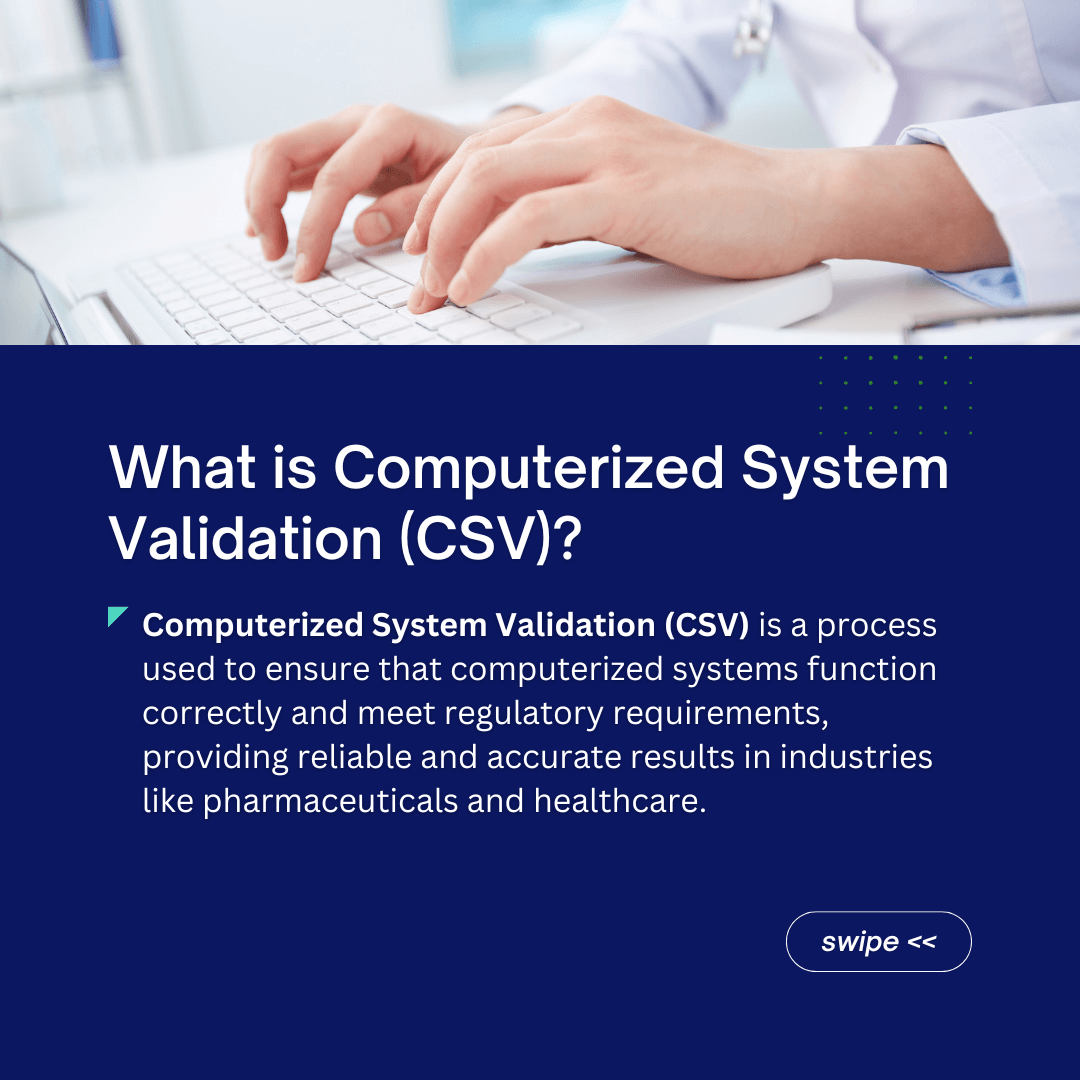
In highly regulated industries like pharmaceuticals or finance, computerized systems must undergo “validation.” This is a documented process that provides a high degree of assurance that the system will consistently produce results meeting its predetermined specifications. For tech professionals, understanding GxP (Good Practice) and other regulatory frameworks is essential for deploying systems in these sensitive environments.
Conclusion
A computerized system is far more than just a box of electronics; it is a sophisticated marriage of hardware, software, data, and human intelligence. As we have seen, these systems have evolved from simple calculators into complex, distributed networks capable of learning and adapting.
In the tech industry, the focus is shifting away from isolated machines toward integrated ecosystems that leverage the power of the cloud and the cognitive abilities of AI. Whether it is managing a global supply chain or simply powering a smart home, computerized systems are the engines of the modern world. Understanding their structure and function is not just for IT professionals—it is a foundational requirement for navigating the digital age. As technology continues to advance, the boundaries of what a computerized system can achieve will only continue to expand, further blurring the line between human intent and machine execution.
aViewFromTheCave is a participant in the Amazon Services LLC Associates Program, an affiliate advertising program designed to provide a means for sites to earn advertising fees by advertising and linking to Amazon.com. Amazon, the Amazon logo, AmazonSupply, and the AmazonSupply logo are trademarks of Amazon.com, Inc. or its affiliates. As an Amazon Associate we earn affiliate commissions from qualifying purchases.