
In the realm of personal and business finance, numbers are the language of progress. However, it is rarely the raw numbers themselves that provide the most insight; rather, it is the relationship between those numbers. Understanding how to manipulate, calculate, and specifically how to divide percentages is a foundational skill for anyone looking to master their financial destiny. Whether you are a retail investor calculating portfolio weights, a business owner analyzing profit margins, or an individual trying to adhere to a strict monthly budget, the ability to divide percentages accurately allows for more nuanced decision-making and long-term wealth preservation.

While the concept might seem like a relic of high school algebra, its application in the financial sector is both practical and profound. In this guide, we will explore the mathematical mechanics of dividing percentages and apply those concepts to the most critical pillars of money management: budgeting, investing, and corporate financial analysis.
Understanding the Fundamentals: Why Dividing Percentages Matters in Finance
To master financial math, one must first demystify the “percentage.” A percentage is simply a ratio or a fraction where the denominator is always 100. When we talk about “dividing percentages,” we are usually looking for a relative comparison between two different rates or trying to determine how one portion of a percentage relates to another.
The Basic Mathematical Formula
When you are asked to divide one percentage by another, the most straightforward method is to treat them as decimals. To convert a percentage to a decimal, you simply move the decimal point two places to the left. For example, 50% becomes 0.50, and 5% becomes 0.05.
The formula for dividing percentage A by percentage B is:
(Percentage A / 100) / (Percentage B / 100) = Result
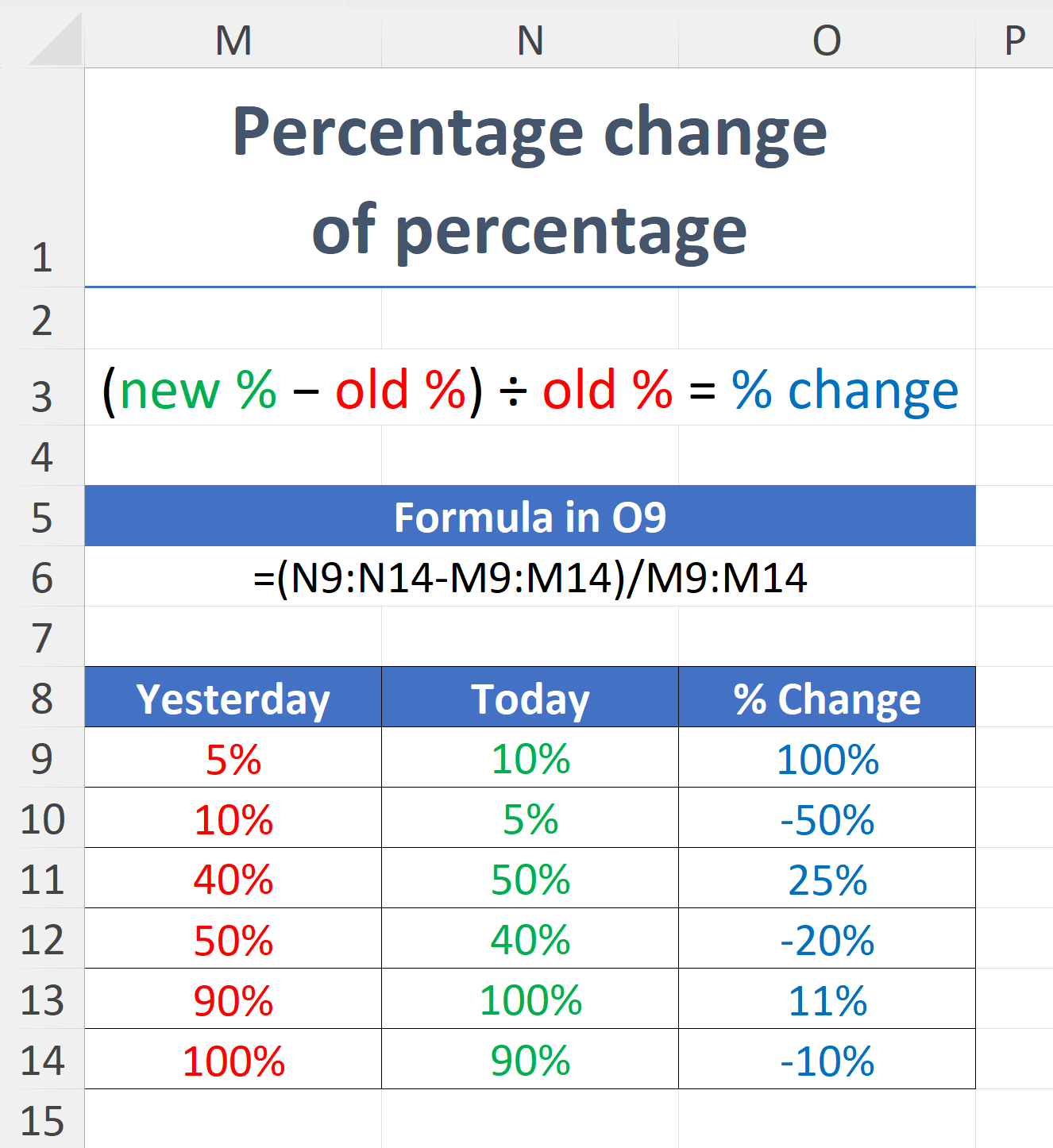
If you want the final result to be expressed as a percentage again, you multiply that result by 100. For instance, if you are comparing a 10% interest rate to a 5% inflation rate to see the ratio of growth, you are essentially dividing 0.10 by 0.05, which equals 2. This means the interest rate is 200% of the inflation rate.
Converting Percentages to Decimals for Ease of Use
In the world of finance, decimals are often preferred because they reduce the risk of “zero-count” errors. When using financial calculators or spreadsheet software like Excel, the program automatically treats the percentage sign as a division by 100. Understanding this logic is crucial when calculating “Compound Annual Growth Rates” (CAGR) or when dividing a specific dividend yield by a total return percentage to find the income-to-growth ratio of an asset.
Budgeting Strategies: Dividing Your Income by Percentages
The most common application of dividing percentages in daily life is through personal budgeting. Rather than thinking in fixed dollar amounts—which can change based on raises, bonuses, or inflation—wealthy individuals think in terms of percentage allocation. This allows their financial strategy to scale automatically as their income grows.
The 50/30/20 Rule Explained
One of the most famous financial frameworks is the 50/30/20 rule. This strategy requires you to divide your total net income into three distinct percentage buckets:
- 50% for Needs: Housing, utilities, groceries, and transportation.
- 30% for Wants: Entertainment, dining out, and hobbies.
- 20% for Savings and Debt Repayment: Emergency funds, 401(k) contributions, and high-interest debt.
To apply this, you must take your total “100%” (your take-home pay) and divide the proportions. If your income increases, the percentages stay the same, but the absolute values grow. Mastering the division of your income ensures that you never fall into the trap of “lifestyle creep,” where your spending grows faster than your savings.
Zero-Based Budgeting and Percentage Allocation
For those who want more granular control, zero-based budgeting involves dividing your income into even smaller percentage increments. You might take your 20% savings goal and further divide it: 10% for retirement, 5% for a house down payment, and 5% for an emergency fund. By dividing these percentages, you create a roadmap where every dollar has a specific job. This level of mathematical discipline is what separates those who simply “get by” from those who build generational wealth.
Investment Allocation: Dividing Your Portfolio for Risk Management
In the world of investing, “dividing” is synonymous with “diversifying.” Modern Portfolio Theory suggests that an investor should never have all their capital in a single asset class. Instead, they must divide their total capital into various percentage-based allocations to balance risk and reward.
Asset Classes and Percentage Diversification
A classic “Balanced Portfolio” might be divided into 60% stocks and 40% bonds. However, as market conditions change, these percentages shift. If the stock market has a phenomenal year, your portfolio might naturally drift to 70% stocks and 30% bonds.
To bring it back to your original strategy, you must perform a calculation to “divide” your current totals and see how far they have strayed from your target percentage. This process—rebalancing—is the hallmark of a sophisticated investor. It forces you to sell high (the assets that have grown beyond their percentage) and buy low (the assets that now represent a smaller percentage of your pie).
Rebalancing: How to Divide Gains Back into Your Strategy
When you rebalance, you are essentially dividing your total current portfolio value by your target percentages. For example, if you have a $100,000 portfolio and your goal for international stocks is 15%, but they currently represent 18% ($18,000), you divide the current value by the target to determine how much to sell. The math allows you to remove emotion from the equation; you aren’t “guessing” when to sell; you are simply following the logic of percentage division to maintain your risk profile.
Business Finance: Dividing Profits and Calculating Margins
For entrepreneurs and business leaders, dividing percentages is a daily requirement for measuring health. In business, “margin” is everything. A company can have millions in revenue, but if its expenses represent 99% of that revenue, the business is on the verge of collapse.
Net vs. Gross Profit Margins
Dividing percentages helps business owners understand efficiency.
- Gross Profit Margin: This is calculated by dividing gross profit by total revenue. It shows how much money is left over after the direct costs of producing goods.
- Net Profit Margin: This is calculated by dividing net income by total revenue. This is the “bottom line” percentage.
If a business owner sees their gross margin is 40% but their net margin is only 2%, they know exactly where the problem lies: in the “middle” (overhead, rent, and administrative costs). By dividing these percentages and comparing them to industry benchmarks, a business can identify whether it is overspending on operations compared to its competitors.
Dividend Distribution and Shareholder Equity
In corporate finance, the “Payout Ratio” is a vital metric for investors. It is calculated by dividing the dividends per share by the earnings per share (EPS). This percentage tells the investor how much of the company’s profit is being returned to shareholders versus how much is being kept to reinvest in growth. A payout ratio that is too high (e.g., dividing and finding it is 95%) might suggest the company isn’t investing enough in its own future, whereas a low ratio might suggest the company is hoarding cash.
Advanced Financial Tools and Tax Calculations
As we move into more complex financial territories, dividing percentages becomes essential for navigating the tax code and utilizing high-level financial software.
Effective Tax Rate Division
One of the most misunderstood areas of personal finance is the difference between a tax bracket and an effective tax rate. You might be in the 24% tax bracket, but that doesn’t mean you pay 24% on all your income. To find your true tax burden, you must take your total tax paid and divide it by your total taxable income.
This “Effective Tax Rate” is a percentage that provides a much clearer picture of your financial health. By dividing your income this way, you can make better decisions regarding tax-advantaged accounts like IRAs or 401(k)s, which are designed to lower that final percentage.
Using Digital Tools to Automate Percentage Calculations
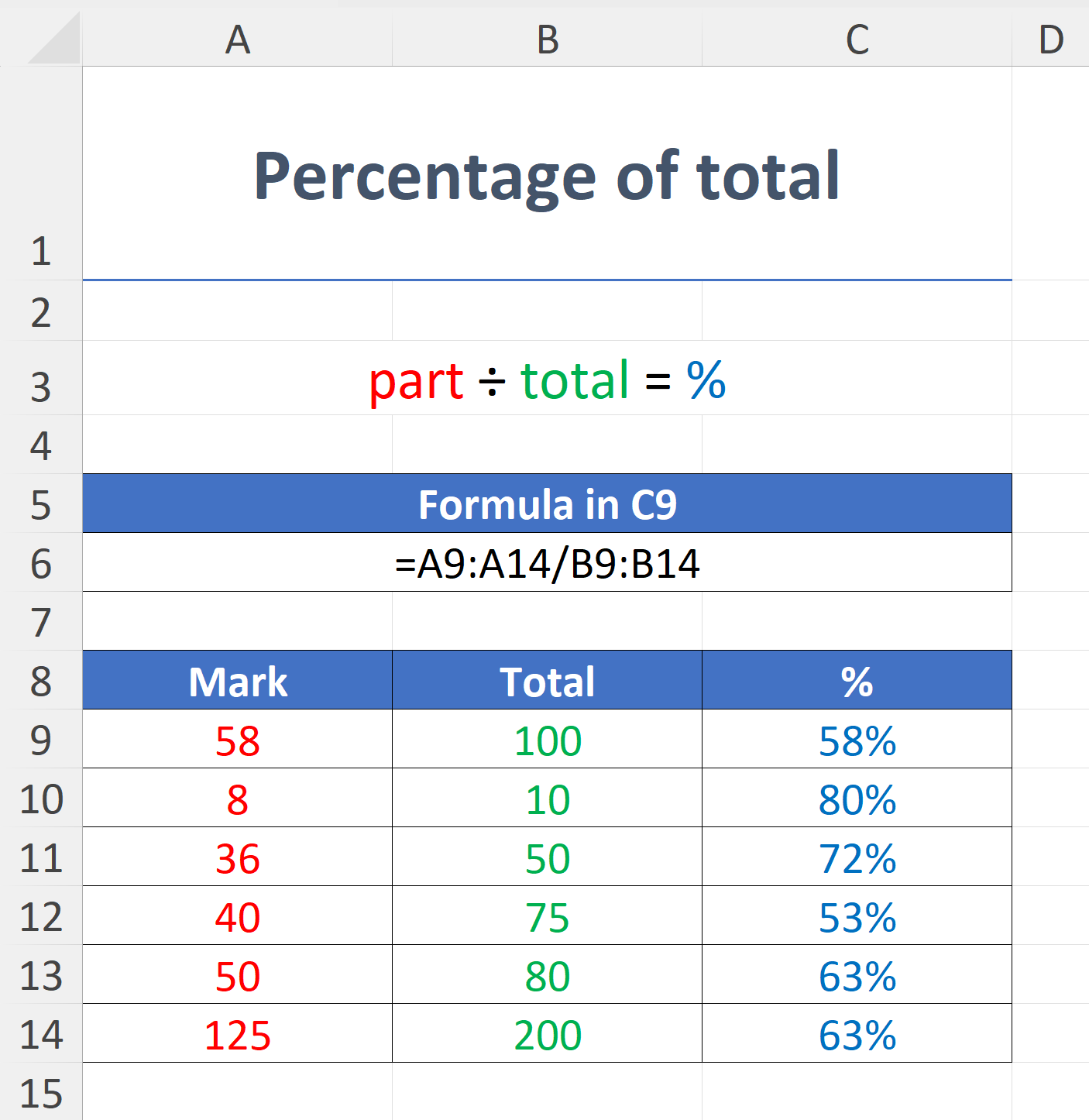
While manual calculation is a great skill, the modern “money master” utilizes technology. Fintech apps and spreadsheet templates are designed to handle the division of percentages automatically. In Excel, the formula =A1/B1 formatted as a percentage can track your debt-to-income ratio or your investment returns in real-time.
Leveraging these tools allows you to focus on the strategy rather than the arithmetic. However, the strategy is only as good as the user’s understanding of the underlying math. By knowing how to divide percentages—whether you’re calculating the impact of a 0.5% interest rate hike on a million-dollar mortgage or dividing your side-hustle income into tax-holding accounts—you gain a level of financial clarity that few possess.
In conclusion, “how to divide percentages” is far more than a basic math problem. In the context of money, it is the key to allocation, the metric for measurement, and the foundation of growth. By applying these division principles to your budget, your investments, and your business operations, you transform raw data into a powerful tool for financial independence.
aViewFromTheCave is a participant in the Amazon Services LLC Associates Program, an affiliate advertising program designed to provide a means for sites to earn advertising fees by advertising and linking to Amazon.com. Amazon, the Amazon logo, AmazonSupply, and the AmazonSupply logo are trademarks of Amazon.com, Inc. or its affiliates. As an Amazon Associate we earn affiliate commissions from qualifying purchases.