
In the mainstream consciousness, the term “coding” typically evokes images of software developers building apps or engineers writing algorithms for artificial intelligence. However, within the multi-trillion-dollar healthcare sector, “coding” refers to a sophisticated financial and administrative process that serves as the primary engine for the global medical economy. Medical coding is the transformation of healthcare diagnoses, procedures, medical services, and equipment into universal alphanumeric codes.
From a financial perspective, medical coding is the bridge between a clinical encounter and the reimbursement process. Without it, the business of healthcare would grind to a halt, as insurance companies, government payers, and healthcare providers would have no standardized way to quantify the value of medical services. For those looking at healthcare through the lens of business finance or personal career investment, understanding medical coding is essential to grasping how capital flows through the modern medical system.
The Economics of Medical Coding: From Clinical Documentation to Capital
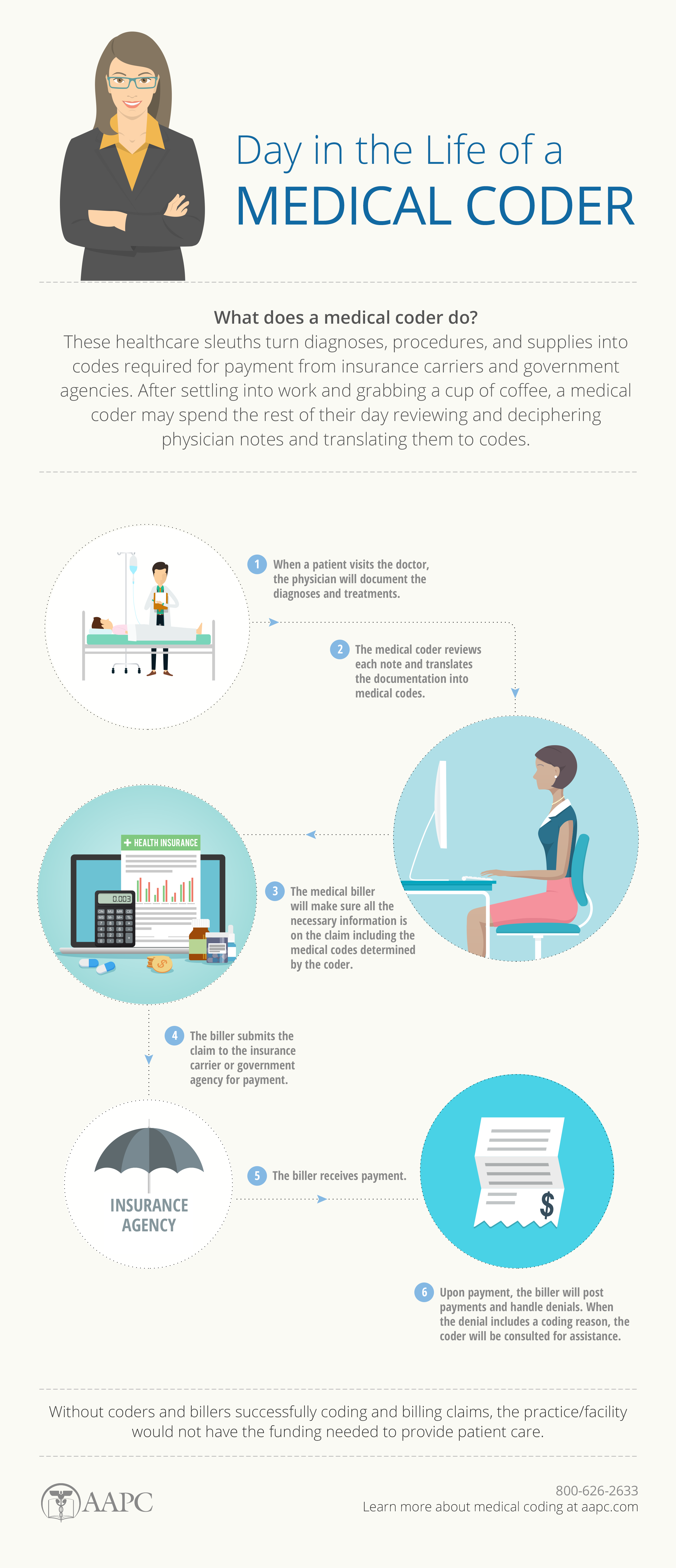
At its core, medical coding is a data translation service that facilitates Revenue Cycle Management (RCM). In the world of business finance, RCM is the strategy that healthcare organizations use to track the finances of patient care from the initial appointment to the final payment of a balance. Coding is the pivotal moment where clinical data is converted into financial claims.
Defining the Medical Coding Landscape
Medical coding ensures that the narrative of a patient’s visit is distilled into a format that can be processed by financial software. When a physician documents a patient’s condition and the subsequent treatment, that information is often dense and unstructured. Coding specialists review these medical records and assign standardized codes to every detail. This standardization is what allows for “Big Data” analytics in healthcare finance, enabling organizations to project revenue, manage budgets, and analyze the cost-effectiveness of various treatments.
The Role of Revenue Cycle Management (RCM)
In business terms, the revenue cycle begins the moment a patient makes an appointment and ends when the provider has collected all legitimate reimbursement. Medical coding sits at the center of this cycle. If the coding is inaccurate, the financial “claim” sent to the insurance payer will be rejected, leading to “revenue leakage.” For a large hospital system, even a 1% error rate in coding can result in millions of dollars in lost annual income. Therefore, coding is not just a clerical task; it is a vital function of corporate financial health.
The Financial Instruments of Healthcare: Understanding CPT, ICD-10, and HCPCS
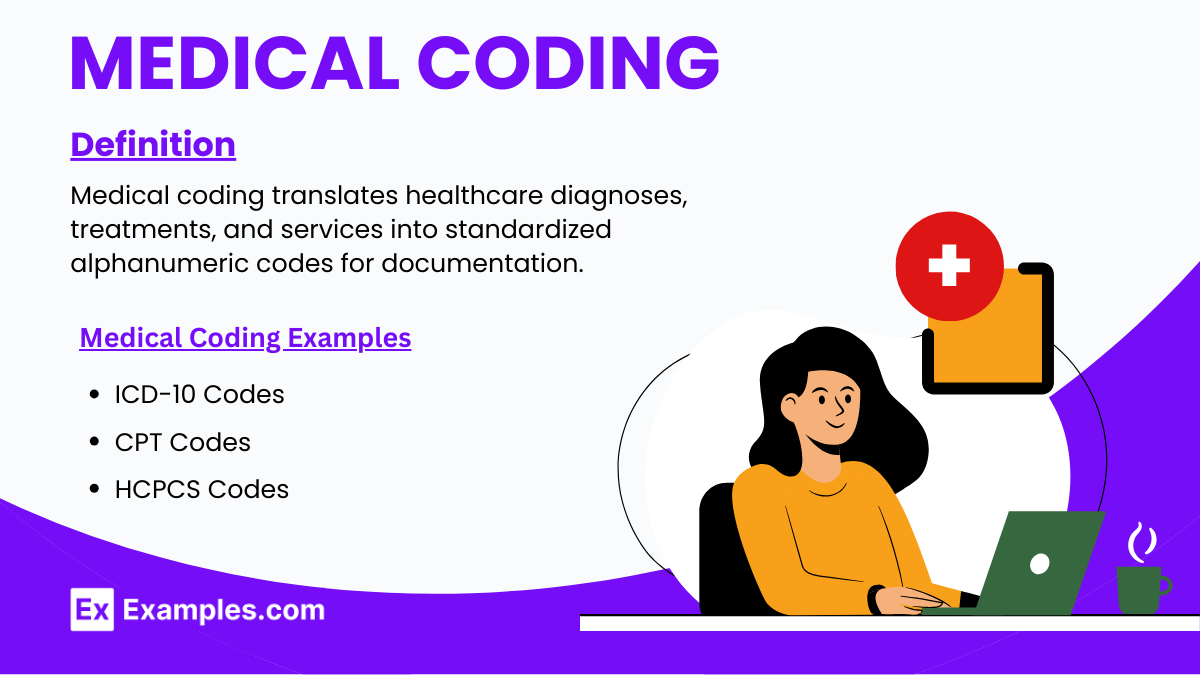
To understand medical coding as a financial tool, one must understand the “currencies” it uses. Just as a forex trader deals in dollars, euros, and yen, a medical coder deals in ICD, CPT, and HCPCS codes. These code sets provide the granularity required to price medical services accurately.
ICD-10-CM: The Diagnosis Currency
The International Classification of Diseases, 10th Revision, Clinical Modification (ICD-10-CM) is used to categorize every known medical condition, symptom, and external cause of injury. From a financial standpoint, the ICD code justifies the “medical necessity” of a service. For an insurance company to pay a claim, the provider must prove that the service was necessary. If a coder submits a claim for an expensive MRI but uses an ICD-10 code for a minor bruise, the “financial logic” fails, and the claim is denied.
CPT and HCPCS: Quantifying Services and Supplies
While ICD codes explain the “why,” Current Procedural Terminology (CPT) and the Healthcare Common Procedure Coding System (HCPCS) explain the “what.” CPT codes describe the actions taken by the healthcare provider, such as surgeries, evaluations, or diagnostic tests. HCPCS codes generally cover products, supplies, and services not included in CPT, such as ambulance rides or durable medical equipment like wheelchairs. Together, these codes act as the price tags for medical labor and materials, allowing providers to bill for their specific “production” of healthcare.
Maximizing Profitability and Mitigating Financial Risk
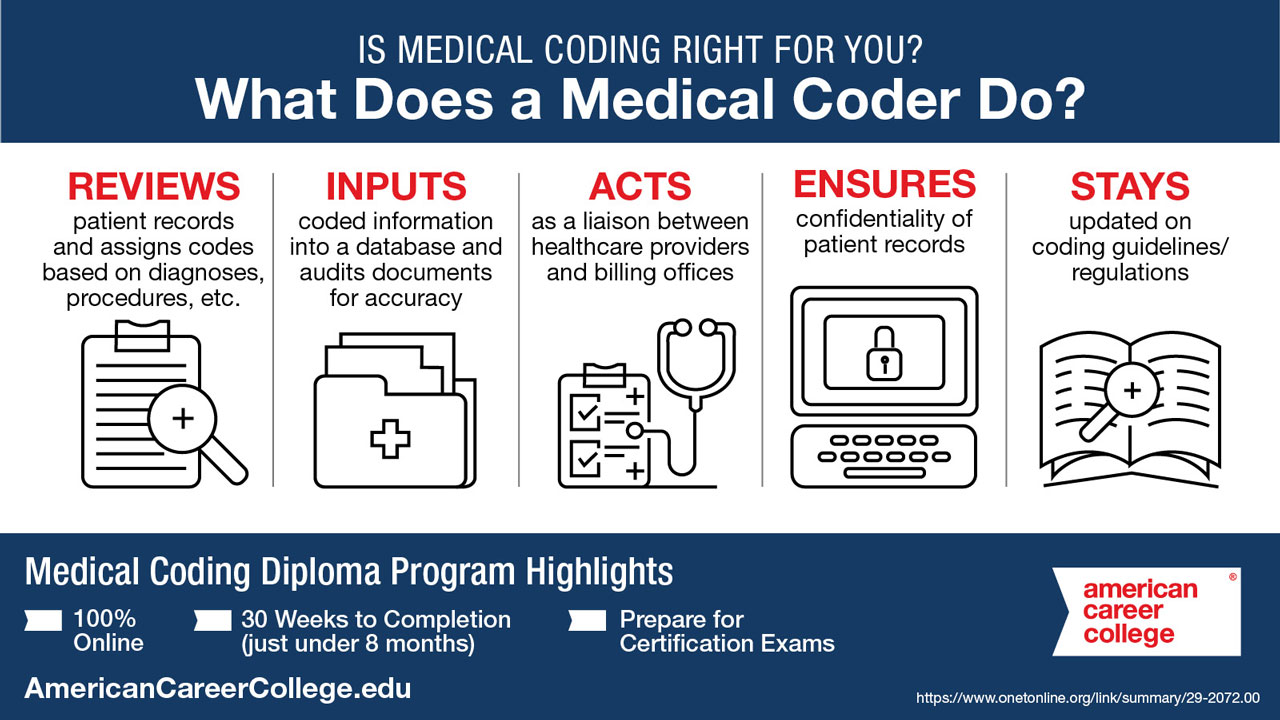
In the high-stakes environment of healthcare finance, accuracy in coding is the primary defense against financial loss. Organizations must balance the goal of maximizing legitimate reimbursement with the necessity of staying compliant with federal regulations to avoid heavy fines.
The Cost of Coding Inaccuracies: Denials and Audits
Claim denials are one of the most significant hurdles to healthcare profitability. When a claim is denied due to a coding error, it costs the organization twice: first in the delay of payment and second in the administrative cost of “re-working” the claim. Furthermore, healthcare entities are subject to audits by the Centers for Medicare & Medicaid Services (CMS) and private insurers. If an audit reveals systemic coding errors, the financial penalties can be catastrophic, sometimes totaling millions of dollars in “clawbacks” (money the provider must return to the payer).
Upcoding vs. Downcoding: The Financial Ethics
In the pursuit of higher revenue, some organizations may engage in “upcoding”—assigning a code for a more expensive service than what was actually performed. This is considered financial fraud and carries severe legal and fiscal consequences. Conversely, “downcoding” occurs when a provider under-reports services, often out of fear of audits. Downcoding is equally problematic from a business perspective, as it results in “leaving money on the table” and undervalues the work performed by clinicians. Professional coding ensures “right-coding,” which stabilizes the bottom line and maintains ethical financial integrity.
The Career and Business Opportunity: Entering the Coding Market
For individuals looking for a side hustle or a stable career in the financial sector of healthcare, medical coding represents a significant opportunity. The demand for skilled coders is at an all-time high, driven by an aging population and the increasing complexity of healthcare regulations.
Certifications as Financial Investments
Entering the field of medical coding usually requires certification from bodies like the AAPC (American Academy of Professional Coders) or AHIMA (American Health Information Management Association). These certifications, such as the CPC (Certified Professional Coder), act as a professional license that significantly increases earning potential. For a relatively low initial investment in training and exam fees, an individual can enter a professional field with a median salary that often exceeds many other administrative roles. It is a high-return-on-investment (ROI) career path.
The Remote Work Revolution: Scaling Income in Healthcare Admin
One of the most attractive aspects of medical coding from a “side hustle” or “online income” perspective is its portability. Modern coding is done entirely through Electronic Health Records (EHR) and specialized software. This has created a massive market for remote medical coders and independent contractors. Many coders operate as “solopreneurs,” contracting their services to multiple small clinics or specialized billing companies. This flexibility allows for scaling income based on volume and expertise, fitting perfectly into the modern “gig economy” model of professional services.
The Future of Healthcare Finance: Automation and AI
As we look toward the future of business finance in healthcare, the role of technology in coding is shifting. Artificial Intelligence and Machine Learning are now being integrated into the coding process, but rather than replacing the human element, they are acting as “financial accelerators.”
Reducing Overhead with Computer-Assisted Coding (CAC)
Computer-Assisted Coding (CAC) software uses natural language processing to scan medical documents and suggest codes. From a corporate finance perspective, CAC reduces the “days in accounts receivable” (DAR) by speeding up the coding process. By reducing the time it takes to turn a patient encounter into a billable claim, healthcare organizations can significantly improve their cash flow.
The Evolving Role of the Financial Coder
The future of the medical coding profession lies in “coding auditing” and “clinical documentation improvement” (CDI). As AI handles the more routine coding tasks, human experts are being repositioned as financial strategists who ensure the AI’s output is accurate and compliant. This shift increases the value of human expertise, as the focus moves from manual data entry to high-level financial oversight and risk management. For those invested in the business of healthcare, coding remains the most critical data point in the entire financial ecosystem, ensuring that for every ounce of care provided, a corresponding unit of value is accurately captured and compensated.
aViewFromTheCave is a participant in the Amazon Services LLC Associates Program, an affiliate advertising program designed to provide a means for sites to earn advertising fees by advertising and linking to Amazon.com. Amazon, the Amazon logo, AmazonSupply, and the AmazonSupply logo are trademarks of Amazon.com, Inc. or its affiliates. As an Amazon Associate we earn affiliate commissions from qualifying purchases.