
The digital age has democratized entrepreneurship, making it easier than ever for individuals to launch their own ventures from the comfort of their homes. Starting a small business online offers unparalleled flexibility, lower overheads, and access to a global customer base, presenting a powerful pathway to financial independence and wealth creation. However, the apparent ease can be deceptive; success in the online arena, as in any business, hinges significantly on astute financial planning, robust monetization strategies, and diligent fiscal management. This guide delves into the essential monetary considerations and actionable steps required to build a financially sound and thriving online enterprise.
Laying the Financial Foundation for Your Online Venture
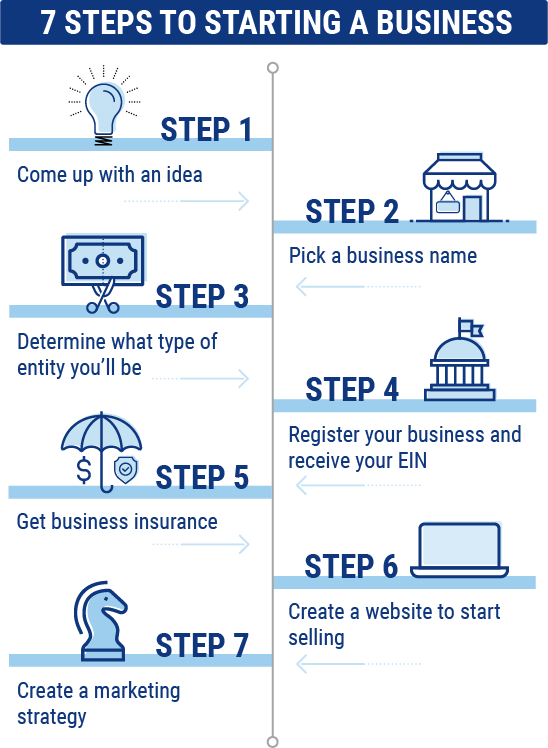
Before a single product is sold or a service is offered, the financial bedrock of your online business must be meticulously laid. This involves understanding your startup capital needs, creating a realistic budget, and exploring appropriate funding avenues. Neglecting this crucial phase often leads to premature failure, regardless of the brilliance of your idea.
Estimating Startup Costs: Beyond the Obvious
One of the primary appeals of online businesses is their perceived low startup cost. While certainly less capital-intensive than brick-and-mortar operations, there are still essential expenses that warrant careful estimation. Beyond the obvious website hosting and domain registration fees, consider:
- Platform Fees: E-commerce platforms (Shopify, Etsy), online course platforms (Teachable, Kajabi), or marketplace commissions.
- Software and Tools: Accounting software, email marketing services, project management tools, graphic design subscriptions, CRM systems. These are crucial for efficiency and scalability.
- Initial Inventory/Service Development: If selling physical products, the cost of initial stock. If selling digital products or services, the time and resources invested in their creation (e.g., content creation, course development, initial legal consultation for service contracts).
- Marketing and Advertising: While organic reach is desirable, paid advertising (social media ads, Google Ads) can be vital for initial visibility and customer acquisition. Budgeting for this early on is critical for generating initial revenue.
- Legal and Administrative Fees: Business registration, intellectual property protection, terms of service agreements, and privacy policies. These prevent costly future legal issues.
- Professional Services: Initial consultation with an accountant or business coach can save money in the long run by ensuring compliance and optimizing financial strategy.
A common mistake is underestimating these costs, leading to a cash crunch just as the business begins to gain traction. Create a detailed spreadsheet itemizing every potential expense, differentiating between one-off setup costs and recurring monthly or annual expenditures.
Crafting a Realistic Business Budget
With an understanding of your startup costs, the next step is to create a comprehensive operating budget. This budget is your financial roadmap, guiding your spending and setting performance benchmarks. It should project your anticipated revenue and expenses for at least the first 12-24 months.
- Fixed Costs: Expenses that remain relatively consistent regardless of sales volume (e.g., software subscriptions, domain renewals, virtual assistant salaries).
- Variable Costs: Expenses that fluctuate with sales (e.g., per-transaction fees, cost of goods sold, advertising spend based on sales targets).
- Personal Expenses (Owner’s Draw/Salary): Crucially, account for your own living expenses. Many new entrepreneurs make the mistake of not paying themselves, which is unsustainable. Budgeting a realistic owner’s draw or salary helps maintain personal financial stability while the business grows.
Regularly review and adjust your budget based on actual performance. This iterative process is key to maintaining financial health and making informed decisions.
Exploring Funding Options for Online Ventures
While many online businesses can start with minimal capital, some ambitious ventures may require external funding. Understanding your options is vital:
- Self-Funding (Bootstrapping): Using personal savings or income from a side job. This minimizes debt and gives you complete control, but requires discipline and often a slower growth trajectory.
- Friends and Family Loans: A common source of early capital. Formalize these arrangements with clear loan agreements to avoid potential relationship strain.
- Small Business Loans: Traditional banks or online lenders offer various loan products. For online businesses, options like SBA loans (in the US) or microloans can be viable, often requiring a solid business plan and good personal credit.
- Crowdfunding: Platforms like Kickstarter or Indiegogo can be excellent for product-based businesses, allowing you to validate your idea and secure pre-orders as funding. Equity crowdfunding platforms are also emerging for early-stage companies.
- Angel Investors/Venture Capital: Typically reserved for high-growth, scalable tech startups. While less common for “small” online businesses, it’s an option for those with disruptive potential seeking significant capital for rapid expansion.
Choose the funding method that aligns with your business model, growth aspirations, and risk tolerance. Always understand the terms and implications of any borrowed capital.
Monetization Strategies for Digital Businesses
The core financial objective of any business is to generate revenue. For online businesses, the array of potential income streams is vast, requiring strategic selection and optimization to ensure profitability.
Identifying Your Value Proposition and Pricing Model
Before you can earn money, you must clearly define what unique value your online business offers and to whom. Your value proposition – what problem you solve or desire you fulfill for your target audience – directly informs your pricing strategy.
- Cost-Plus Pricing: Calculating your total costs and adding a desired profit margin. Simple, but might not reflect market value.
- Value-Based Pricing: Pricing based on the perceived value your product or service provides to the customer. This often allows for higher margins but requires strong marketing to articulate that value.
- Competitor-Based Pricing: Benchmarking your prices against similar offerings in the market. Useful for understanding market rates, but avoid undercutting to the point of unsustainability.
- Freemium Model: Offering a basic version for free and charging for premium features (common for software, apps, or content platforms).
- Subscription Model: Recurring revenue for continuous access to a product, service, or content (e.g., SaaS, membership sites, curated boxes).
The right pricing model is crucial for profitability. It should cover your costs, reflect your value, be competitive, and be sustainable for long-term growth. Regularly review and adjust your pricing based on market feedback and cost changes.
Diverse Online Income Streams: Products, Services, Subscriptions, and Ads
The beauty of an online business lies in its potential for multiple, diversified income streams. Relying on a single source of revenue can be risky.
- E-commerce (Physical/Digital Products): Selling physical goods (dropshipping, print-on-demand, handcrafted items) or digital products (e-books, templates, stock photos, software). E-commerce platforms facilitate transactions and inventory management.
- Online Services: Offering expertise directly to clients (consulting, coaching, freelance writing, web design, virtual assistance). Time-based billing, project-based fees, or retainer models are common.
- Subscription/Membership Models: Providing exclusive content, tools, or community access for a recurring fee. This creates predictable revenue and fosters customer loyalty.
- Advertising and Sponsorships: For content creators or publishers, displaying ads (Google AdSense), securing direct sponsorships, or engaging in affiliate marketing (earning commissions on referred sales).
- Online Courses and Workshops: Packaging your knowledge into structured educational programs, often sold through platforms like Teachable, Thinkific, or Kajabi.
- Licensing Content/Intellectual Property: Allowing others to use your creations (e.g., music, photos, software code) for a fee.
Strategically combining compatible income streams can significantly boost overall revenue and provide financial resilience against market fluctuations.
Optimizing for Conversion and Sales Funnels
Generating traffic to your online business is only half the battle; converting that traffic into paying customers is where the money is made. Understanding and optimizing your sales funnel is paramount.
- Awareness: Attracting potential customers (SEO, social media, paid ads, content marketing).
- Interest: Engaging them with valuable content, testimonials, or free resources.
- Decision: Guiding them towards a purchase with clear calls to action, compelling offers, and easy checkout processes.
- Action: Completing the sale.
- Retention: Encouraging repeat purchases and customer loyalty through excellent service, follow-up, and incentives.

Focus on reducing friction at each stage. Analyze website analytics, A/B test different calls to action, refine your sales copy, and ensure a seamless checkout experience. Every percentage point increase in conversion rate can translate to significant revenue growth.
Managing Your Business Finances Online
Effective financial management is not just about making money; it’s about keeping track of it, understanding where it goes, and ensuring compliance. Online businesses, by their very nature, lend themselves to digital financial management solutions that streamline these processes.
Essential Digital Financial Tools and Software
Leveraging technology for financial management is a game-changer for online businesses. These tools provide clarity, save time, and reduce errors:
- Accounting Software: Cloud-based platforms like QuickBooks Online, Xero, or FreshBooks automate invoicing, expense tracking, bank reconciliation, and generate financial reports (profit & loss, balance sheet).
- Payment Processors: Services like Stripe, PayPal, or Square are indispensable for accepting online payments securely. Understand their fee structures and integrate them seamlessly into your sales platforms.
- Budgeting and Forecasting Tools: Spreadsheets (Google Sheets, Excel) or specialized software can help you monitor actual spending against your budget and project future financial performance.
- Time Tracking Software: For service-based businesses, tools like Toggl or Clockify ensure accurate billing for client work.
- Receipt Management Apps: Apps like Expensify or Receipt Bank digitize receipts, simplifying expense categorization and reducing paper clutter.
Investing in the right tools from the outset will prevent headaches down the line and provide invaluable insights into your business’s financial health.
Streamlining Bookkeeping and Expense Tracking
Good bookkeeping is the backbone of financial stability. For online businesses, where transactions can be numerous and varied, a streamlined approach is vital.
- Separate Business Finances: Crucially, open a dedicated business bank account and credit card. This separates personal and business expenses, simplifying tracking, reconciliation, and tax preparation.
- Automate as Much as Possible: Connect your bank accounts and payment processors directly to your accounting software for automatic transaction import. Categorize expenses regularly.
- Track All Income and Expenses: Record every dollar earned and spent. This includes sales revenue, returns, advertising costs, software subscriptions, contractor payments, and personal draws.
- Maintain Digital Records: Keep digital copies of all invoices, receipts, and financial statements. Cloud storage solutions ensure accessibility and backup.
Consistent and accurate bookkeeping provides a real-time snapshot of your financial position, enabling proactive decision-making and simplifying tax season.
Navigating Online Business Taxation and Compliance
Taxation can be complex, especially with varying regulations for online sales and services across different jurisdictions. Ignorance is not bliss when it comes to taxes, and penalties can be severe.
- Understand Business Structure: Your chosen legal structure (sole proprietorship, LLC, S-Corp, etc.) dictates how your business is taxed. Consult with a legal or tax professional to choose the most advantageous structure for your situation.
- Sales Tax (VAT/GST): If selling products, understand your obligations regarding sales tax collection and remittance. This can vary by state, country, and product type. E-commerce platforms often have features to help manage this, but ultimate responsibility lies with you.
- Income Tax: Understand how to report your business income and deduct legitimate business expenses. Make estimated tax payments throughout the year to avoid large tax bills and potential penalties.
- Payroll Taxes: If you hire employees (even remote ones), you’ll have payroll tax obligations.
- Local Licenses and Permits: Depending on your location and business type, you may need specific local licenses, even for an online business.
Proactive engagement with a qualified accountant or tax advisor specializing in online businesses is highly recommended. They can help you optimize your tax strategy, ensure compliance, and identify legitimate deductions, ultimately saving you money.
Scaling Your Online Business for Sustained Profitability
Once your online business is generating consistent income and managing its finances effectively, the focus shifts to strategic growth. Scaling isn’t just about getting bigger; it’s about growing profitably and sustainably.
Reinvesting Profits for Growth
A common mistake among new entrepreneurs is to extract all profits from the business prematurely. While rewarding, strategic reinvestment is crucial for long-term growth and increased profitability.
- Marketing and Advertising: Allocate funds to scale successful campaigns or explore new channels.
- Product/Service Development: Invest in enhancing existing offerings or creating new ones to expand your market reach or deepen customer engagement.
- Technology Upgrades: Invest in more robust software, improved website infrastructure, or automation tools to boost efficiency and capacity.
- Talent Acquisition: Hire employees or contractors to handle tasks that consume your time, allowing you to focus on strategic growth initiatives.
- Inventory Expansion: If selling physical products, increasing inventory to meet growing demand.
The goal is to intelligently deploy capital back into the business to generate a higher return, creating a virtuous cycle of growth and increased financial value.
Understanding Key Financial Performance Indicators (KPIs)
To scale effectively, you need to know what to measure. Key Performance Indicators (KPIs) provide objective insights into your business’s financial health and performance.
- Gross Profit Margin: (Revenue – Cost of Goods Sold) / Revenue. Shows the profitability of your core products/services.
- Net Profit Margin: Net Income / Revenue. Reveals the overall profitability after all expenses.
- Customer Acquisition Cost (CAC): Total marketing and sales expenses / Number of new customers acquired. Essential for understanding the cost of growth.
- Customer Lifetime Value (CLTV): The total revenue a customer is expected to generate over their relationship with your business. Comparing CLTV to CAC is crucial for sustainable growth.
- Return on Investment (ROI): (Gain from Investment – Cost of Investment) / Cost of Investment. Helps evaluate the effectiveness of various expenditures.
- Cash Flow: The movement of money in and out of your business. Positive cash flow is vital for operational stability.
Regularly tracking these KPIs allows you to identify trends, pinpoint areas for improvement, and make data-driven financial decisions for scaling.
Strategic Financial Planning for Long-Term Success
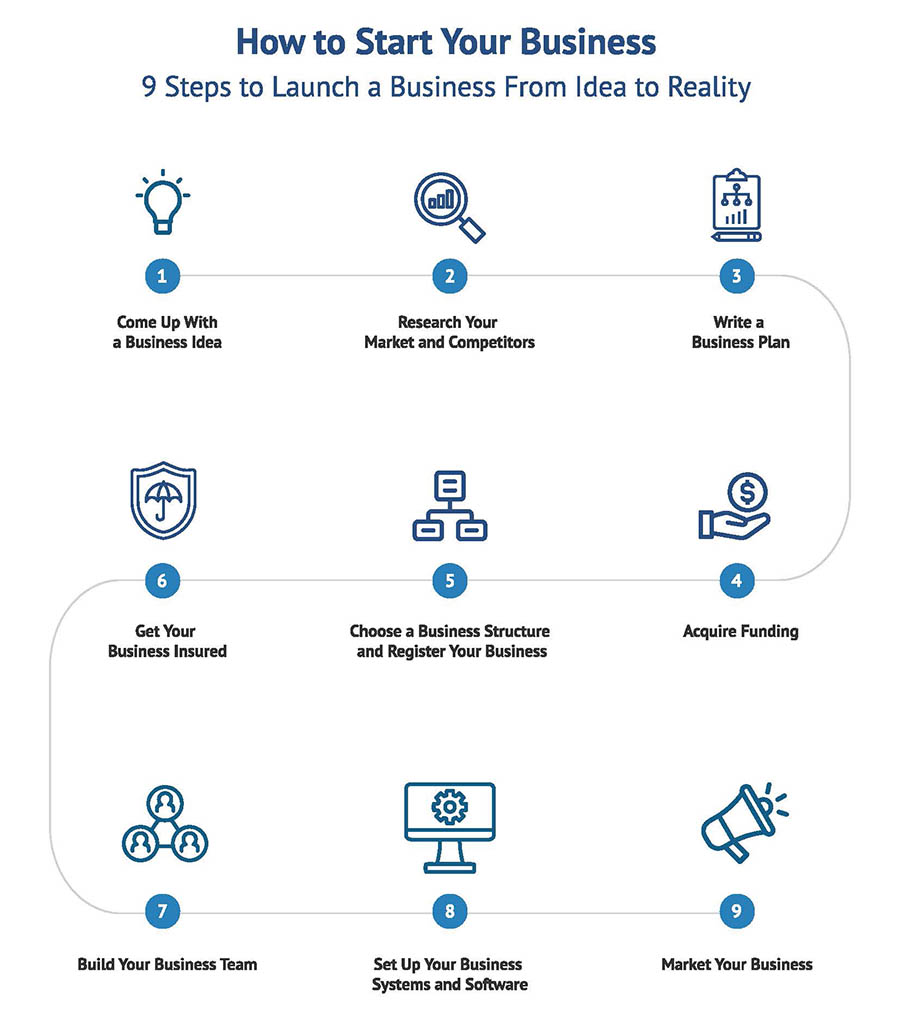
Scaling an online business requires a forward-looking financial perspective. Beyond day-to-day management, developing a long-term financial plan is essential.
- Financial Forecasting: Projecting future revenue and expenses based on historical data and market trends. This helps anticipate capital needs and set realistic growth targets.
- Scenario Planning: What if sales double? What if a key supplier raises prices? Thinking through different financial scenarios prepares you for potential challenges and opportunities.
- Exit Strategy (Optional but Recommended): Even if years away, considering how you might eventually sell or transition your business influences current financial decisions, such as building transferable assets and ensuring clear financial records.
- Emergency Fund: Maintaining a business savings account with several months’ worth of operating expenses provides a vital safety net against unexpected downturns or significant investments.
Starting a small business online offers immense potential for financial freedom, but it is fundamentally a financial endeavor. By meticulously planning your startup costs, strategically diversifying your income, diligently managing your day-to-day finances with digital tools, and thoughtfully scaling your operations, you can transform a digital idea into a robust, profitable, and enduring online enterprise.
aViewFromTheCave is a participant in the Amazon Services LLC Associates Program, an affiliate advertising program designed to provide a means for sites to earn advertising fees by advertising and linking to Amazon.com. Amazon, the Amazon logo, AmazonSupply, and the AmazonSupply logo are trademarks of Amazon.com, Inc. or its affiliates. As an Amazon Associate we earn affiliate commissions from qualifying purchases.