
Cocoa powder, the very essence of chocolate in its pure, unsweetened form, is a pantry staple for bakers, a secret weapon for home cooks, and the foundation of countless indulgent treats. But what exactly is this finely ground treasure, and how does it transform from bean to the rich, dark powder we know and love? While seemingly straightforward, the journey of cocoa powder involves agricultural science, meticulous processing, and a dash of culinary magic. Understanding its origins and production can elevate your appreciation and unlock new possibilities in your kitchen.
From Cacao Bean to Culinary Cornerstone
The story of cocoa powder begins high in the tropical regions of the world, where the cacao tree ( Theobroma cacao) thrives. The name itself, Theobroma, literally translates from Greek to “food of the gods,” a testament to the revered status this plant has held for centuries. The cacao tree produces pods, which are essentially large, football-shaped fruits containing the precious cacao beans.
Harvesting and Fermentation: The Crucial First Steps
The journey from bean to powder is a multi-stage process that begins with careful harvesting. Cacao pods are typically harvested by hand, as they grow on both the trunk and branches of the tree, requiring a gentle touch to avoid damaging the tree or the pods. Once harvested, the pods are opened, and the beans, along with the surrounding white pulp, are extracted.
The next critical step is fermentation. This is not about creating an alcoholic beverage, as the name might suggest, but rather a biological process that plays a vital role in developing the complex flavors and aromas characteristic of chocolate. The beans and pulp are placed in heaps or boxes, often covered with banana leaves, allowing naturally occurring yeasts and bacteria to break down the pulp. This fermentation process, typically lasting several days, significantly reduces the bitterness of the raw beans and initiates the chemical reactions that will later contribute to chocolate’s desirable taste profile. It’s during this stage that precursor compounds for chocolate flavor are formed, setting the stage for the magic to come.
Drying and Roasting: Unlocking the Aroma
Following fermentation, the cacao beans are spread out and dried, usually under the sun. This process reduces the moisture content, preventing mold growth and preparing the beans for the next crucial step: roasting.
Roasting is where the true “chocolate” aroma begins to emerge. The beans are heated at controlled temperatures, triggering further chemical changes through reactions like the Maillard reaction. This process develops hundreds of flavor compounds, transforming the somewhat vegetal taste of the fermented bean into the rich, nutty, and often fruity notes we associate with chocolate. The duration and temperature of the roast are critical and vary depending on the desired flavor profile and the origin of the beans. This is a delicate balance; too little roasting leaves the beans underdeveloped, while over-roasting can lead to burnt or bitter flavors.
Winnowing and Grinding: The Path to Powder
After roasting, the beans are cooled and then subjected to winnowing. This process separates the brittle outer shell, known as the husk, from the inner kernel, or nib. The nibs are the heart of what will become cocoa powder.
The winnowed nibs are then ground. This is a high-energy process that breaks down the nibs into a thick, liquid paste called cocoa liquor or cocoa mass. This liquor contains the cocoa solids and cocoa butter, the natural fat present in the cacao bean. At this stage, the mixture is still quite bitter and unsweetened.
Pressing and Alkalization: The Transformation to Powder
The cocoa liquor is then subjected to a pressing process. This is a key step in differentiating cocoa powder from chocolate. Hydraulic presses squeeze the cocoa liquor, separating the cocoa butter (fat) from the cocoa solids. A significant amount of cocoa butter is removed in this stage, typically leaving around 10-25% of the fat content in the final cocoa powder, depending on the type.
The resulting solid mass, now known as cocoa press cake, is then broken into pieces and further ground into the fine powder we recognize. This is the natural cocoa powder.
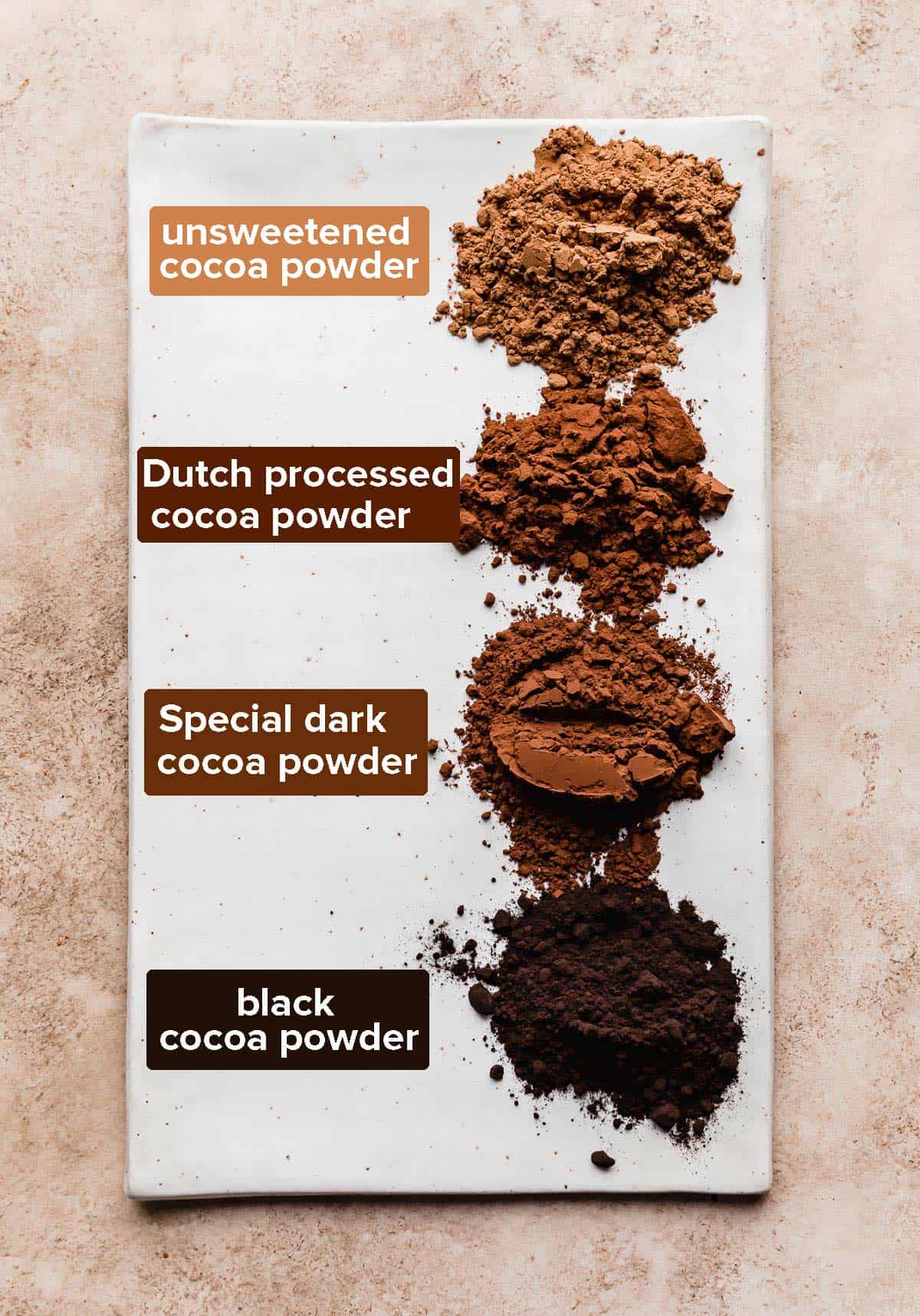
However, there’s another significant category: Dutch-processed cocoa powder, also known as alkalized cocoa powder. This variation undergoes an additional treatment where the cocoa solids are mixed with an alkaline solution (like potassium carbonate) and then dried. This alkalization process neutralizes the natural acidity of the cocoa, making it darker in color and less bitter. It also affects its solubility and how it reacts in baking.
The Two Faces of Cocoa Powder: Natural vs. Dutch-Processed
The distinction between natural and Dutch-processed cocoa powder is not merely cosmetic; it has significant implications for baking and flavor. Understanding these differences can help you achieve the desired results in your culinary creations.
Natural Cocoa Powder: The Original Tang
Natural cocoa powder is essentially the pulverized cocoa press cake with most of its fat removed. It retains a significant amount of its natural acidity, which gives it a more intense, slightly fruity, and tangy flavor profile.
- Acidity: Natural cocoa powder is acidic, typically with a pH between 5.0 and 5.5.
- Color: It has a lighter brown hue compared to Dutch-processed cocoa.
- Flavor: Offers a more robust, complex, and slightly bitter chocolate flavor.
- Baking Reactions: Due to its acidity, natural cocoa powder reacts with alkaline leavening agents like baking soda. When combined with baking soda in a recipe, it helps the batter rise and creates a tender crumb. This is why many classic chocolate cake recipes call for natural cocoa powder and baking soda.
Dutch-Processed Cocoa Powder: The Smooth Operator
Dutch-processed cocoa powder has been treated with an alkaline solution during its processing. This process neutralizes its acidity, resulting in a smoother, milder flavor and a darker, reddish-brown color.

- Acidity: Alkalized cocoa powder has a neutral pH, typically between 7.0 and 8.0.
- Color: It boasts a much darker, often reddish or almost black, appearance.
- Flavor: Offers a smoother, less bitter, and more mellow chocolate flavor. It’s often described as having a more “chocolatey” chocolate flavor, as the bitterness is reduced.
- Baking Reactions: Since it’s no longer acidic, Dutch-processed cocoa powder does not react with baking soda. Recipes that use Dutch-processed cocoa typically rely on chemical leavening agents like baking powder, which contains both acidic and alkaline components. If a recipe specifically calls for Dutch-processed cocoa and you substitute natural, your baked goods might not rise properly or could have an unbalanced flavor.
The choice between natural and Dutch-processed cocoa powder often depends on the desired flavor, color, and the leavening agents used in a specific recipe. For a classic, slightly tart chocolate cake, natural cocoa is often preferred. For a deeper, richer, and smoother chocolate flavor, and a darker cake, Dutch-processed cocoa is the go-to.
Beyond Baking: The Versatile Uses of Cocoa Powder
While its role in cakes, cookies, and brownies is undeniable, cocoa powder’s culinary applications extend far beyond the realm of baked goods. Its rich, complex flavor can be a surprisingly versatile ingredient in savory dishes, beverages, and even health-conscious creations.
Savory Sensations
The subtle bitterness and deep notes of cocoa powder can add an unexpected depth and complexity to savory dishes. It’s a secret ingredient in many mole sauces, a traditional Mexican sauce that can feature dozens of ingredients, including chili peppers, spices, and, of course, chocolate. The cocoa powder in mole adds a grounding bitterness that balances the heat of the chilies and rounds out the overall flavor profile.
Beyond mole, a touch of cocoa powder can enhance the richness of chili con carne, stews, and braised meats. It can be added to rubs for barbecue, complementing the smoky flavors and adding a hint of dark sweetness. Even a small amount in a beef or venison stew can elevate its flavor profile, making it more complex and satisfying.
Beverages of Delight
Cocoa powder is, of course, the star of hot chocolate. The simple act of whisking cocoa powder with milk or water and a sweetener transforms into a comforting and decadent drink. Different types of cocoa powder will yield slightly different results: natural cocoa will offer a more robust, slightly tart hot chocolate, while Dutch-processed will be smoother and richer.
It’s also a fantastic addition to smoothies and milkshakes, providing a healthy dose of antioxidants and a delicious chocolate flavor without the added sugar of chocolate bars. For a caffeine boost with a chocolate twist, a spoonful of cocoa powder can be added to your morning coffee or used to make a decadent mocha.
Health and Wellness Applications
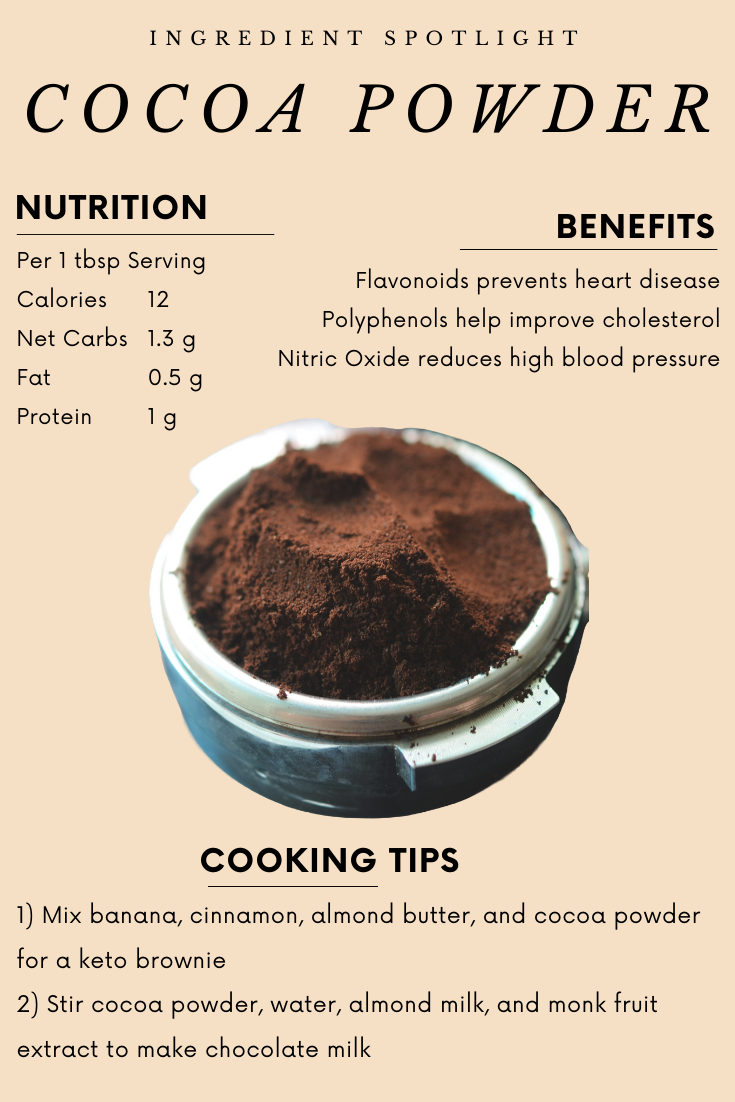
Beyond its taste, cocoa powder is celebrated for its potential health benefits, primarily due to its rich content of flavonoids, a type of antioxidant. These antioxidants are believed to have various positive effects on the body, including contributing to cardiovascular health.
When incorporating cocoa powder into a health-conscious diet, it’s important to opt for unsweetened varieties. It can be added to:
- Oatmeal or Yogurt: For a healthy chocolatey breakfast or snack.
- Protein Shakes: To enhance flavor and antioxidant intake.
- Homemade Energy Balls or Bars: As a binder and flavor enhancer.
When choosing cocoa powder for health purposes, remember that the less processed and darker the cocoa, the higher its flavonoid content is likely to be.
The Future of Cocoa Powder: Sustainability and Innovation
The world of cocoa powder is not static. Like many agricultural products, it faces challenges related to sustainability, climate change, and ethical sourcing. As consumer awareness grows, there’s an increasing demand for cocoa powder that is produced responsibly.
Sustainable Sourcing and Fair Trade
Many organizations and brands are now prioritizing sustainable farming practices, which focus on environmental protection, biodiversity, and the well-being of farmers. Fair trade certifications aim to ensure that farmers receive fair prices for their crops, promoting economic stability in cocoa-producing communities. Consumers are increasingly looking for these labels, understanding that their purchasing decisions can have a real impact.
Technological Advancements
Technology is also playing a role in the cocoa industry. Innovations in agricultural techniques are helping to improve crop yields and disease resistance. In processing, advancements in equipment and quality control are leading to more consistent and higher-quality cocoa powder. Furthermore, the application of data analytics and AI tools, common in other sectors, is starting to find its way into optimizing farming practices and supply chain management, potentially leading to more efficient and sustainable production.
New Flavors and Formulations
The culinary world is constantly seeking new and exciting flavor profiles. While traditional cocoa powder remains a staple, there’s also a growing interest in single-origin cocoas, each offering unique flavor notes influenced by their terroir – the specific environmental factors of where they are grown. Innovations in processing may also lead to new types of cocoa powders with enhanced solubility, different textural properties, or even pre-blended formulations for specific culinary applications, streamlining the process for home cooks and professional chefs alike.
In essence, cocoa powder is far more than just a simple ingredient. It’s a product of nature, human ingenuity, and a rich history. From the fertile soils of the tropics to the finely ground powder in your pantry, its journey is a testament to the complexities of food production. Whether you’re a seasoned baker or an adventurous home cook, understanding what cocoa powder is, how it’s made, and the nuances between its different forms can unlock a world of flavor and creativity in your kitchen.
aViewFromTheCave is a participant in the Amazon Services LLC Associates Program, an affiliate advertising program designed to provide a means for sites to earn advertising fees by advertising and linking to Amazon.com. Amazon, the Amazon logo, AmazonSupply, and the AmazonSupply logo are trademarks of Amazon.com, Inc. or its affiliates. As an Amazon Associate we earn affiliate commissions from qualifying purchases.