
While the answer to the question “what is the closest planet to the sun?” is a foundational fact of astronomy—Mercury—the technological implications of that proximity are where the real story begins. Mercury sits a mere 36 million miles from the Sun, a distance that subjects it to extreme radiation and temperatures ranging from a frigid -290°F at night to a scorching 800°F during the day. For the tech industry, Mercury represents the ultimate “stress test.” Exploring this rocky world requires the pinnacle of human engineering, from advanced thermal shielding and high-bitrate communication systems to AI-driven autonomous navigation.
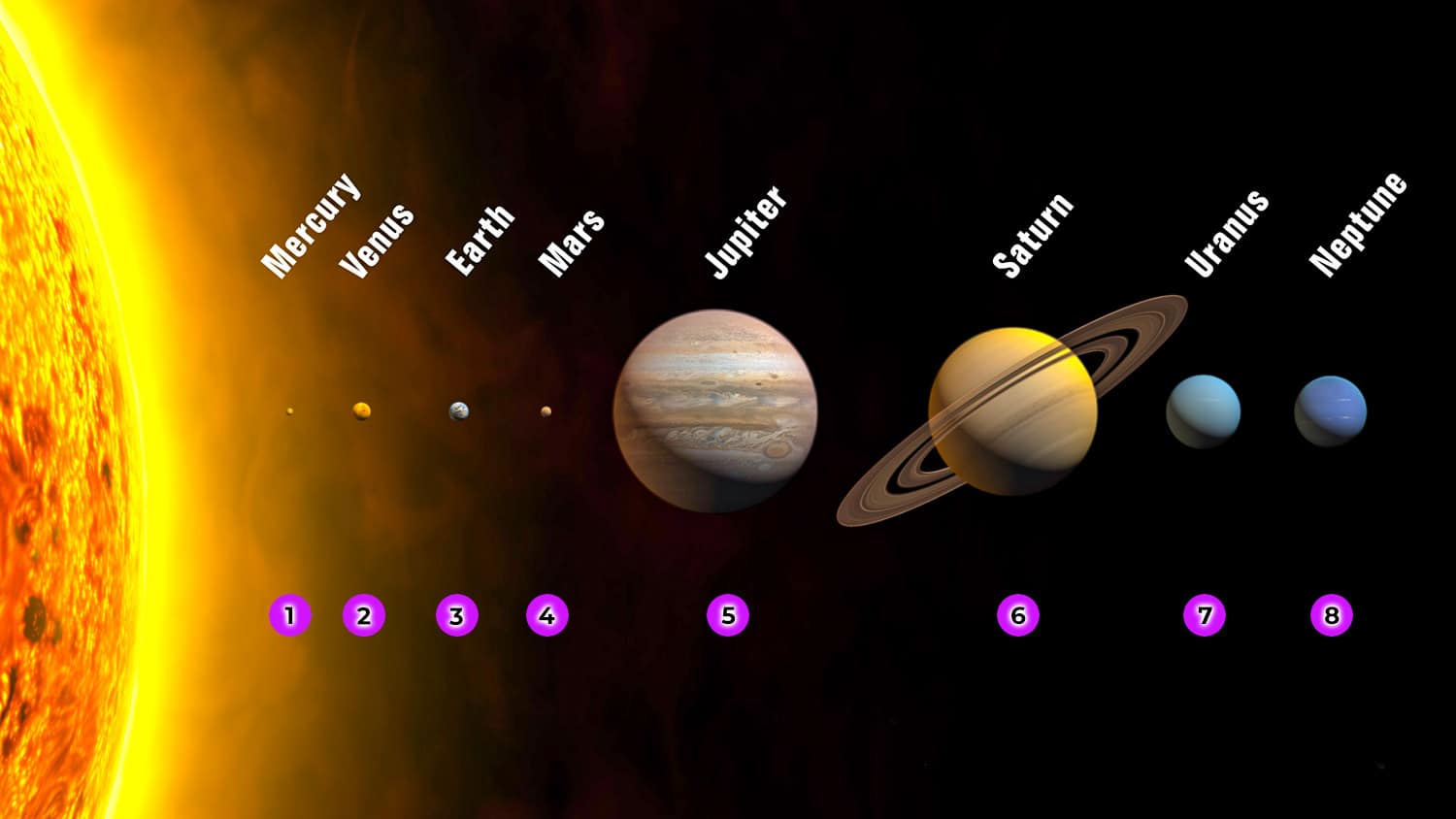
This article explores the cutting-edge technology required to study our innermost neighbor, analyzing how the challenges of Mercury are driving innovation in material science, robotics, and digital signal processing.
Engineering for the Extreme: Hardware Design in the Solar Forge
To reach and orbit the closest planet to the sun, spacecraft must endure an environment more hostile than almost any other in our solar system. The hardware design for missions like NASA’s MESSENGER and the ESA/JAXA BepiColombo mission represents a masterclass in thermal management and structural resilience.
Advanced Thermal Shielding and Ceramic Fabrics
The primary challenge of Mercury exploration is the heat. Spacecraft are hit with solar radiation ten times more intense than what we experience on Earth. To combat this, engineers have developed specialized “sunshields.” Unlike the gold-foil layers seen on many satellites, Mercury-bound tech utilizes multi-layer insulation made of high-temperature ceramics and OSRs (Optical Solar Reflectors).
For the BepiColombo mission, engineers utilized a specialized white ceramic coating on the high-gain antenna, designed to reflect heat while allowing radio waves to pass through. These material innovations often trickle down into terrestrial tech, influencing high-performance heat shielding in the aerospace and automotive industries.
High-Efficiency Photovoltaic Arrays
Ironically, being close to the Sun makes solar power more difficult, not easier. Standard solar panels would melt or degrade instantly under Mercury’s glare. Tech teams have had to innovate by creating “tilting” solar arrays. These panels are angled away from the Sun to reduce the intensity of the light while still gathering enough energy to power the craft’s systems. The development of high-concentration photovoltaic (HCPV) cells for these missions has paved the way for more efficient solar tech used in desert-based power plants on Earth.
Radiation-Hardened Circuitry
Mercury’s proximity to the Sun exposes hardware to intense solar winds and high-energy particles. Standard silicon chips would suffer from “bit-flips” or total failure within days. Engineers utilize “rad-hard” (radiation-hardened) components, employing techniques like Silicon-on-Insulator (SOI) technology and redundant logic gates to ensure that the mission’s “brain” remains functional despite the onslaught of cosmic rays.
The Software Frontier: AI and Autonomous Navigation at 100,000 MPH
Because Mercury is so close to the Sun, the gravitational pull is immense. Maneuvering a spacecraft into orbit around the closest planet requires incredible precision. This is where software and AI tools become the unsung heroes of space exploration.
Ion Propulsion and Algorithmic Guidance
The journey to Mercury is not a straight line; it is a series of complex gravitational “braking” maneuvers. The BepiColombo mission utilizes solar-electric propulsion (ion engines). Controlling these engines requires sophisticated software algorithms that calculate thrust vectors in real-time, balancing the Sun’s massive gravitational pull against the craft’s momentum. These guidance systems are early precursors to the autonomous navigation software we are seeing in the next generation of terrestrial drones and self-driving vehicles.
Machine Learning in Topographical Mapping
The MESSENGER mission returned hundreds of thousands of images of Mercury’s surface. Manually cataloging every crater and geological feature would take decades. Today, data scientists use Machine Learning (ML) models to process this visual data. AI tools are trained to identify specific geological signatures—such as “hollows” (unique depressions found only on Mercury)—allowing researchers to map the planet’s composition with unprecedented speed. This use of AI in geospatial analysis is now being applied to Earth-based satellite imagery for environmental monitoring and urban planning.
Deep Space Signal Processing
Communicating with a probe near the Sun is a digital security and signal processing nightmare. The Sun is a massive source of radio noise. To ensure that data packets from Mercury reach Earth without corruption, engineers employ advanced Error Correction Code (ECC) algorithms and high-frequency X-band and Ka-band radio links. This tech ensures that even if a portion of the data is lost to solar interference, the “handshake” between the probe and the Deep Space Network remains secure and the data can be reconstructed.
Robotics and the Future of Mercury Surface Exploration
While we have orbited the closest planet to the sun, landing on it remains one of the “holy grails” of tech engineering. The next decade of technology will focus on how we can put boots—or rather, treads—on the ground.
Solid-State Batteries for High-Temperature Survival
Standard lithium-ion batteries would explode in Mercury’s daytime heat. For a lander to survive, tech companies are looking toward solid-state battery technology. These batteries replace liquid electrolytes with solid materials that are much more stable at high temperatures. The research conducted for high-heat planetary landers is directly accelerating the development of safer, longer-lasting batteries for the electric vehicle (EV) market.
Autonomous Rovers and Edge Computing
Due to the distance from Earth, there is a significant time lag in communications (latency). A rover on Mercury cannot be “remote-controlled” in real-time. It must possess “Edge Computing” capabilities—processing data and making decisions locally rather than relying on a central server on Earth. This requires powerful onboard AI that can identify obstacles, plan paths, and prioritize scientific tasks autonomously. This push for “intelligent edge” hardware is a major trend in the broader tech industry, powering everything from industrial robots to smart home devices.
3D Printing and In-Situ Resource Utilization (ISRU)
The tech for future Mercury bases may rely on 3D printing using “regolith” (planetary soil). Because it is too expensive to launch heavy materials from Earth, engineers are developing specialized 3D printers that can operate in vacuum environments to create shelters or spare parts from Mercury’s own crust. This “In-Situ Resource Utilization” is a key focus of current R&D in the aerospace tech sector, bridging the gap between digital design and physical construction.
Why Mercury’s Tech Lessons Matter for Global Digital Infrastructure
Studying the closest planet to the sun isn’t just about satisfying scientific curiosity; it is a driver for the “Tech Trends” of tomorrow. The innovations birthed from the necessity of surviving Mercury have direct applications in our daily lives.
Enhancing Digital Security and Resilience
The radiation-hardening and error-correction technologies developed for Mercury missions are vital for Earth’s own digital security. As we move toward a world reliant on 5G/6G and satellite-based internet (like Starlink), the ability to maintain signal integrity in “noisy” or high-interference environments becomes critical. The protocols tested in the “Solar Forge” of Mercury provide a blueprint for a more resilient global internet.
Advancements in Heat Management for Data Centers
Modern data centers and AI supercomputers generate immense amounts of heat, requiring massive amounts of energy for cooling. The thermal management systems—such as “cold plates” and advanced phase-change materials—pioneered for Mercury probes are being adapted for use in terrestrial server farms. By applying space-grade heat dissipation tech, companies can reduce the carbon footprint and increase the efficiency of our global digital infrastructure.
The Miniaturization of Sensors
In space tech, every gram counts. The need to fit high-resolution spectrometers, magnetometers, and cameras into a tiny payload has led to the hyper-miniaturization of sensors. We see the results of this tech trend in our smartphones and wearable health devices. The high-performance sensors that once monitored Mercury’s magnetic field are the ancestors of the tech that now monitors your heart rate or identifies your location via GPS.
Conclusion: The Innermost Planet as a Tech Catalyst
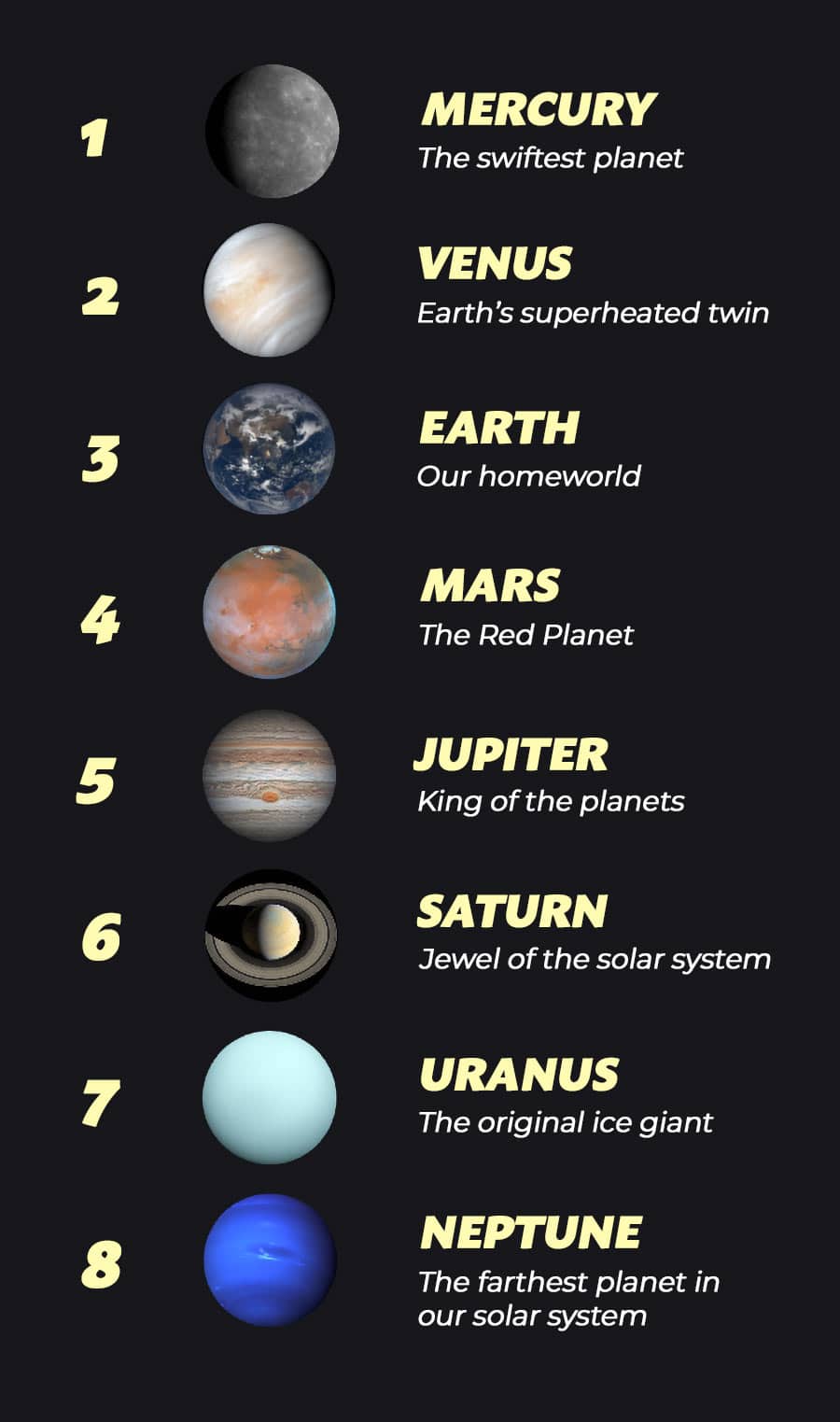
The answer to “what is the closest planet to the sun?” is simple, but the technological journey to reach it is anything but. Mercury serves as a high-stakes laboratory for the most advanced hardware, software, and AI tools in existence. By pushing the boundaries of what materials can withstand, how AI can navigate, and how signals can be transmitted through solar interference, we are not just learning about a distant rock—we are building the framework for the future of technology on Earth.
As we look toward the next generation of missions, such as the full arrival of BepiColombo in 2025, the tech world remains poised to adopt the lessons learned from the Sun’s closest neighbor, proving that sometimes, you have to head toward the heat to find the coolest innovations.
aViewFromTheCave is a participant in the Amazon Services LLC Associates Program, an affiliate advertising program designed to provide a means for sites to earn advertising fees by advertising and linking to Amazon.com. Amazon, the Amazon logo, AmazonSupply, and the AmazonSupply logo are trademarks of Amazon.com, Inc. or its affiliates. As an Amazon Associate we earn affiliate commissions from qualifying purchases.