
In the landscape of modern media consumption, television has evolved from a simple broadcast receiver into a sophisticated computing hub. Among the myriad of features embedded within these digital systems, closed captioning (CC) stands as one of the most vital yet technically misunderstood components. While often viewed simply as “text on the screen,” closed captioning is a complex integration of signal processing, data encoding, and user interface design. It serves as a cornerstone of digital accessibility, bridging the gap between auditory content and visual data.

Understanding closed captioning requires a look beyond the surface level of text overlays. It involves exploring the transition from analog broadcast signals to digital metadata streams and the subsequent rise of AI-driven real-time transcription. Whether you are navigating the settings of a 4K OLED Smart TV or configuring a streaming stick, the technology behind those scrolling lines of text is a marvel of consumer electronics engineering.
The Evolution and Technology of Closed Captioning
The journey of closed captioning began long before the era of high-speed internet and high-definition displays. In its earliest iterations during the 1970s, the challenge was how to transmit textual data alongside a video signal without interfering with the visual experience for those who did not need it.
The Analog Foundation: Line 21
In the days of analog television (NTSC), closed captions were transmitted via a specific part of the television signal known as the Vertical Blanking Interval (VBI). Specifically, “Line 21” was reserved for captioning data. This was a non-visible line of the television picture that contained encoded pulses. Because it was “closed,” a specialized hardware decoder was required to extract this data and overlay it onto the screen. It wasn’t until the Television Decoder Circuitry Act of 1990 that the United States mandated all televisions with screens 13 inches or larger to include built-in captioning decoders.
The Digital Shift: EIA-608 vs. CEA-708
As the world transitioned to digital broadcasting (ATSC), the technical standards for captioning underwent a radical transformation. The industry moved from the legacy EIA-608 standard (which was limited in terms of character sets and formatting) to the much more robust CEA-708 standard.
Digital closed captions (DTVCC) are no longer hidden in the VBI. Instead, they are integrated as a separate data stream within the MPEG-2 or H.264/H.265 transport stream. This shift allowed for significantly more technical flexibility, including:
- Variable Font Sizes: Users could finally adjust the text to suit their visual needs.
- Color Customization: Moving beyond white text on a black background to a full spectrum of colors for both text and “windows.”
- Multiple Languages: The ability to carry several different language tracks simultaneously within the same digital stream.
Closed Captions vs. Subtitles: Understanding the Technical Differences
In common parlance, the terms “closed captions” and “subtitles” are often used interchangeably, but from a technical and functional standpoint, they serve distinct purposes. Understanding this distinction is crucial for both tech enthusiasts and general consumers looking to optimize their viewing experience.
Subtitles (Subtitles for the Hearing)
Subtitles are primarily designed for viewers who can hear the audio but do not understand the language being spoken. Consequently, subtitles focus exclusively on translating dialogue. They do not typically include information about background noises, speaker identification, or emotional tone delivered through sound effects. In many regions, particularly in Europe, the distinction is less pronounced, but in North American tech standards, subtitles are a “lower” form of data compared to the comprehensive nature of CC.
Closed Captions (Subtitles for the Deaf and Hard of Hearing)
Closed captions are a more comprehensive data set. They are designed to provide a complete replacement for the auditory experience. This means that in addition to dialogue, CC includes descriptive text for:
- Sound Effects: e.g., “[phone ringing],” “[door slams],” or “[eerie music].”
- Speaker Identification: Indicating who is speaking when they are off-screen or when multiple people are in a scene.
- Non-Verbal Cues: Describing the tone of voice, such as “[whispering]” or “[shouting].”
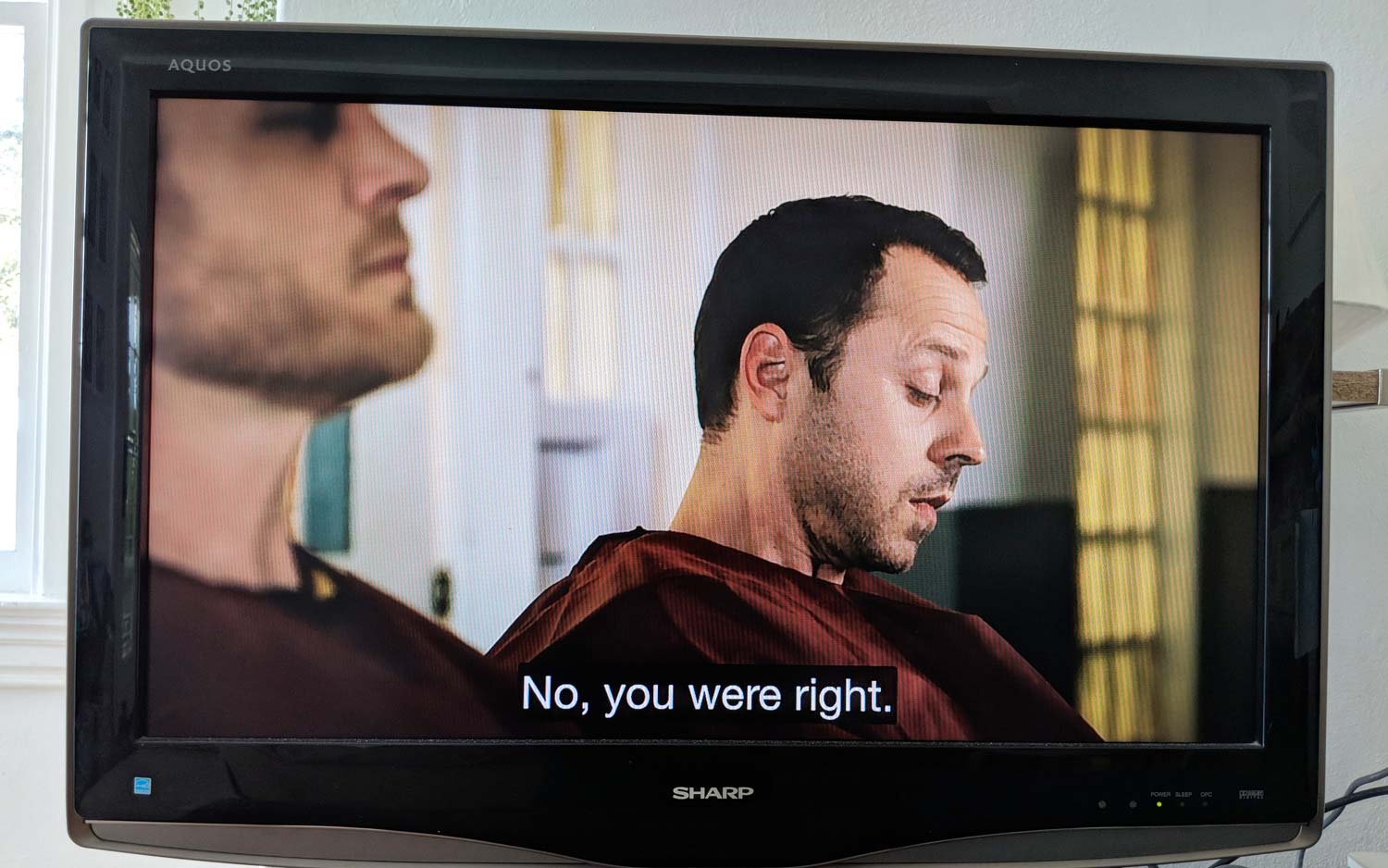
The “closed” in closed captioning refers to the fact that the text is not a permanent part of the video image (which would be “open captions” or “burned-in” captions). Instead, it exists as a separate data layer that can be toggled on or off by the user through the television’s software interface.
How Modern Smart TVs and Streaming Services Process CC Data
In the contemporary tech ecosystem, the way captions reach your screen depends heavily on the hardware and software stack you are using. Whether you are using a native Smart TV app, a cable box, or a dedicated streaming device like an Apple TV or Roku, the processing of captioning data is a multi-step orchestration.
The Metadata Pipeline
When you stream a movie on a platform like Netflix or Disney+, the video player retrieves several files simultaneously. One file is the video buffer, another is the audio track, and the third is a timed text file—often in formats like WebVTT (Web Video Text Tracks) or TTML (Timed Text Markup Language).
The television’s processor acts as the conductor. It must synchronize the timestamps in the text file with the frame rate of the video. If the processor lags or the network jitter is too high, you may experience “caption drift,” where the text appears before or after the corresponding audio. Modern SoC (System on a Chip) designs in TVs include dedicated hardware blocks to ensure that text rendering does not tax the main CPU, ensuring smooth performance even at 4K resolutions.
The Role of the FCC and Global Standards
From a regulatory and technical compliance standpoint, the Federal Communications Commission (FCC) in the U.S. mandates strict “Quality Standards” for closed captioning. These include:
- Accuracy: Captions must match the spoken words and include all background noises.
- Synchronicity: Captions must coincide with the spoken words to the greatest extent possible.
- Completeness: Captions must run from the beginning to the end of the program.
- Placement: Captions should not block important visual content on the screen, such as graphics or faces.
Smart TV manufacturers must build their operating systems (webOS, Tizen, Android TV) to respect these standards, providing global accessibility settings that override individual app behaviors to ensure a consistent user experience.
Customizing the Digital Experience: Enhancing Readability and UI
One of the greatest advancements in modern TV technology is the ability for the user to control the aesthetic of the information. Legacy analog captions were notoriously difficult to read, featuring blocky, monospaced fonts that often obscured the picture. Today, the user interface (UI) for captioning is a critical part of the software design.
Font and Rendering
Most modern TVs allow users to choose between various font families, including proportional sans-serif (like Arial or Helvetica) and monospaced serif (like Courier). The rendering engine uses anti-aliasing tech to ensure that the text remains crisp even when scaled up on 75-inch or 85-inch displays.
Opacity and Backgrounds
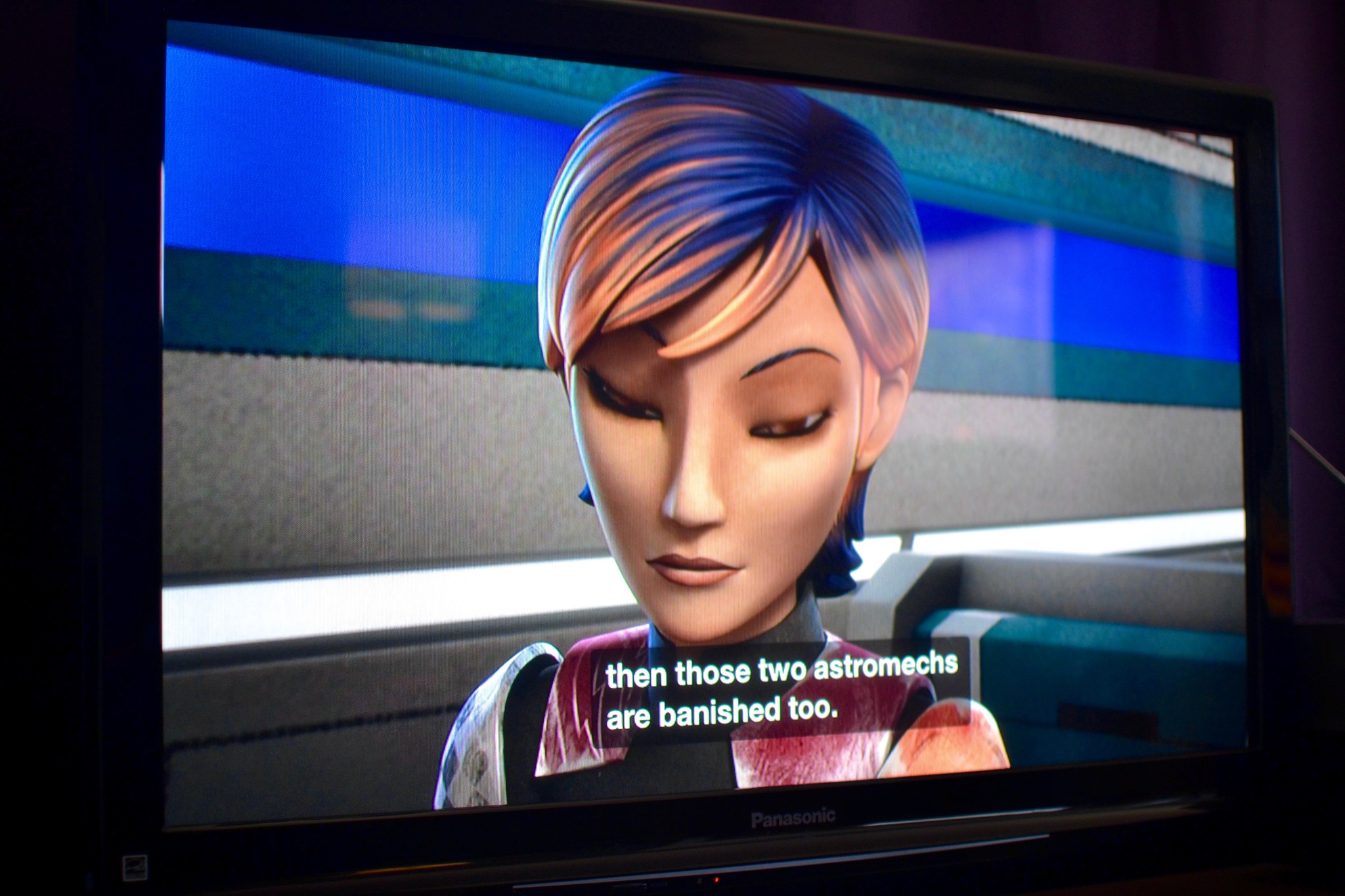
To solve the problem of text blending into bright scenes, manufacturers have introduced “background opacity” and “character edge” settings. Users can add a semi-transparent black box behind the text or apply a drop shadow/outline to the characters. This level of customization is handled by the TV’s graphics overlay engine, which sits on top of the video rendering layer.
Global Accessibility Menus
Most TV tech now includes a dedicated “Accessibility” menu in the system settings. This is a centralized hub where users can set their preferences once, and the OS attempts to push those settings to every third-party app installed on the device. This “set it and forget it” approach is a hallmark of user-centric design in the modern tech era.
The Future of Captions: AI and Real-Time Speech Recognition
As we look toward the future of television and digital media, the most significant innovation in captioning is the integration of Artificial Intelligence (AI) and Machine Learning (ML).
Automatic Speech Recognition (ASR)
For decades, live television—such as news broadcasts and sports—required human “stenocaptioners” to type at incredible speeds or use re-speaking techniques to generate captions in real-time. This process is expensive and prone to human fatigue.
The latest generation of TVs and streaming platforms are experimenting with ASR. Modern AI models can now transcribe speech with over 95% accuracy in real-time. This technology is being integrated directly into the silicon of some high-end TVs, allowing for “Live Captioning” of any audio source, including user-generated content or HDMI inputs that might not have come with native caption data.
Neural Machine Translation
The next frontier is the real-time translation of captions. Imagine watching a live broadcast from Japan or Germany on your smart TV and having the device use a neural network to translate and caption the audio into English in real-time. While currently limited by latency (the delay between speech and the appearance of text), advancements in edge computing and 5G/6G connectivity are rapidly closing this gap.
Object-Based Media
In the future, captions may move away from being a flat overlay and become “object-based.” In this technical framework, the captions could interact with the video content. For example, if a character moves across the screen, the captions could move with them, or if an important visual element appears at the bottom of the screen, the AI could automatically reposition the text to the top to avoid obstruction.
Closed captioning on a TV is far more than a simple convenience for the hearing impaired. It is a sophisticated, highly regulated, and technologically evolving feature that enhances the viewing experience for millions. From its roots in Line 21 of the analog signal to the AI-driven future of real-time translation, CC represents the best of what consumer technology can achieve: making information accessible, customizable, and universal for everyone.
aViewFromTheCave is a participant in the Amazon Services LLC Associates Program, an affiliate advertising program designed to provide a means for sites to earn advertising fees by advertising and linking to Amazon.com. Amazon, the Amazon logo, AmazonSupply, and the AmazonSupply logo are trademarks of Amazon.com, Inc. or its affiliates. As an Amazon Associate we earn affiliate commissions from qualifying purchases.