
In the contemporary landscape of digital audio production and live performance, precision is the bedrock upon which professional content is built. At the heart of this precision lies a fundamental tool known as the click track. While it may sound like a simple metronome to the uninitiated, the click track is a sophisticated piece of audio technology that serves as the invisible heartbeat of the modern music and media industries. From the high-stakes environment of a Hollywood scoring stage to the bedroom studio of an aspiring electronic producer, understanding what a click track is—and how to leverage the technology behind it—is essential for anyone navigating the intersection of art and digital tools.
Understanding the Fundamentals of the Click Track
At its most basic level, a click track is an auditory rhythmic cue used to synchronize sound recordings to a specific tempo. It is a digital or electronic pulse that provides a consistent reference point for performers, engineers, and editors. However, the technology has evolved far beyond the mechanical ticking of a wooden metronome.
Definition and Basic Mechanics
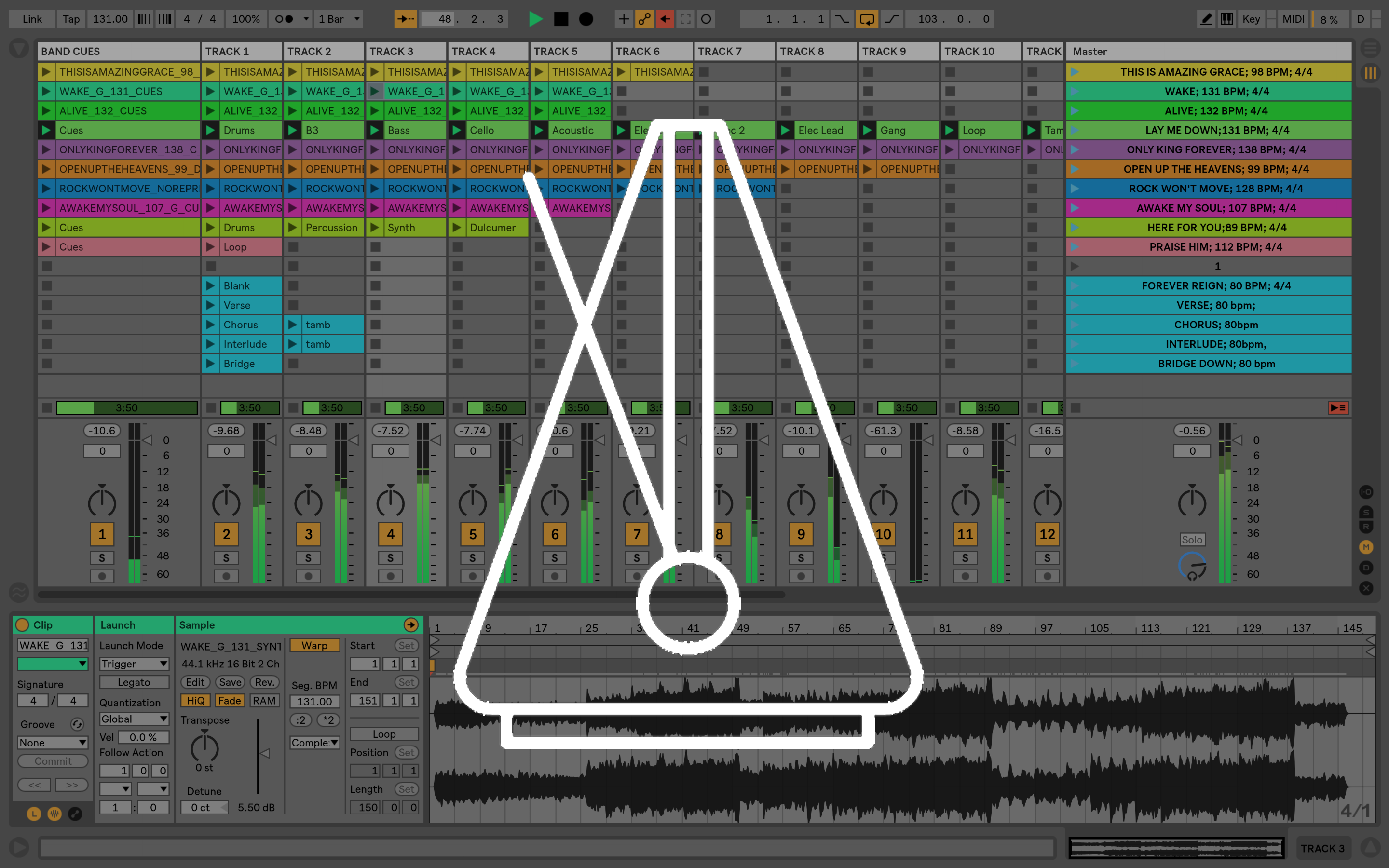
A click track is a series of audio pulses, typically set to a specific number of beats per minute (BPM). In a digital environment, these pulses are generated by software—most commonly a Digital Audio Workstation (DAW). Unlike a standard metronome, which is an external device, a click track is integrated into the recording project’s timeline. This allows the audio pulses to be perfectly aligned with the “grid” of the software, ensuring that every transient of a recorded instrument can be mapped to a precise millisecond in digital space.
The sound of the click itself is customizable. Engineers often choose sounds that cut through a dense mix without causing ear fatigue, such as a sharp “cowbell,” a synthesized “sidestick,” or a digital “chirp.” The technical importance of the click track lies in its ability to provide a common temporal language for multiple layers of audio that may be recorded at different times or even in different geographical locations.
The Evolution from Mechanical Metronomes to Digital Precision
The history of the click track is a testament to technological progress. Before the digital age, synchronization was a physical challenge. In the early days of film, “click tracks” were literally created by punching holes into the optical soundtrack of a film strip, which would produce a “pop” sound when passed over the audio head. This allowed conductors to sync orchestral scores to the visual action on screen.
With the advent of magnetic tape, synchronization became more complex, requiring “pilot tones” to keep machines in sync. Today, we utilize MIDI (Musical Instrument Digital Interface) and sample-accurate digital clocks. This shift from mechanical to digital has moved the click track from being a mere guide for a drummer to becoming the master clock for entire multimedia ecosystems, controlling lights, video walls, and software plugins simultaneously.
The Role of Click Tracks in Digital Audio Workstations (DAWs)
In the modern recording studio, the DAW (such as Pro Tools, Logic Pro, or Ableton Live) acts as the central hub for all creative activity. Within this software, the click track is not just a sound; it is a data-driven framework that governs how the computer processes time.
Synchronization and Multitracking
The primary technical advantage of a click track is the ability to perform multitracking with absolute consistency. In traditional recording, a band might play together in a room. In modern tech-driven production, a drummer in London might record a beat, which is then sent to a guitarist in Los Angeles. Without a click track, these two performances would never align perfectly.
By using a click track, every artist records against a shared digital grid. This allows for “quantization”—the process of using software algorithms to shift audio or MIDI data to the nearest beat. This level of precision is what enables the polished, “radio-ready” sound of contemporary pop, EDM, and hip-hop. The technology ensures that the kick drum, the bass synth, and the vocal doubles are all perfectly phase-aligned, preventing the rhythmic “smearing” that occurs with timing inconsistencies.
MIDI Integration and Tempo Mapping
Beyond simple 4/4 time, modern click track technology allows for complex tempo mapping. In a single project, the software can be programmed to change tempo or time signatures at specific markers. For example, a song might accelerate from 120 BPM to 140 BPM during a transition.
This is managed through MIDI automation. The click track communicates with virtual instruments and hardware synthesizers, telling them exactly how fast their internal oscillators and arpeggiators should run. If a producer changes the project tempo, the click track updates instantly, and all time-based effects—such as delays and reverbs—automatically recalibrate to stay in sync. This interconnectivity is a hallmark of modern music technology.
Practical Applications in Professional Environments
The utility of a click track extends far beyond the recording studio. It has become a vital component of live performance and post-production workflows.
Studio Recording and Layering
In the studio, the click track is the “anchor.” When recording a complex vocal arrangement, a singer might record twenty different tracks to create a lush, choir-like effect. The click track ensures that every “S” and “T” sound at the end of a word happens at exactly the same moment across all twenty tracks.
Furthermore, the click track allows for seamless editing. If a drummer plays a perfect verse but a shaky chorus, the engineer can easily “comp” or “grid” the performance. Because the recording was done to a click, the engineer can cut a section of audio and paste it elsewhere in the timeline, confident that it will match the tempo of the surrounding clips.
Live Performances and Visual Sync
If you have ever attended a stadium concert and wondered how the lights, pyrotechnics, and background videos stay perfectly synced with the band, the answer is a click track. In a live setting, the drummer usually wears in-ear monitors (IEMs) that play a click track along with “cues” (e.g., “Chorus in 1, 2, 3, 4”).
This click track is often part of a larger “playback rig”—a computer system running software like Ableton Live. The click keeps the drummer in time with pre-recorded backing tracks (strings, synthesizers, or backing vocals). Simultaneously, the computer sends MIDI Timecode (MTC) or SMPTE signals to the lighting console and video servers. This ensures that a massive burst of light or a video transition happens on the exact beat of the music, creating a cohesive, high-tech sensory experience.
Advancements in Click Track Technology and AI
As with all sectors of technology, the click track is being transformed by artificial intelligence and wearable hardware. We are moving away from the era of the “static” click toward a more “fluid” and “intelligent” timing reference.
Adaptive Click Tracks and Smart Tempo
One of the most significant recent breakthroughs in music tech is “Smart Tempo” or adaptive clicking. Historically, musicians had to follow the click. If the musician sped up, the click stayed the same, resulting in a “mistake.”
New AI-driven algorithms in DAWs can now analyze an incoming audio signal in real-time and adjust the click track to follow the human performer. If a pianist plays with a natural rubato (speeding up and slowing down for emotional effect), the click track “listens” and shifts its pulse to match the pianist. This allows for the benefits of a digital grid (easier editing and syncing) without sacrificing the “human feel” of a performance.
Haptic Feedback and Wearable Tech for Musicians
Another frontier is the move from auditory clicks to haptic ones. Many musicians find the constant “beep” of a click track distracting or even damaging to their hearing over long periods.
Enter wearable technology like the Soundbrenner Pulse or similar haptic devices. These gadgets are worn on the wrist, arm, or chest and deliver the click track via vibrations rather than sound. This “silent metronome” technology uses powerful haptic motors to allow musicians to “feel” the beat. From a tech perspective, these devices often sync via Bluetooth to a smartphone or DAW, allowing a whole band to feel the same pulse simultaneously without a single audible click being played.
Best Practices for Using Technology to Master Timing
While the technology is powerful, the implementation of a click track requires a strategic approach to ensure the best results in a professional audio project.
Choosing the Right Sound and Subdivision
Not all click sounds are created equal. High-frequency “chirps” are excellent for piercing through loud guitars, but they can “bleed” into sensitive microphones, ruining a quiet vocal take. Tech-savvy engineers use “low-bleed” click tracks or even utilize visual clicks (flashing lights on a screen) for extremely sensitive recordings.
Furthermore, the “subdivision” of the click is crucial. Instead of just clicking on every beat (1, 2, 3, 4), a producer might set the software to click on eighth notes or triplets. This higher resolution of timing information can help a performer stay more locked into the groove, especially in slower tempos where the space between beats is large.

Balancing Human Feel with Digital Perfection
The greatest challenge in using click track technology is avoiding the “robotic” sound. When every note is perfectly aligned to a digital grid, the music can lose its soul. This is where “latency compensation” and “swing settings” come into play.
Modern DAWs offer “Groove Pools” or “Swing Functions” that subtly shift the click track’s internal logic to mimic human imperfection. By applying a 5% swing or a “laid back” feel, the digital click can encourage a performer to play slightly behind the beat, which is a key component of genres like jazz, blues, and neo-soul. The goal is to use the technology as a scaffold—providing support and structure without dictating every nuance of the creative expression.
In conclusion, the click track is far more than a simple time-keeping device; it is a sophisticated technological bridge that connects human creativity with digital precision. Whether it is facilitating global collaboration through DAWs, powering massive live spectacles, or evolving through AI and haptic wearables, the click track remains the most essential, albeit invisible, tool in the modern audio professional’s toolkit. Understanding its mechanics and applications is the first step toward mastering the high-tech world of modern sound production.
aViewFromTheCave is a participant in the Amazon Services LLC Associates Program, an affiliate advertising program designed to provide a means for sites to earn advertising fees by advertising and linking to Amazon.com. Amazon, the Amazon logo, AmazonSupply, and the AmazonSupply logo are trademarks of Amazon.com, Inc. or its affiliates. As an Amazon Associate we earn affiliate commissions from qualifying purchases.