
In the modern economic landscape, individual financial success is often predicated on mobility. While many view a driver’s license as a mere rite of passage, from a professional and financial perspective, the Class D permit is a foundational asset. It serves as the primary gateway to the gig economy, a prerequisite for thousands of high-paying career paths, and a critical tool for optimizing personal time-wealth.
Understanding the “Class D” designation—which typically refers to the standard permit for operating passenger vehicles, small trucks, and vans—is the first step in assessing its value as a financial instrument. This article explores the multifaceted economic impact of the Class D permit, from its initial investment costs to its role in generating diverse income streams and managing long-term personal wealth.
Understanding the Class D Permit as a Financial Asset
When we strip away the social implications of driving, a Class D permit is essentially a professional certification. Like a notary license or a software certification, it grants the holder legal authority to perform specific tasks that have market value.
What is a Class D Permit?
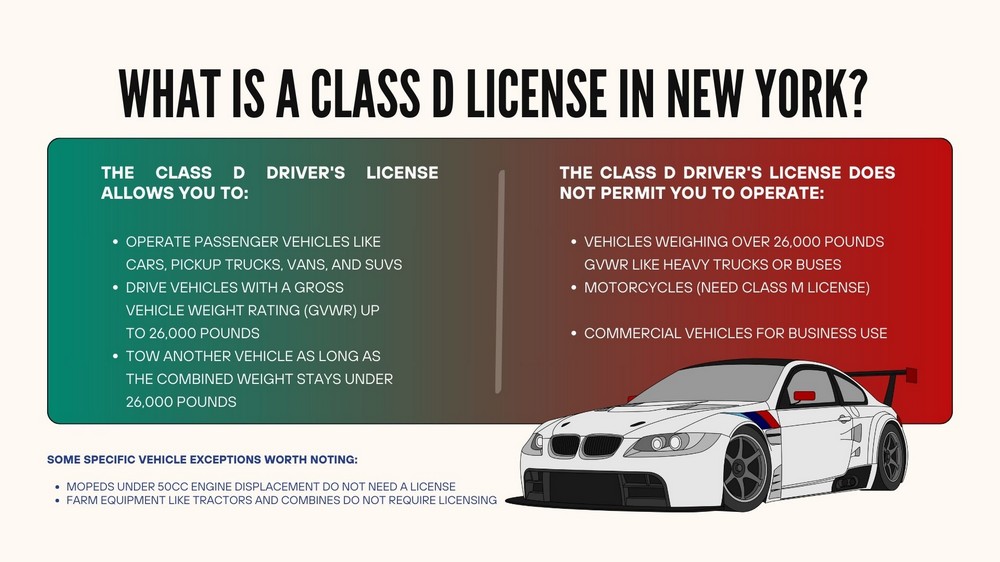
A Class D permit is the most common tier of licensure in the United States and several other jurisdictions. It generally authorizes the holder to operate vehicles with a Gross Vehicle Weight Rating (GVWR) of less than 26,001 pounds. This includes standard sedans, SUVs, and some light-duty commercial vans. From a money-management perspective, this permit represents the “entry-level” requirement for participation in any industry that requires physical presence or the transport of goods.
The Initial Investment: Application Fees and Hidden Costs
Before a Class D permit can generate income, it requires an initial capital outlay. This is a classic example of “spending money to make money.” The direct costs include:
- Government Fees: Ranging from $20 to $100 depending on the state or province.
- Driver Education: Often costing between $200 and $800, which should be viewed as a tuition expense for a necessary professional skill.
- Opportunity Cost: The time spent studying and practicing is time not spent in other income-generating activities.
By framing these expenses as a capital investment rather than a generic expense, individuals can better evaluate the “Return on Investment” (ROI) that the permit provides through expanded job opportunities.
Leveraging the Class D Permit for Income Generation
The most immediate financial benefit of obtaining a Class D permit is the opening of new revenue channels. In a post-pandemic economy, the ability to move oneself or products from point A to point B is a highly liquid skill.
The Gig Economy: Rideshare and Delivery Services
The rise of platforms like Uber, Lyft, DoorDash, and Amazon Flex has turned the Class D permit into a tool for immediate liquidity. For someone facing a financial crunch, the permit allows for “on-demand” income.
- Scalability: Unlike a traditional 9-to-5 job, gig work allows for marginal utility optimization. You can work exactly enough to cover a specific bill or save for a specific investment.
- Entry Barriers: Because the Class D permit is the primary requirement, the barrier to entry is low, making it one of the most accessible side hustles for building an emergency fund or paying down high-interest debt.
Professional Mobility: Expanding Your Employment Reach
Beyond the gig economy, a Class D permit significantly increases your “earning radius.” Without a permit, an individual is limited to jobs accessible by public transit or within walking distance. Financially, this creates a “geographic tax”—you may be forced to accept a lower-paying job simply because you cannot reach a higher-paying one 20 miles away.
Investing in a Class D permit effectively broadens your job market, allowing you to compete for roles in regions with higher median salaries. This mobility is often the difference between stagnation and a five-figure bump in annual salary.
Managing the Expenses: Maintenance, Insurance, and Depreciation
While the Class D permit creates income opportunities, it also introduces a new set of financial liabilities. Strategic money management requires a rigorous analysis of the costs associated with utilizing this permit.
Calculating the Total Cost of Ownership (TCO)
To truly understand the profit margin of a permit-enabled side hustle, one must calculate the Total Cost of Ownership (TCO) of the vehicle being driven. This includes:
- Fuel Consumption: Fluctuating fuel prices act as a variable tax on your permit’s utility.
- Depreciation: Every mile driven to earn money reduces the resale value of the asset (the car).
- Maintenance: Tires, oil changes, and brakes are the “overhead” of your mobile business.
Professional wealth managers often suggest that if the cost per mile exceeds the income per mile, the permit is being utilized inefficiently.
Insurance Premiums and Their Impact on Monthly Cash Flow
A Class D permit is a major factor in determining insurance premiums. For young drivers or those with a limited credit history, the cost of insurance can be a significant drag on monthly cash flow.
- Risk Management: Maintaining a clean driving record under your Class D permit is a direct way to protect your wealth. A single moving violation can increase insurance premiums by 20-30%, representing a lost opportunity for investment or savings.
- Commercial Coverage: If using the permit for business or side hustles, standard personal insurance may not suffice. Navigating the costs of “rideshare endorsements” is a critical part of financial planning for the modern driver.
Strategic Financial Planning for Permit Holders
For the savvy individual, a Class D permit is not just about driving; it’s about tax strategy and long-term asset management.
Tax Deductions for Vehicle-Based Business Expenses
One of the greatest financial advantages for Class D permit holders who engage in 1099 (independent contractor) work is the ability to write off expenses. The IRS allows for a standard mileage rate deduction (which is 67 cents per mile as of 2024).
- Income Shielding: By accurately tracking miles driven for business purposes, permit holders can shield a significant portion of their gross income from federal and state taxes.
- Home Office Links: In some cases, the commute from a home office to a secondary work site can be deductible, further optimizing the permit holder’s tax profile.
Investing in Skill Acquisition Beyond the Permit
A Class D permit should be viewed as the “base layer” of a financial pyramid. Once the permit is secured and producing income, the next logical financial step is “up-skilling.” This might involve:
- Endorsements: Seeking specialized certifications that allow for the transport of specific goods.
- Transitioning to Class A or B: For those looking to move into high-income logistics, the Class D permit is the prerequisite for a Commercial Driver’s License (CDL). The jump from a Class D to a CDL can often double or triple an individual’s annual earning potential, representing a massive shift in their socio-economic trajectory.

Conclusion: The Long-Term ROI of a Class D Permit
In conclusion, a Class D permit is far more than a legal requirement for road travel; it is a versatile financial instrument. It provides a safety net through the gig economy, expands the geographic boundaries of your career, and offers unique tax advantages for the entrepreneurial-minded.
However, like any financial asset, it must be managed with discipline. The costs of vehicle maintenance, insurance, and the inherent risks of driving must be weighed against the income it generates. By treating the Class D permit as a professional credential and a tool for wealth creation, individuals can leverage it to build a more robust and resilient financial future. Whether you are using it to shave hours off a commute or to launch a full-scale delivery business, the Class D permit remains one of the most cost-effective investments an individual can make in their own economic mobility.
aViewFromTheCave is a participant in the Amazon Services LLC Associates Program, an affiliate advertising program designed to provide a means for sites to earn advertising fees by advertising and linking to Amazon.com. Amazon, the Amazon logo, AmazonSupply, and the AmazonSupply logo are trademarks of Amazon.com, Inc. or its affiliates. As an Amazon Associate we earn affiliate commissions from qualifying purchases.