
In the landscape of personal finance and strategic asset acquisition, the “Class C vehicle” occupies a unique and highly influential position. While many view a motorhome or a commercial cutaway chassis through the lens of recreation or logistics, the savvy investor and the budget-conscious consumer recognize these vehicles as significant financial instruments. Whether you are considering a Class C for a nomadic lifestyle, a rental side hustle, or a business fleet expansion, understanding the economic nuances of this vehicle class is essential for maximizing your return on investment.
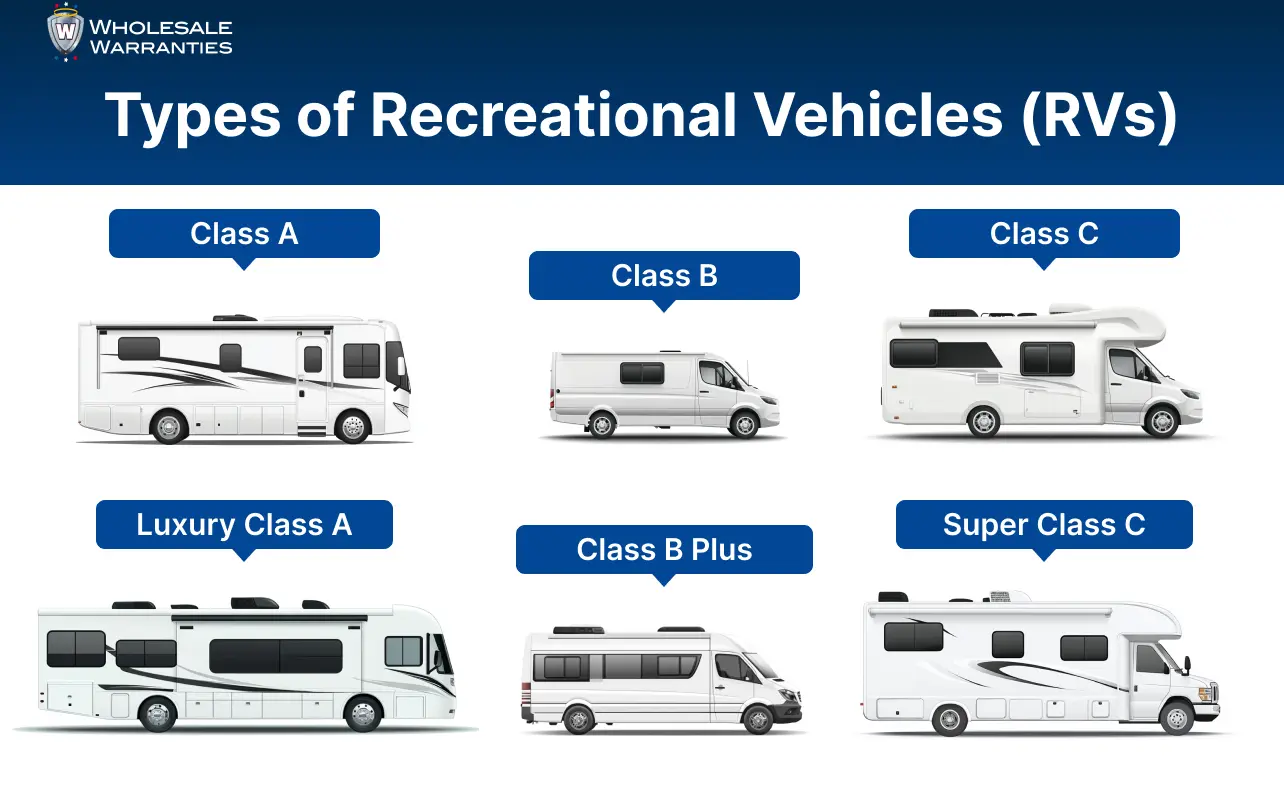
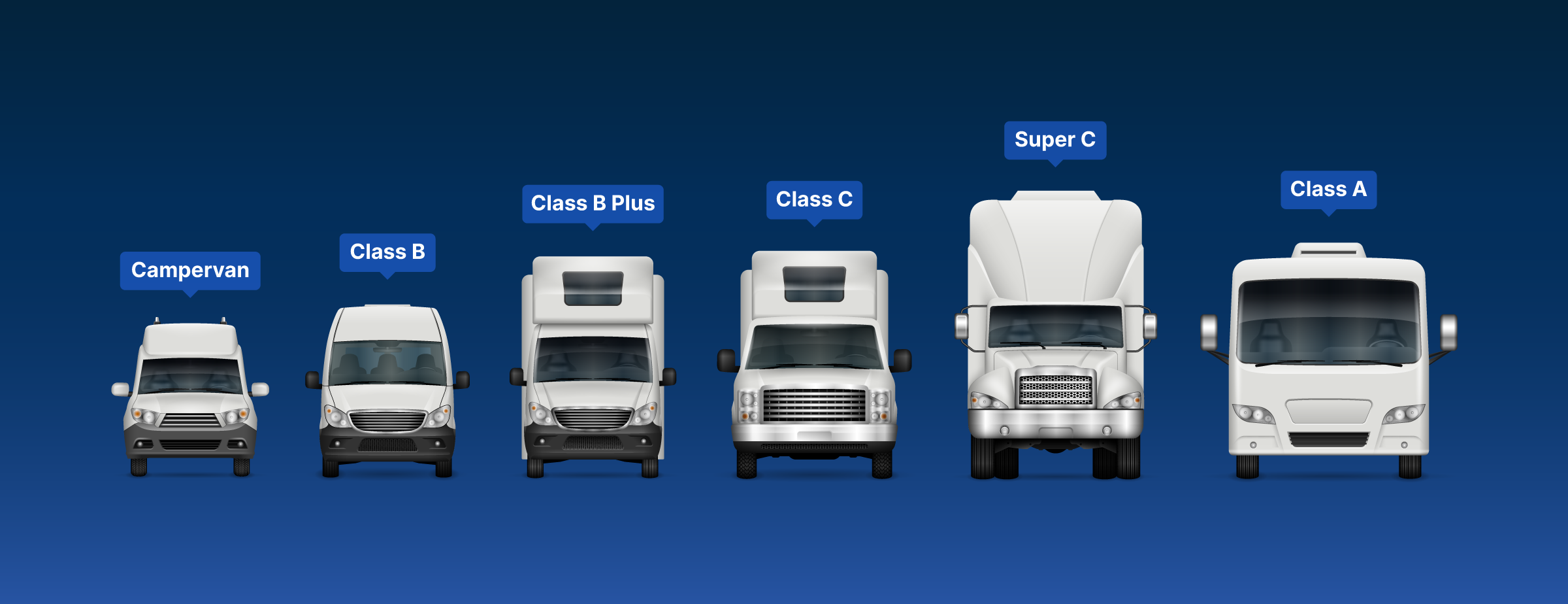
A Class C vehicle is traditionally defined by its construction: it is built on a truck or van cutaway chassis, featuring a distinctive “cab-over” profile that provides extra sleeping or storage space. Positioned financially between the ultra-luxurious Class A diesel pushers and the compact, often overpriced Class B campervans, the Class C represents the “middle market” of the automotive world. This guide explores the financial architecture of Class C vehicles, from initial procurement strategies to revenue-generating opportunities and long-term depreciation management.
Understanding the Class C Vehicle as a Financial Asset
When evaluating a Class C vehicle from a financial perspective, one must first identify why it remains the most popular entry point for serious buyers. It is a balanced asset that offers a high utility-to-price ratio, making it a staple in both the consumer and commercial sectors.
Defining the Middle Ground: Value vs. Utility
The Class C vehicle is the “sweet spot” for capital expenditure. Unlike Class A motorhomes, which often require specialized maintenance and carry massive price tags (often exceeding $200,000–$500,000), a standard Class C can be acquired for a fraction of that cost. Conversely, while Class B vehicles are easier to drive, they often command a premium price per square foot due to the complexity of fitting amenities into a standard van shell. The Class C utilizes a mass-produced chassis—typically from Ford or Chevrolet—which lowers the manufacturing cost and, by extension, the purchase price for the end-user.
The Initial Investment: Buying New vs. Used
From a personal finance standpoint, the decision to buy new versus used is the most critical factor in the asset’s lifecycle. A new Class C vehicle loses approximately 20% of its value the moment it is driven off the lot, with a further 10% decline in the first year. For those looking to preserve capital, a “pre-loved” vehicle that is 3 to 5 years old represents the peak of the value curve. At this stage, the previous owner has absorbed the steepest part of the depreciation curve, while the vehicle typically retains modern safety features and efficient engine technology.
Liquidity and Resale Velocity
One often overlooked aspect of Class C ownership is liquidity. Because Class C vehicles are accessible to the widest demographic of buyers—families, retirees, and commercial renters—they have a higher “resale velocity” than more niche vehicle classes. If a financial emergency arises or a business pivot is required, a well-maintained Class C can be liquidated much faster than a specialized heavy-duty truck or a million-dollar luxury coach.
The Economics of Ownership: Maintenance, Insurance, and Operating Costs
Owning a Class C vehicle is not merely a matter of the sticker price; it involves a complex set of ongoing operational expenses (OPEX). To manage this asset effectively, one must treat it with the same rigor as a real estate investment or a small business.
Total Cost of Ownership (TCO) Analysis
A professional financial approach to a Class C vehicle requires a Total Cost of Ownership (TCO) analysis. This includes fuel consumption (typically 8–12 miles per gallon), specialized insurance premiums, and storage fees. Because Class C vehicles are built on commercial chassis, their mechanical components are robust, but the “house” side of the vehicle—plumbing, electrical, and HVAC—requires consistent sinking funds for repairs. Financial experts recommend setting aside 2% to 5% of the vehicle’s value annually for a maintenance reserve.
Financing and Interest Rates in the Recreational Market
Financing a Class C vehicle differs significantly from a standard passenger car. Lenders often categorize these as “lifestyle assets,” which may carry slightly higher interest rates. However, because they often include kitchens and bathrooms, many jurisdictions allow owners to categorize them as a “second home” for tax purposes. This allows the interest on the loan to be tax-deductible, effectively lowering the net cost of borrowing. Understanding these tax nuances can save an owner thousands of dollars over the life of the loan.
The Impact of Chassis Choice on Long-Term Costs
The choice of chassis (e.g., Ford E-450 vs. Mercedes-Benz Sprinter) has a profound impact on maintenance budgets. A Ford-based Class C can be serviced at almost any commercial garage in North America with relatively inexpensive parts. A Mercedes-based Class C, while offering better fuel economy, requires specialized technicians and imported parts that can cost double or triple the domestic equivalent. From a money-saving perspective, the domestic chassis is almost always the superior choice for long-term ownership.
Generating Revenue: Turning a Class C Vehicle into a Side Hustle
In the modern gig economy, a Class C vehicle is no longer a “liable” asset that simply sits in a driveway; it is a potential revenue generator. The rise of the “sharing economy” has transformed how individuals view high-value automotive assets.
The Peer-to-Peer Rental Market
Platforms like Outdoorsy and RVshare have revolutionized the financial profile of Class C ownership. A well-presented Class C can rent for $150 to $250 per night. By renting the vehicle out for just 30 to 40 days a year, an owner can often cover the entire annual cost of financing, insurance, and maintenance. This effectively allows the owner to hold the asset for “free,” while building equity through loan amortization.
Tax Deductions and Business Use Cases
For those who use their Class C vehicle for business—such as a mobile office, a production kit-car for film crews, or a mobile clinic—the tax advantages are substantial. Under Section 179 of the U.S. tax code (and similar provisions in other countries), business owners may be able to deduct the full purchase price of the vehicle in the first year of acquisition. This “bonus depreciation” can be a powerful tool for high-income earners looking to reduce their tax liability while acquiring a functional business asset.
Fleet Management and Scaling
For the more ambitious investor, the Class C vehicle is the perfect unit for a small rental fleet. Unlike Class A vehicles, which require drivers to have specialized comfort levels (and sometimes licenses), almost anyone can drive a Class C. This lowers the barrier to entry for customers and reduces the insurance risk for the fleet owner. Scaling a fleet of three to five Class C vehicles can generate a significant six-figure gross income, turning a hobby into a sophisticated business enterprise.
Market Trends and Resale Value Strategy
The value of a Class C vehicle is heavily influenced by external economic factors. To manage this asset for maximum profit or minimum loss, one must stay attuned to market cycles.
How Market Demand Influences Resale Prices
The RV and commercial vehicle markets are cyclical. During economic booms, demand for new Class C vehicles skyrockets, driving up the price of used inventory. Conversely, during high-interest-rate environments, the market may cool. However, the Class C remains remarkably resilient. In times of inflation, the cost of raw materials (aluminum, wood, and steel) increases the price of new models, which in turn provides a “floor” for the value of existing used models. This makes the Class C a decent hedge against inflation compared to other depreciating consumer goods.
Timing the Market for Optimal Exit
A critical component of financial literacy regarding Class C vehicles is knowing when to sell. The optimal “exit window” is usually just before the vehicle hits 50,000 miles or before it reaches 10 years of age. Beyond these milestones, many lenders refuse to provide financing to secondary buyers, which drastically shrinks the pool of potential purchasers and forces the seller to drop the price. By selling at the 7-year mark, an owner can often recoup a significant portion of their initial investment to roll into a newer, more efficient model.
Emerging Trends: The “Work-from-Anywhere” Premium
The shift toward remote work has fundamentally changed the valuation of Class C vehicles. Models equipped with “off-grid” technology—such as lithium-ion battery banks, solar arrays, and Starlink internet integration—now command a premium in the resale market. Investors who retrofit their vehicles with these “tech-ready” features can often see a 1:1 or better return on the cost of those upgrades, as the demand for mobile offices continues to outpace supply.
Conclusion: The Financial Prudence of the Class C Choice
What is a Class C vehicle? From a financial perspective, it is a versatile, mid-tier asset that offers an unparalleled balance of cost, utility, and revenue potential. It lacks the crippling depreciation of high-end luxury coaches and avoids the cramped limitations of smaller vans.
By applying a rigorous financial framework—analyzing TCO, leveraging tax incentives, and exploring rental income—the Class C becomes more than just a mode of transportation. It becomes a strategic component of a diversified portfolio. Whether you are using it to reduce travel expenses or as the cornerstone of a rental business, the Class C vehicle remains one of the smartest “money moves” in the world of heavy assets. Professional management of this vehicle involves constant vigilance regarding maintenance and market trends, ensuring that when the time comes to liquidate, the “middle ground” vehicle delivers a high-ground return.
aViewFromTheCave is a participant in the Amazon Services LLC Associates Program, an affiliate advertising program designed to provide a means for sites to earn advertising fees by advertising and linking to Amazon.com. Amazon, the Amazon logo, AmazonSupply, and the AmazonSupply logo are trademarks of Amazon.com, Inc. or its affiliates. As an Amazon Associate we earn affiliate commissions from qualifying purchases.