
Chronic pain syndrome is a complex and often debilitating condition that extends far beyond the initial injury or illness. It’s a persistent state of discomfort that can profoundly impact an individual’s physical, emotional, and social well-being, making everyday life a constant challenge. While medical science is continually advancing our understanding of pain, managing chronic pain syndrome also increasingly involves leveraging resources and strategies from seemingly unrelated fields like technology, branding, and finance. This article explores what chronic pain syndrome is, and how individuals can strategically harness the power of these domains to navigate their condition more effectively.
Understanding Chronic Pain Syndrome: More Than Just Physical Discomfort
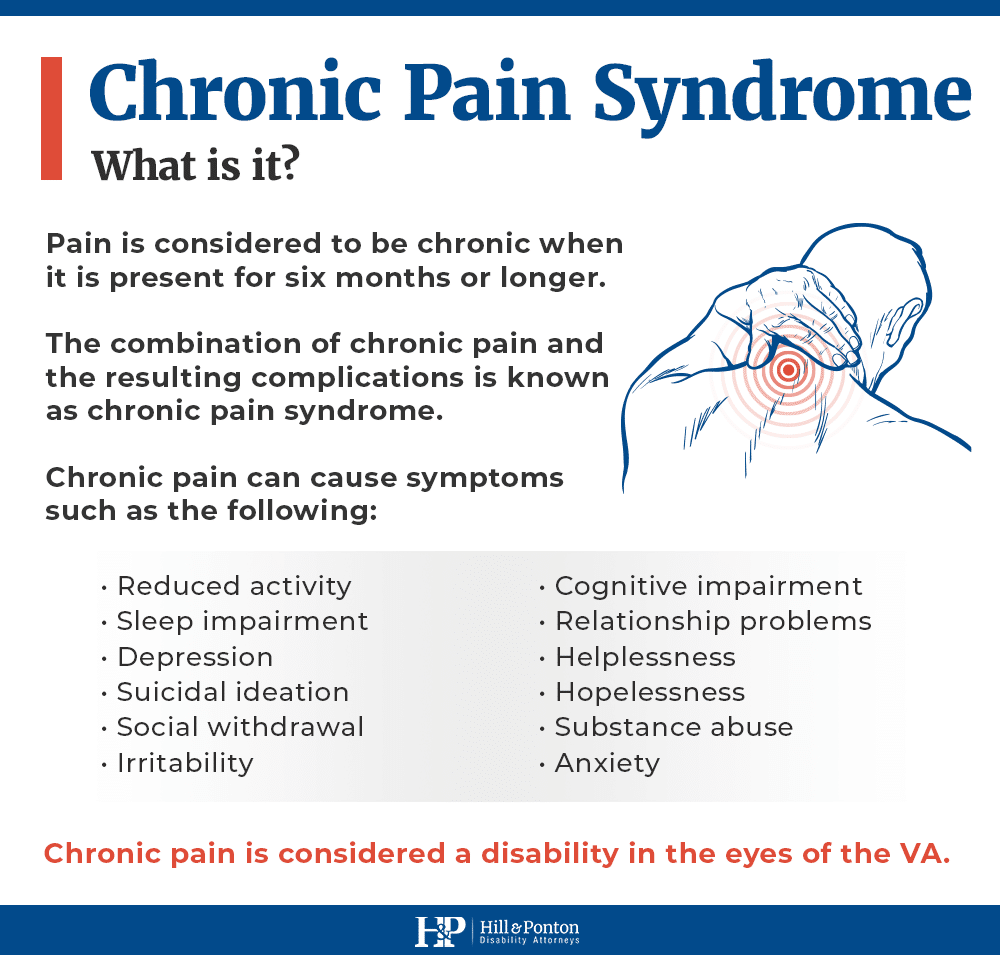
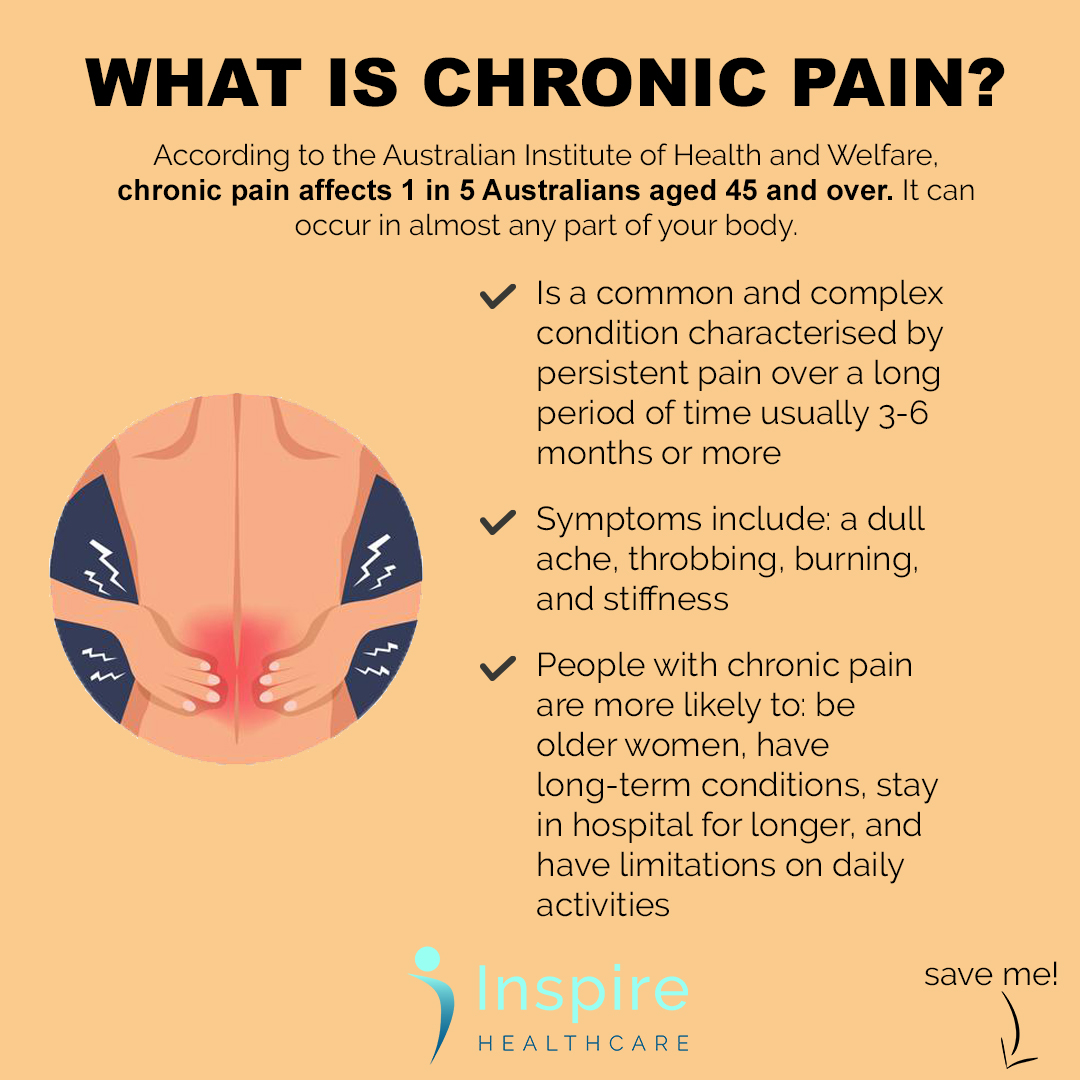
At its core, chronic pain syndrome is defined by pain that persists for three months or longer, even after the initial cause of the pain has healed or been addressed. This isn’t simply a lingering ache; it’s a multifaceted experience where the pain signals in the nervous system become amplified or dysregulated. This persistent signaling can lead to a cascade of physical and psychological effects.
The Neurological Landscape of Chronic Pain
The nervous system plays a crucial role in how we perceive pain. Normally, pain signals are transmitted from the site of injury to the brain, serving as a protective mechanism. However, in chronic pain syndrome, this system can become hypersensitive. This phenomenon, known as “central sensitization,” means that the brain and spinal cord become more responsive to pain signals, often amplifying them or even generating pain in the absence of any ongoing tissue damage. This can manifest as a variety of sensations, including burning, stabbing, throbbing, or aching pain.
Beyond the Physical: The Psychological and Social Toll
The impact of chronic pain syndrome extends far beyond the physical. The constant discomfort can lead to:
- Emotional Distress: Frustration, anger, sadness, and even depression are common companions to chronic pain. The inability to engage in usual activities, the feeling of being misunderstood, and the relentless nature of the pain can take a significant emotional toll.
- Sleep Disturbances: Chronic pain often disrupts sleep patterns, leading to fatigue, which in turn can exacerbate pain sensitivity and negatively impact mood.
- Reduced Quality of Life: Social isolation, difficulty maintaining employment, strained relationships, and a general decrease in the ability to participate in enjoyable activities are frequently observed consequences.
- Cognitive Impairment: Some individuals experience what’s often referred to as “brain fog,” characterized by difficulties with concentration, memory, and decision-making, which can be linked to both the pain itself and the disrupted sleep.
The Multifaceted Nature of Treatment
Given its complexity, treating chronic pain syndrome typically requires a multidisciplinary approach. This often involves a combination of medical interventions, such as pain medication, physical therapy, and sometimes psychological therapies. However, in the modern era, individuals are increasingly finding value in applying principles from technology, branding, and finance to empower their management strategies.
Leveraging Technology for Enhanced Pain Management
The rapid advancements in technology offer a wealth of tools and resources that can significantly improve the lives of individuals living with chronic pain syndrome. From sophisticated monitoring devices to accessible online communities, technology can empower individuals to take a more active and informed role in their own care.
Digital Tools for Monitoring and Tracking
- Pain Tracking Apps: Numerous smartphone applications are designed to help individuals log their pain levels, triggers, and the effectiveness of various treatments. These apps can provide valuable data that can be shared with healthcare providers, leading to more tailored treatment plans. Features like mood tracking, sleep logging, and activity monitoring further enrich the data, offering a holistic view of how different factors influence pain.
- Wearable Technology: Smartwatches and fitness trackers can monitor vital signs such as heart rate, sleep patterns, and activity levels. While not directly measuring pain, these devices can provide objective data on how pain might be impacting sleep quality or physical exertion, offering insights into the body’s overall state.
- Telehealth and Remote Monitoring: The rise of telehealth has made accessing healthcare professionals more convenient. For individuals with chronic pain who may have mobility challenges or live in remote areas, virtual consultations can ensure regular check-ins with doctors, physical therapists, and mental health professionals without the added stress of travel. Remote monitoring systems can also be used by healthcare providers to track patient progress and intervene if necessary.
AI and Digital Health Solutions
Artificial intelligence (AI) is beginning to play a transformative role in healthcare, including pain management. AI-powered tools can:
- Analyze Data for Personalized Insights: AI algorithms can process vast amounts of data from patient records, wearable devices, and symptom trackers to identify patterns and predict potential pain flare-ups. This can enable proactive management strategies.
- Develop Adaptive Treatment Plans: AI can help personalize treatment recommendations by analyzing an individual’s response to different therapies over time, suggesting adjustments to medication, exercise, or other interventions.
- Virtual Reality (VR) for Pain Relief: VR technology is emerging as a powerful tool for pain distraction and management. Immersive VR experiences can divert the brain’s attention away from pain signals and promote relaxation, offering a drug-free approach to pain relief, particularly for conditions like fibromyalgia or phantom limb pain.
Digital Security and Privacy Considerations
As individuals increasingly rely on digital tools for their health management, digital security and privacy become paramount. It’s crucial to:
- Choose Reputable Apps and Platforms: Opt for applications and services from well-established companies with clear privacy policies.
- Secure Personal Data: Utilize strong passwords, enable two-factor authentication, and be mindful of what information is shared online.
- Understand Data Usage: Familiarize yourself with how your health data is being collected, stored, and used by technology providers.
Building Your “Pain Management Brand”
While “personal branding” typically refers to marketing oneself professionally, the principles can be powerfully applied to how individuals manage and communicate their chronic pain syndrome. This involves developing a clear, consistent, and empowering approach to presenting your needs and experiences to others, including healthcare providers, family, and friends.
Crafting Your Narrative: Communicating Your Pain Effectively
- Defining Your “Brand Statement”: This is more than just saying “I’m in pain.” It’s about articulating the specifics of your condition, its impact on your life, and what kind of support or understanding you need. For example, instead of “My back hurts,” a brand statement might be: “I experience chronic lower back pain due to a degenerative disc condition, which limits my ability to stand for extended periods and often causes fatigue. I’m seeking strategies to improve mobility and manage discomfort.”
- Developing a “Brand Voice”: This refers to how you communicate your needs. A calm, factual, and assertive voice is often more effective than an overly emotional or demanding one. Practice explaining your condition and its limitations clearly and concisely.
- Consistency in Communication: When interacting with different healthcare providers or loved ones, ensure your narrative remains consistent. This builds trust and helps others understand the ongoing nature of your challenges.
Visualizing Your Journey: Tools for Representation
- Pain Diaries and Journals (Beyond Tracking Apps): While digital apps are useful, the act of physically writing or sketching can be therapeutic. Creating a visual representation of your pain, such as drawing areas of discomfort or creating a color-coded scale, can be a powerful communication tool.
- “Brand Guidelines” for Support: Think of your relationships with loved ones as a form of “brand engagement.” What are the “dos and don’ts” of supporting you? Clearly communicating what helps (e.g., a listening ear, practical assistance) and what hinders (e.g., unsolicited advice, minimizing your pain) can foster healthier relationships.
Reputation Management in a Health Context
- Building Trust with Healthcare Providers: A consistent and well-documented approach to managing your condition, as facilitated by technology and clear communication, builds trust with your medical team. This can lead to more effective collaborative care.
- Navigating Social Perceptions: Chronic pain can sometimes be invisible, leading to misunderstandings or skepticism. By clearly articulating your experience and demonstrating your efforts to manage it, you build a reputation for resilience and agency.
Financial Strategies for Navigating Chronic Pain Syndrome
Living with chronic pain syndrome can have significant financial implications, from healthcare costs to reduced earning potential. Developing robust financial strategies is crucial for maintaining stability and reducing stress.
Managing Healthcare Expenses
- Understanding Insurance Coverage: Thoroughly research your health insurance plan to understand what treatments, medications, and therapies are covered. Keep detailed records of all medical bills and explanations of benefits.
- Exploring Financial Assistance Programs: Many healthcare providers and organizations offer financial assistance programs, payment plans, or sliding scale fees for individuals with limited income. Don’t hesitate to inquire about these options.
- Utilizing Prescription Discount Programs: For prescription medications, explore discount cards and programs that can help reduce out-of-pocket costs.
Income Generation and Career Adjustments
- Side Hustles and Flexible Work: If your chronic pain limits your ability to maintain a traditional full-time job, explore flexible work arrangements or online side hustles. This could include freelance writing, virtual assistance, online tutoring, or selling handmade crafts.
- Disability Benefits: If your condition significantly impacts your ability to work, investigate eligibility for disability benefits. This process can be complex, so be prepared to gather extensive documentation.
- Re-skilling and Online Learning: Technology has made it easier than ever to acquire new skills. Consider online courses and certifications that can open up new remote work opportunities or career paths that are more conducive to your physical limitations. Websites offering AI-powered learning platforms can help identify suitable courses based on your interests and aptitudes.
Investing in Your Well-being
- Prioritizing Preventive Measures: While seemingly counterintuitive, investing in things that promote your well-being can save money in the long run. This might include investing in ergonomic equipment for your home office, purchasing comfortable shoes, or subscribing to a healthy meal delivery service.
- Financial Planning for Long-Term Care: If your chronic pain is progressive or may impact your long-term independence, consider consulting with a financial planner to discuss options for long-term care and estate planning.
Conclusion: A Holistic Approach to Chronic Pain Management
Chronic pain syndrome is a profound challenge, but it is not an insurmountable one. By understanding its multifaceted nature and strategically integrating the advancements and principles from technology, branding, and finance, individuals can gain a greater sense of control and improve their quality of life. Technology provides the tools for better tracking, monitoring, and access to care. The principles of branding offer a framework for effective communication and self-advocacy. And sound financial strategies can alleviate the burden of economic stress. Embracing this holistic approach empowers individuals to navigate their chronic pain syndrome not just as a medical condition, but as a life experience that can be managed with knowledge, strategy, and unwavering resilience.
aViewFromTheCave is a participant in the Amazon Services LLC Associates Program, an affiliate advertising program designed to provide a means for sites to earn advertising fees by advertising and linking to Amazon.com. Amazon, the Amazon logo, AmazonSupply, and the AmazonSupply logo are trademarks of Amazon.com, Inc. or its affiliates. As an Amazon Associate we earn affiliate commissions from qualifying purchases.