
A Comprehensive Overview in the Digital Age
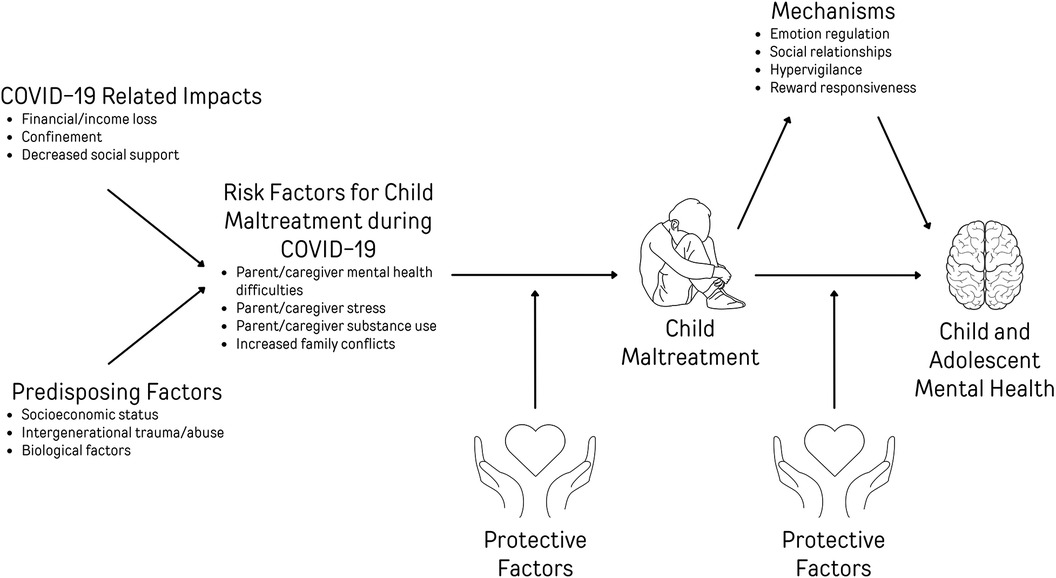
Childhood maltreatment encompasses a spectrum of abuses and neglects that significantly harm a child’s health, development, and dignity. Traditionally, this term refers to acts of commission (abuse) or omission (neglect) by a parent, caregiver, or other person in a custodial role. However, in an increasingly digital world, the definition and manifestations of childhood maltreatment are evolving, integrating new technological dimensions that demand our attention and innovative solutions. Understanding the scope of this issue requires acknowledging both its enduring forms and its contemporary digital manifestations.
Defining Traditional Forms and Their Modern Context
The foundational categories of childhood maltreatment remain critical. Physical abuse involves non-accidental harm to a child’s body, ranging from bruises and fractures to internal injuries. In the digital era, evidence of physical abuse can sometimes be captured or disseminated online, adding layers of complexity to investigation and protection. Emotional abuse involves behavior that impairs a child’s emotional development or sense of self-worth, such as chronic belittling, terrorizing, or isolating. While often less visible, digital communication channels can amplify emotional abuse through constant denigration via texts or social media, or by isolating children from supportive online communities. Neglect, often the most prevalent form, is the failure to provide for a child’s basic physical, emotional, educational, or medical needs. This can manifest as a lack of supervision, inadequate nutrition, or failure to seek necessary medical care. Sexual abuse involves any sexual activity with a child, including exploitation, molestation, or inappropriate exposure. The internet has tragically become a significant vector for the perpetration, facilitation, and distribution of child sexual abuse material (CSAM), dramatically altering the landscape of child protection and digital forensics.
Emerging Digital Forms of Maltreatment
The digital age introduces new avenues for harm, necessitating an expansion of the traditional definition of maltreatment. Cyberbullying and online harassment are prevalent forms of emotional and psychological maltreatment, where children are subjected to repeated, hostile, or aggressive behavior by another child or group, using electronic means. This can involve spreading rumors, posting humiliating content, or sending threatening messages. Digital neglect refers to a caregiver’s failure to adequately supervise a child’s online activities, ensure their digital safety, or provide appropriate technological boundaries, leading to potential exposure to harmful content, online predators, or excessive screen time that impacts development. Online grooming and exploitation represent a significant digital threat, where adults use the internet to build relationships with children for the purpose of sexual abuse or exploitation. This often involves deception, manipulation, and the leveraging of technology to obscure identity and facilitate illicit contact. Furthermore, the non-consensual sharing of intimate images involving minors, sometimes referred to as revenge pornography or image-based abuse, represents a severe form of digital sexual exploitation and abuse, with devastating long-term impacts on victims. Recognizing these digital dimensions is crucial for developing effective prevention and intervention strategies in the modern era.
Leveraging AI and Data Analytics for Proactive Identification
Technology’s role extends beyond merely identifying the digital forms of maltreatment; it is increasingly instrumental in developing proactive systems for early detection and intervention across all categories. Artificial intelligence (AI) and advanced data analytics are transforming the capabilities of child protective services, law enforcement, and non-profit organizations to safeguard children.
Predictive Modeling for Risk Assessment
AI-driven predictive modeling offers a groundbreaking approach to identifying children and families at high risk of maltreatment before significant harm occurs. These systems analyze vast datasets, including socio-economic indicators, public health records (e.g., substance abuse rates, mental health service utilization), child welfare history, and anonymized behavioral patterns. By identifying correlations and risk factors, AI can flag situations where intervention might be necessary. For instance, models can pinpoint areas with higher rates of neglect based on aggregated community data, or identify families exhibiting multiple stress factors that statistically increase the likelihood of maltreatment. Ethical considerations around data privacy, algorithmic bias, and transparency are paramount in the development and deployment of these tools, ensuring they serve to support, rather than stigmatize, vulnerable families.
Automated Content Moderation and Detection
The scale of online content generation necessitates automated solutions for combating digital maltreatment. AI-powered content moderation systems are vital in the fight against child sexual abuse material (CSAM). These algorithms scan vast numbers of images, videos, and texts across various platforms, identifying and reporting illicit content with increasing accuracy and speed. Techniques like perceptual hashing and machine learning models trained on millions of data points enable the rapid detection of known CSAM and the identification of new, previously unseen material. Beyond CSAM, AI can also be deployed to flag suspicious online interactions, such as grooming behaviors, by analyzing linguistic patterns, communication frequencies, and user behaviors on social media platforms, chat rooms, and online gaming environments. This enables platforms to intervene, warn users, and report suspicious activities to law enforcement agencies, forming a crucial digital frontline against exploitation.
Technological Innovations in Intervention and Support
Beyond detection, technology plays a pivotal role in delivering intervention and support services to child victims and their families. These innovations aim to overcome traditional barriers to access, enhance therapeutic outcomes, and improve the efficiency of child welfare systems.
Telehealth and Remote Therapy Solutions
Telehealth platforms have revolutionized access to mental health services for children and families affected by maltreatment. For those in rural or underserved areas, or for children with disabilities, virtual counseling and therapy sessions eliminate geographical and logistical barriers. Secure video conferencing tools allow therapists to connect with children and caregivers in familiar environments, which can sometimes reduce anxiety and improve engagement. These platforms facilitate ongoing support, crisis intervention, and family therapy, ensuring continuity of care even when in-person visits are challenging. The ability to conduct virtual assessments and provide psychoeducation through digital means further expands the reach and impact of mental health professionals.

Virtual Reality (VR) and Augmented Reality (AR) for Therapeutic Interventions
Emerging technologies like Virtual Reality (VR) and Augmented Reality (AR) offer innovative approaches to trauma-informed care. VR environments can create safe, controlled spaces for children to engage in exposure therapy, helping them process traumatic memories or cope with phobias related to their experiences, under the guidance of a therapist. For example, a child who experienced abuse in a particular setting might use VR to gradually re-engage with a similar simulated environment in a therapeutic context. AR applications can be used for skill-building and social-emotional learning, providing interactive experiences that help children develop coping mechanisms, emotional regulation, and social skills that may have been disrupted by maltreatment. These immersive technologies offer engaging and effective therapeutic avenues, particularly for children who may struggle with traditional talk therapy.
Secure Communication and Case Management Systems
The child welfare system relies on complex coordination between multiple agencies, including social services, law enforcement, healthcare providers, and educational institutions. Secure, integrated communication and case management systems powered by modern software are essential. These platforms facilitate real-time information sharing, streamline documentation, and enhance collaboration, ensuring that all professionals involved in a child’s case have access to the most current and relevant data. Technologies such as blockchain are being explored for secure, immutable record-keeping, ensuring the integrity and chain of custody for critical evidence and case files. This not only improves efficiency but also strengthens accountability and consistency in child protection efforts, ensuring that critical information is accessible only to authorized personnel while maintaining stringent data privacy.
Digital Security as a Pillar of Child Protection
In the digital landscape, child protection is inextricably linked with robust digital security measures. Safeguarding children online requires a multi-faceted approach that educates parents, protects sensitive data, and secures the digital infrastructure of organizations serving vulnerable populations.
Parental Control Software and Monitoring Tools
Parental control software and monitoring tools empower caregivers to manage their children’s online access and activities. These applications can filter inappropriate content, limit screen time, track location, and monitor communications for potentially harmful interactions. While these tools offer a layer of protection, their effective use requires a delicate balance between a child’s right to privacy and the need for safety. Education is key, ensuring parents understand how to use these tools responsibly, fostering open communication with their children about online risks, and teaching digital literacy skills rather than solely relying on passive monitoring. A proactive, educational approach helps children develop critical thinking about online content and interactions, building resilience against digital threats.
Data Privacy and Ethical Considerations in Child Welfare Systems
Organizations handling sensitive information about children and families affected by maltreatment face significant data privacy challenges. Child welfare systems collect deeply personal data, from medical histories to abuse allegations. Protecting this information from unauthorized access, breaches, or misuse is paramount. Adherence to strict data protection regulations such as GDPR, HIPAA, and national child protection laws is essential. Implementing robust encryption, access controls, and regular security audits ensures that confidential records remain secure. Furthermore, ethical frameworks must guide the collection, storage, and sharing of data, especially when AI and predictive analytics are involved, to prevent stigmatization, ensure fairness, and uphold the rights of every child and family.
Cybersecurity for Organizations Serving Children
Child protection agencies, shelters, and support organizations are often targets for cyberattacks due to the sensitive nature of the data they hold. A data breach could expose vulnerable individuals to further harm, compromise ongoing investigations, or erode public trust. Therefore, strong cybersecurity measures are not just good practice but a critical component of child protection. This includes implementing firewalls, intrusion detection systems, regular vulnerability assessments, and comprehensive employee training on cybersecurity best practices. Protecting against ransomware, phishing, and other cyber threats ensures the operational continuity of these vital services and safeguards the integrity of the data entrusted to them, ultimately contributing to the safety and well-being of children.
The Evolving Role of Social Media and Digital Platforms
Social media companies and large digital platforms hold a significant responsibility in combating childhood maltreatment, given the vast reach and influence of their services. Their proactive engagement is essential for creating safer online environments for children.
Raising Awareness and Facilitating Reporting
Digital platforms have immense potential to raise public awareness about the various forms of childhood maltreatment. Targeted campaigns, PSAs, and partnerships with child advocacy organizations can educate users about the signs of abuse and neglect, both online and offline. Crucially, these platforms can integrate easy-to-use and highly visible reporting mechanisms for suspected maltreatment. By simplifying the reporting process and ensuring user anonymity where appropriate, social media companies can empower users to report harmful content or concerning interactions, funneling critical information to child protection agencies and law enforcement.

Collaboration with Tech Giants
Effective child protection in the digital realm requires ongoing, robust collaboration between governments, NGOs, and tech giants. Industry leaders must invest in developing advanced safety features, implementing stricter content moderation policies, and allocating resources to investigate and respond to reports of child exploitation. This includes working together to develop standardized protocols for identifying and removing harmful content, sharing threat intelligence, and supporting law enforcement efforts. Tech companies also have a responsibility to design products and services with child safety and well-being as a core principle from conception, embedding privacy by design and default, and ensuring age-appropriate protections. This collective responsibility is fundamental to creating a digital ecosystem that protects and empowers children rather than exposing them to harm.
aViewFromTheCave is a participant in the Amazon Services LLC Associates Program, an affiliate advertising program designed to provide a means for sites to earn advertising fees by advertising and linking to Amazon.com. Amazon, the Amazon logo, AmazonSupply, and the AmazonSupply logo are trademarks of Amazon.com, Inc. or its affiliates. As an Amazon Associate we earn affiliate commissions from qualifying purchases.