
In the intricate world of finance, where money moves with incredible speed across digital networks, a seemingly simple nine-digit number plays a pivotal role in ensuring that every transaction reaches its intended destination. This numerical guide, known as a routing number, is the unsung hero behind direct deposits, online bill payments, and countless other electronic transfers. For customers of one of the largest financial institutions in the United States, Chase Bank, understanding “what is Chase Bank routing number” is not just a matter of trivia, but a fundamental aspect of managing personal and business finances effectively.
A routing number acts as a financial institution’s unique identifier, much like a postal code for a physical address. It ensures that when you send money, whether directly from your employer, an online payment service, or another bank, it lands precisely in the correct bank. Without this crucial piece of information, the financial system would descend into chaos, leading to misplaced funds, delayed payments, and significant operational hurdles. This article will demystify Chase Bank routing numbers, guiding you through what they are, why they’re essential, how to find yours, and the critical importance of using the correct one for seamless financial operations.
Understanding Routing Numbers: Your Financial GPS
At its core, a routing number is more than just a sequence of digits; it’s a critical navigation tool that directs financial transactions within the vast network of banks and credit unions across the United States. Its proper use is paramount for the smooth functioning of modern financial life.
What Exactly is a Routing Number?
A routing number, officially known as an ABA (American Bankers Association) Routing Transit Number, is a nine-digit code that identifies the specific financial institution participating in a transaction. Established in 1910 by the ABA, its primary purpose was to facilitate the processing of paper checks. Today, its role has expanded exponentially, becoming indispensable for electronic funds transfers (EFTs).
Each digit within the nine-digit sequence carries significance, though the specific breakdown is largely for internal banking use. What’s crucial for consumers and businesses is that this unique code ensures that when you initiate a transaction, the funds are routed to the correct bank before being credited to the specific account number you’ve provided. Think of it as the bank’s unique identifier within the national financial system, ensuring that your money doesn’t get lost in transit.
Why Do You Need a Routing Number?
The applications for a routing number are vast and cover nearly every aspect of modern financial management. Without it, many of the conveniences we take for granted would simply not exist.
- Direct Deposits: Perhaps the most common use, your employer will require your bank’s routing number, along with your account number, to deposit your paycheck directly into your checking or savings account. The same applies to government benefits, tax refunds, or other regular income streams.
- Automated Bill Payments: Setting up recurring payments for utilities, mortgage, rent, or loan installments often requires you to provide your bank’s routing number. This allows the billing company to pull funds directly from your account on a scheduled basis.
- Wire Transfers: For faster, often larger, one-time transfers of funds, both domestically and internationally, a routing number (and sometimes a SWIFT/BIC code for international wires) is essential to ensure the money reaches the correct financial institution.
- ACH Transfers: Automated Clearing House (ACH) transactions include direct deposits, direct payments, and other electronic transfers that move money between banks. These low-cost, high-volume transactions rely entirely on accurate routing numbers.
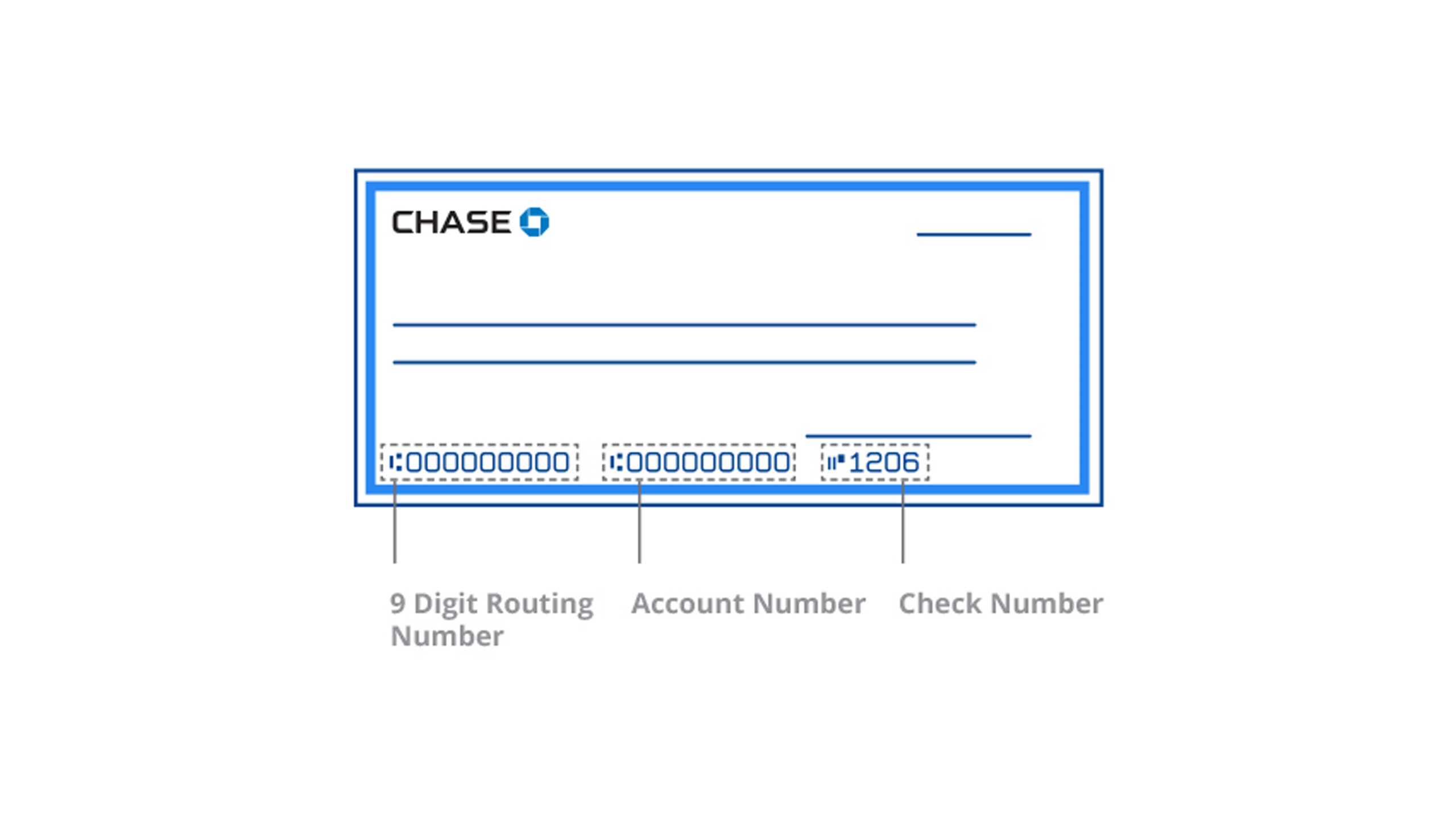
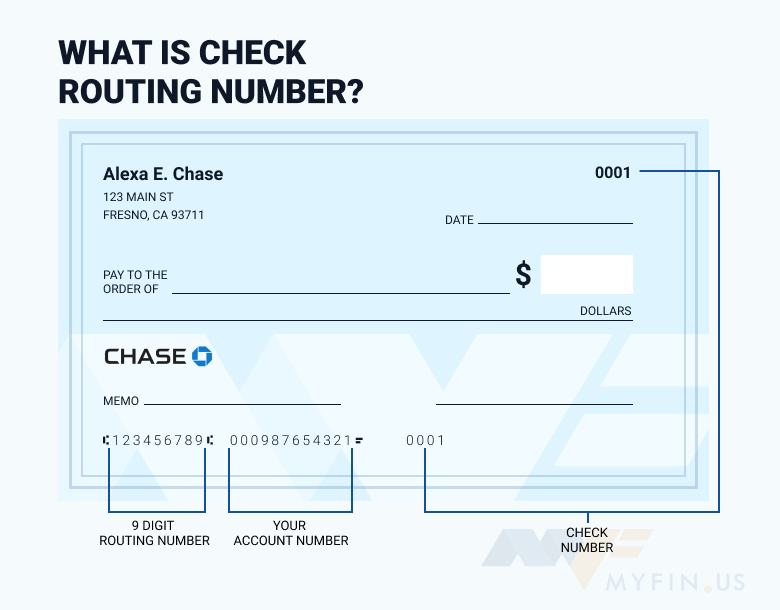
- Check Writing: Your routing number is pre-printed on the bottom of every physical check, along with your account number and check number, serving as a vital piece of information for check processing.
- Linking External Accounts: When connecting your Chase account to third-party financial apps, investment platforms, or other banking institutions, you’ll often be asked for your routing number to verify and link the accounts.
In essence, any time money needs to be electronically transferred into or out of your Chase account from another financial entity, a routing number is likely involved.
Finding Your Chase Bank Routing Number
While the importance of a routing number is clear, finding the correct one for your specific Chase account is equally critical. Chase Bank, being a large national institution, may have different routing numbers depending on the state where the account was opened and the type of transaction. Fortunately, there are several reliable ways to locate this information.
On Your Chase Checks
The most straightforward and often most reliable method to find your Chase routing number is by looking at a physical check associated with your account.
- Location: Turn over one of your personal or business checks. At the very bottom, you will see a series of numbers printed in magnetic ink. The first set of nine digits, located on the far left, is your routing number.
- Verification: This number is typically followed by your account number, and then the check number. Always double-check that you’re identifying the first nine digits correctly, as using the wrong sequence can lead to significant issues.
Through Chase Online Banking or Mobile App
In today’s digital age, accessing your banking information online is not only convenient but also secure. Chase provides easy access to your routing number through its digital platforms.
- Chase Online: Log in to your Chase Online account using your username and password. Once logged in, navigate to the “Account details” section for your checking or savings account. The routing number will typically be displayed alongside your account number.
- Chase Mobile App: Open the Chase Mobile app on your smartphone or tablet and log in. Select the specific account (checking or savings) for which you need the routing number. Look for options like “Account details,” “Show routing number,” or a similar link that will reveal the information.
- Security: Always ensure you are on the official Chase website or using the official Chase app to protect your financial data. Do not click suspicious links or provide your login credentials on unverified platforms.
Contacting Chase Customer Service
If you’re unable to find your routing number using the methods above, or if you need to confirm the correct number for a very specific type of transaction (like a wire transfer), contacting Chase customer service is a reliable option.
- When to Use: This method is particularly useful if you don’t have physical checks, are having trouble navigating the online platforms, or have a unique account scenario.
- Information Needed: Be prepared to verify your identity by providing your account number, personal details, and possibly answering security questions. The representative will then be able to provide the correct routing number for your account.
Using the ABA Website or Public Databases
While official bank sources are always preferred, you can also use public resources like the ABA’s official routing number lookup tool or reputable financial websites that compile such data.
- Caution: When using external websites, always exercise caution. Verify any information obtained from these sources against your official Chase documentation or through Chase’s own platforms. Public databases can sometimes be outdated or generalize information, which may not be accurate for your specific account.

Navigating Multiple Chase Routing Numbers
One common point of confusion for customers of large banks like Chase is the existence of multiple routing numbers. It’s not uncommon for a single bank to have different routing numbers based on geographical location or the type of transaction. Understanding these distinctions is crucial to avoid financial mishaps.
Geographic Variations and Account Types
Chase Bank operates across many states, and historically, banks would use different routing numbers for branches in different regions or even different types of accounts.
- State or Region Specificity: Your Chase routing number is often determined by the state or region where you originally opened your account, rather than your current location. If you opened your account in California, but now live in New York, you would still use the California-specific routing number for that account.
- Impact on Customers: This means that not all Chase customers will share the same routing number. It’s vital to use the number associated with your specific account rather than a generic Chase routing number you might find online. Using a routing number from a different state or region could lead to transaction delays or rejections. While less common now, some banks also had different routing numbers for checking vs. savings accounts, though this is largely consolidated today for most common transactions.
Distinguishing Between Wire Transfers and ACH Routing Numbers
While often the same, there are instances where Chase might use a slightly different routing number or specific instructions for wire transfers compared to standard ACH transactions (like direct deposits or bill payments).
- ACH (Automated Clearing House): This is the network used for most everyday electronic transfers. The routing number found on your checks or online banking is typically the correct one for ACH transactions.
- Wire Transfers: Wire transfers are generally faster, more expensive, and often used for larger, time-sensitive transactions. While many banks use the same routing number for both ACH and domestic wire transfers, some may have a specific routing number or additional details required for wires, particularly for international transfers.
- Why the Distinction Matters: Using the incorrect routing number for a wire transfer can cause significant delays, return fees, or even result in the wire being sent to an unintended recipient, requiring complex recall procedures. Always verify the correct routing information directly from Chase for wire transfers, especially for international ones.
Verifying Your Specific Routing Number
Given the potential for multiple routing numbers, the absolute best practice is always to verify the exact routing number for your specific account before initiating any transaction.
- Cross-Reference: If you find a routing number online or on an old document, cross-reference it with your current online banking details or a recent check.
- Direct Inquiry: When in doubt, contact Chase customer service. They can confirm the precise routing number needed for your account and the type of transaction you intend to make. This is especially important for critical transactions or if you’ve recently moved or changed account types.
The Importance of Accuracy: Avoiding Financial Pitfalls
The seemingly small detail of a nine-digit routing number carries significant weight in the financial world. Using the correct routing number is not just a recommendation; it’s a necessity to ensure your financial transactions proceed smoothly and securely. Any error can lead to a cascade of complications.
Consequences of Using the Wrong Routing Number
Mistakes with routing numbers, though often unintentional, can have frustrating and sometimes costly repercussions.
- Transaction Delays: The most common consequence is that your transaction will be delayed. A direct deposit might arrive late, a bill payment could be missed, or a transfer might take days longer than expected to process.
- Returned Payments and Associated Fees: If a payment (like a direct debit for a bill) attempts to process with an incorrect routing number, it will likely be rejected and returned. This can result in “insufficient funds” or “returned item” fees from your bank, as well as late payment fees from the payee.
- Funds Sent to the Wrong Institution (Rare but Possible): In rarer but more severe cases, an incorrect routing number could theoretically direct funds to another financial institution entirely. While recovering these funds is usually possible with time and effort, it can be a lengthy and stressful process involving multiple banks.
- Identity Verification Issues: Repeated errors in providing banking information can sometimes trigger security flags, requiring additional verification steps and potentially delaying access to your funds or services.
Best Practices for Financial Transactions
To safeguard your financial well-being and ensure seamless transactions, adopting a few best practices is invaluable.
- Always Double-Check: Before confirming any transaction that requires a routing number, take a moment to double-check the digits. Compare it against your physical check, online banking details, or an official communication from Chase.
- Verify with the Recipient: If you are setting up direct deposit with your employer, or automated payments with a service provider, confirm with them that the routing number you are providing is indeed the correct one they need for their system. Sometimes, institutions have specific processing requirements.
- Keep Your Financial Information Secure: Never share your routing number and account number together via unsecured channels like unencrypted emails or public social media. While a routing number alone is not enough for fraud, combined with an account number, it could be used to initiate unauthorized transactions.
- Understand the Transaction Type: Be clear about whether you are initiating an ACH transfer, a domestic wire, or an international wire, as the required routing information can sometimes differ. When in doubt for wires, always consult with Chase directly.
Beyond the Basics: Routing Numbers in the Digital Age
The role of routing numbers has evolved significantly with the advent of digital banking and international finance. Understanding these broader contexts helps in appreciating their continued relevance.
Digital Wallets and Payment Apps
Modern financial tools, such as digital wallets (e.g., Apple Pay, Google Pay) and popular payment apps (e.g., Venmo, PayPal, Zelle), often require linking to your bank account.
- Facilitating Links: When you link your Chase account to these services, you’ll typically provide your routing number and account number. This enables the apps to initiate ACH transfers to pull or push funds from your bank, allowing for seamless digital payments and transfers.
- Security Considerations: While convenient, it’s crucial to only link your bank accounts to reputable and secure payment platforms. Always use strong, unique passwords and enable two-factor authentication for these services to protect your financial data.
International Transactions and SWIFT/BIC Codes
For transactions beyond national borders, the routing number gives way to a different identifier: the SWIFT/BIC (Society for Worldwide Interbank Financial Telecommunication / Bank Identifier Code).
- Distinction: Routing numbers are specifically for domestic transfers within the U.S. For international wire transfers, you’ll need Chase’s SWIFT/BIC code, which uniquely identifies Chase Bank globally. You will also need the recipient’s bank’s SWIFT/BIC code and their international bank account number (IBAN), if applicable.
- When to Use Which: Always confirm whether a transaction is domestic or international to determine if you need a routing number or a SWIFT/BIC code. Using the wrong code will cause the transaction to fail. Chase provides specific instructions for sending and receiving international wires through their online banking platform or customer service.
Staying Informed About Your Bank’s Policies
While routing numbers are generally stable, there are rare instances where they might change or require special attention.
- Changes in Routing Numbers: This is uncommon for established banks like Chase, but it can occur in scenarios like bank mergers, acquisitions, or significant restructuring. Your bank would typically notify you well in advance if such a change were to affect your accounts.
- Reviewing Bank Communications: It’s a good practice to periodically review communications from Chase regarding your accounts and general banking policies. This ensures you’re aware of any updates that could impact how you manage your funds.
In conclusion, the Chase Bank routing number is far more than just a random string of digits. It’s a fundamental identifier that underpins the efficiency and accuracy of nearly all electronic financial transactions. By understanding its purpose, knowing how to reliably locate yours, and appreciating the importance of its accurate use, you empower yourself to navigate the complexities of personal finance with confidence and precision. Always double-check, always verify, and embrace the power of this small but mighty nine-digit code.
aViewFromTheCave is a participant in the Amazon Services LLC Associates Program, an affiliate advertising program designed to provide a means for sites to earn advertising fees by advertising and linking to Amazon.com. Amazon, the Amazon logo, AmazonSupply, and the AmazonSupply logo are trademarks of Amazon.com, Inc. or its affiliates. As an Amazon Associate we earn affiliate commissions from qualifying purchases.