
For decades, the mention of Atlanta, Georgia, conjured images of logistics, civil rights history, and the headquarters of legacy Fortune 500 corporations. However, a new narrative has emerged over the last ten years, one that redefines the city’s identity. When we ask “What Atlanta” is in the modern context, the answer is increasingly clear: it is the “Silicon Peach,” a premier global hub for technology, software innovation, and digital security.
The city has transformed from a regional commerce center into a critical node in the global digital economy. This transformation is not accidental; it is the result of a unique synergy between elite academic institutions, a massive influx of venture capital, and a strategic focus on specific technological verticals like FinTech, cybersecurity, and Artificial Intelligence. Today, Atlanta stands as a blueprint for how a traditional metropolitan area can pivot into a future-proof tech ecosystem.

The Infrastructure of Innovation: Building the Digital Foundation
To understand Atlanta’s tech prominence, one must first look at the physical and digital infrastructure that supports it. Technology does not exist in a vacuum; it requires massive amounts of power, connectivity, and physical space. Atlanta has leveraged its geographic advantages and existing logistics expertise to build a world-class foundation for the digital age.
The Data Center Boom and Cloud Sovereignty
Atlanta has rapidly become one of the top markets for data centers in North America. The city’s reliable power grid, relatively low risk of natural disasters, and favorable tax incentives have attracted giants like Google, Microsoft, and Meta. These centers are the “engines” of the internet, housing the servers that power everything from cloud computing to complex AI model training.
The expansion of data center capacity in the metro area—particularly in regions like Douglasville and Lithia Springs—ensures that the latency for tech companies operating within the city is incredibly low. This high-speed environment is essential for the real-time data processing required by modern software applications and enterprise-level AI tools.
Connectivity and the 5G Revolution
Beyond data centers, Atlanta’s connectivity is bolstered by one of the world’s most robust fiber-optic networks. Historically a railroad hub, the city’s old rail lines now serve as conduits for high-capacity fiber. Furthermore, Atlanta was one of the first major cities to see a comprehensive rollout of 5G technology.
This pervasive high-speed mobile connectivity has turned the city into a living laboratory for IoT (Internet of Things) development. Smart city initiatives, ranging from traffic management software to environmental monitoring sensors, are being tested and deployed across the Midtown and Downtown corridors, proving that Atlanta’s infrastructure is ready for the next generation of interconnected devices.
The “Silicon Peach” Ecosystem: Specialization in FinTech and Cybersecurity
While Silicon Valley is known for social media and consumer electronics, Atlanta has carved out a niche in high-stakes, mission-critical technology. The city’s tech sector is defined by its dominance in two primary areas: financial technology (FinTech) and digital security.
Transaction Alley: The Global Capital of FinTech
An astounding 70% of all credit card transactions globally are processed through companies headquartered or having a major presence in the Atlanta metropolitan area. This region, often referred to as “Transaction Alley,” is home to industry titans such as NCR, Global Payments, and FIS.
The software development coming out of Transaction Alley isn’t just about moving money; it’s about the complex encryption, fraud detection algorithms, and high-frequency processing engines that keep the global economy stable. Atlanta’s FinTech sector is now leading the charge into the world of blockchain and decentralized finance (DeFi), integrating legacy banking systems with the next generation of digital assets.
Cybersecurity and the Defense Tech Nexus
Digital security is the backbone of the modern enterprise, and Atlanta has established itself as a fortress of cybersecurity innovation. With the presence of the Georgia Tech Research Institute (GTRI) and a high concentration of military intelligence facilities nearby, the city has become a breeding ground for security software startups.
Companies like OneTrust and Pindrop Security highlight the city’s ability to scale “Unicorn” startups that focus on privacy, identity verification, and threat mitigation. The synergy between private security firms and public research institutions ensures that Atlanta remains at the cutting edge of defending against sophisticated cyber threats, including those powered by generative AI.
Artificial Intelligence and the Software Development Frontier

The global shift toward Artificial Intelligence has found a significant home in Atlanta. Rather than just following trends, Atlanta-based firms and institutions are actively shaping the ethics, deployment, and development of AI tools.
AI Research and the Academic Catalyst
At the heart of Atlanta’s AI surge is the Georgia Institute of Technology (Georgia Tech). As one of the world’s leading research universities, Georgia Tech produces a steady stream of engineers and researchers specialized in machine learning, robotics, and neural networks.
The university’s “AI Hub” fosters collaboration between academia and the private sector, allowing for the rapid commercialization of AI breakthroughs. This relationship has led to the development of sophisticated software tools that optimize supply chains, enhance medical diagnostics, and automate complex legal discovery—technologies that are being exported from Atlanta to the rest of the world.
Enterprise Software and SaaS Scale-ups
The Atlanta tech scene is also characterized by its strength in B2B (Business-to-Business) Software-as-a-Service (SaaS). Unlike the volatile consumer app market, Atlanta’s SaaS sector focuses on solving tangible problems for large organizations.
From marketing automation tools like Mailchimp (now part of Intuit) to sales engagement platforms like Salesloft, Atlanta-developed software is integral to the daily operations of millions of businesses. The focus here is on scalability and reliability. These platforms are built with robust architectures designed to handle enterprise-level data, showcasing the city’s maturity in software engineering.
The Digital Workforce: Nurturing a Diverse Tech Talent Pool
A tech hub is only as strong as its people. One of Atlanta’s greatest competitive advantages is its diverse and highly skilled workforce. In an era where “tech for good” and inclusive design are becoming industry standards, Atlanta offers a unique perspective that other tech hubs often lack.
Diversity in Tech: A Blueprint for Inclusion
Atlanta is home to the largest concentration of Historically Black Colleges and Universities (HBCUs) in the United States, including Morehouse College, Spelman College, and Clark Atlanta University. These institutions are increasingly focused on STEM education, creating a pipeline of diverse tech talent that is reshaping the industry.
Major tech corporations, including Apple and Google, have recognized this by establishing physical hubs and investment programs in Atlanta specifically to tap into this underrepresented talent. The result is a software development community that is more representative of the global population, leading to the creation of more inclusive and accessible digital products.
Remote Work and the Hybrid Tech Landscape
The post-pandemic shift toward remote and hybrid work has actually benefited Atlanta. As tech professionals leave high-cost areas like San Francisco or New York, they are gravitating toward Atlanta for its combination of high-tech career opportunities and a more manageable cost of living.
This influx of talent has created a “vibrant hybridity” where tech professionals work for global companies while contributing to the local startup scene. This cross-pollination of ideas is accelerating the growth of Atlanta’s homegrown tech companies, as local startups now have access to veterans from the world’s largest tech firms.
Future Outlook: Atlanta’s Role in the Global Digital Economy
Looking ahead, the question of “What Atlanta” means for the future of technology is centered on sustainability and deep tech. The city is not content with its current successes; it is pivoting toward the next frontier of technological advancement.
The Next Decade of Deep Tech
Atlanta is beginning to see significant investment in “Deep Tech”—fields such as quantum computing, advanced materials, and biotech. With the presence of the Centers for Disease Control and Prevention (CDC) and world-class hospitals, the intersection of health and technology (HealthTech) is poised for explosive growth. Software that utilizes AI to predict viral outbreaks or manage genomic data is already being developed within the city’s research corridors.
Furthermore, as the climate crisis drives the need for “GreenTech,” Atlanta is leveraging its logistics background to develop smart transportation software and electric vehicle (EV) infrastructure. With several major EV manufacturers setting up shop in Georgia, Atlanta is becoming the software brain for the future of sustainable mobility.
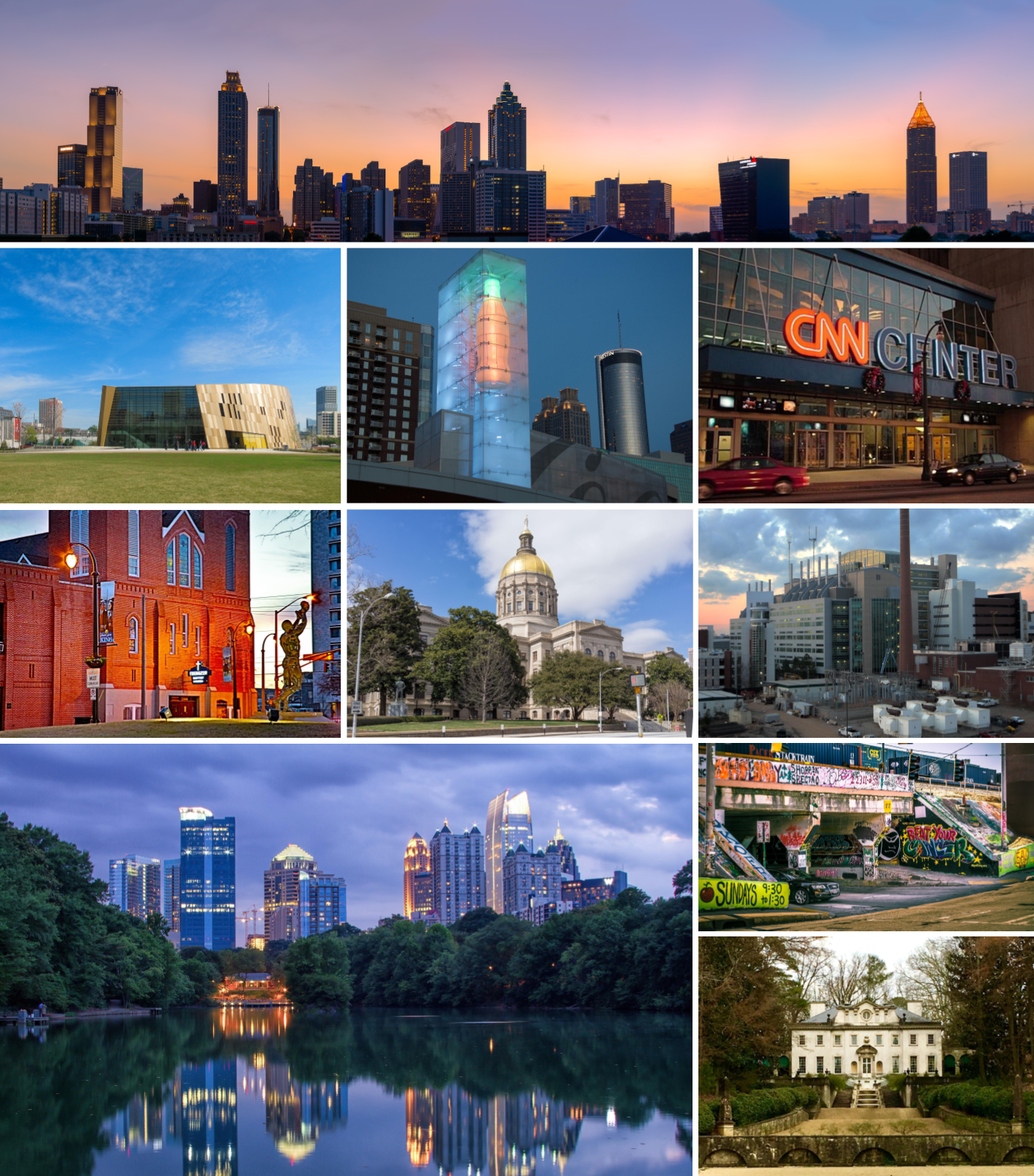
Conclusion: The Tech Heart of the South
Atlanta has successfully transitioned from a regional trade center to a global technology powerhouse. By focusing on the hard-to-solve problems of FinTech, cybersecurity, and enterprise software, and by leveraging its unparalleled talent pool and infrastructure, the city has secured its place in the digital future.
“What Atlanta” represents today is the democratization of technology—a move away from a single geographic center toward a more distributed, diverse, and robust global network. For tech professionals, investors, and software developers, Atlanta is no longer just a city to watch; it is the city where the future is being coded.
aViewFromTheCave is a participant in the Amazon Services LLC Associates Program, an affiliate advertising program designed to provide a means for sites to earn advertising fees by advertising and linking to Amazon.com. Amazon, the Amazon logo, AmazonSupply, and the AmazonSupply logo are trademarks of Amazon.com, Inc. or its affiliates. As an Amazon Associate we earn affiliate commissions from qualifying purchases.