
In the traditional study of literature, characterization is the process by which an author reveals the personality of a character. It is the breath of life that transforms a name on a page into a relatable, three-dimensional entity. However, in the modern commercial landscape, the concept of characterization has migrated from the dusty shelves of libraries to the high-stakes boardrooms of global marketing firms. In the context of brand strategy, characterization is no longer a literary device; it is a fundamental business tool used to construct a corporate identity that resonates with consumers on a visceral, human level.
To build a brand today is to write a story that never ends. For a company to succeed in a saturated market, it must transcend its products and services to become a “character” that the audience knows, trusts, and advocates for. This article explores the intricate process of brand characterization, examining how businesses use literary techniques to forge deep emotional connections and establish a lasting market presence.
Defining Brand Characterization: More Than Just a Logo
When we speak of brand characterization, we are referring to the deliberate creation of a persona that represents a business. It is the synthesis of values, voice, and visual cues that dictate how a brand behaves and how it is perceived by the public. Just as a novelist uses dialogue and action to reveal a protagonist’s nature, a brand strategist uses content, design, and customer experience to reveal a brand’s soul.
From Literary Roots to Market Reality
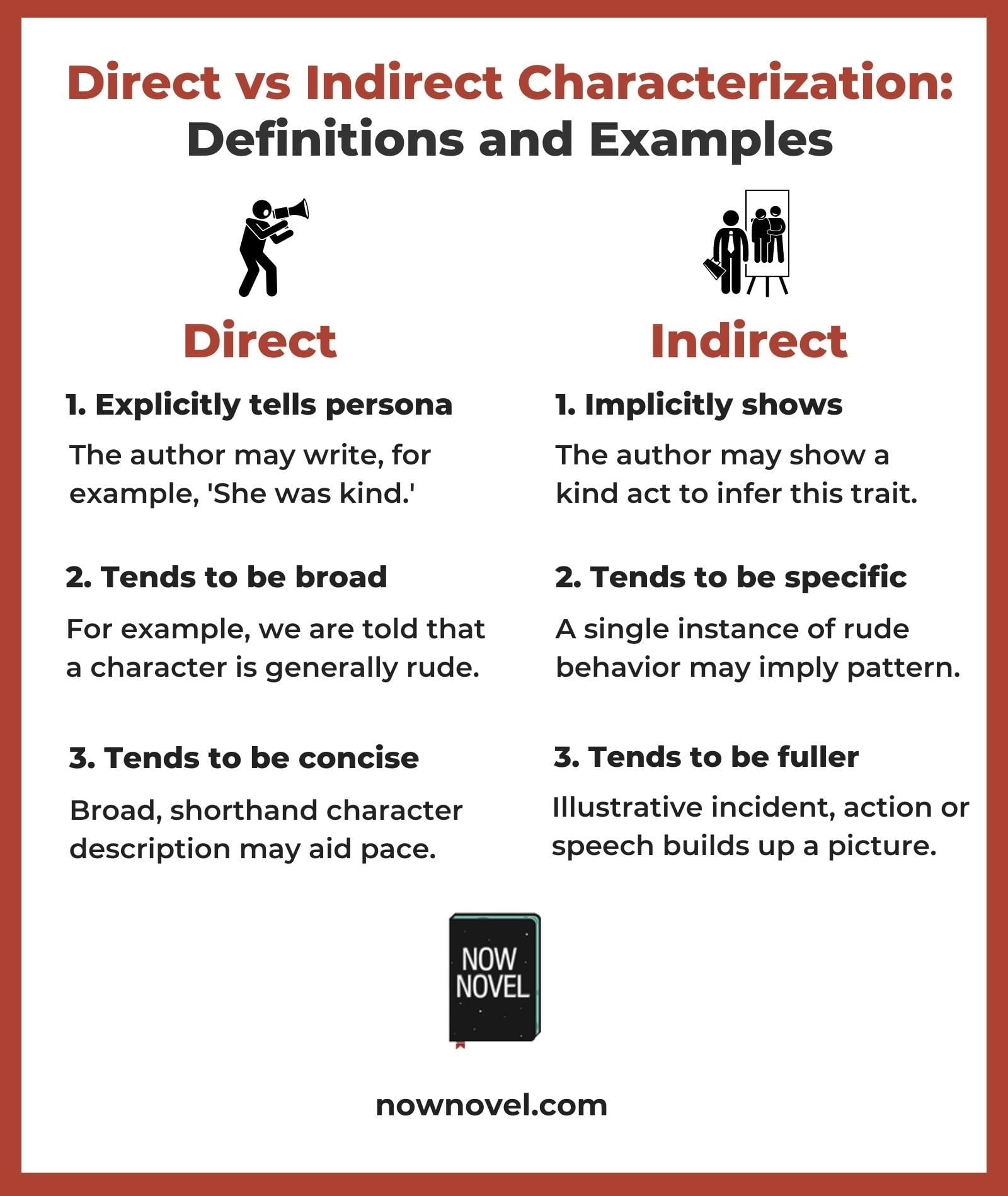
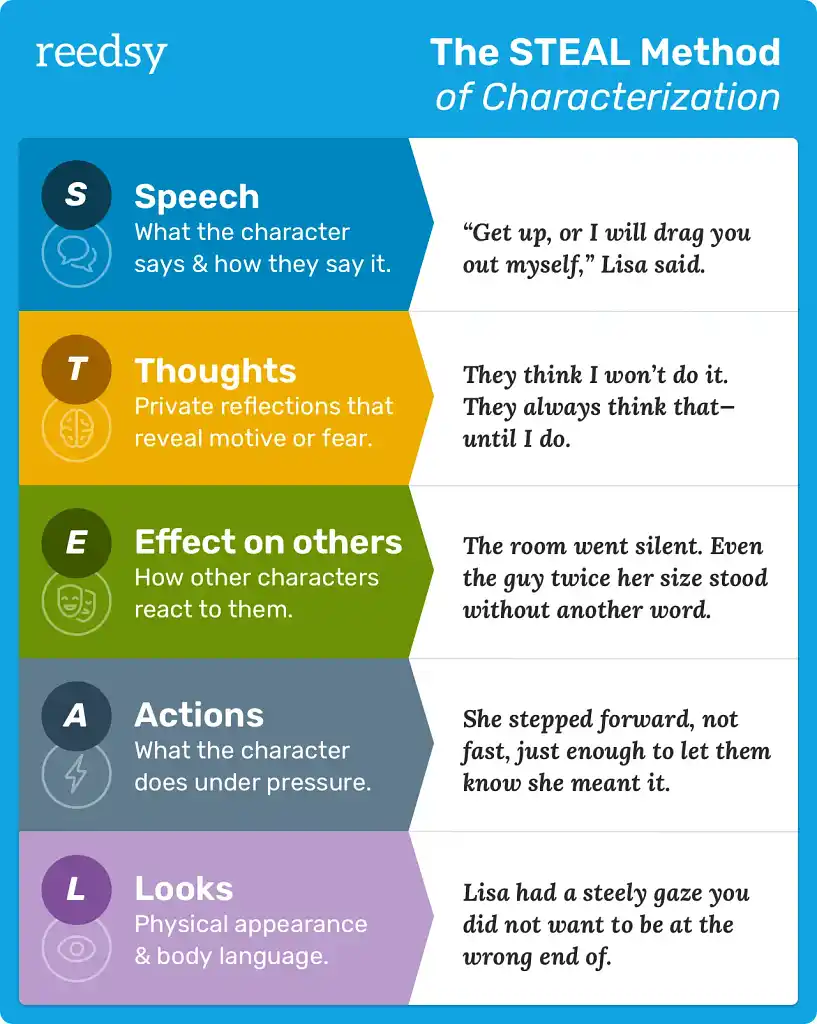
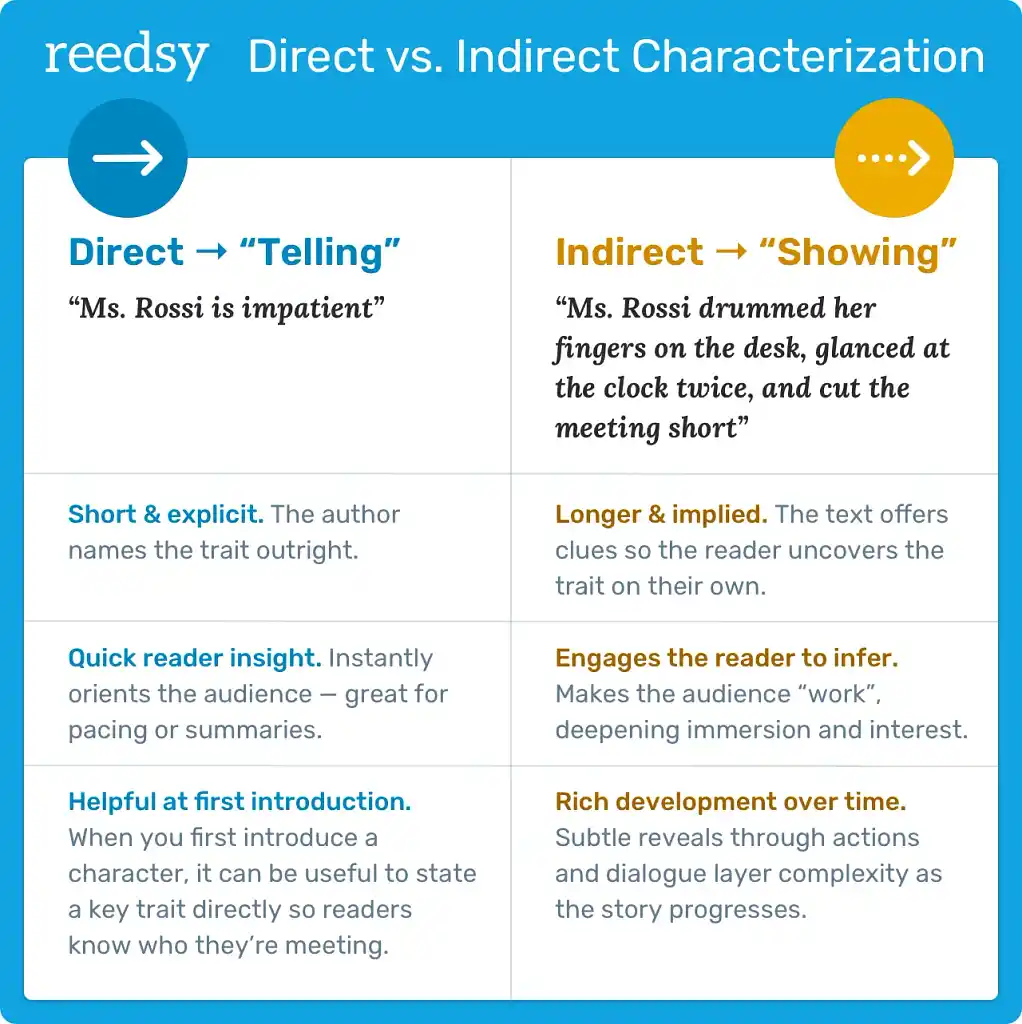
In literature, characterization is often divided into two categories: direct and indirect. Direct characterization tells the audience exactly what the character is like (“He was a brave man”). Indirect characterization shows the character’s personality through their speech, thoughts, effect on others, actions, and looks (the “STEAL” acronym).
Modern branding follows the same path. Direct characterization in branding occurs through mission statements and “About Us” pages where a company explicitly states its values. Indirect characterization—the more powerful of the two—occurs through every tweet, every customer service interaction, and every packaging choice. When a brand “shows” instead of “tells,” it builds a more authentic character. If a brand claims to be “innovative” (direct) but uses a clunky, outdated website (indirect), the characterization fails because the actions contradict the words.
The Psychology of the Brand Persona
Why do we characterize brands? The answer lies in human psychology. Humans are biologically wired to seek patterns and personification. We find it difficult to form an emotional bond with a faceless corporation, but we find it very easy to relate to a “personality.”
By applying character traits to a brand—be it the “Rugged Explorer” (Jeep), the “Innocent Optimist” (Coca-Cola), or the “Sophisticated Sage” (The New Yorker)—businesses tap into universal archetypes. These archetypes, popularized by Carl Jung, provide a psychological shorthand that allows consumers to instantly understand what a brand stands for. Characterization simplifies the consumer’s decision-making process by replacing complex data points with a simple, relatable identity.
The Core Elements of Brand Characterization
Creating a consistent brand character requires a multi-dimensional approach. It is not enough to have a catchy slogan; the characterization must be embedded in every fiber of the organization. This involves a strategic alignment of voice, values, and visual identity.
Voice and Tone: The Brand’s Speech Patterns
In a novel, a character is often defined by how they speak—their vocabulary, their rhythm, and their slang. In branding, this is known as “Brand Voice.” The voice is the steady, unchanging personality of the brand, while the “tone” is the emotional inflection applied depending on the situation.
For instance, a tech brand might have a voice that is “Empowering” and “Expert.” However, its tone might be “celebratory” when launching a new product and “empathetic” when responding to a technical support issue. Establishing a clear brand voice ensures that regardless of who is writing the copy—whether it’s a social media manager or a technical writer—the “character” remains consistent. Inconsistency in voice is the quickest way to break the “suspension of disbelief” that allows customers to view a brand as a singular, trustworthy entity.
Values and Ethics: The Moral Compass
A character without a motive or a moral compass is flat and uninteresting. In brand strategy, characterization is driven by purpose. What does the brand fight for? What does it stand against?
Modern consumers, particularly Millennials and Gen Z, engage in “belief-driven buying.” They want to know the character of the company they are supporting. When Patagonia commits to environmental activism, they are reinforcing their brand character as the “Guardian of the Earth.” This is not just a marketing tactic; it is a character trait that informs their business decisions, from supply chain management to political advocacy. Characterization through values creates a “tribe” of loyalists who don’t just buy the product—they buy into the identity.
Visual Identity as Character Design
If the brand voice is the “dialogue,” then the visual identity is the “costume design.” Colors, typography, and imagery are the visual manifestations of a brand’s character.
Consider the difference between a brand that uses minimalist, sans-serif fonts with a monochromatic color palette versus one that uses bold, hand-drawn scripts and vibrant oranges. The former characterizes itself as modern, efficient, and perhaps slightly elite; the latter characterizes itself as friendly, creative, and accessible. Every visual choice must serve the character. When a brand undergoes a “rebrand,” it is essentially a character arc—an evolution of its identity to stay relevant in a changing narrative.
Implementing Characterization Across Marketing Channels
Once a brand character is defined, it must be “cast” across various platforms. Each channel offers a different stage for the character to perform, and maintaining consistency across these stages is the hallmark of a professional brand strategy.
Narrative Consistency in Content Strategy
Content marketing is where brand characterization truly shines. Through blogs, whitepapers, and videos, a brand can tell stories that place the customer as the hero and the brand as the “Mentor” or “Guide” (the Obi-Wan Kenobi to the customer’s Luke Skywalker).
Effective characterization in content involves moving away from “sales-speak” and toward storytelling. For example, a financial software brand shouldn’t just list its features; it should tell the story of a small business owner overcoming the “villain” of disorganized taxes. By framing the brand’s utility within a narrative, the characterization becomes functional. The brand isn’t just a tool; it’s a reliable partner in the customer’s journey.
Social Media: The Brand in Conversation
Social media is the most interactive form of brand characterization. Here, the brand “character” must engage in real-time dialogue. This is where many brands struggle, as the pressure to be “trendy” can often lead to out-of-character behavior.
A brand like Wendy’s has successfully used a “Sassy and Irreverent” characterization on X (formerly Twitter) to differentiate itself from competitors. This persona is consistent, daring, and highly engaging. However, this same characterization might be a disaster for a luxury watchmaker or a healthcare provider. The key to successful social media characterization is knowing the “character’s limits”—understanding what your brand would and would not say in a public forum.
The Business Impact of Strong Characterization
The ultimate goal of characterization in brand strategy is not just to be “liked,” but to drive business results. A well-characterized brand is a powerful asset that contributes directly to the bottom line through equity and loyalty.
Building Trust through Authenticity
In an era of deepfakes and corporate scandals, authenticity is the highest currency. Characterization provides a framework for that authenticity. When a brand has a well-defined character, its actions become predictable in a way that builds trust. Customers know what to expect. This predictability reduces the perceived risk of a purchase. If a brand’s character is “Reliable and Solid,” and they consistently deliver high-quality service, the characterization is reinforced, and the customer-brand bond is strengthened.
Differentiation in a Crowded Marketplace
Commoditization is the enemy of profit. When products are viewed as identical, the only way to compete is on price, leading to a “race to the bottom.” Characterization is the antidote to commoditization.
Two companies may sell identical organic coffee beans. However, if one characterizes itself as a “Bohemian Community Hub” and the other as a “Scientific Precision Roaster,” they are no longer competing for the same dollar based on price. They are competing based on identity. Consumers will often pay a premium for a brand that reflects their own self-image or aspirations. Characterization allows a brand to occupy a unique space in the consumer’s mind that cannot be easily replicated by a competitor.
Conclusion: The Evolution of Character in the Digital Age
As we move further into the age of Artificial Intelligence and automated marketing, the human touch of characterization becomes more vital than ever. Algorithms can optimize for clicks, but they struggle to evoke love, nostalgia, or inspiration. Those emotions are the domain of character.
Characterization in literature began as a way to explore the human condition. In brand strategy, it serves a similar purpose: it humanizes the commercial exchange. By viewing a brand not as a collection of assets and liabilities, but as a living character with a voice, a mission, and a personality, strategists can create identities that do more than just sell. They create identities that endure. In the final analysis, products may have life cycles, but a great character is timeless. Developing that character is the highest form of brand strategy.
aViewFromTheCave is a participant in the Amazon Services LLC Associates Program, an affiliate advertising program designed to provide a means for sites to earn advertising fees by advertising and linking to Amazon.com. Amazon, the Amazon logo, AmazonSupply, and the AmazonSupply logo are trademarks of Amazon.com, Inc. or its affiliates. As an Amazon Associate we earn affiliate commissions from qualifying purchases.