
In the evolution of automotive engineering, few innovations have been as critical—yet as misunderstood—as the Diesel Exhaust Fluid (DEF) tank. While it might look like a simple reservoir to the untrained eye, the DEF tank is the centerpiece of a sophisticated hardware and software ecosystem known as Selective Catalytic Reduction (SCR). This technology represents a massive leap in chemical engineering and digital engine management, designed to reconcile the high-torque efficiency of diesel engines with the stringent environmental demands of the 21st century.
To understand what a DEF tank is, one must look beyond the plastic container and into the complex world of fluid dynamics, sensor arrays, and real-time data processing that allows modern vehicles to neutralize harmful pollutants before they ever reach the atmosphere.
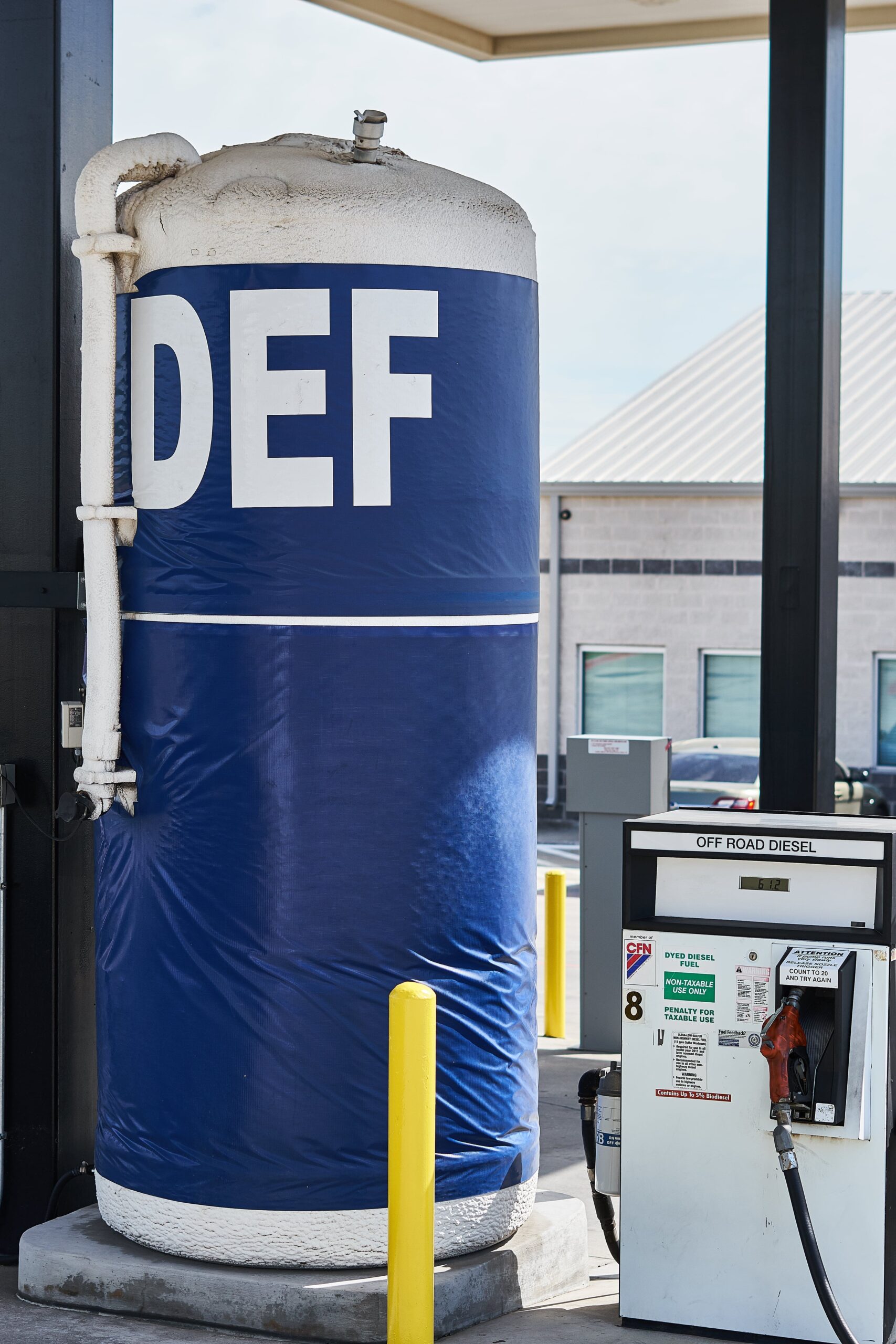
The Engineering Architecture of the DEF Tank
A DEF tank is a specialized storage vessel designed to hold a solution of 32.5% high-purity urea and 67.5% deionized water. Because this fluid is corrosive to certain metals and sensitive to temperature extremes, the “tech” of the tank itself is far more advanced than a standard fuel cell or windshield wiper reservoir.
Material Science and Storage Requirements
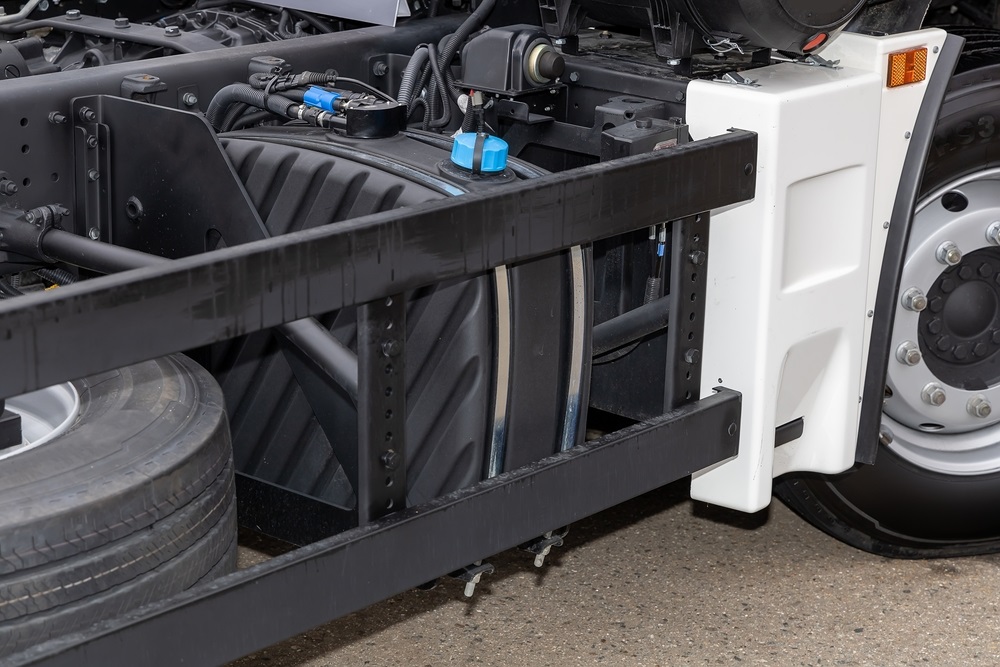
The interior of a DEF tank is typically constructed from high-density polyethylene (HDPE) or specialized stainless steel. This is a technical necessity because Diesel Exhaust Fluid is mildly alkaline and can corrode copper, brass, and even certain types of aluminum. If these metals were to leach into the fluid, they would poison the expensive catalyst downstream, rendering the entire emission system useless.
Furthermore, the tank is designed with complex internal baffling. As a vehicle maneuvers, the fluid sloshes; the baffling ensures that the pickup tube always has access to the fluid and that the sensors provide accurate readings despite the movement. This structural engineering ensures that the “smart” components of the system receive a steady supply of reactant.
Sensor Integration and Level Monitoring
Modern DEF tanks are packed with electronics. They are not merely “buckets” but are integrated nodes on the vehicle’s Controller Area Network (CAN bus). Inside the tank, you will find a multi-function header unit that includes:
- Ultrasonic Level Sensors: These use sound waves to calculate exactly how much fluid remains, providing digital readouts to the driver.
- Temperature Probes: Because DEF freezes at 12°F (-11°C), the tank must monitor its own thermal state.
- Quality Sensors: High-end systems use optical or conductivity sensors to ensure the fluid is actually DEF and not just water or an incorrect chemical mix.
Selective Catalytic Reduction (SCR): The Software and Chemical Logic
The DEF tank is useless without the SCR system, which acts as the “brain” of the operation. The transition from “dirty diesel” to “clean diesel” was made possible by the intersection of chemical logic and high-speed processing.
The Chemical Reaction Pathway
The technical purpose of the DEF tank is to provide the raw material for a chemical transformation. When the engine is running, the system pumps fluid from the DEF tank into the exhaust stream, just upstream of the SCR catalyst. At this point, the heat of the exhaust triggers thermolysis and hydrolysis, converting the urea into ammonia (NH3) and carbon dioxide (CO2).
Once inside the catalyst, the ammonia reacts with nitrogen oxides (NOx)—the harmful byproduct of diesel combustion. This tech-driven reaction breaks the NOx down into harmless nitrogen gas (N2) and water vapor (H2O). It is a remarkable feat of mobile chemistry that reduces particulate matter and NOx emissions by upwards of 90%.
Precise Dosing Algorithms
One of the most impressive tech components of the DEF system is the Dosing Control Unit (DCU). This is a dedicated computer that calculates exactly how much fluid to spray. It doesn’t just spray a constant stream; it analyzes real-time data from the engine’s ECU, including:
- Exhaust gas temperature.
- Engine load and RPM.
- Mass airflow.
- Upstream and downstream NOx sensors.
If the system sprays too little, the vehicle fails its emission standards. If it sprays too much (a condition known as “ammonia slip”), it wastes fluid and can cause crystalline deposits to form in the exhaust pipe. The software must be perfectly calibrated to find the “stoichiometric” balance in milliseconds.
Maintenance Tech and Diagnostic Systems
Because the DEF tank is a mandatory component for environmental compliance, manufacturers have integrated it deeply into the vehicle’s onboard diagnostics (OBD-II). This ensures the system is not only functional but also tamper-proof.
The “Limp Mode” Protocol and Electronic Failsafes
The tech community often discusses “fail-safes,” and the DEF system contains one of the most stringent examples in the automotive world. If the sensors in the DEF tank detect that the fluid is empty, or if the quality sensor determines the fluid has been diluted, the vehicle’s software initiates an inducement strategy.
Initially, this may appear as a dashboard warning. However, if ignored, the software will eventually trigger “Limp Mode.” This is a programmed reduction in engine power and speed. In extreme cases, the tech prevents the engine from restarting once it has been turned off. This digital “handcuff” ensures that a vehicle cannot operate while polluting above legal limits.
Winterizing the Tech: Heating Elements and Thaw Cycles
Operating a DEF tank in cold climates presents a massive engineering hurdle. Since the fluid freezes at 12°F, the tank is equipped with an integrated heating system. These heaters are typically electronic (using glow-plug-style elements) or utilize the engine’s warm coolant circulated through a heat exchanger inside the tank.
The software logic here is fascinating: the ECU knows that the fluid may be frozen upon startup. It allows the vehicle to run for a predetermined “thaw period,” during which the heaters melt a small pool of fluid around the pickup tube. Only once the sensors confirm the fluid is liquid does the dosing pump engage. This prevents the pump from burning out while trying to move solid ice.
The Environmental Tech Impact: Moving Toward Net Zero
The introduction of the DEF tank was not a choice made by manufacturers for performance, but a response to global regulatory technology standards. It represents the industry’s commitment to using “clean tech” to extend the life of the internal combustion engine.
Tier 4 and Euro 6 Standards
The necessity of the DEF tank was born from the EPA’s Tier 4 standards in the United States and the Euro 6 standards in Europe. These regulations demanded a drastic reduction in nitrogen oxides, which are a primary contributor to smog and acid rain. Before the advent of SCR and DEF tank technology, diesel engines struggled to meet these targets without sacrificing fuel economy or engine longevity.
By moving the “cleaning” process to the exhaust system (the “after-treatment” phase), engineers were able to tune engines for maximum efficiency and power, leaving the DEF tank and the SCR catalyst to handle the environmental cleanup. This separation of duties is a hallmark of modern industrial design.
The Future of Fluid-Based Emission Controls
As we look toward the future, the technology housed within the DEF tank is being refined. Researchers are looking into “solid” ammonia storage and high-concentration urea blends that could allow for smaller tanks and longer intervals between refills.
Furthermore, the data collected by DEF systems is increasingly being used in fleet management software. By analyzing DEF consumption rates via telematics, fleet operators can diagnose engine health issues before they lead to mechanical failure. A sudden spike in DEF usage, for example, might indicate that an engine is running “hotter” or less efficiently than it should, allowing for proactive maintenance.
Summary: A Critical Node in the Automotive Ecosystem
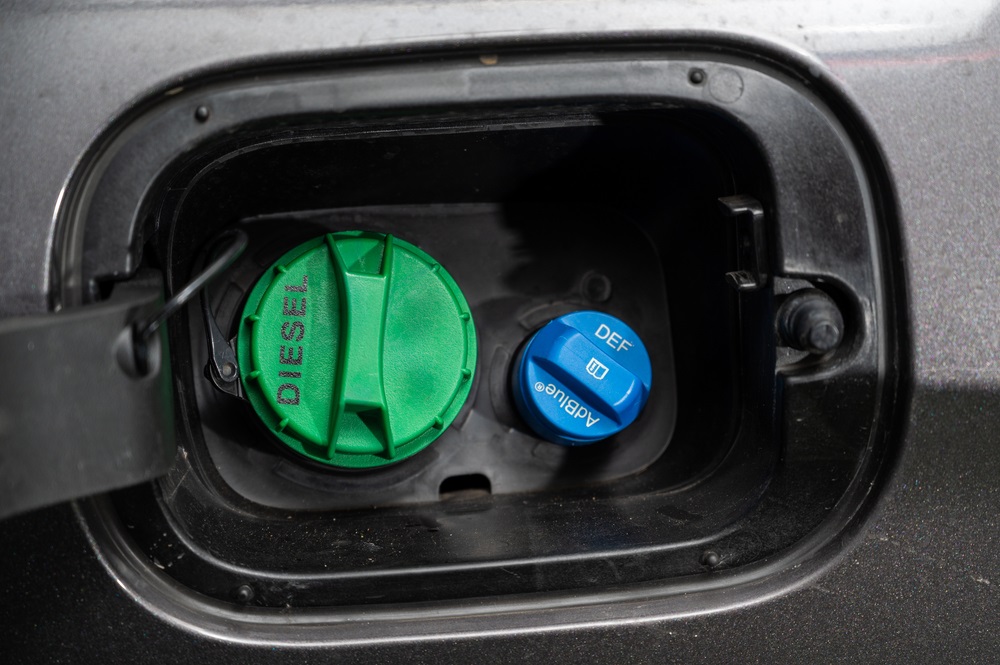
To answer “what is a DEF tank” is to describe a sophisticated intersection of chemistry, software, and mechanical engineering. It is a vital component that allows the heavy-duty power of diesel to coexist with modern air-quality standards.
The DEF tank is more than a container; it is a smart device. It monitors its own health, communicates with the vehicle’s central nervous system, and manages a complex chemical reaction in real-time. For the tech-savvy driver or fleet manager, understanding the DEF tank is essential to understanding the modern diesel vehicle. It is a testament to how far automotive technology has come—turning a traditionally “dirty” fuel source into a high-precision, low-emission powerhouse through the power of digital management and chemical innovation.
aViewFromTheCave is a participant in the Amazon Services LLC Associates Program, an affiliate advertising program designed to provide a means for sites to earn advertising fees by advertising and linking to Amazon.com. Amazon, the Amazon logo, AmazonSupply, and the AmazonSupply logo are trademarks of Amazon.com, Inc. or its affiliates. As an Amazon Associate we earn affiliate commissions from qualifying purchases.