
Certificate incorporation marks a pivotal moment in the life cycle of a business, transforming an entrepreneurial vision into a legally distinct entity. For aspiring and established business owners alike, understanding this fundamental process is critical, as it underpins a company’s financial structure, legal standing, and future growth potential within the vast landscape of business finance. At its core, incorporation is the legal process by which a new or existing business registers as a corporation with the relevant government authority, typically at the state level in the United States. The “certificate” is the official document issued by that authority, serving as irrefutable proof of the entity’s legal existence and compliance with state incorporation laws.
The Foundation of a Legal Business Entity
Incorporation is more than just paperwork; it’s a strategic decision that fundamentally alters a business’s legal and financial identity. It establishes a robust framework that distinguishes the business from its owners, offering distinct advantages and responsibilities that directly impact its financial health and operational longevity.
Defining Incorporation
Incorporation is the act of forming a corporate legal entity. This process legally separates the business from its owners, creating a “person” in the eyes of the law. This legal separation is the cornerstone of its financial and operational implications. Unlike sole proprietorships or general partnerships, an incorporated business, such as a C-Corporation (C-Corp) or S-Corporation (S-Corp), can enter into contracts, incur debt, own assets, sue, and be sued, all in its own name. This independent existence profoundly influences how the business manages its finances, attracts investment, and mitigates risks. It provides a formal structure essential for scaling operations and managing complex financial transactions.
The Role of the Certificate
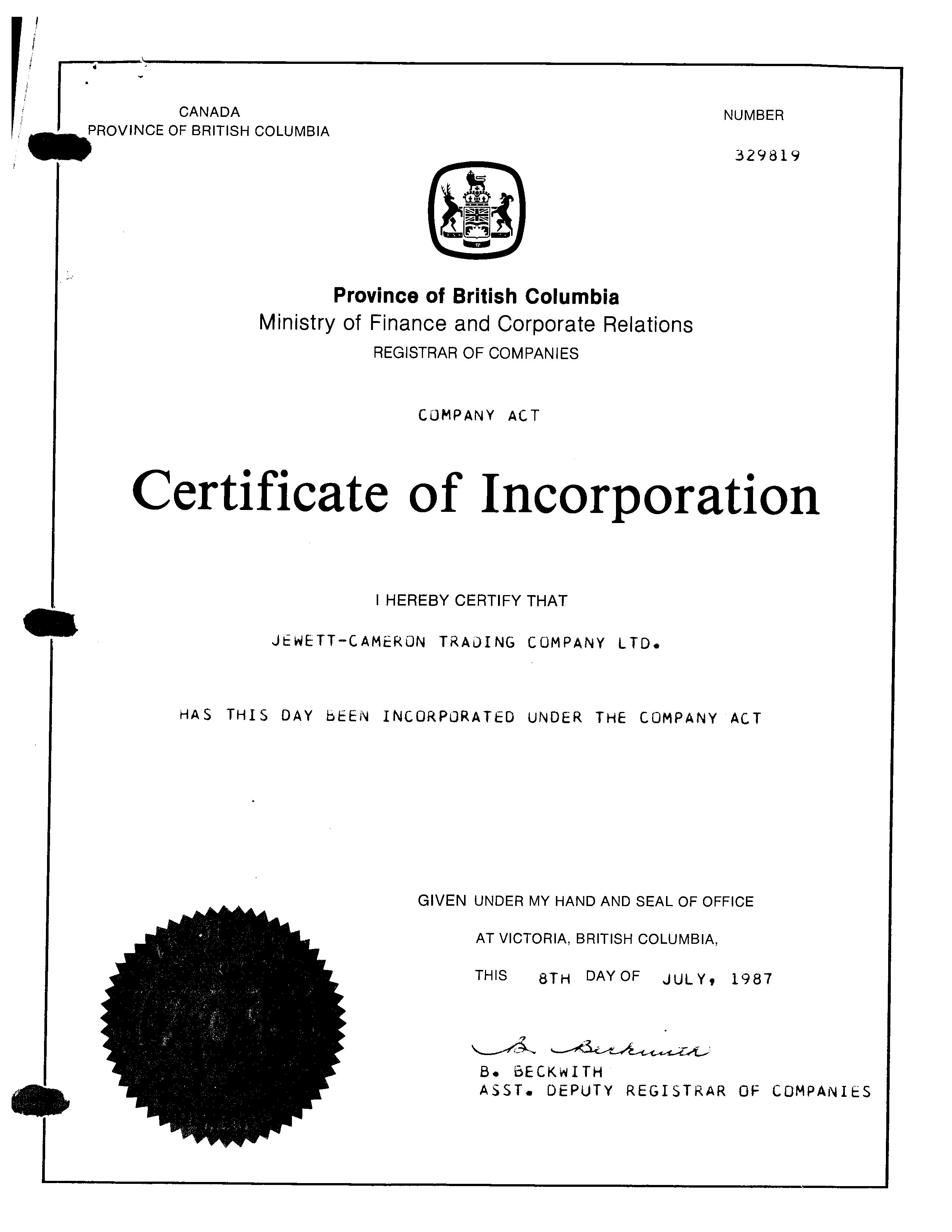
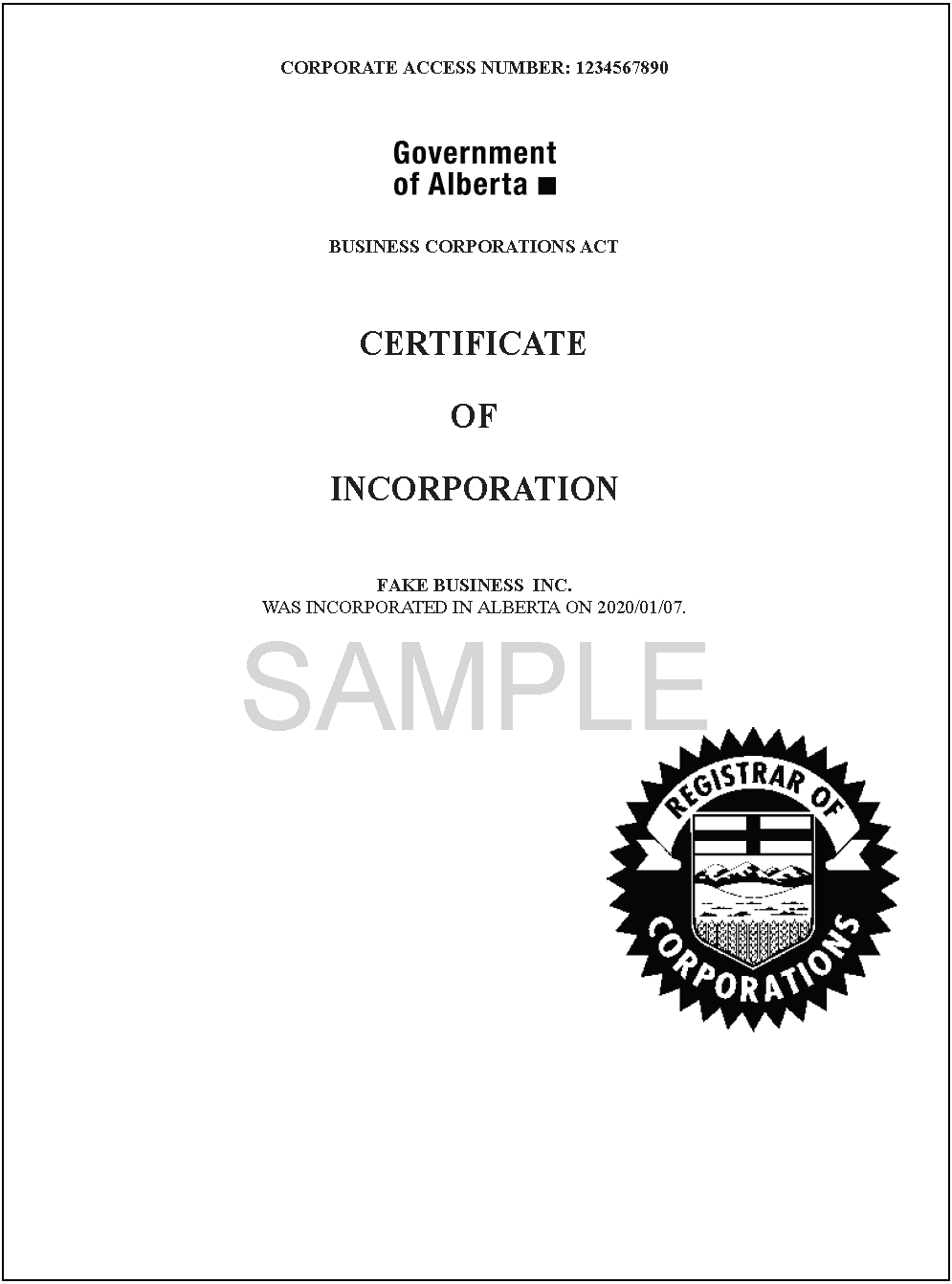
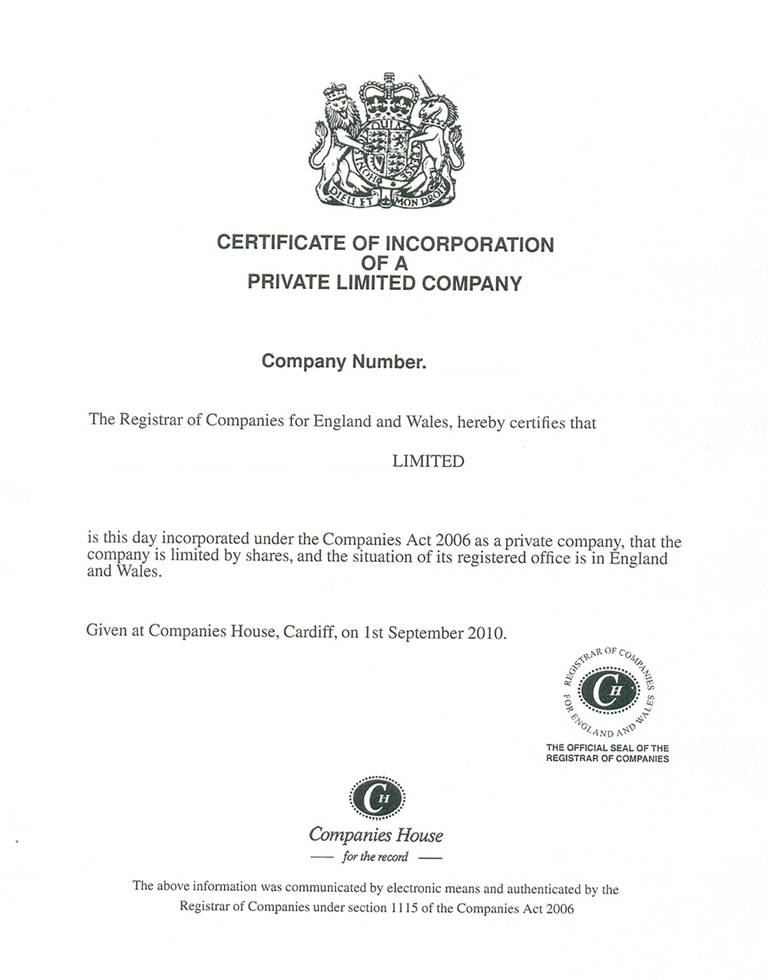
The Certificate of Incorporation, also known as the Articles of Incorporation in many jurisdictions, is the official document issued by the state’s Secretary of State or equivalent authority upon successful completion of the incorporation process. This certificate is the birth certificate of the corporation. It typically includes vital information such as the corporation’s legal name, its registered agent, the number and type of shares authorized for issuance, and the names of the incorporators. This document is not merely a formality; it is the definitive proof of the corporation’s legal existence. From a financial perspective, it is often required by banks to open business accounts, by investors during due diligence, and by government agencies for various licenses and permits. It formally grants the entity the rights and responsibilities of a corporation, setting the stage for its financial operations and legal obligations.
Key Benefits of Incorporating Your Business
The decision to incorporate is often driven by a desire to secure specific financial and legal advantages that are not available to unincorporated businesses. These benefits are particularly attractive to growing enterprises seeking stability, investment, and long-term financial viability.
Limited Liability Protection
Perhaps the most compelling reason to incorporate is the limited liability protection it offers to owners. In a properly structured and maintained corporation, the personal assets of the shareholders (owners) are shielded from the business’s debts, obligations, and lawsuits. This means that if the corporation faces financial distress, bankruptcy, or legal action, creditors generally cannot pursue the personal assets of the owners, such as their homes, cars, or personal savings. This separation of personal and business finances is a critical financial safeguard, significantly reducing personal financial risk for entrepreneurs.
Enhanced Credibility and Professionalism
An incorporated business often projects a more professional and established image to customers, partners, and financial institutions. The corporate structure suggests a higher level of formality, stability, and commitment. This enhanced credibility can make it easier to secure favorable terms from suppliers, attract higher-caliber talent, and build trust with clients. From a financial standpoint, this professionalism can translate into better credit terms, improved customer retention, and ultimately, greater profitability and easier access to financing.
Access to Capital and Investment Opportunities
Corporations are generally more attractive to investors, including venture capitalists and angel investors, than unincorporated entities. The corporate structure, particularly a C-Corp, allows for the issuance of shares, making it straightforward to raise capital by selling equity stakes in the company. This ability to attract external investment is crucial for financing expansion, research and development, and market penetration strategies. Furthermore, incorporated businesses often find it easier to obtain business loans and lines of credit from financial institutions due to their formal structure, clear ownership, and enhanced credibility. The financial instruments and reporting requirements associated with corporations are well-understood by investors and lenders, streamlining the fundraising process.
Tax Advantages and Business Deductions
Depending on the chosen corporate structure (e.g., C-Corp vs. S-Corp), incorporation can offer significant tax advantages and opportunities for business deductions. C-Corporations are subject to corporate income tax but can deduct a wide range of business expenses, including employee benefits, salaries, and operating costs. S-Corporations, on the other hand, offer pass-through taxation, avoiding corporate-level tax by passing profits and losses directly to the owners’ personal income, but still allowing owners to be employees and pay themselves a reasonable salary, thereby reducing self-employment taxes on distributions. The ability to structure executive compensation, defer income, and take advantage of specific business-related deductions can lead to substantial tax savings, directly impacting the business’s net profit and owners’ take-home pay.
Perpetual Existence
Unlike a sole proprietorship or partnership, which often dissolves upon the death or departure of an owner, a corporation has perpetual existence. This means the corporation continues to exist independently of its owners or management. Ownership can be transferred through the sale of shares, and management can change without disrupting the business’s operations or legal standing. This continuity is a significant financial advantage, ensuring the business’s long-term viability, protecting its assets, and preserving its value across generations or changes in leadership. It makes the business a more stable and attractive entity for long-term investments and strategic planning.
The Incorporation Process: A General Overview
While the specifics vary by jurisdiction, the general steps for obtaining a Certificate of Incorporation are fairly consistent, each with its own financial and administrative implications.
Choosing a Business Structure (e.g., C-Corp, S-Corp, LLC)
Before initiating the incorporation process, entrepreneurs must decide on the most suitable business structure. Common options include:
- C-Corporation (C-Corp): Offers maximum flexibility for ownership and fundraising (e.g., issuing different classes of stock) but is subject to “double taxation” (corporate profits taxed, then dividends taxed again at the shareholder level).
- S-Corporation (S-Corp): Avoids double taxation by passing profits and losses directly to owners’ personal income, similar to a partnership. However, it has restrictions on the number and type of shareholders.
- Limited Liability Company (LLC): While not technically a corporation, an LLC offers limited liability protection and pass-through taxation, making it a popular choice for many small to medium-sized businesses. It combines elements of both partnerships and corporations.
The choice profoundly impacts financial planning, tax liabilities, and future investment strategies.
Selecting a Registered Agent
Every corporation is legally required to appoint a registered agent within the state of incorporation. This individual or entity must have a physical street address (not a P.O. Box) in the state and be available during normal business hours to receive official legal and tax documents on behalf of the corporation. The registered agent ensures the company receives critical financial and legal notices promptly, preventing missed deadlines or legal complications that could result in fines or dissolution.
Filing Articles of Incorporation
This is the core step in the incorporation process. The Articles of Incorporation (or Certificate of Incorporation) are filed with the Secretary of State (or equivalent office) in the chosen state. This document typically includes the corporation’s name, the registered agent’s name and address, the number and types of shares the corporation is authorized to issue, and sometimes the names of the initial directors. Filing fees are required, which constitute an initial financial outlay for forming the entity.
Obtaining Your Certificate of Incorporation
Once the filed Articles are reviewed and approved by the state, the Certificate of Incorporation is issued. This document officially recognizes the business as a legal corporation. It signifies the formal commencement of the corporate entity’s legal and financial life. This certificate is crucial for opening bank accounts, applying for federal and state tax IDs (EIN), and entering into formal business agreements.
Post-Incorporation Compliance
After receiving the certificate, the corporation must adhere to ongoing compliance requirements. These include issuing stock to shareholders, drafting corporate bylaws, holding initial and annual board meetings, keeping detailed corporate records, and obtaining necessary federal and state tax IDs (like an Employer Identification Number or EIN from the IRS). Failure to maintain corporate formalities, known as “piercing the corporate veil,” can jeopardize the limited liability protection, exposing owners to personal financial risk.
Differentiating Incorporation from Other Business Structures
Understanding the distinct features of incorporation compared to other business forms is vital for making an informed financial decision.
Sole Proprietorships and Partnerships
These are the simplest business structures, where the business and its owners are considered the same legal entity. They are easy and inexpensive to set up, but offer no personal liability protection. Owners are personally responsible for all business debts and obligations, exposing their personal assets to significant financial risk. From a financial perspective, while setup costs are low, the potential for unlimited personal liability can be a major deterrent for businesses with significant financial risk or growth aspirations.
LLCs vs. Corporations
Limited Liability Companies (LLCs) offer a hybrid structure, combining the limited liability of a corporation with the pass-through taxation of a sole proprietorship or partnership. They are often simpler to set up and maintain than corporations, with fewer ongoing compliance requirements. However, corporations (especially C-Corps) offer greater flexibility for raising capital through diverse stock offerings and are generally preferred by venture capitalists and institutional investors looking for clear equity structures. The choice between an LLC and a corporation hinges on factors like desired tax treatment, fundraising goals, and the complexity of governance the founders are willing to manage, all of which have direct financial implications.
Financial and Operational Implications
The decision to incorporate carries significant financial and operational implications that extend far beyond the initial filing.
Costs Associated with Incorporation
Incorporation involves various costs. These include state filing fees (which vary significantly by state), legal fees if an attorney is used to draft documents, and potential registered agent service fees. Beyond initial setup, there are ongoing costs for annual report filings, compliance services, and potentially higher accounting fees due to the increased complexity of corporate tax returns. These financial outlays must be factored into the business’s budget and long-term financial planning.
Ongoing Compliance and Record-Keeping
Corporations are subject to stricter regulatory oversight and more rigorous record-keeping requirements than other business forms. They must maintain corporate minutes, resolutions, stock ledgers, and other official documents. Annual meetings and regular board meetings are often mandated. Strict adherence to these formalities is crucial for maintaining the limited liability shield and avoiding legal or financial penalties. Effective financial record-keeping is not just a compliance issue; it provides essential data for strategic financial decisions, budgeting, and performance analysis.
Impact on Fundraising and Exit Strategies
Incorporation provides a clear legal framework that simplifies fundraising by allowing for the issuance and transfer of shares, making it easier to attract external investment. It also streamlines potential exit strategies, such as mergers, acquisitions, or an initial public offering (IPO). A well-structured corporation with a clear ownership history and robust financial records is more appealing to potential acquirers or public markets, often commanding higher valuations and smoother transaction processes. The legal and financial clarity offered by incorporation is paramount for maximizing the value of the business upon a liquidity event.
In summary, the Certificate of Incorporation is far more than a piece of paper; it represents the formal legal and financial establishment of a business. It provides a robust framework for managing financial risk, attracting capital, navigating tax complexities, and ensuring the long-term viability and transferability of a commercial enterprise. For any serious business owner focused on growth, stability, and financial prudence, understanding and leveraging the power of incorporation is an indispensable element of their strategic financial toolkit.
aViewFromTheCave is a participant in the Amazon Services LLC Associates Program, an affiliate advertising program designed to provide a means for sites to earn advertising fees by advertising and linking to Amazon.com. Amazon, the Amazon logo, AmazonSupply, and the AmazonSupply logo are trademarks of Amazon.com, Inc. or its affiliates. As an Amazon Associate we earn affiliate commissions from qualifying purchases.