
In the complex world of finance and economics, understanding “central value” is not merely academic; it is foundational to making informed decisions, assessing risk, and predicting market behavior. At its core, central value refers to a single, representative value that aims to describe the center or typical element of a dataset, the inherent worth of an asset, or a state of balance within an economic system. Far from being a monolithic concept, central value manifests in various forms, each offering a unique lens through which to interpret financial landscapes.
This article delves into the multifaceted nature of central value, exploring its statistical underpinnings, its critical role in investment valuation, and its significance in broader economic contexts. By dissecting these dimensions, we can unlock a more profound understanding of financial data, asset true worth, and market dynamics, equipping individuals and businesses alike with powerful analytical tools.
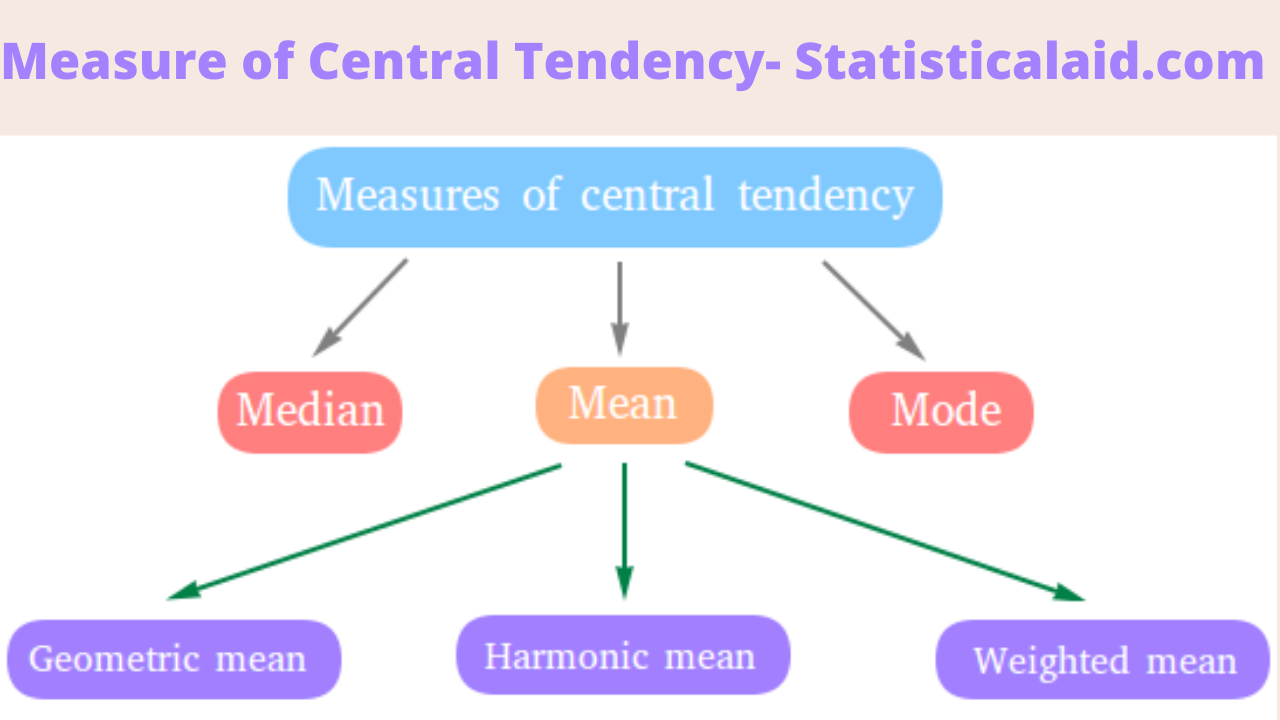
The Foundations of Central Value: Statistical Measures
At its most fundamental level, central value in finance is often understood through the lens of descriptive statistics. When faced with reams of financial data—be it stock prices, interest rates, sales figures, or investment returns—the first step to comprehension is often to distill this information into a representative “center.” This is where measures of central tendency come into play, providing a snapshot of the typical data point.
Mean: The Average Perspective
The arithmetic mean, often simply referred to as the “average,” is perhaps the most widely recognized measure of central value. Calculated by summing all values in a dataset and dividing by the number of values, the mean provides a smooth, balanced representation. In finance, the mean is frequently used to calculate average returns on investments, average expenses over a period, or the average price of a stock.
-
Application in Finance: An investor might calculate the mean annual return of a portfolio over the last decade to understand its historical performance. A business might use the mean to determine the average cost of goods sold, aiding in pricing strategies and profitability analysis.
-
Limitations: While intuitive, the mean can be heavily skewed by outliers or extreme values. For instance, a single exceptionally high or low stock price in a dataset can significantly distort the average, making it less representative of the typical price.
Median: The Middle Ground
The median offers an alternative perspective by identifying the middle value in a dataset when all values are arranged in ascending or descending order. If there’s an even number of values, the median is the average of the two middle numbers. The beauty of the median lies in its robustness against outliers.
-
Application in Finance: When analyzing income distributions, property values, or household wealth, the median is often preferred over the mean. For example, the median household income provides a more accurate picture of typical earnings than the mean, which could be inflated by a few extremely wealthy individuals. In real estate, the median home price is a better indicator of affordability than the mean.
-
Strengths: Its resilience to extreme values makes the median an invaluable tool for understanding the “typical” scenario without the distortion caused by anomalies.
Mode: The Most Frequent Occurrence
The mode represents the value that appears most frequently in a dataset. Unlike the mean or median, a dataset can have one mode (unimodal), multiple modes (multimodal), or no mode at all if all values are unique.
-
Application in Finance: The mode is less commonly used than the mean or median for continuous financial data but can be highly useful for discrete data or categorical analysis. For example, a mutual fund manager might use the mode to identify the most common sector allocation across their peer group, or a retail business might use it to determine the most frequently purchased product size or color.
-
Insights: While not always a direct indicator of central tendency in the same way as mean or median, the mode offers insights into popular trends or common occurrences, which can be valuable for market research and product strategy.
Why Each Measure Matters in Finance
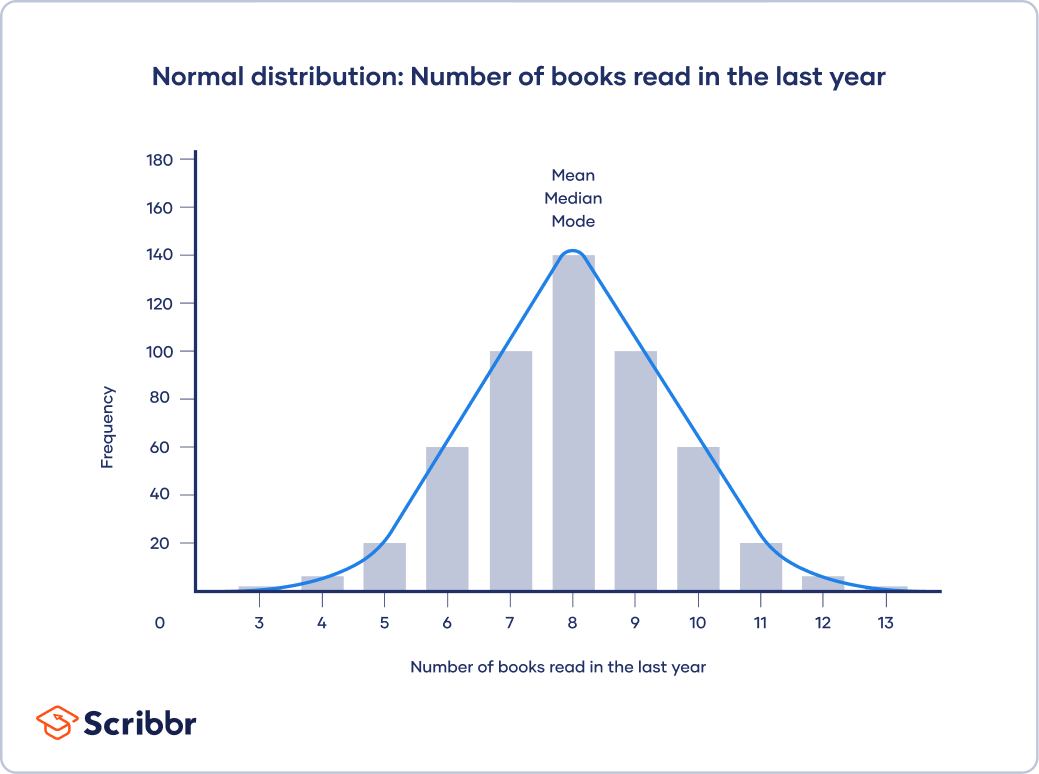
The choice of which measure of central value to use is not arbitrary; it depends entirely on the nature of the data and the specific question being asked. For symmetric distributions without significant outliers, the mean, median, and mode will often be very close, offering a consistent picture. However, for skewed distributions—common in financial data like income or asset returns—understanding the differences between these measures becomes critical. A savvy financial analyst will often consider all three to gain a comprehensive understanding of the central value and the underlying distribution of the data.
Beyond Statistics: Intrinsic Value and Investing
While statistical measures help us understand data distributions, the concept of “central value” takes on a deeper, more profound meaning in the realm of investing: intrinsic value. Intrinsic value refers to the true, inherent worth of an asset, a business, or an investment, independent of its current market price. It is the core economic value that an asset holds, derived from its potential to generate future cash flows or provide other benefits. Identifying this central value is the holy grail for value investors who seek to buy assets when their market price is below their intrinsic worth.
Discounted Cash Flow (DCF) Analysis
One of the most revered methods for estimating intrinsic value is Discounted Cash Flow (DCF) analysis. This technique involves projecting a company’s future free cash flows and then discounting them back to their present value using a discount rate that reflects the risk associated with those cash flows. The sum of these present values represents the intrinsic value of the business.
-
Process: Analysts forecast a company’s revenues, expenses, and capital expenditures for a period (e.g., 5-10 years), calculate the resulting free cash flow, and then estimate a terminal value for all cash flows beyond the forecast period. These values are then discounted using the Weighted Average Cost of Capital (WACC) to arrive at a present intrinsic value.
-
Significance: DCF is powerful because it focuses on the fundamental ability of a business to generate cash, which is the ultimate source of value. It’s a forward-looking approach, providing a robust estimate of a company’s true worth.
Asset-Based Valuation
Asset-based valuation determines a company’s value by summing the fair market value of its individual assets and subtracting its liabilities. This method is particularly useful for companies with significant tangible assets, such as manufacturing firms, real estate companies, or those undergoing liquidation.
-
Components: It involves valuing current assets (cash, accounts receivable, inventory), fixed assets (property, plant, equipment), and intangible assets (patents, brand names, goodwill) separately.
-
Use Cases: While often considered a floor for valuation, it can be crucial in specific scenarios, providing a conservative estimate of central value, especially when a company’s earnings are volatile or negative.
Relative Valuation (Comparables)
Relative valuation, or using “comparables,” estimates an asset’s value by comparing it to the values of similar assets in the market. This method relies on the principle that identical or similar assets should trade at similar prices. Analysts use valuation multiples (e.g., Price-to-Earnings (P/E) ratio, Enterprise Value-to-EBITDA (EV/EBITDA)) derived from comparable companies or transactions to infer the central value of the target asset.
-
Methodology: Select a group of truly comparable companies or transactions, calculate their respective valuation multiples, and then apply an average or median of these multiples to the target company’s relevant financial metric (e.g., earnings, EBITDA) to arrive at an estimated central value.
-
Market Context: Relative valuation is highly dependent on current market sentiment and the availability of truly comparable assets, offering a market-centric view of central value.
Market Price vs. Intrinsic Value
A cornerstone of value investing is the distinction between market price and intrinsic value. The market price is simply what an asset is currently trading for on an exchange—a reflection of collective sentiment, supply, and demand, which can often be swayed by irrational exuberance or panic. Intrinsic value, on the other hand, is the asset’s underlying worth based on its fundamental economic characteristics. The “central value” an investor seeks is this intrinsic worth, hoping to find discrepancies where the market price deviates significantly below it, signaling an opportunity for profit as the market eventually corrects.
Central Value in Economic Contexts
Beyond individual assets and datasets, the concept of central value extends to macroeconomics, describing equilibrium points and typical states within broader economic systems. Here, “central value” often refers to the point where opposing forces balance, creating stability or a norm around which economic activity gravitates.
Equilibrium Price and Quantity
In microeconomics, the central value of a good or service in a market is often represented by its equilibrium price and quantity. This is the point where the supply curve intersects the demand curve, meaning the quantity of a product that producers are willing to supply exactly matches the quantity that consumers are willing to buy.
-
Market Function: At equilibrium, there is no surplus or shortage, and the market is said to be “clearing.” This represents a central, stable value around which market prices and quantities tend to fluctuate.
-
Dynamic Nature: While an important theoretical concept, real-world markets are constantly in flux, with equilibrium prices and quantities dynamically adjusting to changes in supply, demand, and external shocks.
The Role of Central Banks and Monetary Policy
Central banks, such as the U.S. Federal Reserve or the European Central Bank, play a crucial role in managing the central value of a nation’s currency and influencing overall economic stability. Through monetary policy, they aim to achieve central targets for inflation, unemployment, and interest rates.
-
Interest Rates: The central bank’s policy rate (e.g., the federal funds rate) acts as a central value around which all other interest rates in the economy typically revolve. By adjusting this rate, central banks influence borrowing costs, investment, and economic activity.
-
Inflation Targets: Many central banks operate with explicit or implicit inflation targets (e.g., 2%), representing a central value for price stability. Their policies are geared towards keeping inflation around this target, balancing economic growth with stable purchasing power.
Macroeconomic Indicators and Central Tendencies
Governments and economists routinely track various macroeconomic indicators—GDP growth, inflation rates, unemployment figures, consumer confidence—to gauge the overall health and direction of an economy. Analyzing the central tendency (mean, median, mode) of these indicators over time helps identify long-term trends, typical performance, and deviations from the norm.
- Forecasting: Understanding these central values is vital for economic forecasting, policy-making, and assessing the effectiveness of fiscal and monetary interventions. For instance, knowing the average GDP growth rate over decades provides a baseline against which current performance can be judged.
Practical Applications: Leveraging Central Value for Financial Decisions
The theoretical understanding of central value translates into tangible benefits across various financial domains, empowering better decision-making for individuals and institutions alike.
Portfolio Management and Risk Assessment
In investment portfolio management, understanding the central value of expected returns for different assets or asset classes is fundamental. Investors use mean returns to estimate potential growth and standard deviation (a measure of dispersion around the mean) to quantify risk. The median return might provide a more realistic expectation if historical returns are highly volatile or skewed.
- Diversification: By analyzing the central values of various investment characteristics, investors can construct diversified portfolios that align with their risk tolerance and financial goals, aiming for a central range of expected returns while managing potential downsides.
Business Forecasting and Budgeting
Businesses regularly employ central value concepts in forecasting future sales, expenses, and profits. Using historical mean or median sales figures, adjusted for market trends and strategic initiatives, allows for more accurate revenue projections. Similarly, analyzing the central value of operating costs helps in creating realistic budgets and managing cash flow effectively.
- Strategic Planning: Accurate forecasting, rooted in a solid understanding of central values, is critical for strategic planning, resource allocation, and setting performance benchmarks.

Personal Financial Planning
For individuals, central value informs critical personal finance decisions. Understanding the mean or median interest rates on loans (mortgages, credit cards) helps in securing better terms. Knowing the average returns on different investment vehicles aids in retirement planning and wealth accumulation strategies. Even budgeting involves establishing a “central value” for monthly expenses to ensure financial stability.
- Goal Setting: By recognizing the central values associated with financial goals (e.g., average cost of education, typical retirement savings needed), individuals can set achievable targets and formulate effective plans to reach them.
In conclusion, “central value” is a cornerstone concept that permeates the world of money, offering indispensable tools for analysis, valuation, and decision-making. From the elementary statistical measures that define the typical data point to the complex financial models that uncover intrinsic worth and the economic theories that describe market equilibrium, understanding central value empowers individuals and organizations to navigate financial complexities with greater clarity and confidence. Mastering its various manifestations is not just about crunching numbers; it’s about discerning the core truth within the data, assets, and markets that shape our financial lives.
aViewFromTheCave is a participant in the Amazon Services LLC Associates Program, an affiliate advertising program designed to provide a means for sites to earn advertising fees by advertising and linking to Amazon.com. Amazon, the Amazon logo, AmazonSupply, and the AmazonSupply logo are trademarks of Amazon.com, Inc. or its affiliates. As an Amazon Associate we earn affiliate commissions from qualifying purchases.