
In an increasingly globalized economy, the term “exchange rate” is no longer a concept reserved for international bankers or Wall Street traders. Whether you are a traveler planning a vacation, a freelance professional receiving payments in foreign currency, an investor looking at international stocks, or a business owner managing an overseas supply chain, the exchange rate is a fundamental force that dictates your purchasing power and profit margins.
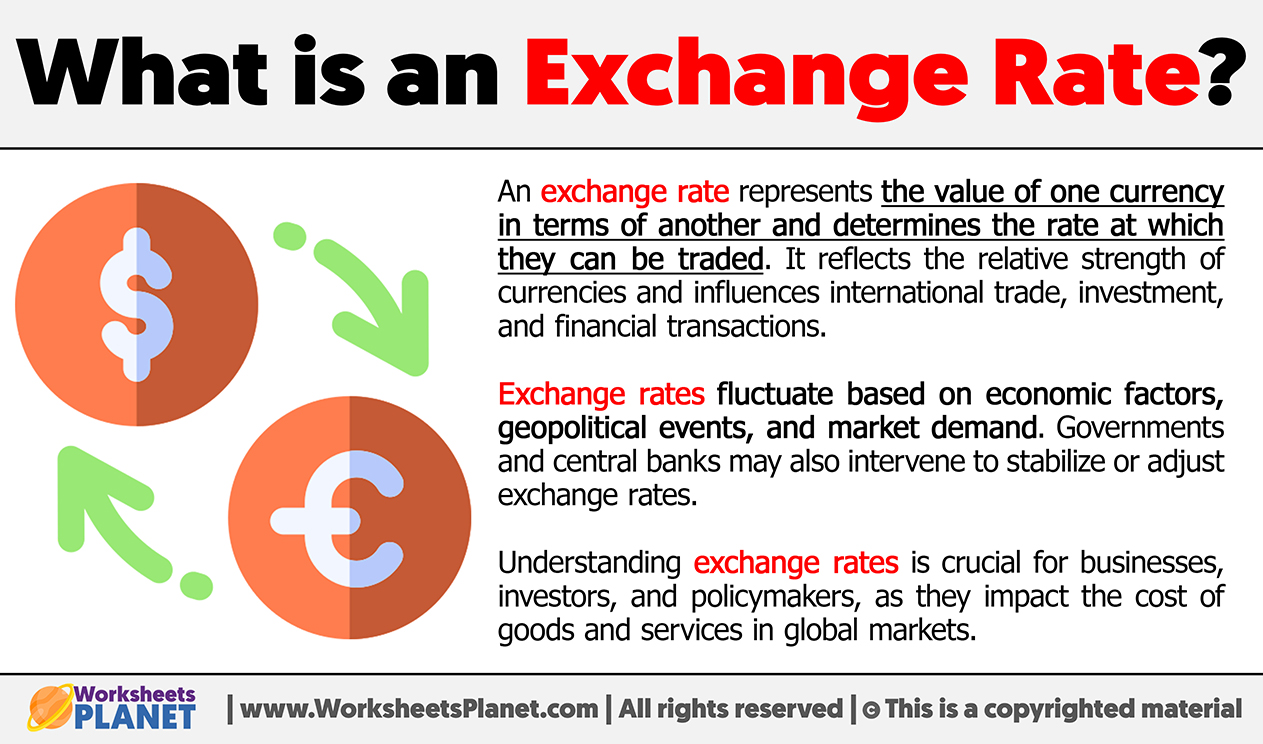
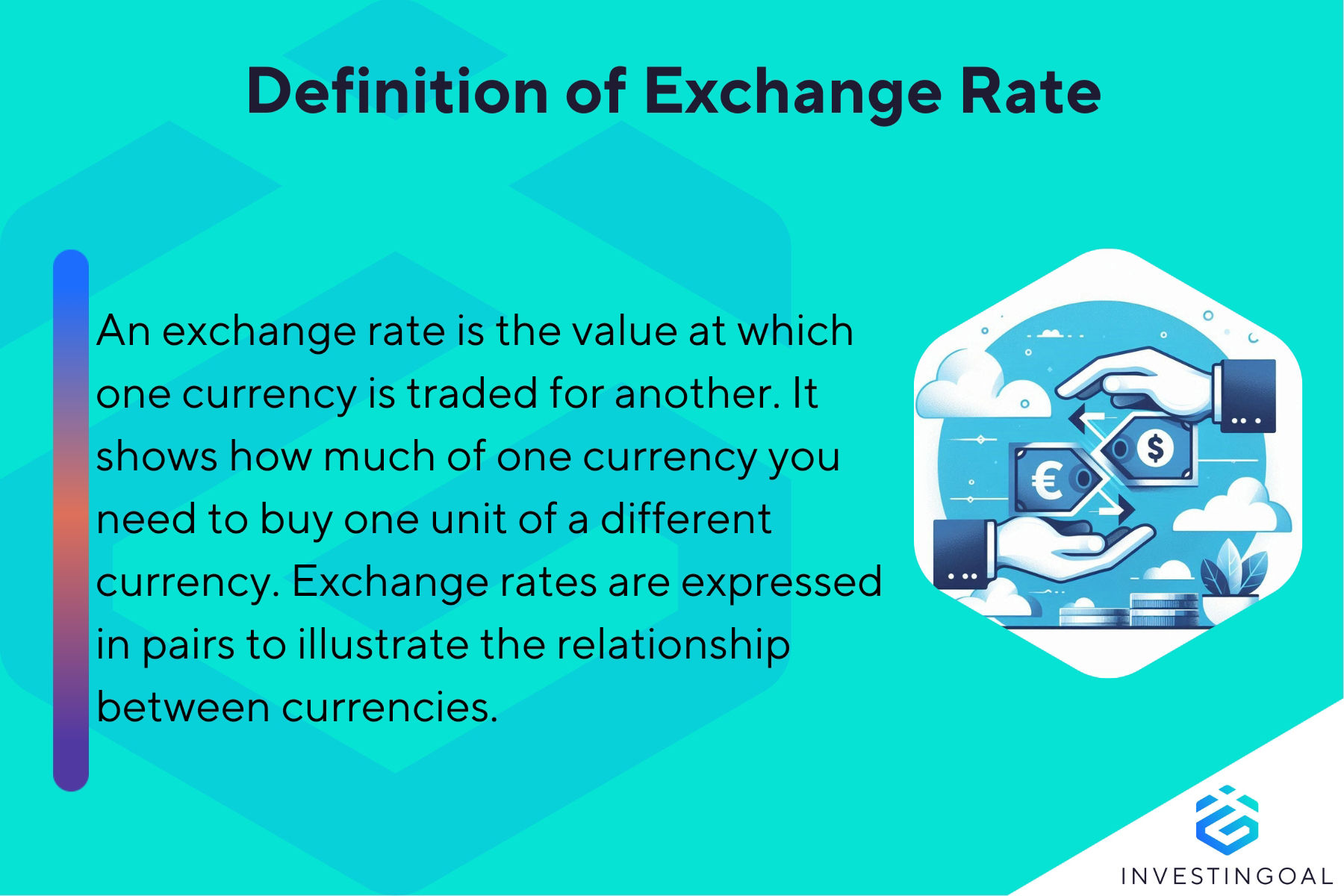
At its core, an exchange rate is the value of one nation’s currency versus the currency of another nation or economic zone. For example, if the exchange rate for USD to EUR is 0.92, it means one U.S. dollar can be exchanged for 0.92 Euros. While the definition is simple, the mechanics behind these numbers are driven by a complex web of economic indicators, geopolitical events, and market psychology. Understanding these dynamics is essential for anyone looking to master their personal or business finances.

The Fundamental Mechanics of Exchange Rates
To navigate the world of international finance, one must first understand how exchange rates are structured and categorized. Currencies are always traded in pairs, and their values are relative rather than absolute.
Floating vs. Fixed Exchange Rates
The global financial system primarily operates on two types of exchange rate regimes: floating and fixed (or pegged).
Most major economies, such as the United States, the United Kingdom, and the Eurozone, use a floating exchange rate. In this system, the currency’s value is determined by the private market through supply and demand on the foreign exchange (Forex) market. If demand for a currency is high, its value rises; if demand drops, its value falls.
Conversely, some nations use a fixed or pegged exchange rate. In this scenario, a government or central bank ties its currency’s value to another major currency (often the U.S. Dollar) or a basket of currencies. The goal is usually to maintain stability and encourage predictable trade. For instance, the Hong Kong Dollar is pegged to the U.S. Dollar within a narrow trading band.
Understanding Base and Quote Currencies
When you look at an exchange rate ticker, you will see pairs like EUR/USD or GBP/JPY. The first currency listed is the base currency, and the second is the quote currency. The exchange rate represents how much of the quote currency is needed to purchase one unit of the base currency.
If the EUR/USD rate is 1.10, the Euro is the base and the Dollar is the quote. You need $1.10 to buy €1. If the rate moves to 1.15, the Euro has “strengthened” or “appreciated,” while the Dollar has “weakened” or “depreciated.”
The Bid-Ask Spread and Transaction Costs
In the world of money management, the rate you see on Google is rarely the rate you get at a bank or a currency kiosk. This is due to the bid-ask spread. The “bid” is the price at which a dealer is willing to buy a currency, and the “ask” is the price at which they are willing to sell it. The difference between these two—the spread—is essentially the transaction fee or profit margin for the financial institution. For individuals and businesses, minimizing this spread is key to preserving capital during international transactions.
Factors Influencing Currency Valuation
Currency values do not fluctuate at random. They are reflections of a country’s economic health and the confidence that global investors have in its future. Several macroeconomic factors serve as the primary drivers of these shifts.
Interest Rates and Inflation
Central banks, such as the Federal Reserve in the U.S. or the European Central Bank, play a pivotal role in determining exchange rates through monetary policy. Generally, higher interest rates offer lenders in an economy a higher return relative to other countries. This attracts foreign capital, causing the exchange rate to rise.
Inflation also plays a critical role. Typically, a country with a consistently lower inflation rate exhibits a rising currency value, as its purchasing power increases relative to other currencies. Conversely, high inflation usually leads to currency depreciation, as the money loses value against foreign counterparts.
Geopolitical Stability and Economic Performance
Capital flows toward “safe havens.” In times of global uncertainty or conflict, investors often move their money into currencies perceived as stable, such as the U.S. Dollar, the Swiss Franc, or the Japanese Yen.
Economic indicators—such as Gross Domestic Product (GDP), unemployment rates, and manufacturing data—also influence sentiment. A robust economy encourages foreign investment, which requires the local currency, thereby driving up its price. Political stability is equally vital; a country facing leadership crises or civil unrest will often see its currency devalued as investors flee to more predictable environments.
The Balance of Trade
The balance of trade represents the ratio of a country’s exports to its imports. If a country exports more than it imports, there is a high demand for its goods and, consequently, its currency. This creates a trade surplus, which tends to strengthen the currency. On the other hand, a trade deficit (importing more than exporting) can lead to a weaker currency because the nation must sell its own currency to buy the foreign goods.
Why Exchange Rates Matter for Personal Finance and Business
Understanding exchange rates is not just an academic exercise; it has tangible impacts on how you earn, spend, and invest your money.
International Travel and Purchasing Power
For the average person, the most direct impact of exchange rates is felt during international travel. If you are traveling from the U.S. to the UK and the Dollar is strong against the Pound, your hotels, meals, and souvenirs become effectively cheaper. If the Dollar weakens, your vacation budget won’t stretch as far. Smart travelers monitor these rates months in advance to determine the best time to book flights or exchange cash.
Investing in Foreign Markets
In the realm of personal finance and investing, exchange rates introduce a layer of “currency risk.” If you buy stocks in a Japanese company using Yen, your total return is determined by two things: the performance of the stock and the movement of the Yen against your home currency. Even if the stock price goes up, you could still lose money if the Yen depreciates significantly against your local currency by the time you sell. Conversely, a favorable currency move can amplify your investment gains.
Business Operations and Supply Chain Management
For business owners, exchange rate fluctuations can make the difference between a profitable year and a loss. If a U.S.-based company sources raw materials from China, a sudden strengthening of the Yuan increases the cost of goods sold, squeezing profit margins.
Furthermore, “Online Income” earners—such as freelancers or digital nomads—must be acutely aware of exchange rates. If you are a freelancer in Europe billing a client in U.S. Dollars, a “strong dollar” is a pay raise for you. If the dollar weakens, you are effectively earning less for the same amount of work.
Strategies for Managing Currency Risk
Given the volatility of the Forex market, individuals and businesses must employ strategies to protect their wealth from adverse movements.
Hedging with Financial Instruments
Larger businesses often use “hedging” to lock in exchange rates for future transactions. A forward contract allows a business to agree on an exchange rate today for a transaction that will occur in 30, 60, or 90 days. This provides certainty in budgeting and protects against sudden market crashes. While individuals rarely use forward contracts, they can use similar logic by pre-paying for travel expenses or using “limit orders” on currency exchange platforms.
Timing Your Transactions and Using Fintech Tools
Technology has democratized access to favorable exchange rates. Traditional banks often charge 3% to 5% in hidden fees within the exchange rate. Modern financial tools and fintech apps like Wise, Revolut, or Interactive Brokers allow users to exchange money at the “mid-market rate” (the real rate you see on Google) for a transparent, nominal fee.
For those earning an online income in multiple currencies, holding “multi-currency accounts” allows you to keep money in its original currency until the exchange rate is favorable, rather than being forced to convert it immediately at a poor rate.
Diversification as a Safeguard
In investing, diversification is the ultimate defense. By holding assets in different currencies or investing in international funds that are “currency-hedged,” you can reduce your exposure to the volatility of any single nation’s economy. A well-rounded portfolio often includes a mix of domestic and international assets to balance the risks and rewards of the global market.
Conclusion: The Long-Term Impact of Currency Fluctuations
The exchange rate is a silent but powerful architect of the global financial landscape. It dictates the flow of capital across borders, determines the winners and losers in international trade, and affects the everyday cost of living for billions of people.
By understanding what the exchange rate means and the factors that cause it to shift, you can move from being a passive observer to an active manager of your financial destiny. Whether you are optimizing your side hustle income, protecting your business’s bottom line, or diversifying your investment portfolio, a keen eye on the currency markets is an indispensable tool in the modern pursuit of financial security and growth. In the world of money, knowledge is the most stable currency of all.
aViewFromTheCave is a participant in the Amazon Services LLC Associates Program, an affiliate advertising program designed to provide a means for sites to earn advertising fees by advertising and linking to Amazon.com. Amazon, the Amazon logo, AmazonSupply, and the AmazonSupply logo are trademarks of Amazon.com, Inc. or its affiliates. As an Amazon Associate we earn affiliate commissions from qualifying purchases.