
The Complete Blood Count (CBC) is arguably one of the most common and foundational diagnostic tests in modern medicine. Far more than just a simple blood draw, the CBC represents a marvel of precision engineering, advanced software, and intricate data analysis. It provides a snapshot of a patient’s overall health, revealing crucial information about red blood cells, white blood cells, and platelets, which are vital indicators for a vast array of conditions, from anemia and infections to inflammatory diseases and even certain cancers. Understanding “what is a CBC count” in the 21st century means appreciating the technological backbone that transforms a mere blood sample into actionable medical intelligence. This article will explore the technological underpinnings, recent advancements, and future trajectory of CBC analysis within the broader landscape of health technology.
The Technological Core of a Complete Blood Count (CBC)
At its heart, the CBC is a testament to how technology has revolutionized medical diagnostics. What was once a laborious manual process requiring microscopes and trained eyes is now largely automated, offering unparalleled speed, accuracy, and comprehensiveness.
Automated Hematology Analyzers: Precision at Scale
The primary workhorse behind every CBC test is the automated hematology analyzer. These sophisticated machines are a culmination of decades of engineering innovation, moving far beyond simple cell counting to provide a detailed phenotypic profile of blood components.
The evolution of these analyzers began with basic electrical impedance methods, which count cells by detecting changes in electrical resistance as cells pass through a tiny aperture. However, modern analyzers integrate a suite of advanced technologies:
- Flow Cytometry: This technique involves hydrodynamically focusing cells into a single stream and passing them through a laser beam. Detectors measure light scattered by the cells (forward scatter relates to cell size, side scatter relates to internal complexity/granularity) and fluorescence emitted by cells stained with specific dyes. This allows for highly accurate differentiation and enumeration of various white blood cell types (neutrophils, lymphocytes, monocytes, eosinophils, basophils), which are crucial for diagnosing infections, allergies, and immune disorders.
- Optical Scatter and Absorbance: Advanced optical systems use multiple laser wavelengths and detection angles to provide even more granular information about cell morphology and internal structure, including differentiating immature cell forms.
- Chemical Assays: Hemoglobin measurement, for example, often involves lysing red blood cells and then measuring the light absorbance of the released hemoglobin, a precise spectrophotometric technique.
These integrated technologies allow a single analyzer to simultaneously measure and calculate over a dozen parameters from a few milliliters of blood. Key components measured include:
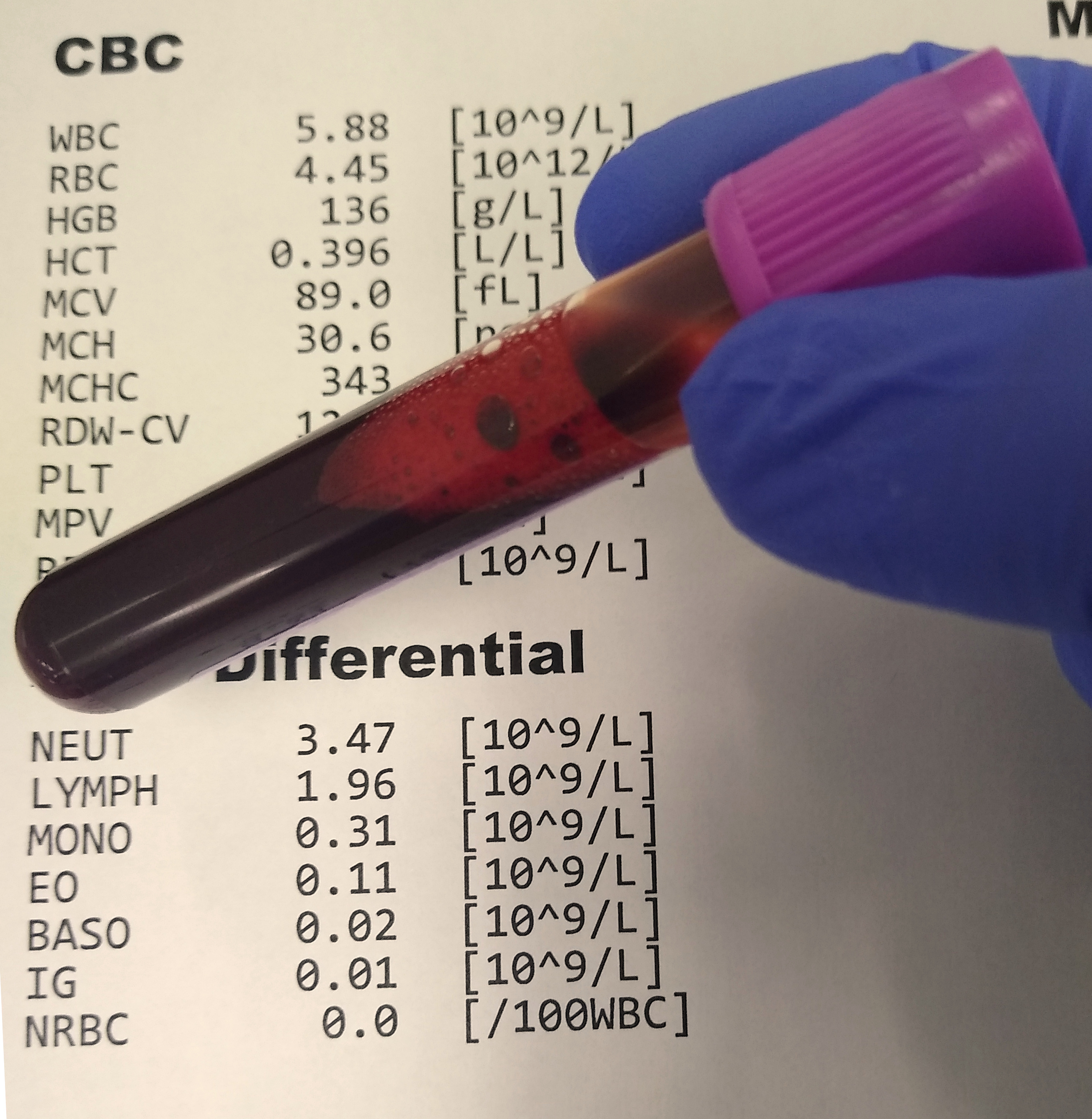
- Red Blood Cells (RBCs): Total count, Hemoglobin (Hb), Hematocrit (Hct), Mean Corpuscular Volume (MCV), Mean Corpuscular Hemoglobin (MCH), Mean Corpuscular Hemoglobin Concentration (MCHC), and Red Cell Distribution Width (RDW). These are critical for assessing anemia and oxygen-carrying capacity.
- White Blood Cells (WBCs): Total count and differential count (percentage and absolute numbers of neutrophils, lymphocytes, monocytes, eosinophils, and basophils). These are vital for detecting infection, inflammation, and immune conditions.
- Platelets (PLTs): Total count, Mean Platelet Volume (MPV), and Platelet Distribution Width (PDW). These are essential for evaluating clotting ability and bleeding risk.
Data Acquisition and Interpretation Software
The hardware of a hematology analyzer is only half the story. The true power lies in the sophisticated software that acquires, processes, and interprets the vast amounts of raw data generated.
- Signal Processing and Algorithms: As cells pass through the detection chambers, electrical pulses, scattered light, and fluorescent signals are generated. Software algorithms are meticulously designed to filter noise, identify individual cell events, and categorize them based on their unique characteristics. This transforms raw sensor data into clinically meaningful parameters like cell counts and morphological indices.
- Cell Classification and Flagging: Advanced algorithms use multi-dimensional data points (e.g., light scatter patterns, impedance, fluorescence) to accurately differentiate between various cell types. The software is also programmed with sophisticated rule sets to “flag” samples that exhibit abnormal cell populations or unusual parameter values. These flags alert laboratory professionals to potential pathologies, prompting further manual review or additional specialized tests.
- Integration with Laboratory Information Systems (LIS): Modern analyzers are seamlessly integrated with Laboratory Information Systems (LIS) and often directly with Electronic Health Records (EHR) systems. This digital pipeline ensures that patient demographics are correctly matched with results, tests are ordered efficiently, results are validated, and then transmitted securely and rapidly to clinicians. This automation minimizes transcription errors and significantly speeds up the diagnostic process, enabling faster patient care decisions.
Advancements in CBC Technology: Beyond Basic Diagnostics
The field of hematology diagnostics is not static. Continuous innovation, particularly with the advent of artificial intelligence and miniaturization, is pushing the boundaries of what a CBC can achieve.
AI and Machine Learning in Hematology
Artificial intelligence (AI) and machine learning (ML) are rapidly transforming how CBC data is analyzed and utilized, moving beyond simply counting cells to predicting and even pre-diagnosing conditions.
- Automated Image Analysis and Morphological Review: While automated analyzers are highly efficient, complex or abnormal blood samples often require manual microscopic review by a skilled technologist. AI-powered digital morphology systems are emerging, using deep learning algorithms trained on vast datasets of blood cell images to automatically classify cells, detect subtle morphological abnormalities, and even pre-screen slides for pathologist review. This reduces human workload, standardizes interpretation, and improves diagnostic throughput.
- Predictive Analytics for Early Disease Detection: AI models can analyze patterns across multiple CBC parameters, often in conjunction with other patient data (e.g., age, symptoms, other lab results), to identify early warning signs of various diseases. For example, ML algorithms are being developed to predict the onset of sepsis, diagnose specific types of anemia, or even identify subtle indicators of hematological malignancies long before overt symptoms appear. This capability promises earlier intervention and improved patient outcomes.
- Reducing Human Error and Improving Diagnostic Speed: By automating complex pattern recognition tasks and providing intelligent flagging systems, AI can significantly reduce the potential for human error in interpreting challenging CBC results. This leads to more reliable diagnoses and speeds up the entire diagnostic workflow, from sample to actionable report.
Point-of-Care (POC) CBC Devices
The trend towards decentralizing diagnostics has led to the development of compact, user-friendly Point-of-Care (POC) CBC devices. These technologies bring the lab to the patient, providing rapid results in diverse settings.
- Miniaturization and Portability: Advancements in microfluidics, sensor technology, and compact optics have enabled the creation of handheld or small benchtop analyzers. These devices often use very small blood volumes (e.g., a finger-prick sample) and can deliver results within minutes.
- Applications in Diverse Settings: POC CBC devices are invaluable in emergency rooms where rapid diagnosis is critical, in remote or resource-limited areas where central laboratories are inaccessible, in primary care clinics for immediate screening, and even in military field hospitals. They enable faster clinical decisions, such as determining the need for a blood transfusion, diagnosing an acute infection, or monitoring chemotherapy side effects.
- Connectivity and Data Transfer Challenges: While POC devices offer speed, ensuring data integrity and seamless integration with EHR systems presents unique challenges. Solutions involve secure wireless connectivity, cloud-based data management platforms, and robust cybersecurity protocols to ensure that results are accurately recorded and accessible to the patient’s care team, maintaining the chain of custody for diagnostic information.
The Digital Frontier of Personalized Health Management
Beyond the immediate diagnostic utility, CBC data, when integrated into the broader digital health ecosystem, plays a critical role in personalized health management and the evolving concept of precision medicine.
Integrating CBC Data with Digital Health Platforms
The widespread adoption of electronic health records (EHRs), patient portals, and health apps is transforming how individuals access and utilize their health information, including their CBC results.
- Empowering Individuals with Their Health Data: Patient portals allow individuals to view their CBC results, often accompanied by educational resources explaining the significance of different parameters. This transparency empowers patients to better understand their health status, engage in shared decision-making with their healthcare providers, and take a more active role in managing their well-being.
- Longitudinal Tracking for Chronic Condition Management: For individuals with chronic conditions (e.g., autoimmune diseases, kidney disease, cancer undergoing chemotherapy), CBCs are often monitored regularly. Digital platforms enable easy longitudinal tracking of these parameters over time, allowing patients and clinicians to visualize trends, identify deviations, and assess the effectiveness of treatments. Wearable devices are also beginning to explore non-invasive methods to track certain physiological parameters that might correlate with blood count changes, though full CBC capability in wearables remains a distant goal.
- Telehealth and Remote Monitoring: The ability to securely transmit CBC results electronically is fundamental to the expansion of telehealth services. Clinicians can remotely review lab results, consult with patients, and make treatment adjustments without the need for an in-person visit, improving accessibility and convenience of care.
Cybersecurity and Data Privacy in Diagnostic Data
As CBC data becomes increasingly digitized and interconnected, the imperative for robust cybersecurity and stringent data privacy measures grows paramount. This sensitive health information must be protected against unauthorized access, breaches, and misuse.
- Protecting Sensitive Patient Information: Laboratory Information Systems (LIS) and EHRs containing CBC results are high-value targets for cyberattacks. Implementing multi-layered security protocols, including encryption, access controls, intrusion detection systems, and regular security audits, is essential to safeguard patient confidentiality and data integrity.
- Compliance with Regulations: Healthcare organizations must adhere to strict regulatory frameworks such as the Health Insurance Portability and Accountability Act (HIPAA) in the United States, the General Data Protection Regulation (GDPR) in Europe, and other national privacy laws. These regulations dictate how patient data is collected, stored, processed, and shared, imposing significant penalties for non-compliance.
- Ethical Considerations of Data Aggregation: The aggregation of large volumes of anonymized CBC data for research and public health initiatives offers immense potential. However, ethical considerations regarding data de-identification, consent, and potential re-identification risks must be carefully managed to ensure responsible and ethical use of this valuable health information.
Future Trends: The Evolving Role of CBC in a Tech-Driven Healthcare Landscape
The future of CBC technology promises even more integration, personalization, and perhaps even non-invasive approaches, fundamentally reshaping how we monitor and manage blood-related health.
Non-Invasive CBC Alternatives and Wearable Tech
The holy grail for many diagnostic technologies is non-invasiveness. While a complete, accurate, and non-invasive CBC is still largely in the research phase, progress is being made on several fronts.
- Optical and Spectroscopic Methods: Researchers are exploring techniques that use light (e.g., spectroscopy, photoacoustics) passed through the skin or mucous membranes to analyze blood components without drawing a sample. While challenging due to the complex scattering properties of tissue, breakthroughs could enable continuous, real-time monitoring of certain blood parameters.
- Wearable Technology for Correlated Markers: While wearables can’t perform a full CBC yet, devices capable of continuously monitoring physiological parameters like heart rate variability, skin temperature, oxygen saturation, and even certain biomarkers in sweat are becoming more sophisticated. Future integration of these data points with AI could potentially infer changes in blood counts or flag conditions that would warrant a traditional CBC.
- Challenges in Accuracy and Regulatory Approval: Developing non-invasive technologies that match the precision and reliability of traditional blood tests is a significant hurdle. Rigorous clinical validation and stringent regulatory approval processes are necessary before such technologies can be widely adopted in clinical practice.
Big Data and Population Health Insights
Aggregating and analyzing vast datasets of CBC results, alongside other clinical and demographic information, is unlocking powerful insights for population health management and the advancement of personalized medicine.
- Identifying Epidemiological Trends: Large-scale anonymized CBC data can be used to track the prevalence of conditions like anemia or specific infections across populations, identify geographic hotspots, and monitor the impact of public health interventions. This “big data” approach provides a granular view of population health trends that was previously unattainable.
- Predictive Models for Disease Outbreaks: By analyzing changes in blood parameters across a population, especially in conjunction with other data like syndromic surveillance, AI models could potentially identify early indicators of emerging disease outbreaks, allowing for more proactive public health responses.
- Personalized Medicine Driven by Data Integration: The ultimate vision is to integrate CBC data with genomic information, proteomic profiles, lifestyle data, and environmental factors to create highly personalized health profiles. This holistic view will enable clinicians to predict individual disease risks more accurately, tailor preventive strategies, and optimize treatment regimens based on a patient’s unique biological blueprint, moving beyond “one-size-fits-all” medicine.
In conclusion, “what is a CBC count” has evolved from a simple diagnostic test into a sophisticated technological process at the forefront of health innovation. From automated analyzers to AI-driven diagnostics and seamless integration into digital health platforms, the CBC exemplifies how technology is continually enhancing our ability to understand, monitor, and manage human health, paving the way for a future of more precise, proactive, and personalized medicine.
aViewFromTheCave is a participant in the Amazon Services LLC Associates Program, an affiliate advertising program designed to provide a means for sites to earn advertising fees by advertising and linking to Amazon.com. Amazon, the Amazon logo, AmazonSupply, and the AmazonSupply logo are trademarks of Amazon.com, Inc. or its affiliates. As an Amazon Associate we earn affiliate commissions from qualifying purchases.