
Understanding lawn thatch is crucial for any homeowner seeking to maintain a healthy, vibrant, and resilient turf. While often misunderstood or overlooked, thatch is a natural and inevitable component of a healthy lawn. However, when it accumulates excessively, it can transform from a beneficial layer into a detrimental one, impacting the very foundation of your grass. This guide delves into the visual and textural characteristics of lawn thatch, helping you identify it, understand its composition, and ultimately manage it effectively.
The Visual Spectrum of Lawn Thatch
Lawn thatch isn’t a monolithic entity; its appearance can vary significantly depending on the type of grass, its growth stage, and the degree of accumulation. Recognizing these variations is the first step in diagnosing potential thatch problems.
The Early Stages: A Subtle Presence
In its nascent form, thatch is barely perceptible and is often confused with the healthy green blades of grass.
Decaying Organic Matter Intertwined
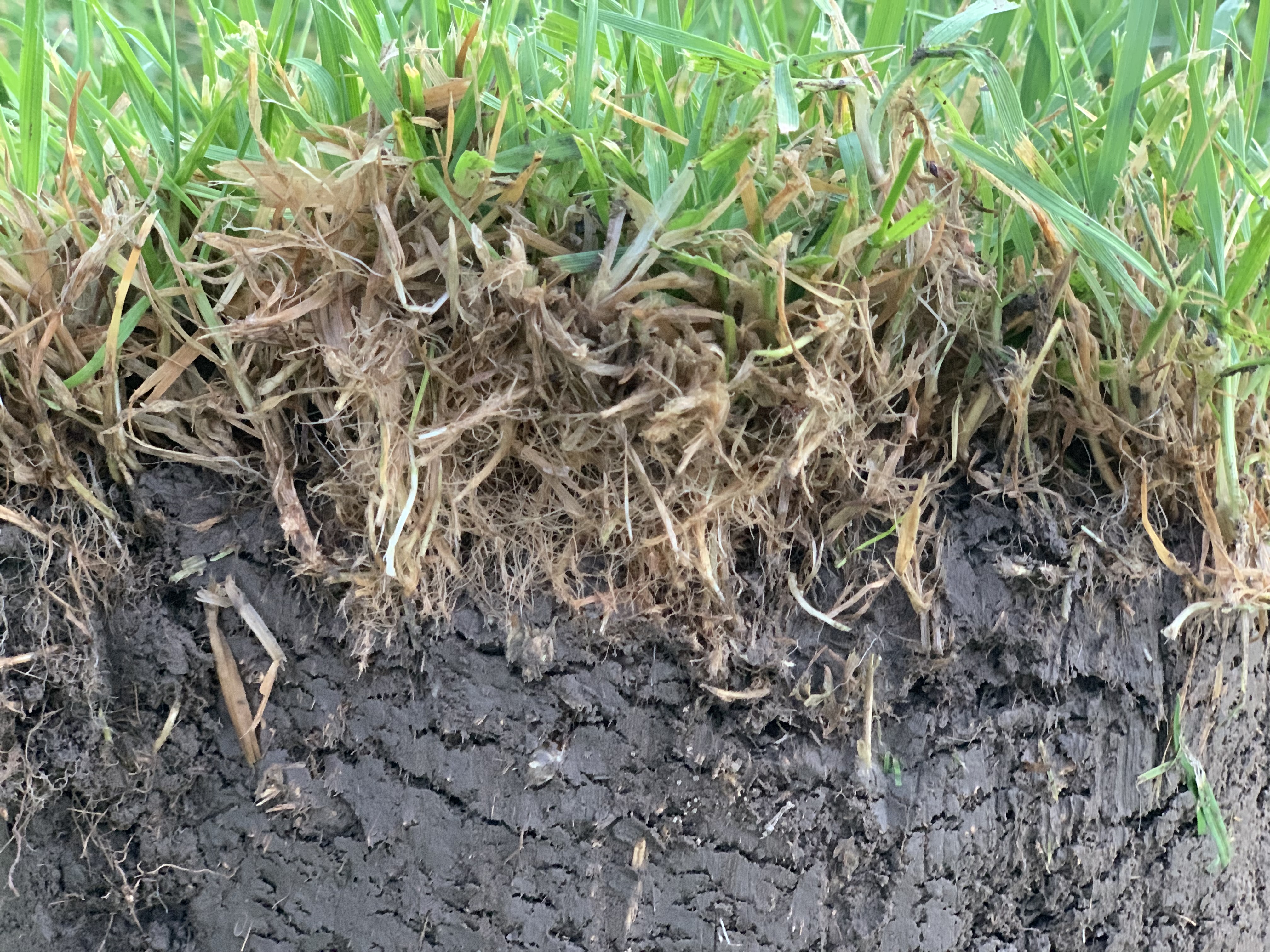
At this initial stage, you might notice a slightly denser, spongier feel when walking on the lawn. Visually, it can appear as a light brown or tan layer just above the soil surface, nestled between the upright green shoots. This layer is composed of dead grass blades, stems, and roots that haven’t fully decomposed. It’s a testament to a healthy root system and active grass growth. If you were to gently part the green blades, you would see this subtle layer of intertwined organic material. It’s not yet a solid mass, but rather a loose collection of decomposing plant parts. The color is typically a light brown to golden hue, reflecting the early stages of decomposition.
A Soft, Spongy Cushion
The texture at this stage is a key indicator. Instead of feeling the firm resistance of soil beneath your feet, you’ll notice a distinct sponginess. This is because the undecomposed organic matter acts like a cushion, absorbing some of the impact. This soft, spongy sensation is a healthy sign of good soil biology and active decomposition, indicating that the microorganisms are working diligently. It’s a far cry from the hard, compacted soil that can result from a lack of organic matter.
Moderate Accumulation: The Thatch Mat Emerges
As thatch begins to build up, its presence becomes more obvious. It starts to form a distinct layer that can impact the lawn’s appearance and health.
A Dense, Brown Layer Above the Soil
When thatch reaches a moderate level, it transforms into a more prominent, interwoven mat of organic material. Visually, this layer is distinctly brown and can be quite dense. It sits directly above the soil line, effectively obscuring the soil itself. If you were to peel back a section of turf, you would see this mat of dead and living organic matter, a testament to a vigorous growth cycle that outpaces decomposition. The density means that water and air may struggle to penetrate this layer efficiently.
The Distinctive “Felt-Like” Texture
The texture becomes more pronounced, taking on a felt-like or matted quality. It’s no longer just a loose collection of debris but a consolidated layer. This layer can be easily felt by pressing down on the turf; it offers a distinct springiness that can be a sign of trouble if it becomes too thick. You might even notice that watering the lawn results in water pooling on the surface rather than being absorbed, as the thatch mat impedes infiltration. This felt-like texture is a visual and tactile cue that thatch is becoming a significant factor in your lawn’s ecosystem.
Severe Thatch Buildup: The Unhealthy Signs
Excessive thatch accumulation is detrimental to lawn health and presents with clear visual and textural indicators of distress.
A Thick, Impenetrable Barrier
In severe cases, the thatch layer can become a thick, almost impenetrable barrier. Visually, it can appear as a dark brown to blackish mat that is several inches deep. The green grass blades are often sparse and may struggle to emerge through this dense layer. The overall appearance of the lawn can be dull and unhealthy, lacking the vibrancy of a well-maintained turf. This thick layer acts as a physical obstacle, preventing essential elements like sunlight, water, and air from reaching the soil and the grass roots.
The “Spongy Bog” Sensation and Yellowing Grass
The textural aspect of severe thatch buildup is often described as a “spongy bog.” When you walk on the lawn, your feet can sink noticeably into the thick layer, and the turf may feel waterlogged even when it hasn’t rained recently. This is because the thatch retains excessive moisture, creating an anaerobic environment. Visually, this can lead to a yellowing of the grass blades. The roots are deprived of oxygen and nutrients, and the dense thatch can harbor diseases and pests, further stressing the grass. The yellowing is often an early warning sign that the grass is suffocating beneath the thatch.
The Composition of Lawn Thatch: More Than Just Dead Grass
Understanding what thatch is made of provides insight into why it accumulates and how it impacts your lawn. It’s not simply a collection of dead leaves; it’s a complex organic mixture.
Undecayed Plant Material
The core of thatch is composed of the undecomposed or partially decomposed organic matter from the grass itself.
Stems, Stolons, and Rhizomes
Specifically, thatch consists of the lower parts of grass blades, stems, and the underground growth structures known as stolons (above-ground runners) and rhizomes (underground stems). These are the tougher, more fibrous parts of the grass plant that decompose more slowly than leaf blades. In healthy lawns with vigorous growth, there’s a continuous shedding of these materials. The rate at which these components break down is crucial to thatch management.
Roots and Crown Tissues
In addition to above-ground parts, thatch also includes the fibrous root system and the crown tissues of the grass. The crown is the vital area at the base of the plant where new shoots and roots emerge. When these parts die and don’t decompose quickly enough, they contribute significantly to the thatch layer, adding density and complexity.
The Role of Microorganisms in Decomposition
The decomposition of thatch is primarily driven by beneficial microorganisms present in the soil. Their activity is paramount to keeping thatch in check.
Bacteria and Fungi: Nature’s Recyclers
A healthy soil ecosystem is teeming with bacteria and fungi. These microorganisms are the primary agents responsible for breaking down the tough organic materials in thatch. They consume the dead plant matter, returning nutrients to the soil that can then be used by the living grass. When these populations are thriving, they can effectively decompose thatch as it forms.
Factors Affecting Microbial Activity
However, several factors can hinder the activity of these crucial decomposers. Overly compacted soil, lack of oxygen, excessive moisture (leading to anaerobic conditions), and extreme soil pH can all inhibit microbial populations. Similarly, certain chemical fertilizers or pesticides can inadvertently harm beneficial soil microbes. When microbial activity is suppressed, thatch accumulation accelerates.
Identifying Thatch: Beyond the Visual
While visual cues are important, a hands-on approach is often necessary to accurately assess the depth and density of thatch.
The “Core Sample” Method
A simple yet effective way to inspect your lawn for thatch is by taking a core sample.
Digging a Small Plug
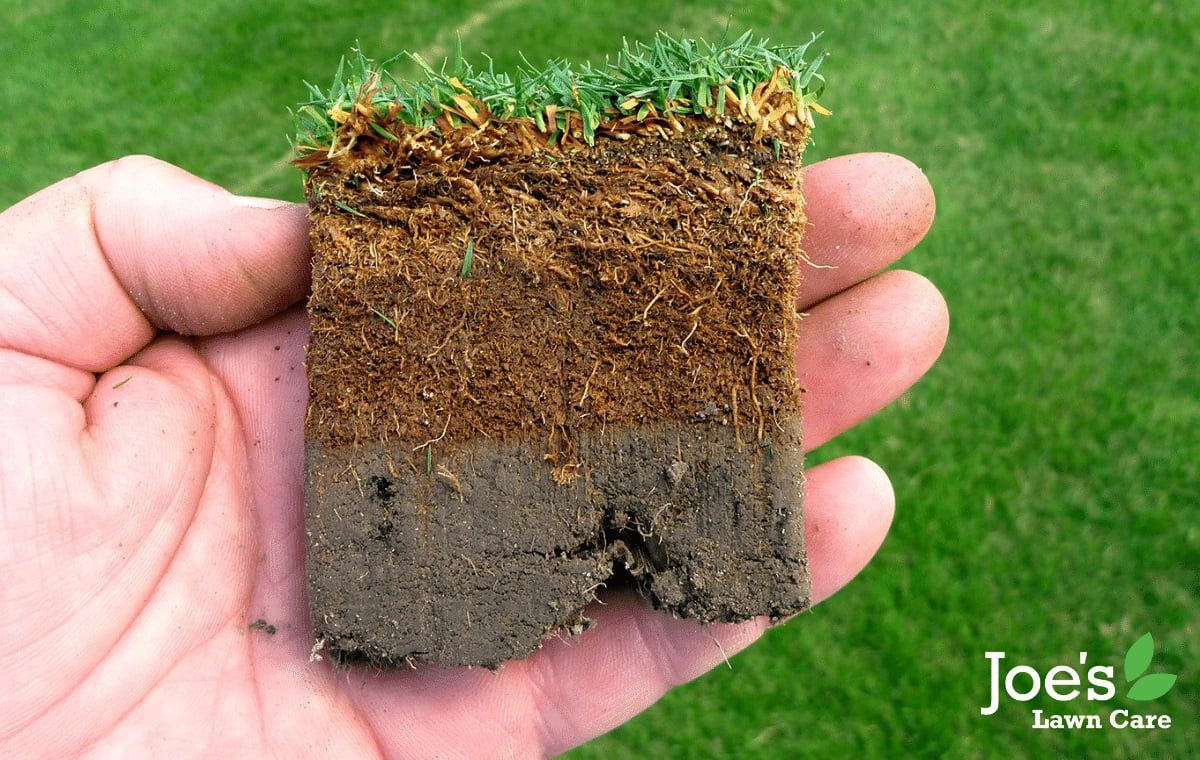
Using a soil probe, a trowel, or a specialized core aerator, dig a small plug of turf about 2-4 inches deep. You can also do this by carefully digging around a small section of turf and lifting it. This method allows you to see the layers of your lawn from the soil surface upwards.
Measuring the Thatch Layer
Once you have your core sample, you can easily measure the thatch layer. It will appear as a distinct, spongy, brown layer situated between the green grass blades and the soil. A thatch layer of ½ inch to ¾ inch is generally considered healthy and beneficial. Anything exceeding 1 inch typically warrants attention and management. This physical inspection provides a concrete measurement, removing any guesswork.
The “Push Test” for Deeper Thatch
A more informal but useful method for checking for deeper thatch is the “push test.”
Kneeling and Pressing Down
Kneel on the lawn and firmly press down on the turf with your hands. If you feel significant sponginess and your hands sink deeply before hitting firm soil, it indicates a substantial thatch buildup. You might even see water or feel dampness that seems out of proportion to recent rainfall.
Observing the Resilience and Springiness
This test highlights the excessive springiness caused by a thick thatch layer. A healthy lawn will have a firm, resilient feel. If the lawn feels excessively springy or almost bouncy, it’s a strong indicator that thatch is interfering with the direct contact between the grass roots and the soil.
The Consequences of Unmanaged Thatch
While a thin layer of thatch is beneficial, excessive accumulation can lead to a cascade of problems that negatively impact your lawn’s health and appearance.
Reduced Water and Nutrient Penetration
One of the most significant impacts of excessive thatch is its interference with the movement of essential resources to the grass roots.
Impaired Soil Hydration
A thick thatch layer acts like a sponge, absorbing and holding water. However, it can become hydrophobic (water-repellent) when extremely dry or saturated. This means that water applied to the surface may run off rather than infiltrate the soil, leading to shallow root systems and drought stress. The grass blades might appear healthy on the surface, but the roots are suffering from lack of moisture.
Nutrient Blockage
Similarly, nutrients applied through fertilizers can also be trapped within the thatch layer, preventing them from reaching the soil where the roots can absorb them. This can lead to nutrient deficiencies in the grass, even if you are fertilizing regularly. The nutrients essentially get “stuck” above the root zone.
Increased Susceptibility to Pests and Diseases
The dense, moist environment created by excessive thatch is an ideal breeding ground for various lawn pests and diseases.
Favorable Habitat for Grubs and Other Pests
Many common lawn pests, such as grubs, chinch bugs, and sod webworms, lay their eggs in the thatch layer. The thick mat provides shelter and protection for these pests, allowing their populations to flourish and damage the grass.
Disease Development and Spread
Fungal diseases, like dollar spot, brown patch, and red thread, thrive in the moist, stagnant conditions that excessive thatch promotes. The dense organic matter can harbor fungal spores, facilitating their spread and making the grass more vulnerable to infection.
Oxygen Deprivation to the Roots
Roots require oxygen to respire and function properly. A thick, waterlogged thatch layer can create anaerobic (oxygen-poor) conditions in the soil.
Suffocating the Root System
When the soil and thatch are deprived of oxygen, the grass roots are effectively suffocated. This impairs their ability to absorb water and nutrients, leading to weakened grass and a decline in overall lawn health. The grass may appear stressed, thin, and more susceptible to wilting.
Weakened Root Systems and Thinning Turf
The cumulative effect of reduced water, nutrient, and oxygen availability leads to a significantly weakened root system.

Reduced Stability and Increased Weed Invasion
With shallow and underdeveloped roots, the grass becomes less stable and more prone to damage from foot traffic or extreme weather. This also creates opportunities for weeds to invade, as they can more easily establish themselves in areas where the grass is struggling. A thin, weak turf is a clear visual indicator of underlying thatch problems.
By understanding what lawn thatch looks like, its composition, and its impact, you are well-equipped to identify and manage it, ensuring a healthier, more resilient, and aesthetically pleasing lawn for years to come.
aViewFromTheCave is a participant in the Amazon Services LLC Associates Program, an affiliate advertising program designed to provide a means for sites to earn advertising fees by advertising and linking to Amazon.com. Amazon, the Amazon logo, AmazonSupply, and the AmazonSupply logo are trademarks of Amazon.com, Inc. or its affiliates. As an Amazon Associate we earn affiliate commissions from qualifying purchases.