
The sacrament of Catholic Reconciliation, also known as Penance or Confession, stands as a pivotal practice within the venerable institution of the Catholic Church. To understand its profound significance and operational framework through a contemporary lens, one can thoughtfully apply principles derived from brand strategy and corporate identity. In this context, the Church, with its two-millennia-old global presence, functions as an enduring “brand,” and its sacraments are its core “service offerings,” designed to fulfill fundamental human spiritual needs and reinforce its unique identity. Reconciliation, in particular, represents a critical element of its brand promise: renewal, healing, and a pathway to restored relationship with its divine founder and community.

The “Brand” Identity of Spiritual Restoration
From a strategic branding perspective, Catholic Reconciliation is not merely a ritual; it is a meticulously defined service that encapsulates a core aspect of the Catholic “brand” identity. It articulates the Church’s unwavering commitment to spiritual renewal and redemption, positioning it as an institution dedicated to guiding individuals through their moral imperfections towards grace.
Core Offering: Forgiveness as a Foundational “Service”
At its heart, Reconciliation offers a unique and profound service: the forgiveness of sins committed after baptism. This is the ultimate “value proposition” of the sacrament, a spiritual clean slate made possible through divine mercy mediated by the Church. Forgiveness, in this sense, is an intangible but deeply impactful “product” that addresses a universal human need for expiation and relief from guilt. The Church “markets” this service as essential for spiritual health, positioning it as a fundamental benefit of belonging to the Catholic community. This core offering distinguishes the Catholic brand, emphasizing its capacity to facilitate a restorative encounter that transcends individual effort, offering peace and inner liberation. Without this offering, the brand’s promise of ongoing spiritual growth and ultimate salvation would lack a critical mechanism for course correction and renewal.
Messaging and Communication: Catechesis as “Marketing”
The effective delivery of any brand message relies on clear, consistent communication. For Catholic Reconciliation, the Church employs a comprehensive “marketing” strategy through catechesis – the systematic instruction in Christian doctrine. Homilies, religious education programs, official encyclicals, and pastoral letters all serve as channels to educate the faithful about the nature, necessity, and benefits of the sacrament. This communication effort aims to cultivate understanding, encourage participation, and dispel misconceptions. It explains the “how-to” (examination of conscience, contrition, confession, absolution, penance) and the “why” (divine mercy, spiritual healing, restoration of grace). This constant reinforcement of the sacrament’s importance, much like a brand reiterating its core values and product benefits, is crucial for maintaining its relevance and encouraging regular “customer engagement.” The language used, often steeped in rich theological tradition, also contributes to the distinctive tone and gravitas of the Catholic brand messaging.
Brand Promise: Peace and Grace
Every strong brand makes a promise to its consumers. The Catholic “brand promise” delivered through Reconciliation is one of profound peace, spiritual healing, and the infusion of sanctifying grace. Participants are assured of divine mercy, the removal of the burden of sin, and the restoration of their relationship with God and the Church community. This is a powerful emotional and spiritual benefit that reinforces the institutional promise of salvation and ongoing spiritual growth. The consistent fulfillment of this promise through the sacrament builds “brand loyalty” and trust, as individuals repeatedly experience the transformative effects. This promise is not just theoretical; it’s a lived experience that strengthens the bond between the individual and the Church, solidifying their identity within the larger Catholic “corporate identity.”
Designing the “Customer Journey” in Reconciliation
The Catholic Church, in its wisdom, has designed the sacrament of Reconciliation with a structured “customer journey” in mind. This journey is intended to be both accessible and deeply transformative, ensuring a consistent and meaningful experience for every participant.
Ritual Design: The Structure of the Experience
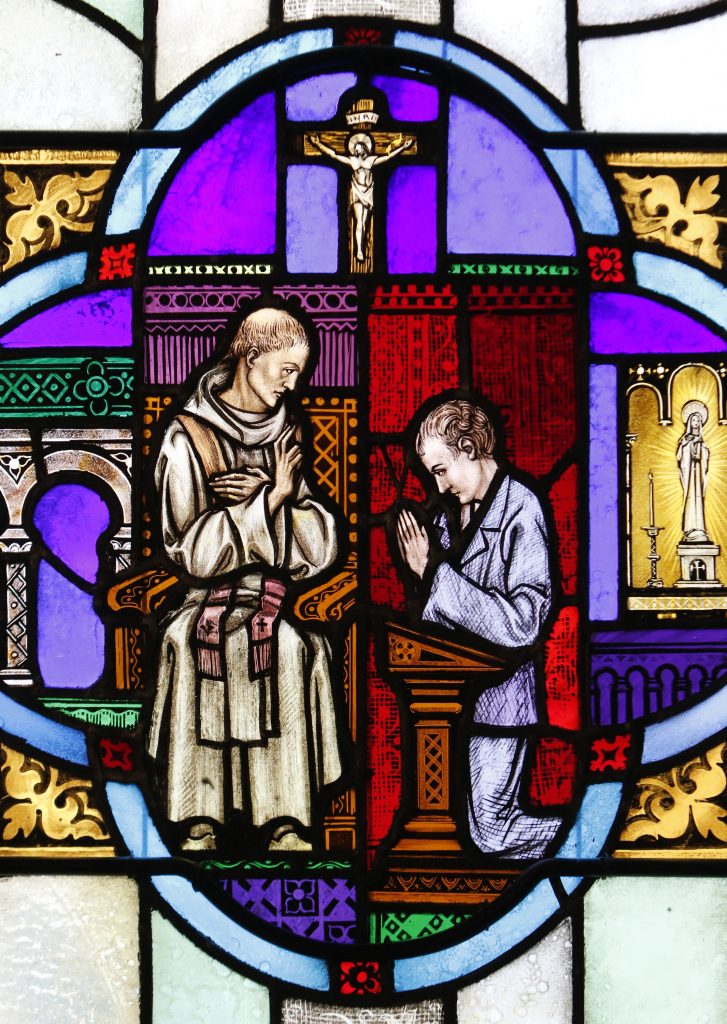
The specific steps involved in Reconciliation – examination of conscience, expression of contrition, confession of sins to a priest, receiving absolution, and performing an assigned penance – constitute a carefully “designed” ritual. This structured approach ensures consistency across all parishes and dioceses globally, much like a franchise ensuring a uniform brand experience. This “ritual design” is not arbitrary; each stage serves a distinct psychological and spiritual purpose, guiding the penitent through a process of self-reflection, accountability, repentance, and ultimately, liberation. The consistent sequence helps to manage expectations, reduces anxiety, and maximizes the spiritual efficacy of the sacrament. The very act of verbal confession, for example, is a tangible “interaction point” that externalizes internal struggles, while absolution provides the definitive “service delivery” of forgiveness.
The “Touchpoints”: From Confessional to Community
Throughout the “customer journey” of Reconciliation, there are various “touchpoints” where the penitent interacts with the Church’s “brand infrastructure.” These include the physical space (the confessional box or reconciliation room, designed to facilitate privacy and solemnity), the interaction with the “service provider” (the priest, who acts in persona Christi), and the broader communal context. The priest’s role is critical; much like a brand ambassador, they embody the Church’s compassionate and authoritative presence. Post-sacrament, the individual’s re-integration into the community through Eucharist and fellowship further reinforces the “brand promise” of belonging and acceptance. Each of these touchpoints is carefully managed to ensure that the overall experience aligns with the Church’s identity as a source of healing and grace, reinforcing the institutional reputation for care and spiritual guidance.
Accessibility and Engagement: Reaching the “Audience”

For any service to be effective, it must be accessible. The Catholic Church continually strives to make Reconciliation available to its “audience.” This includes designating regular confession times, offering communal penitential services (which often include individual confession), and providing resources for examination of conscience. Efforts are also made to accommodate different languages and provide opportunities for confession by appointment, catering to diverse “customer needs” and busy schedules. By removing barriers to participation, the Church enhances engagement with this vital sacrament. Just as a brand seeks to maximize market penetration and user base, the Church aims to ensure that as many of its faithful as possible can access and benefit from this foundational service, thereby strengthening their connection to the overall Catholic brand and its spiritual mission.
Building “Brand Loyalty” Through Consistent Renewal
Brand loyalty is cultivated through consistent positive experiences and a reinforced sense of belonging. Reconciliation plays a crucial role in fostering this loyalty by offering a path for continuous spiritual renewal and strengthening the individual’s identification with the Catholic faith.
Reinforcing Identity: The Sacrament as a Core Value
Regular participation in Reconciliation reinforces an individual’s identity as a Catholic. By engaging with this sacrament, the faithful actively affirm their belief in the Church’s teachings on sin, mercy, and grace. This repeated engagement is akin to a customer repeatedly choosing a particular brand because it consistently delivers on its promises and aligns with their values. For Catholics, Reconciliation is not merely an optional extra but a core practice that underpins their spiritual life, solidifying their commitment to the Church’s “corporate identity” and distinguishing their spiritual path. It fosters a sense of personal integrity and spiritual discipline, deeply embedding the individual within the communal narrative of redemption and ongoing conversion.
Community & Belonging: Collective Brand Reinforcement
While Reconciliation is an intensely personal encounter, its practice also reinforces a sense of community and shared belonging. The recognition of common human frailty and the shared journey towards holiness create a bond among the faithful. Communal penitential services, for instance, foster a collective acknowledgment of sin and a collective seeking of mercy. This shared experience strengthens the “brand community,” reinforcing the idea that individuals are part of a larger body, the Mystical Body of Christ. This collective reinforcement of values and practices contributes to the overall stability and coherence of the Catholic “brand,” demonstrating its ability to unite diverse individuals under a common spiritual purpose and moral framework.
Reputation and Trust: The “Brand Equity” of Forgiveness
Over centuries, the Catholic Church has built immense “brand equity” through its enduring role as a provider of spiritual healing and moral guidance. The sacrament of Reconciliation is a cornerstone of this equity. The consistent availability of forgiveness, irrespective of the gravity of the sin, demonstrates the Church’s fidelity to its foundational mission of mercy. This unwavering commitment builds trust among its adherents and reinforces its global reputation as a spiritual authority and refuge. The perceived efficacy and sanctity of Reconciliation directly contribute to the Church’s “brand image” as an institution that genuinely cares for the spiritual well-being of its members, offering hope and restoration in a world often marked by brokenness.
Measuring “Impact”: Spiritual “ROI” and “Customer” Retention
While the “returns” of Reconciliation are spiritual rather than financial, the principles of measuring impact and encouraging “customer” retention can still be applied to understand its efficacy within the Catholic “brand.”
Intangible Returns: Peace of Conscience and Spiritual Growth
The “return on investment” for the penitent engaging in Reconciliation is primarily intangible: peace of conscience, spiritual liberation, renewed hope, and a strengthened relationship with God. These are profound, personal “dividends” that directly correlate with the “brand promise” of the sacrament. While not quantifiable in monetary terms, these spiritual benefits are highly valued by the faithful and represent the ultimate success metrics for this “service offering.” The experienced tranquility and renewed spiritual vigor encourage repeat engagement, demonstrating the deeply satisfying “user experience” provided by the sacrament and reinforcing its perceived value. This spiritual “ROI” is the primary driver for “customer satisfaction” and continued participation.
“Retention” and Re-engagement: Encouraging Repeat “Business”
The Church actively encourages regular participation in Reconciliation, recognizing its importance for ongoing spiritual growth and “customer retention.” Just as a business seeks to maintain its customer base and encourage repeat purchases, the Church emphasizes the need for periodic confession to maintain spiritual health and sustain one’s relationship with God. This involves regular scheduling of confession times, reminders during homilies, and providing resources for ongoing spiritual discernment. By promoting consistent re-engagement, the Church aims to prevent spiritual drifting and ensure that its members continuously benefit from its core “service offerings,” thereby maintaining their active participation within the Catholic “brand community” and reinforcing their lifelong spiritual journey.
Feedback Loops and Adaptation: Responding to “Market” Needs
While the core tenets of Reconciliation are immutable, the Church, through its pastoral care, implicitly gathers “feedback” from its “flock” to understand their spiritual needs and adapt its approaches. This might involve changing confession schedules, offering different formats for communal reconciliation, or providing more accessible catechetical materials. While doctrine remains constant, the pastoral delivery can evolve to better meet the “market” needs of the faithful, ensuring that the sacrament remains relevant and impactful. This ongoing adaptation, while preserving the sacred nature and core identity of the service, demonstrates the Church’s commitment to effectively serving its members and maintaining the strength and vitality of the Catholic “brand” in a continually evolving world.
aViewFromTheCave is a participant in the Amazon Services LLC Associates Program, an affiliate advertising program designed to provide a means for sites to earn advertising fees by advertising and linking to Amazon.com. Amazon, the Amazon logo, AmazonSupply, and the AmazonSupply logo are trademarks of Amazon.com, Inc. or its affiliates. As an Amazon Associate we earn affiliate commissions from qualifying purchases.