
The dream of globetrotting with your beloved canine companion is often tempered by a stark reality: the financial implications. Taking your dog on a plane isn’t merely about booking an extra ticket; it’s a complex logistical and monetary undertaking that demands meticulous planning and a robust budget. For many pet parents, the convenience and joy of shared travel come with a significant price tag, making a shrewd understanding of these costs paramount. This comprehensive guide will dissect the financial landscape of pet air travel, offering insights into budgeting, cost optimization, and leveraging financial tools to ensure your furry friend’s journey is as seamless for your wallet as it is for their well-being.
Deconstructing the Financial Realities of Canine Air Travel
Embarking on a journey with your dog requires more than just good intentions; it requires a realistic appraisal of the expenses involved. These costs can vary wildly depending on factors like the airline, destination, duration of stay, and the size and breed of your dog. A proactive financial assessment is your first line of defense against unexpected expenditures.
Unveiling Direct Airline Fees
The most obvious financial hurdle comes in the form of airline fees. These are rarely standardized and can differ significantly between carriers and routes.
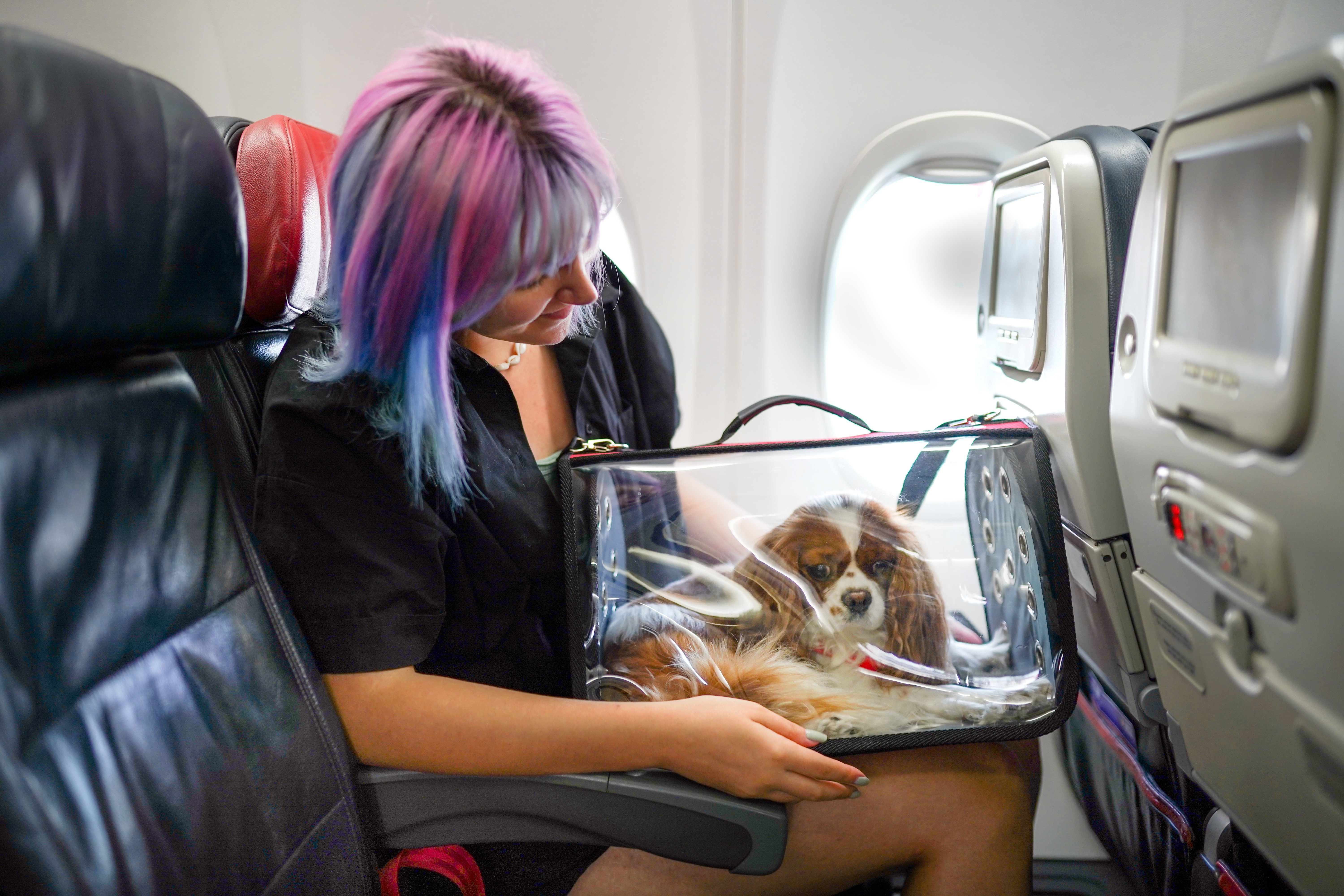
- In-Cabin Pet Fees: For smaller dogs meeting specific size and weight requirements, who can fit comfortably under the seat in an approved carrier, the fees typically range from $100 to $250 per one-way trip within North America, often higher for international flights. These fees are usually non-refundable.
- Cargo Pet Fees: Larger dogs that must travel in the cargo hold face substantially higher fees, which can range from $200 to $1,000 or more per one-way trip, depending on the airline, crate size, and distance. These costs reflect the specialized handling, climate-controlled environments, and dedicated logistics required. It’s crucial to understand that these fees are in addition to your own ticket fare.
- Booking and Reservation Fees: Some airlines might charge a separate reservation fee for pets, particularly if booking through a call center or for specific routes. Always confirm the total cost upfront.
- Peak Season Surcharges: During high-demand travel periods, some airlines may impose additional surcharges for pet transport due to limited space and increased operational costs.
Accounting for Indirect Pre-Flight Expenses
The costs don’t begin and end at the airport gate. A significant portion of your pet travel budget will be consumed by pre-flight preparations, many of which are non-negotiable for safety and compliance.
- Veterinary Visits and Health Certificates: A mandatory health check-up and an international (or sometimes domestic) health certificate issued by a licensed veterinarian are essential. These can cost anywhere from $50 to $300, depending on your vet’s rates and any required vaccinations or treatments (e.g., microchipping, parasite control) that need updating. For international travel, the paperwork is often more extensive, requiring USDA endorsement, which can add another $50-$150 per document.
- Airline-Approved Carrier: Investing in a high-quality, airline-approved pet carrier is crucial. Soft-sided carriers for in-cabin travel typically range from $40 to $150, while IATA-compliant hard-sided crates for cargo can cost $100 to $500, or even more for very large breeds. Skimping here can lead to denied boarding, a costly mistake.
- Identification and Comfort Items: Engraved tags, secure harnesses, calming supplements, portable water bowls, and pee pads are small but cumulative expenses. While individually minor, these essentials can add $50-$100 to your overall budget.
- Travel Insurance (Pet-Specific): While not always mandatory, pet travel insurance can be a financial safeguard against emergencies, such as flight delays, cancellations impacting pet well-being, or unexpected veterinary needs while abroad. Policies vary, but can cost $30-$100+ per trip.
Post-Arrival Financial Considerations
Your financial obligations don’t cease upon landing. Be prepared for potential costs at your destination.
- Customs and Quarantine Fees: International travel often incurs customs fees for importing animals, and some countries mandate quarantine periods, which come with daily boarding fees that can quickly escalate into hundreds or thousands of dollars. Research these thoroughly for your specific destination.
- Local Transportation: Taxis, ride-shares, or public transport that accommodate pets might have additional charges or require specific arrangements. Hiring a pet-friendly shuttle or car service from the airport can be pricier than standard options.
- Accommodation Surcharges: Most pet-friendly hotels or rentals charge pet fees, either per night or per stay, ranging from $25 to $150. Factor these into your lodging budget.
- Emergency Veterinary Care Abroad: Should your pet fall ill or get injured, veterinary care in a foreign country can be expensive, and insurance may not always cover all costs, especially if pre-existing conditions are excluded.
Strategic Budgeting for a Smooth Pet Flight Experience
A detailed budget is your roadmap to financial control when flying with your dog. Without one, you risk overspending, encountering last-minute financial surprises, and potentially jeopardizing your travel plans.
Crafting a Comprehensive Pet Travel Budget
Start with a spreadsheet or a dedicated budgeting app. List every potential expense category, from the initial vet visit to post-arrival pet-sitting.
- Fixed Costs: Airline pet fees, carrier purchase, health certificates, USDA endorsement.
- Variable Costs: Potential additional vet visits, comfort items, calming aids, pet insurance premiums, potential quarantine fees, accommodation pet surcharges.
- Contingency Fund: Always allocate an additional 15-20% of your total estimated budget for unforeseen circumstances. This could cover unexpected flight changes, lost luggage containing pet supplies, or an emergency vet visit.
Leveraging Financial Tools for Expense Tracking
Modern financial tools can significantly simplify the budgeting and tracking process.
- Budgeting Apps: Apps like Mint, YNAB (You Need a Budget), or Personal Capital allow you to categorize expenses, set spending limits, and visualize your cash flow, ensuring you stay on track with your pet travel fund.
- Dedicated Savings Account: Open a separate, interest-bearing savings account specifically for your pet travel fund. Automate small transfers from your checking account regularly to build up your savings without conscious effort.
- Credit Card Rewards Trackers: If using a travel rewards credit card (discussed below), monitor your points balance and eligible spending to maximize benefits that can offset travel costs.
Contingency Planning for Unexpected Costs
Even the best-laid plans can go awry. Financial preparedness for unexpected events is critical to avoid financial distress and ensure your pet’s welfare.
- Emergency Fund: Beyond the travel-specific contingency, maintain a general emergency fund that could cover substantial unexpected costs, such as a major veterinary emergency or last-minute flight rebooking.
- Flexible Payment Options: Keep a credit card with sufficient available credit for emergencies, but only use it if absolutely necessary and plan to pay it off promptly to avoid interest accumulation.
- Research Emergency Services: Before traveling, identify emergency veterinary clinics and pet-friendly emergency accommodations at your destination, understanding their potential costs and payment policies.
Navigating Airline Policies and Maximizing Value
Airline policies are complex and constantly evolving. Diligence in researching these policies can save you money and headaches, while strategic choices can optimize your travel budget.
Comparing Airline Pet Fees and Services

Not all airlines are created equal when it comes to pet travel. Invest time in comparing their offerings.
- Airline Websites: Directly consult the “pets in cabin” and “pets in cargo” sections of various airline websites. Pay close attention to size/weight restrictions, breed restrictions (especially for brachycephalic breeds in cargo), and health certificate requirements.
- Route-Specific Differences: Some airlines might offer different pet policies or fees for domestic versus international flights, or even for specific destinations.
- Inclusive Services: While rare, some premium airlines might offer slightly more inclusive pet travel services, which, despite a higher upfront cost, could save you money on add-ons or reduce stress.
- Cancellation/Change Policies: Understand the financial implications if you need to change or cancel your flight, particularly regarding pet fees, which are often non-refundable or subject to high change fees.
Understanding Service Animal vs. Pet Designations (Financial Impact)
The distinction between a service animal and a pet carries significant financial implications, particularly for flights to and within the United States, and increasingly globally.
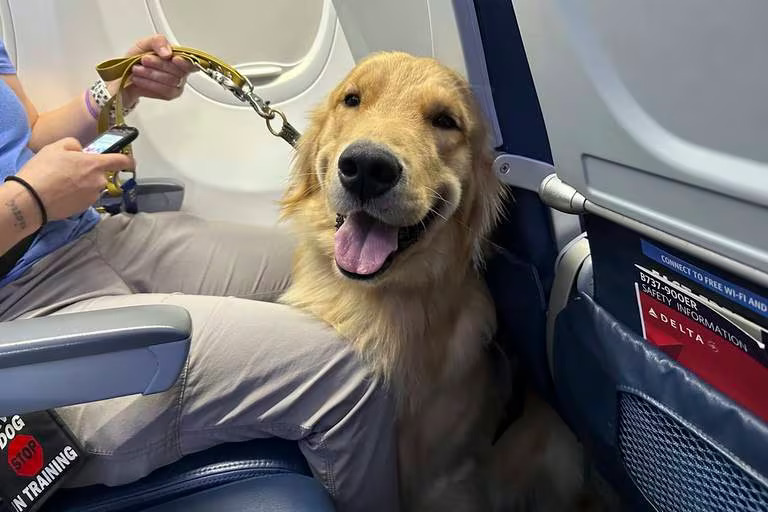
- Service Animals: Legally recognized service animals are generally permitted to fly in the cabin free of charge and are not subject to pet fees or carrier requirements. However, proving a legitimate service animal status requires specific documentation (e.g., DOT form for flights to/from/within the U.S.). Misrepresenting a pet as a service animal can result in severe fines and travel bans.
- Emotional Support Animals (ESAs): Post-2020, most airlines no longer recognize ESAs as service animals for free travel, effectively reclassifying them as pets subject to standard pet fees and restrictions. This change means pet parents who previously traveled with ESAs for free must now budget for all standard pet travel costs. Understand the current regulations before you fly.
The Cost-Benefit of Cargo vs. Cabin Travel
The choice between in-cabin and cargo travel for your dog is often dictated by their size and breed, but it also has substantial financial ramifications.
- Cabin Travel (Smaller Dogs): While still incurring a fee, in-cabin travel is generally less expensive than cargo. It also reduces the need for extensive pre-travel vet visits specific to cargo travel (like extreme temperature acclimatization letters) and eliminates the purchase of large, expensive cargo crates. The lower stress for both pet and owner can also prevent costly anxiety-related incidents.
- Cargo Travel (Larger Dogs): This is the significantly more expensive option, due to higher fees, larger crate requirements, and the necessity for more extensive veterinary clearances. While it’s the only option for large dogs, it’s crucial to understand the full financial commitment and weigh it against alternatives like pet-sitting or ground transport if the costs become prohibitive. Research breed-specific restrictions; some airlines ban certain breeds from cargo altogether due to health risks, which could force you to find alternative (and potentially more expensive) travel methods.
Smart Saving Strategies and Financial Safeguards
Beyond careful budgeting, proactive strategies can help reduce costs and protect your investment in pet travel.
Exploring Pet Travel Insurance Options
Pet travel insurance is a niche but valuable financial product for frequent pet travelers or those undertaking long journeys.
- Coverage Types: Look for policies that cover emergency vet care while traveling, trip interruption/cancellation due to pet illness, or loss/delay of pet luggage (carrier, food, medication).
- Cost vs. Risk: Evaluate the premium against the potential financial risk of an emergency abroad. For an older pet or one with existing health conditions, it might be a worthwhile investment.
- Read the Fine Print: Understand deductibles, exclusions (e.g., pre-existing conditions, specific breeds), and claim procedures before purchasing. Compare multiple providers for the best coverage and price.
Utilizing Credit Card Rewards for Travel Savings
Strategic use of travel rewards credit cards can significantly offset pet travel expenses.
- Airline-Specific Cards: If you consistently fly with one airline, their co-branded credit card might offer perks like discounted pet fees, priority pet booking, or bonus points on pet-related spending.
- General Travel Cards: Cards that offer flexible points redeemable for any travel expense (including pet fees, hotels, or rental cars) can be highly beneficial. Look for sign-up bonuses and categories that reward spending on travel or general purchases.
- Statement Credits: Some premium travel cards offer annual travel credits that can be used for airline incidental fees, which might sometimes include pet travel fees (though this varies by card and airline, so always confirm).
- Responsible Use: Only use credit cards if you can pay the balance in full each month to avoid interest charges, which would negate any rewards benefits.
Bulk Buying and DIY Solutions for Carrier & Accessories
Smart purchasing can save a considerable amount on pet supplies.
- Carrier Investment: While expensive, view an airline-approved carrier as a long-term investment. Buy a high-quality one that meets IATA standards if cargo travel is a possibility, as it can be reused for years. Look for sales or second-hand options in good condition.
- Bulk Food & Supplies: Purchase your pet’s usual food and any regular medications in bulk before your trip, especially if traveling internationally where specific brands or formulations might be unavailable or more expensive.
- DIY Comforts: Instead of buying expensive travel-specific bowls or bedding, repurpose items you already own (e.g., an old blanket for bedding, a collapsible silicone bowl you already have).
- Pet Sitter/Boarding Alternatives: For shorter trips where flying your dog might be overly complicated or expensive, consider the financial comparison of a reputable pet sitter or boarding facility against the full cost of pet air travel. Sometimes, leaving your pet in trusted care at home can be the more economical choice.
Investing in Your Pet’s Travel Future: A Long-Term Perspective
For those who envision frequent travel with their dog, a long-term financial strategy is crucial. This goes beyond a single trip budget and considers how to sustainably integrate pet travel into your financial planning.
Frequent Flyer Programs and Pet Travel Benefits
While most frequent flyer programs focus on human travelers, some may offer tangential benefits or niche advantages.
- Status Benefits: Elite status with an airline might offer better customer service, which can be invaluable when dealing with complex pet travel logistics. Some airlines prioritize elite members for pet bookings if space is limited.
- Redemption Opportunities: Accumulate points that can cover human airfare, freeing up cash for pet fees. While direct redemption for pet fees is rare, using points for your own ticket indirectly reduces the overall cash outlay for the trip.
- Airline-Specific Pet Programs: A few airlines are beginning to experiment with loyalty programs or exclusive services for pet owners, though these are still uncommon. Stay informed about such developments that could offer future savings.
Financial Implications of International Pet Travel
International travel with a dog presents a significantly higher financial barrier due to increased complexities.
- Higher Vet Costs: More extensive health checks, vaccinations, blood tests (e.g., rabies titer), and government endorsements are typically required, leading to higher veterinary bills.
- Quarantine Fees: Certain countries (e.g., Australia, New Zealand) have strict quarantine rules with substantial daily fees for the duration, potentially running into thousands of dollars. These must be budgeted for explicitly.
- Import Permits and Customs Brokers: Many countries require import permits, and for complex international moves, engaging a pet relocation service or customs broker might be necessary, adding hundreds to thousands of dollars in professional fees.
- Currency Exchange Rates: Factor in currency exchange rates when calculating costs in a foreign country, as unfavorable rates can inflate your budget.
The ROI of Professional Pet Travel Services
For highly complex international trips or for individuals with limited time, hiring a professional pet travel service can be a significant investment with a worthwhile return.
- Cost vs. Convenience: These services handle all documentation, veterinary appointments, airline bookings, customs clearance, and sometimes even ground transport. While expensive (potentially $1,000 to $5,000+ depending on the complexity), they offer peace of mind and minimize the risk of costly errors or delays.
- Avoiding Costly Mistakes: A single error in documentation or missed deadline can lead to denied boarding, rebooking fees, extended kennel stays, or even rejection at the destination, all of which are financially draining. A professional service helps mitigate these risks.
- Access to Expertise: They have up-to-date knowledge of ever-changing international regulations, often saving you research time and preventing costly fines or delays due to non-compliance.
Taking your dog on a plane is undoubtedly a rewarding experience, but it’s one that necessitates a robust financial strategy. By meticulously budgeting, understanding airline policies, leveraging smart saving techniques, and planning for the long term, you can transform the daunting prospect of pet air travel into an affordable and enjoyable adventure for both you and your cherished canine companion. Financial preparedness is not just about counting dollars; it’s about ensuring a safe, stress-free, and memorable journey for everyone involved.
aViewFromTheCave is a participant in the Amazon Services LLC Associates Program, an affiliate advertising program designed to provide a means for sites to earn advertising fees by advertising and linking to Amazon.com. Amazon, the Amazon logo, AmazonSupply, and the AmazonSupply logo are trademarks of Amazon.com, Inc. or its affiliates. As an Amazon Associate we earn affiliate commissions from qualifying purchases.