
Seeing an unfamiliar acronym on your pay stub can be a jarring experience. For many employees working in California, “CASDI” is one of those mysterious deductions that appears alongside more recognizable terms like Federal Income Tax, Social Security, and Medicare. Understanding what this deduction represents is not just a matter of curiosity; it is a fundamental aspect of financial literacy and managing your take-home pay.
CASDI stands for the California State Disability Insurance. It is a mandatory payroll tax that provides short-term wage replacement benefits to eligible California workers who are unable to work due to a non-work-related illness, injury, or pregnancy. Unlike private insurance policies that you might choose to purchase, CASDI is a state-mandated social insurance program managed by the Employment Development Department (EDD).
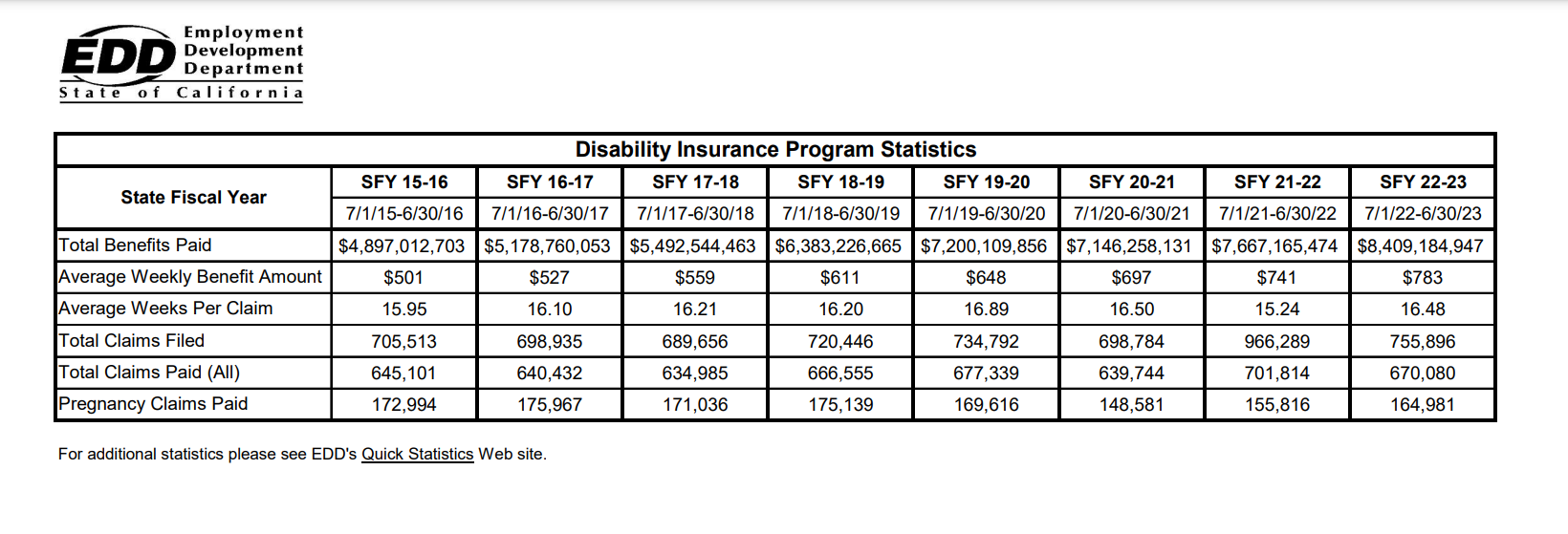
The Fundamentals of California State Disability Insurance
At its core, CASDI serves as a safety net. In a state as economically diverse as California, the cost of living is high, and a sudden loss of income due to medical issues can be financially devastating for a household. CASDI functions as a form of “wage insurance” designed to bridge the gap during periods of temporary incapacity.
Who Contributes to CASDI?
Almost all employees who work in California are subject to this deduction. Because it is a state-mandated program, your employer is legally obligated to withhold this tax from your paycheck. The contribution is calculated as a percentage of your gross earnings. The specific rate is adjusted annually by the EDD based on the financial health of the Disability Insurance Fund.
It is important to note that this is an employee-funded program. While your employer facilitates the process by withholding the funds and remitting them to the state, the burden of the contribution falls on the worker. This is why you see the deduction itemized clearly on your pay stub, often labeled as “CASDI” or sometimes “CA SDI.”
The Purpose of the Program
The primary goal of CASDI is to provide partial wage replacement to workers who have lost wages because they are unable to perform their regular or customary work. It is crucial to distinguish this from Workers’ Compensation. Workers’ Compensation covers injuries or illnesses that occur specifically on the job. CASDI, by contrast, covers non-work-related conditions. Whether you are recovering from a surgery, dealing with a serious medical diagnosis, or preparing for childbirth, CASDI is the mechanism designed to provide financial relief when you are medically certified to be away from the workplace.
How the Deduction is Calculated and Managed
Financial transparency is key to personal budgeting. When you look at your paycheck, the amount deducted for CASDI may fluctuate slightly from year to year. Understanding the mechanics of these deductions helps you predict your net income and understand your contributions toward the state’s social safety net.
Understanding Tax Rates and Wage Caps
The EDD sets an annual taxable wage limit for the CASDI program. This means that once your annual earnings exceed a certain threshold, your obligation to contribute stops for the remainder of the calendar year. This cap is designed to ensure that the burden of the tax remains proportionate and does not unfairly impact high-income earners while maintaining the solvency of the insurance fund.
Because these rates and caps are subject to legislative change and economic adjustments by the EDD, it is wise to review your pay stubs periodically. If you work multiple jobs, it is possible for your combined income to exceed the annual threshold. In such cases, you may be entitled to a credit on your California state income tax return for overpaid SDI contributions. Keeping careful records of your pay stubs throughout the year is an essential practice for ensuring you are not overpaying.

Employer Responsibility vs. Employee Obligation
While the employee pays the tax, the employer plays a critical role in the administration of the fund. Employers must report wages and submit withheld SDI contributions to the EDD on a regular basis. If you ever find that the amount withheld appears drastically incorrect—for example, if you notice a sudden spike in the deduction that does not correlate with a raise—the first step is to speak with your HR or payroll department. They can clarify if there has been a change in the state-mandated rate or if there was a calculation error in their payroll software.
Navigating the Claims Process and Eligibility
Having money deducted from your paycheck is only half of the story. The true value of CASDI is found in the benefits you can receive when you encounter a qualifying life event. If you find yourself in a position where you cannot work, knowing how to trigger these benefits is essential for financial survival.
What Qualifies as a Disability?
To be eligible for CASDI benefits, you must be unable to perform your regular work for at least eight days. You must also be under the care and treatment of a licensed physician or practitioner. This “medical certification” is the cornerstone of the application process. The definition of disability is broad, encompassing not only physical injuries or surgeries but also mental health conditions and pregnancy-related disabilities.
It is important to note that “disability” under this state program does not mean you must be permanently disabled. The program specifically targets “short-term” recovery. If your condition is expected to keep you out of the workforce for months or even years, you may eventually need to transition to other forms of assistance, such as Social Security Disability Insurance (SSDI), which is a federal program. CASDI is designed as your first line of defense during the initial phase of medical recovery.
The Application Timeline
Time is of the essence when filing a claim. You must file your claim for disability insurance within 49 days of the first day your disability began. Delaying this process can result in a loss of benefits.
The application process is largely digitized through the EDD’s “SDI Online” portal. This system allows you to submit your information, track the status of your claim, and receive communications from the state. You will typically need to provide information regarding your employment history, your last day worked, and your medical provider’s information. Once you submit your portion of the claim, your doctor will need to submit the medical certification to verify your condition and the estimated duration of your recovery.
The Broader Impact on Personal Finance
Viewing CASDI merely as a tax deduction is a missed opportunity. Instead, it is better to view it as a mandatory, low-cost insurance policy that you pay into throughout your career. When you consider the cost of private short-term disability insurance, the state-mandated contribution is often significantly more affordable for the average worker.
Financial Planning with Safety Nets
When budgeting your monthly expenses, treat your CASDI deduction as a non-negotiable expense. Because it is a mandatory tax, you have no control over the deduction amount, but you have full control over how you plan your emergency fund. Having this state insurance in place allows you to potentially keep your personal emergency savings for non-medical disasters, relying on CASDI to cover the specific scenario of medical-related income loss.

A Component of Total Compensation
When you analyze your “total compensation” package, remember that CASDI is a benefit, not just a loss. If you are comparing job offers, it is easy to focus exclusively on the base salary and the 401(k) match. However, the state-mandated disability program provides a baseline level of security that protects your earning potential. If you move from a state that does not have an SDI program to California, you might be surprised by the change in your net pay, but you are also receiving a new tier of protection.
Ultimately, CASDI is an integral part of the California labor landscape. By understanding what it is, how it is calculated, and how to utilize it, you transition from being a passive contributor to an informed participant in your own financial security. Keep your pay stubs organized, monitor your contributions, and stay informed about the EDD guidelines to ensure that you are making the most of the social insurance programs you fund with your hard-earned labor.
aViewFromTheCave is a participant in the Amazon Services LLC Associates Program, an affiliate advertising program designed to provide a means for sites to earn advertising fees by advertising and linking to Amazon.com. Amazon, the Amazon logo, AmazonSupply, and the AmazonSupply logo are trademarks of Amazon.com, Inc. or its affiliates. As an Amazon Associate we earn affiliate commissions from qualifying purchases.