
In the vast lexicon of technology, the term “cartridge” frequently appears, often referring to a self-contained unit designed to be inserted into a larger device. Far from being a singular entity, cartridges represent a diverse class of components, each engineered for a specific function, from facilitating high-fidelity printing to storing vast quantities of digital data. Their common thread lies in their modularity: they are typically replaceable, often consumable, and serve as an integral part of a technological ecosystem, enabling the core functionality of a wide array of devices. Understanding what cartridges are involves dissecting their varied applications, their underlying engineering, and their significant impact across different tech sectors.

The Ubiquitous Component: Defining a Cartridge in Technology
At its most fundamental, a cartridge in a technological context is a pre-packaged, often disposable or refillable, unit containing essential materials or mechanisms required for a device to operate. These units are designed for ease of installation and replacement, making maintenance and material replenishment straightforward for end-users. The concept of a cartridge is predicated on modularity, allowing the main device to be a permanent fixture while its operational components can be swapped out as needed.
Core Definition and Function
A cartridge typically serves one of two primary functions: it either contains a consumable material vital for the device’s operation (like ink, toner, or e-liquid) or it houses a specific data storage or processing module that interfaces with the main device (like game cartridges or tape backup cartridges). Regardless of its specific content, a cartridge is designed to be a self-contained system that minimizes spillage, contamination, or complexity during handling. Its external shell protects internal components and ensures a precise fit and reliable connection with the host device.
Versatility Across Tech Domains
The prevalence of cartridges underscores their utility. From the humble home printer to sophisticated enterprise backup systems and advanced medical diagnostic equipment, cartridges offer a practical solution for delivering specific functions or materials efficiently. This versatility stems from the core design principle: encapsulate a function or material, make it easily installable, and ensure it integrates seamlessly with a larger, more complex system. This approach simplifies user interaction, streamlines manufacturing, and enables a clear pathway for consumables or functional upgrades without requiring replacement of the entire device.
Diverse Applications of Cartridges in Modern Tech
The scope of cartridge applications is remarkably broad, each tailored to specific technological needs and user experiences. Exploring these different types reveals the ingenuity behind their design and their critical role in various industries.
Printing Technology: Ink and Toner Cartridges
Perhaps the most common association with the term “cartridge” comes from the world of printing. Both inkjet and laser printers rely on cartridges to deliver the medium that forms images and text on paper.
Inkjet Cartridges: Precision and Color
Inkjet cartridges contain liquid ink, typically in separate compartments for black and various colors (cyan, magenta, yellow). These cartridges often incorporate tiny print heads with microscopic nozzles that spray precise droplets of ink onto the page. The technology within an inkjet cartridge allows for detailed color reproduction and photo-quality prints, making them ideal for home users and creative professionals. The ink itself is a complex chemical formulation designed for rapid drying, fade resistance, and vibrant pigmentation.
Toner Cartridges: Speed and Volume
Toner cartridges, used in laser printers, contain a fine powder made of plastic particles, carbon, and coloring agents. Unlike liquid ink, toner is fused onto the paper using heat and pressure from the printer’s fuser unit. This method allows for much faster print speeds and higher page yields, making toner cartridges the preferred choice for office environments and high-volume printing. The precision engineering of a toner cartridge ensures an even distribution of powder and a clean, sharp print outcome.
Environmental and Economic Considerations
The lifecycle of printing cartridges is a significant concern. Manufacturers have developed recycling programs, and the market for remanufactured or compatible cartridges offers more economical and environmentally friendly alternatives. Innovations continue to focus on increasing page yield, improving ink/toner formulations, and designing more sustainable cartridge materials.
Vaping and E-Cigarettes: E-Liquid Cartridges
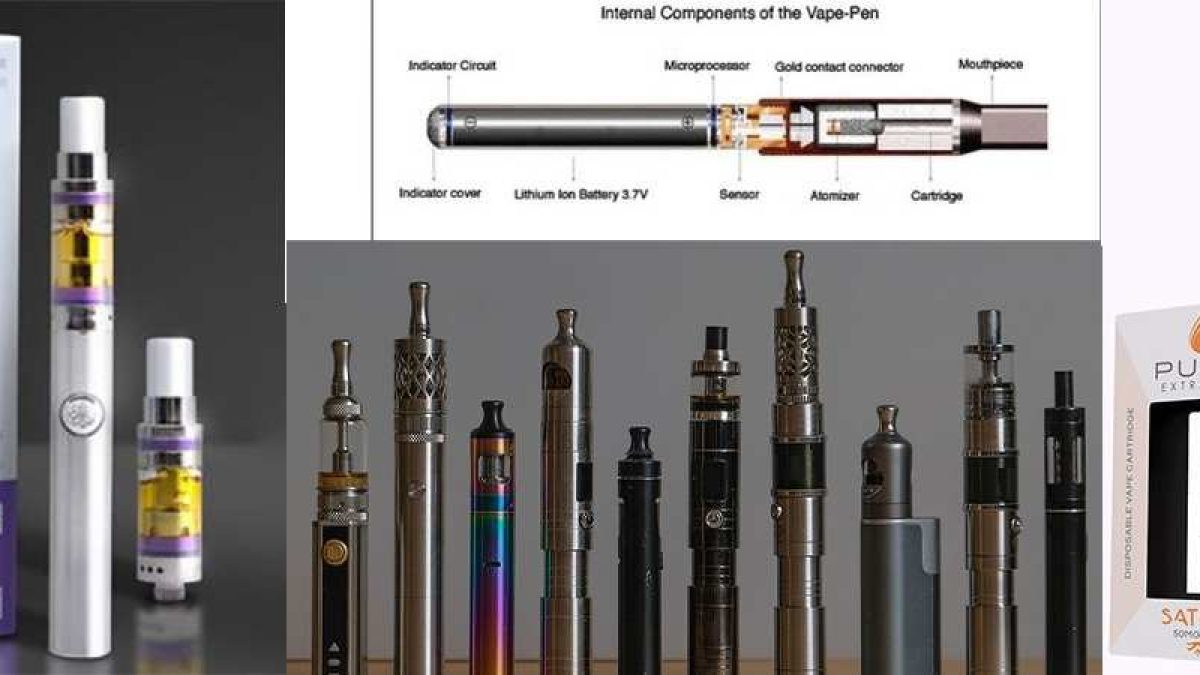
The burgeoning market of vaping devices heavily relies on cartridges, often referred to as “pods” or “e-liquid cartridges.” These contain nicotine-infused e-liquid, flavorings, and other ingredients, along with a heating coil and wick.
Mechanism and User Experience
When inserted into a vaping device, the cartridge’s coil heats the e-liquid, vaporizing it for inhalation. This modular design simplifies the user experience, allowing for easy flavor changes and consistent delivery of vapor. The cartridge acts as both a reservoir for the liquid and the primary component responsible for vapor production.
Pre-filled vs. Refillable Systems
Vaping cartridges come in two main forms: pre-filled and refillable. Pre-filled cartridges offer convenience, as they are ready to use out of the box and are discarded once empty. Refillable cartridges, on the other hand, allow users to replenish their e-liquid, offering greater customization and often a lower long-term cost, though requiring more user interaction.
Gaming Consoles: Physical Media Cartridges
While digital distribution dominates the modern gaming landscape, physical game cartridges have a rich history and continue to exist in certain niches.
Historical Significance and Durability
Early video game consoles, such as the Atari 2600, Nintendo Entertainment System (NES), and Super Nintendo (SNES), relied exclusively on ROM (Read-Only Memory) cartridges. These cartridges housed the game’s code, offering instant loading times and remarkable durability compared to disc-based media. Their robust design made them resistant to scratches and damage, a significant advantage in the early days of home gaming.
Modern Niche Applications (e.g., Nintendo Switch)
Today, the Nintendo Switch is a prominent example of a modern console that utilizes game cartridges (often called “Game Cards”). These compact, proprietary cartridges are designed for portability, robustness, and quick access to games, aligning perfectly with the Switch’s hybrid handheld/console nature. They house flash memory chips that store the game data, offering a physical alternative to digital downloads.
Data Storage: Tape and Drive Cartridges
In the realm of enterprise data management and long-term archiving, cartridges take on a different form, designed for robust and high-capacity data storage.
Enterprise Backup and Archiving
Magnetic tape cartridges, such as those conforming to the LTO (Linear Tape-Open) standard, are critical components in data centers worldwide. These cartridges house a reel of magnetic tape capable of storing petabytes of data, primarily used for offline backup, disaster recovery, and long-term archival purposes. They offer a cost-effective, energy-efficient, and secure solution for storing vast amounts of information that doesn’t require immediate, constant access.
Robustness and Longevity
The design of tape cartridges emphasizes durability and data integrity over decades, making them invaluable for compliance and historical data retention. Similarly, some external hard drives and SSDs are packaged in removable cartridges for specific ruggedized applications or secure data transport.
Other Specialized Tech Applications
The concept of a cartridge extends to other specialized fields. In audio technology, phono cartridges house the stylus and transducer responsible for converting groove vibrations on vinyl records into electrical signals. In the medical field, diagnostic instruments often use reagent cartridges containing precisely measured chemicals for specific tests. Even some advanced cameras utilize film cartridges or specialized memory card cartridges.
Anatomy and Engineering: What Makes a Cartridge Work?
The seemingly simple shell of a cartridge belies a complex interplay of materials, components, and precision engineering designed to ensure reliable performance and seamless integration with its host device.
Internal Components and Materials
The specific internal components vary greatly depending on the cartridge’s function. Inkjet cartridges contain sponges or pressurized bladders to hold ink, along with sophisticated micro-electromechanical systems (MEMS) for print heads. Toner cartridges house toner powder, often with a developer unit and a waste toner compartment. Game cartridges contain flash memory chips and sometimes additional processing units. All cartridges require durable, lightweight casings, often made from various plastics, engineered for precise dimensions to ensure compatibility. Seals and valves are critical for containing liquids or powders and preventing contamination.
Integration with Host Devices
A crucial aspect of cartridge design is its interface with the host device. This includes physical connectors (for electrical signals or fluid transfer), mechanical locking mechanisms (to secure the cartridge in place), and sometimes optical or magnetic sensors for identification. The design ensures that the cartridge sits securely, preventing leaks or disconnections, and that it makes proper contact with the device’s operational systems.
The Role of Microchips and Smart Technology
Modern cartridges, particularly in printing and vaping, often incorporate integrated microchips. These chips serve multiple purposes: identifying the cartridge to the host device, tracking ink/toner levels, monitoring usage, and sometimes even enforcing regional lockout or preventing the use of unauthorized third-party consumables. This “smart” technology allows for better device management, provides user feedback, and can play a role in brand protection and intellectual property enforcement.
The Evolution and Future of Cartridge Technology
Cartridges have undergone significant evolution, reflecting broader trends in technology, manufacturing, and environmental consciousness. Their future continues to be shaped by innovation, sustainability demands, and the ongoing shift between physical and digital paradigms.
From Simplicity to Sophistication
Early cartridges were relatively simple, often just a container for a medium. Over time, they have become increasingly sophisticated, incorporating microelectronics, complex fluid dynamics, and advanced materials science. This evolution has led to higher performance, greater efficiency, and a more integrated user experience.
Sustainability and Refurbishment Trends
The environmental impact of disposable cartridges is a growing concern. This has driven innovations in refillable systems, the development of more eco-friendly materials, and robust recycling and remanufacturing programs. The focus is shifting towards circular economy principles, where cartridges are designed for longevity, easy recycling, or multiple reuse cycles, reducing waste and conserving resources.
The Digital Shift and Enduring Physical Needs
While digital distribution and cloud computing have reduced the need for some physical cartridges (like software on diskettes or CD-ROMs), the demand for cartridges containing physical consumables (ink, toner, e-liquid, reagents) remains strong. Furthermore, for specific applications requiring offline storage, rugged portability, or enhanced security, physical cartridges for data storage continue to be indispensable.
Innovations in Performance and Efficiency
The future of cartridge technology will likely see continued advancements in material science, leading to even more efficient and sustainable designs. Expect higher yields, faster performance, and smarter integration with IoT (Internet of Things) devices for predictive maintenance and automated ordering. As devices become more specialized and precise, the cartridges that power them will evolve to meet these exacting demands, remaining a crucial, modular component in the ever-advancing world of technology.
aViewFromTheCave is a participant in the Amazon Services LLC Associates Program, an affiliate advertising program designed to provide a means for sites to earn advertising fees by advertising and linking to Amazon.com. Amazon, the Amazon logo, AmazonSupply, and the AmazonSupply logo are trademarks of Amazon.com, Inc. or its affiliates. As an Amazon Associate we earn affiliate commissions from qualifying purchases.