
Capital One is a name synonymous with modern American banking. For many, the brand is instantly recognizable through its ubiquitous “What’s in your wallet?” marketing campaigns. However, beneath the catchy slogans lies one of the most significant financial institutions in the United States. Founded in 1988, Capital One Financial Corporation has evolved from a small credit card division into a diversified bank holding company that ranks among the largest banks in the country by assets.
At its core, Capital One is a financial services powerhouse specializing in credit cards, auto loans, and retail banking. Unlike traditional “brick-and-mortar” giants that rely heavily on centuries of history, Capital One built its empire through a data-driven approach to personal finance. This article explores the various facets of Capital One, detailing its products, its unique approach to banking, and how it serves millions of customers in the pursuit of financial health.
Understanding Capital One’s Core Financial Ecosystem
To understand what Capital One is today, one must look at its origins. The company was a pioneer in the “information-based strategy” (IBS), a model that uses big data to tailor financial products to individual consumers. This data-centric philosophy allowed Capital One to offer credit to segments of the population that traditional banks often overlooked, fundamentally changing the landscape of personal finance.
A Legacy of Innovation in Personal Banking
Capital One was spun off from Signet Financial Corp in the early 1990s. While most banks at the time offered one-size-fits-all credit cards with high interest rates, Capital One’s founders, Richard Fairbank and Nigel Morris, used mathematical models to predict consumer behavior. This allowed them to offer customized interest rates and credit limits. This innovation democratized access to credit and forced the rest of the banking industry to modernize their lending practices.
The Transition from Credit Cards to Full-Service Banking
While it began as a “monoline” credit card company, Capital One strategically expanded into a full-service bank. Through the acquisition of several regional banks—most notably Hibernia National Bank and North Fork Bank—and the online pioneer ING Direct (which became Capital One 360), the company transformed into a retail banking giant. Today, it balances a massive online presence with a physical footprint, providing consumers with a comprehensive suite of financial tools ranging from basic checking accounts to complex commercial lending.
The Suite of Credit Card Solutions
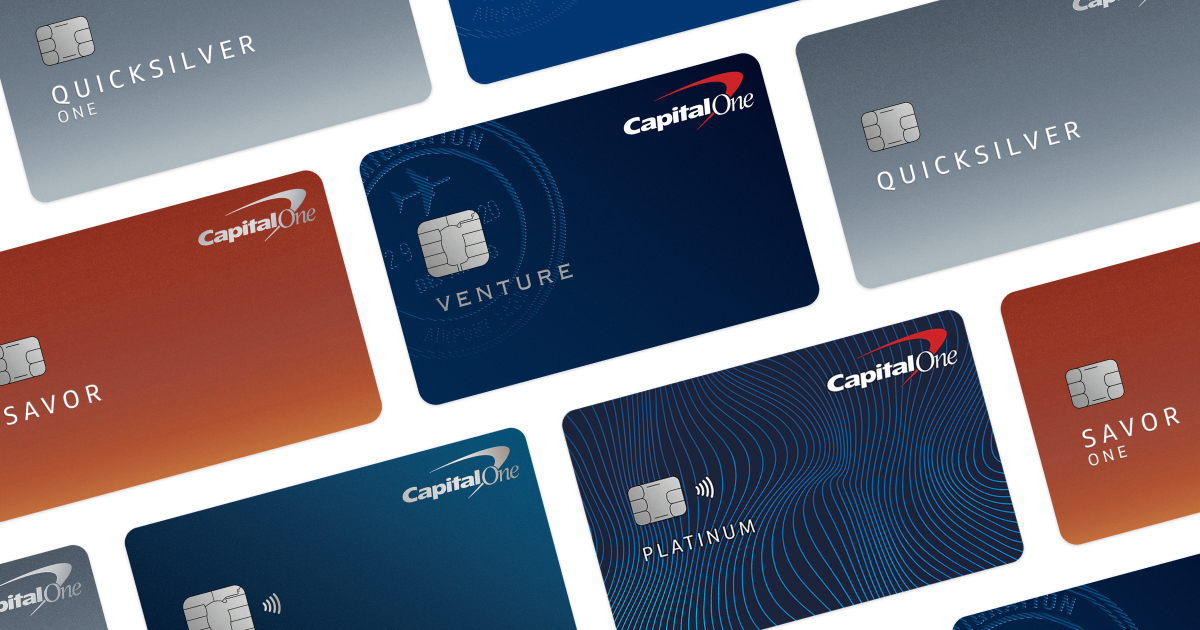
Credit cards remain the flagship product of the Capital One ecosystem. They are widely regarded as some of the most competitive products in the personal finance market, catering to a broad spectrum of users, from those looking to build credit to high-spending world travelers.
Travel Rewards and the Venture Series
For those focused on maximizing the value of their spending through travel, the Capital One Venture series is a cornerstone of the market. The Venture and Venture X cards offer a streamlined approach to earning miles. Unlike some competitors that require complex point-transfer strategies, Capital One allows users to “wipe away” travel purchases from their statements using earned miles or transfer them to a wide array of airline and hotel partners. This flexibility makes it a favorite among both casual travelers and “points and miles” enthusiasts.
Cash Back Options for Everyday Spending
For consumers who prefer the simplicity of cash over travel rewards, the Savor and Quicksilver lines are prominent tools. The Savor series targets the “experience economy,” offering high rewards on dining, entertainment, and grocery stores. Meanwhile, the Quicksilver card offers a flat-rate cash-back percentage on every purchase, providing a straightforward way for users to reduce their net expenses without tracking rotating categories or complicated tiers.
Building Credit: Options for Students and Beginners
Capital One is also well-known for its accessibility. The Platinum and Journey (Student) cards are designed for individuals with limited or fair credit histories. By providing tools like automatic credit line reviews and access to CreditWise (a credit monitoring tool), Capital One helps users practice responsible financial habits. These “starter” cards often serve as the entry point for consumers who eventually graduate to more premium products as their financial profiles improve.
Consumer Banking and High-Yield Savings

In the current economic climate, where interest rates are a critical factor in personal wealth management, Capital One’s banking division has become a major player. Operating largely under the “Capital One 360” brand, these accounts offer a blend of high-tech convenience and competitive yields.
Capital One 360 Performance Savings
One of the most popular products in the “Money” category today is the High-Yield Savings Account (HYSA). The Capital One 360 Performance Savings account consistently offers interest rates that significantly outperform traditional brick-and-mortar banks. Because Capital One maintains a leaner physical infrastructure than older “Big Four” banks, it can pass those savings on to the consumer in the form of higher Annual Percentage Yields (APY). There are typically no monthly maintenance fees or minimum balance requirements, making it an ideal tool for emergency funds and short-term savings goals.
Fee-Free Checking Accounts
Capital One 360 Checking accounts are designed to eliminate the common pain points of traditional banking. They offer fee-free access to over 70,000 ATMs through the Allpoint and MoneyPass networks. Furthermore, Capital One has been a leader in eliminating overdraft fees—a move that has saved consumers millions of dollars and set a new standard for consumer-friendly banking practices.
The Physical Presence: Capital One Cafés
Perhaps the most unique aspect of Capital One’s retail strategy is the Capital One Café. Moving away from the sterile, formal atmosphere of traditional bank branches, these locations function as fully operational Peet’s Coffee shops. They are open to the public, but Capital One cardholders receive discounts on beverages. These spaces provide a relaxed environment where customers can speak with “Ambassadors” about their financial goals, use free Wi-Fi, or attend financial coaching sessions. It is a reimagining of what a physical bank can be in a digital-first world.
Auto Loans and Commercial Finance
Beyond individual consumer products, Capital One is a powerhouse in the lending market, specifically in the automotive and commercial sectors. These segments highlight the company’s commitment to using financial tools to simplify complex transactions.
Capital One Auto Navigator
Buying a car is often cited as one of the most stressful financial experiences for Americans. Capital One’s Auto Navigator tool seeks to mitigate this by allowing consumers to pre-qualify for financing without impacting their credit score. This tool provides transparency, showing users their monthly payments and interest rates on specific vehicles at participating dealerships before they even step onto the lot. By giving the consumer the “money” side of the equation upfront, it shifts the power dynamic back to the buyer.
Corporate and Commercial Banking Solutions
Capital One’s influence extends into the business world through its Commercial Banking arm. It provides middle-market companies with treasury management, capital markets services, and specialized lending in sectors like healthcare, real estate, and energy. This side of the business ensures that Capital One is not just a consumer brand, but a vital part of the broader American economic infrastructure, facilitating the growth of businesses that provide jobs and services nationwide.
Making the Most of the Capital One Ecosystem
Navigating the world of personal finance requires more than just picking a bank; it requires utilizing the right tools to optimize your net worth. Capital One provides several integrated features that help users manage their money more effectively.
Leveraging Digital Tools for Financial Health
The Capital One mobile app is consistently rated as one of the best in the industry. Beyond simple transaction tracking, it integrates Eno—a virtual assistant that monitors for unusual charges, duplicate subscriptions, and potential fraud. Additionally, the CreditWise tool is available to everyone, even those who aren’t Capital One customers. It provides a “simulator” that shows how certain financial decisions (like paying off a debt or opening a new account) will affect one’s credit score, serving as a vital educational resource for long-term financial planning.

Comparing Capital One with Competitors
When deciding where to place your money, it is essential to weigh Capital One against its peers. While it may not offer the massive physical branch network of Chase or Bank of America, it often provides better interest rates and fewer fees. Conversely, while it shares many benefits with online-only banks like Ally or SoFi, Capital One offers the added security and convenience of physical locations (Cafés and branches) for those who occasionally need in-person assistance. For the modern consumer, Capital One represents a “middle ground” that combines the high-yield benefits of a fintech company with the stability and breadth of a traditional national bank.
In conclusion, Capital One is much more than a credit card issuer. It is a diversified financial engine designed for the 21st century. By focusing on data, transparent lending, and consumer-friendly banking, it has positioned itself as a premier destination for anyone looking to manage, grow, and protect their money. Whether you are looking for a first credit card, a high-yield home for your savings, or a streamlined way to finance a vehicle, Capital One offers a suite of tools designed to put the consumer in control of their financial future.
aViewFromTheCave is a participant in the Amazon Services LLC Associates Program, an affiliate advertising program designed to provide a means for sites to earn advertising fees by advertising and linking to Amazon.com. Amazon, the Amazon logo, AmazonSupply, and the AmazonSupply logo are trademarks of Amazon.com, Inc. or its affiliates. As an Amazon Associate we earn affiliate commissions from qualifying purchases.