
Understanding capital gains rates is a cornerstone of effective financial planning and astute investing. For anyone involved in buying and selling assets—whether stocks, real estate, or even a rare collectible—the profit realized from such a sale is generally subject to what is known as a capital gains tax. This tax is levied on the “capital gain,” which is the difference between an asset’s selling price and its original purchase price (or “cost basis”). Far from being a simple, flat tax, capital gains rates are multifaceted, varying significantly based on factors like the type of asset, the holding period, and the taxpayer’s overall income.
Navigating these rates is not merely an exercise in compliance; it’s a strategic imperative that can profoundly impact an investor’s net returns. A lack of understanding can lead to unexpected tax liabilities, while a savvy approach can optimize after-tax profits, enabling further investment and wealth accumulation. This comprehensive guide will demystify capital gains rates, breaking down their components, explaining how they are applied, and offering strategies for managing them effectively within your financial portfolio. We’ll delve into the critical distinction between short-term and long-term gains, explore the varying tax brackets, and consider the nuances that can significantly alter your tax burden, ultimately empowering you to make more informed investment decisions.
Understanding Capital Gains: The Foundation of Investment Taxation
Before diving into the specifics of rates, it’s crucial to grasp the fundamental concepts behind capital gains themselves. This foundational understanding will illuminate why certain assets are treated differently and why the timing of a sale can be as important as the sale price.
What Are Capital Gains?
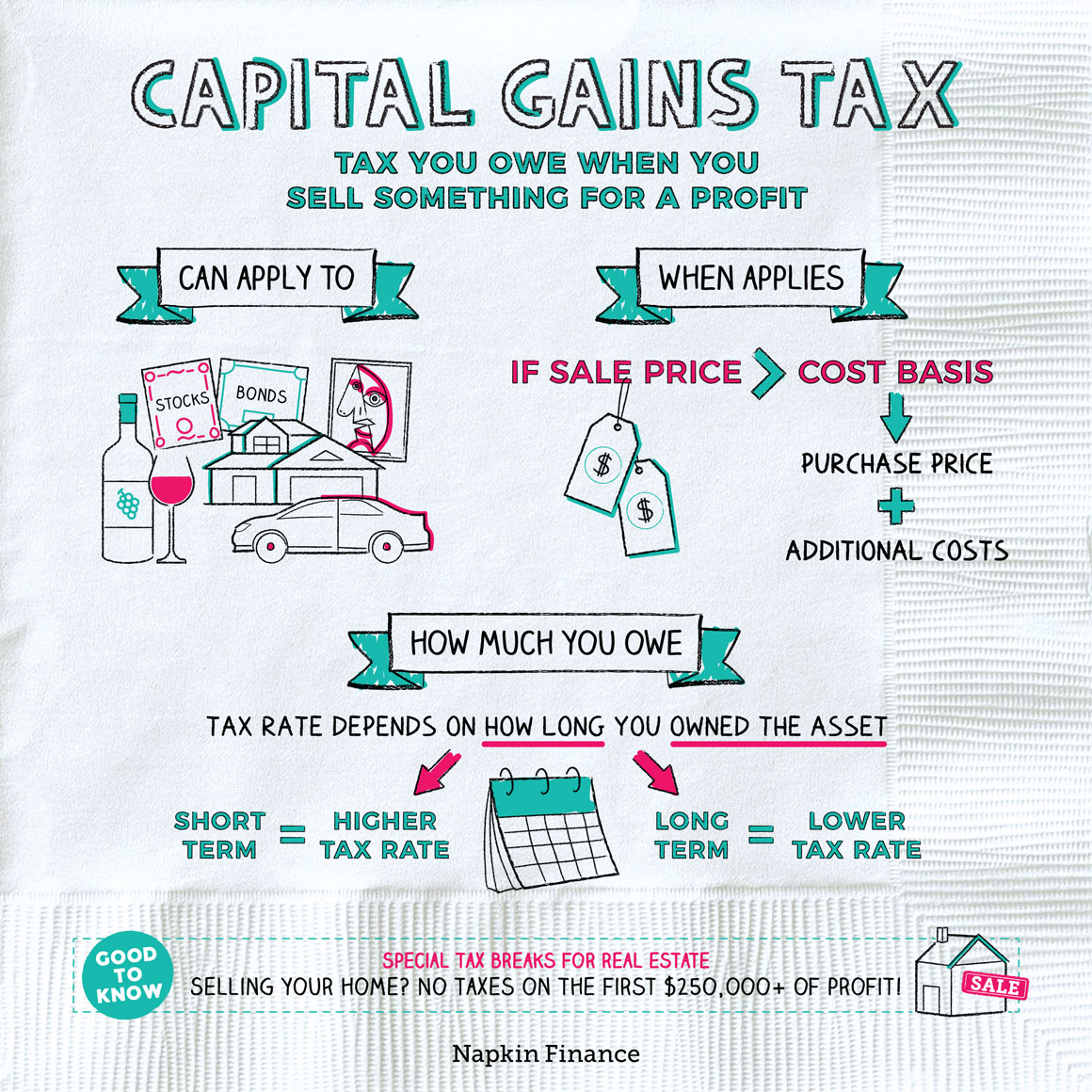
At its simplest, a capital gain is the profit an investor makes when they sell an asset for a price higher than what they paid for it. This profit is then subject to taxation. Conversely, if an asset is sold for less than its purchase price, it results in a “capital loss,” which can often be used to offset capital gains and, to a limited extent, ordinary income.
The range of assets that can generate capital gains is broad. It includes, but is not limited to:
- Stocks and Bonds: The most common examples, where selling shares or fixed-income securities for more than their purchase price results in a gain.
- Real Estate: Selling a home, rental property, or commercial building for a profit. Primary residences often have specific exemptions, which we’ll touch on briefly.
- Mutual Funds and ETFs: When you sell your shares in these funds, or when the funds themselves sell underlying assets at a profit and distribute that gain to shareholders.
- Collectibles: Items like art, antiques, coins, stamps, and precious metals.
- Other Investments: Such as interests in partnerships, certain derivatives, or even cryptocurrency.
It’s important to differentiate between “realized” and “unrealized” gains. An unrealized gain is the profit you’d make if you sold an asset today, but you haven’t actually sold it yet (e.g., your stock portfolio has gone up in value on paper). This gain is not taxable. A realized gain, however, occurs only when you actually sell the asset. It is at this point that the tax obligation is triggered.
Short-Term vs. Long-Term Capital Gains: A Critical Distinction
Perhaps the most significant factor influencing your capital gains tax rate is the length of time you hold an asset before selling it. This distinction divides capital gains into two primary categories:
- Short-Term Capital Gains: These are profits from selling an asset that you have owned for one year or less. For tax purposes, short-term capital gains are treated exactly like your ordinary income. This means they are taxed at your regular income tax bracket rates, which can be considerably higher than long-term rates.
- Long-Term Capital Gains: These are profits from selling an asset that you have owned for more than one year. Long-term capital gains benefit from preferential tax treatment, meaning they are taxed at lower rates than ordinary income. This preferential treatment is a powerful incentive for investors to adopt a long-term investment horizon.
The “one year and a day” rule is paramount here. Missing the long-term threshold by even a day can significantly increase your tax liability on a profitable sale. Understanding and respecting this holding period is fundamental to strategic tax planning for investors.
Navigating Capital Gains Tax Rates: What You Pay
The specific capital gains rate you face depends heavily on your taxable income, marital status, and the duration for which you held the asset. This section breaks down the different rate structures you’ll encounter.
Short-Term Capital Gains Rates
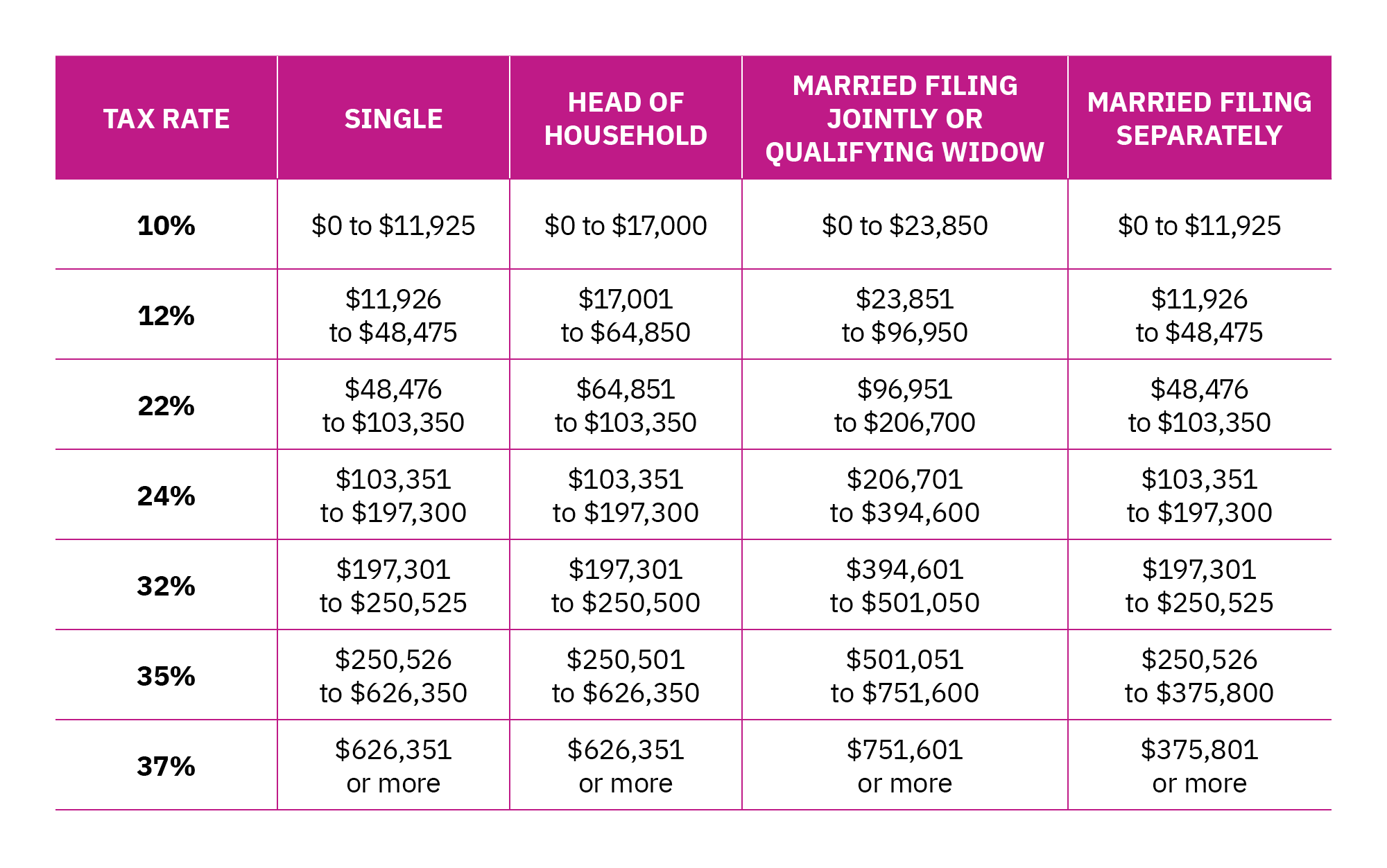
As mentioned, short-term capital gains are taxed as ordinary income. This means they are subject to the same marginal tax rates that apply to your wages, salaries, business income, and other forms of ordinary income. For the 2023 and 2024 tax years, these federal income tax brackets range from 10% to 37%.
For example, if you are a single filer in 2024 with a total taxable income (including short-term gains) of $60,000, your short-term capital gains would be taxed within your applicable marginal brackets. If a portion of that gain pushes you into a 22% or 24% bracket, that’s the rate you’ll pay on that portion of the gain. This is why quick profits from active trading can be heavily eroded by taxes, making them less appealing than they might first appear, especially for high-income earners.
Long-Term Capital Gains Rates
This is where the tax benefits for patient investors truly shine. Long-term capital gains are subject to significantly lower tax rates than ordinary income, with three main federal tax brackets: 0%, 15%, and 20%. The specific rate applied depends on your overall taxable income (including your long-term capital gains) and your filing status.
For the 2023 and 2024 tax years, the thresholds generally look something like this (exact figures vary slightly by year and are adjusted for inflation):
- 0% Rate: Applies to taxpayers whose taxable income falls below a certain threshold (e.g., around $47,000 for single filers or $94,000 for married filing jointly in 2024). This means many low- and moderate-income investors can sell appreciated assets held for over a year entirely tax-free.
- 15% Rate: Applies to the vast majority of middle- and upper-middle-income taxpayers whose taxable income falls above the 0% threshold but below a higher threshold (e.g., up to approximately $583,750 for single filers or $690,000 for married filing jointly in 2024). This is the most common long-term capital gains rate.
- 20% Rate: Applies to high-income taxpayers whose taxable income exceeds the highest threshold (e.g., above $583,750 for single filers or $690,000 for married filing jointly in 2024).
These preferential rates underscore a key principle of tax policy: to encourage long-term investment and capital formation, which is generally seen as beneficial for economic growth.
Special Cases and Exceptions
While the 0/15/20% framework covers most long-term gains, several important exceptions and additional taxes can apply:
- Collectibles: Gains from selling collectibles (art, antiques, coins, stamps, etc.) held for more than a year are generally taxed at a maximum rate of 28%, regardless of your income bracket.
- Qualified Small Business Stock (QSBS): Under certain conditions, profits from the sale of QSBS can be partially or entirely excluded from capital gains tax. This is a complex area with specific requirements regarding the business type, acquisition date, and holding period (generally over five years).
- Depreciation Recapture: If you sell depreciated real estate, any gain attributable to depreciation previously claimed is taxed as ordinary income, up to a maximum rate of 25%. This “recaptured” depreciation is treated differently from the remaining capital gain.
- Net Investment Income Tax (NIIT): High-income earners may also be subject to an additional 3.8% Net Investment Income Tax on certain investment income, including capital gains. This applies to individuals with Modified Adjusted Gross Income (MAGI) above specific thresholds ($200,000 for single filers, $250,000 for married filing jointly). This tax is layered on top of the standard capital gains rates.
- Primary Residence Exclusion: When selling your primary home, you can exclude up to $250,000 (single) or $500,000 (married filing jointly) of capital gain from your income, provided you meet certain ownership and use tests.

These special provisions highlight the complexity of capital gains taxation and the importance of consulting tax professionals for specific situations.
Strategies for Managing Capital Gains Taxes
Understanding the rates is just the first step; strategically managing your investments to minimize your tax burden is where real financial acumen comes into play. Several proven strategies can help you optimize your after-tax returns.
Tax-Loss Harvesting
One of the most effective strategies is tax-loss harvesting. This involves selling investments at a loss to offset capital gains and, to a limited extent, ordinary income. Here’s how it works:
- You realize a capital loss by selling an asset for less than you paid for it.
- This loss can first be used to offset any capital gains you have realized during the year.
- If your capital losses exceed your capital gains, you can use up to $3,000 of the remaining net loss to offset your ordinary income (like your salary).
- Any losses beyond that $3,000 limit can be carried forward indefinitely to offset future capital gains or ordinary income.
It’s crucial to be aware of the “wash-sale rule,” which prevents you from claiming a loss on a security if you buy a “substantially identical” security within 30 days before or after the sale. Tax-loss harvesting requires careful timing and planning but can be a powerful tool for reducing your taxable income.
Holding Period Matters: Patience is a Virtue
Given the significant difference between short-term and long-term capital gains rates, simply exercising patience can be one of the most impactful tax-saving strategies. Before selling an appreciated asset, always check its holding period. If you are just a few weeks or months shy of the one-year mark, it might be financially prudent to wait. The difference between paying 15% (or even 0%) versus your ordinary income tax rate (potentially 24%, 32%, or higher) on a substantial gain can be thousands of dollars. This encourages a long-term investment philosophy, aligning tax efficiency with wealth building.
Utilizing Tax-Advantaged Accounts
Investing within tax-advantaged accounts is another cornerstone of effective tax management. These accounts offer various benefits that can reduce or defer capital gains taxes:
- 401(k)s and Traditional IRAs: Contributions are often tax-deductible, and investments grow tax-deferred. You don’t pay capital gains tax until you withdraw the money in retirement, at which point it’s taxed as ordinary income. This defers the tax burden and allows your investments to compound without annual tax drag.
- Roth IRAs and Roth 401(k)s: Contributions are made with after-tax dollars, but qualified withdrawals in retirement are entirely tax-free. This means all capital gains and income generated within the Roth account are never taxed, offering immense long-term benefits, particularly for younger investors or those who expect to be in a higher tax bracket in retirement.
- 529 Plans: Designed for education savings, these plans allow earnings to grow tax-deferred and be withdrawn tax-free if used for qualified educational expenses.
- Health Savings Accounts (HSAs): Often called “the triple-tax advantage account,” contributions are tax-deductible, investments grow tax-free, and qualified withdrawals for medical expenses are also tax-free. Capital gains within an HSA are never taxed if used for medical purposes.
These accounts provide powerful shelters from capital gains taxes, making them essential components of a well-rounded financial strategy.
Donating Appreciated Assets to Charity
For philanthropically minded investors, donating appreciated assets directly to a qualified charity can be a highly tax-efficient strategy. If you donate appreciated stock or other property that you’ve held for more than one year, you can generally:
- Claim a charitable deduction for the asset’s fair market value (subject to certain limits).
- Avoid paying capital gains tax on the appreciation you would have realized had you sold the asset yourself.
This strategy allows you to support causes you care about while simultaneously reducing your tax burden, effectively getting a double benefit.
Beyond Federal: State Capital Gains Taxes and Future Considerations
While federal capital gains rates are generally the primary concern, it’s vital to remember that the tax landscape extends beyond the IRS. State taxes and the ever-present possibility of policy changes also play a significant role.
State-Level Taxation
Most states also impose their own income taxes, and many of these states treat capital gains (both short-term and long-term) as ordinary income for state tax purposes. This means that in addition to your federal capital gains tax, you could be paying a state income tax rate that can range from a few percentage points to over 10% on your gains, depending on your state of residence.
However, there are exceptions: some states (like Florida, Texas, and Washington) do not have a state income tax, meaning they also don’t tax capital gains. Other states might have specific rules or carve-outs. It’s crucial for investors to understand their specific state’s tax laws to accurately calculate their total tax liability on capital gains. This adds another layer of complexity that requires local knowledge or professional guidance.
Potential Policy Changes
Tax laws are not static; they are subject to change based on political priorities, economic conditions, and shifting fiscal needs. Capital gains rates, in particular, have been a frequent target for reform proposals. Depending on the prevailing political climate, there can be discussions about:
- Increasing capital gains rates, especially for high earners, to align them more closely with ordinary income rates.
- Adjusting the holding period for long-term gains.
- Introducing new surtaxes or modifying existing ones (like the NIIT).
Staying informed about potential legislative changes is crucial for proactive financial planning. What might be a tax-efficient strategy today could change in the future, necessitating adjustments to your investment and selling strategies. Engaging with a financial advisor who stays abreast of tax policy developments is an invaluable asset.
Conclusion
Understanding “what is capital gains rate” is far more than an academic exercise; it’s a fundamental requirement for anyone seeking to build wealth through investments. The distinction between short-term and long-term gains, the varied federal tax brackets, and the numerous special provisions create a complex yet navigable landscape. By grasping these concepts, from the basics of realized gains to the nuances of depreciation recapture and the Net Investment Income Tax, investors can avoid costly surprises and actively seek opportunities for tax optimization.
Implementing strategies like tax-loss harvesting, prioritizing long-term holding periods, and fully leveraging tax-advantaged accounts are not merely suggestions but powerful tools in an investor’s arsenal. Furthermore, acknowledging the role of state-level taxes and staying aware of potential policy changes ensures a holistic and adaptive approach to financial planning. While this guide provides a comprehensive overview, the intricacies of individual financial situations often warrant personalized advice. Consulting with a qualified financial advisor and tax professional can provide tailored insights, helping you to strategically manage your capital gains and maximize your after-tax investment returns, moving you closer to your financial goals.
aViewFromTheCave is a participant in the Amazon Services LLC Associates Program, an affiliate advertising program designed to provide a means for sites to earn advertising fees by advertising and linking to Amazon.com. Amazon, the Amazon logo, AmazonSupply, and the AmazonSupply logo are trademarks of Amazon.com, Inc. or its affiliates. As an Amazon Associate we earn affiliate commissions from qualifying purchases.