
Pain is an inevitable, often unwelcome, part of the human experience. From a throbbing headache after a long day to the dull ache of a chronic condition, pain significantly impacts our quality of life. When it becomes unbearable, many turn to a class of drugs specifically designed to alleviate discomfort: analgesic medications. But what exactly are these medications, how do they work, and how do they fit into our modern, interconnected lives? This exploration delves into the world of analgesics, examining their types, mechanisms, and societal implications through the lenses of technology, brand perception, and financial considerations.

Understanding the Spectrum of Pain Relief
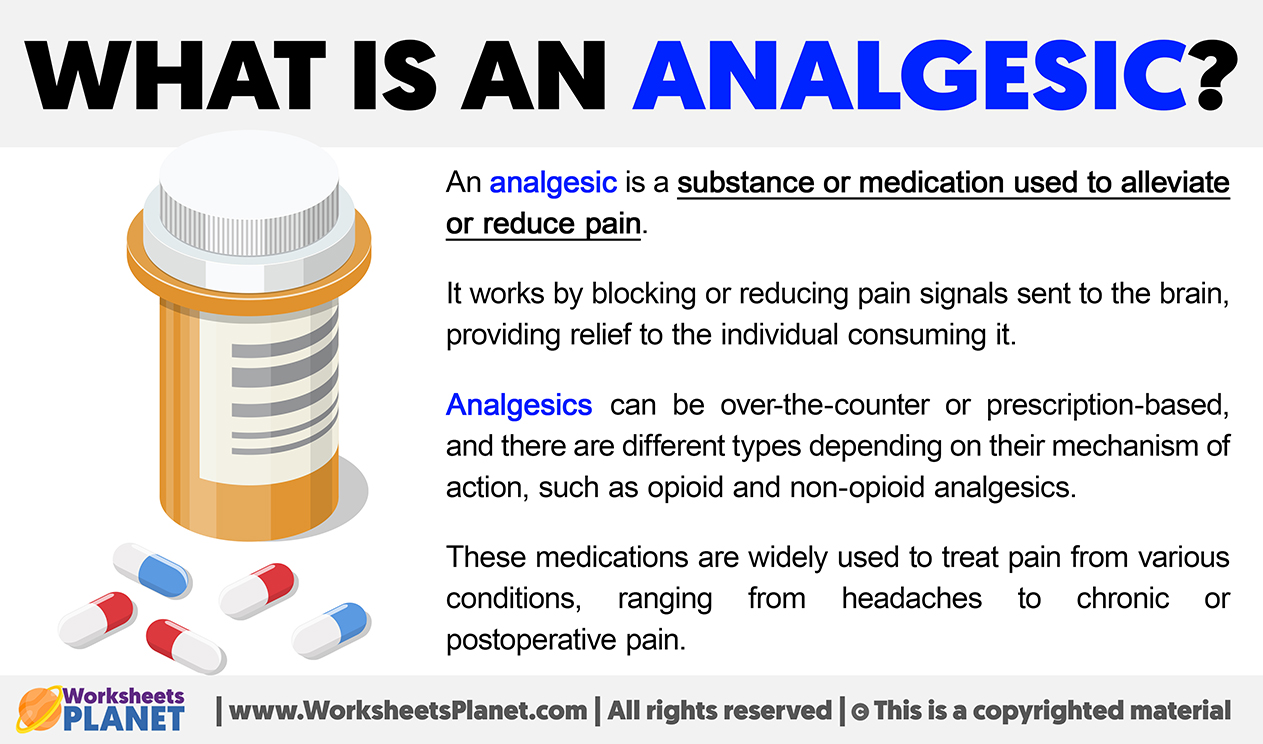
At its core, an analgesic medication is a substance that provides pain relief. The term “analgesic” itself is derived from the Greek words “an-” (without) and “algos” (pain). While the ultimate goal is the same – to reduce or eliminate pain – the methods and targets of analgesic action can vary dramatically. This means that not all pain relievers are created equal, and understanding these differences is crucial for effective and safe pain management.
Over-the-Counter (OTC) Analgesics: Accessible Solutions
The most familiar category of analgesics for most people are those available without a prescription. These Over-the-Counter (OTC) medications are designed for mild to moderate pain and are widely accessible. Their convenience and affordability make them a first line of defense against everyday aches and pains.
Non-Steroidal Anti-Inflammatory Drugs (NSAIDs)
Within the OTC realm, Non-Steroidal Anti-Inflammatory Drugs (NSAIDs) are a prominent group. Common examples include ibuprofen (Advil, Motrin) and naproxen sodium (Aleve). NSAIDs work by inhibiting the production of prostaglandins, which are hormone-like substances in the body that contribute to inflammation, pain, and fever.
- Mechanism of Action: NSAIDs block enzymes called cyclooxygenase (COX) enzymes. COX-1 is involved in protecting the stomach lining and platelet aggregation, while COX-2 is primarily associated with pain and inflammation. Many NSAIDs are non-selective, meaning they block both COX-1 and COX-2, which can lead to gastrointestinal side effects. Newer formulations, or prescription-strength NSAIDs, may be more selective for COX-2.
- Applications: NSAIDs are effective for a wide range of conditions, including headaches, muscle aches, menstrual cramps, arthritis pain, and fever reduction.
- Considerations: While generally safe for short-term use, NSAIDs can cause stomach upset, ulcers, and bleeding, especially with prolonged use or in individuals with pre-existing gastrointestinal issues. They can also interact with other medications and may not be suitable for people with kidney problems or certain cardiovascular conditions.
Acetaminophen (Paracetamol)
Acetaminophen, known as paracetamol in many parts of the world (Tylenol is a common brand name in North America), is another widely used OTC analgesic. Unlike NSAIDs, acetaminophen is not an anti-inflammatory agent. Its exact mechanism of action is not fully understood, but it is believed to work primarily in the central nervous system to reduce pain signals and lower fever.
- Mechanism of Action: While not fully elucidated, acetaminophen is thought to act on specific pain pathways in the brain and spinal cord. It may also influence the body’s natural opioid system.
- Applications: Acetaminophen is effective for mild to moderate pain, including headaches, muscle aches, and fever. It is often recommended for individuals who cannot tolerate NSAIDs due to stomach sensitivities or other contraindications.
- Considerations: The primary concern with acetaminophen is liver toxicity. Exceeding the recommended dosage, or combining it with alcohol, can lead to severe liver damage. It’s crucial to be aware of acetaminophen content in other OTC cold and flu medications to avoid accidental overdose.
Prescription Analgesics: For More Intense Pain
When OTC medications prove insufficient, healthcare professionals may prescribe stronger analgesics. These medications are typically reserved for moderate to severe pain and require careful medical supervision due to their potential for side effects and addiction.
Opioid Analgesics
Opioid analgesics are among the most potent pain relievers available. They work by binding to opioid receptors in the brain, spinal cord, and other parts of the body, altering the perception of pain and producing feelings of euphoria. This class includes both natural opioids derived from opium poppy (like morphine and codeine) and synthetic opioids (like oxycodone and fentanyl).
- Mechanism of Action: Opioids mimic the action of endogenous opioid peptides, which are natural pain-relieving chemicals produced by the body. They effectively “turn down” the pain signals sent to the brain.
- Applications: Opioids are essential for managing severe pain associated with surgery, trauma, cancer, and certain chronic conditions.
- Considerations: The significant risks associated with opioid use include respiratory depression (slowed breathing), constipation, nausea, drowsiness, and, most critically, addiction and dependence. The ongoing opioid crisis highlights the urgent need for responsible prescribing practices, patient education, and the development of effective addiction treatment strategies.
Adjuvant Analgesics
While not primarily classified as analgesics, certain medications can be used to enhance the effectiveness of other pain relievers or to treat specific types of pain. These are known as adjuvant analgesics.
- Examples: This category can include antidepressants (which can help with nerve pain), anticonvulsants (also useful for nerve pain), muscle relaxants, and corticosteroids (for inflammation-related pain).
- Applications: Adjuvant analgesics are particularly valuable in managing chronic pain conditions, neuropathic pain (pain caused by nerve damage), and pain that has not responded well to traditional analgesics.
The Role of Technology in Analgesic Access and Understanding
In our increasingly digital world, technology plays a multifaceted role in how we access, understand, and manage analgesic medications. From online pharmacies to AI-powered diagnostic tools, innovation is reshaping the pain relief landscape.
Digital Health and Information Access
The internet has become an indispensable resource for information about health and medication. Patients can readily access details about analgesic drugs, including their uses, side effects, and interactions. This democratization of information empowers individuals to have more informed conversations with their healthcare providers.
- Online Pharmacies and Telemedicine: The rise of online pharmacies has made it easier to obtain prescription and even some OTC medications, offering convenience and potentially lower costs. Telemedicine platforms allow patients to consult with doctors remotely, enabling them to receive diagnoses and prescriptions for pain relief without needing to visit a clinic in person.
- Health Apps and Wearables: A growing number of health applications and wearable devices are designed to track pain levels, sleep patterns, activity, and other relevant health metrics. This data can provide valuable insights for both patients and healthcare providers, helping to personalize pain management strategies and identify patterns that might influence pain intensity. AI-powered symptom checkers and diagnostic tools are also emerging, offering preliminary assessments and guiding users towards appropriate care.
Advancements in Drug Development and Delivery
Technology is also driving innovation in the development and delivery of analgesic medications.
- Precision Medicine and AI in Drug Discovery: Artificial intelligence and machine learning are revolutionizing drug discovery. These technologies can analyze vast datasets to identify potential drug candidates, predict their efficacy and safety, and even design novel molecules. This could lead to the development of more targeted and effective analgesics with fewer side effects.
- Novel Drug Delivery Systems: Beyond traditional pills, researchers are exploring advanced drug delivery systems. These include long-acting injectables, transdermal patches that provide steady medication release, and even implantable devices. These innovations aim to improve patient adherence, reduce dosing frequency, and provide more consistent pain relief. For instance, smart patches could monitor physiological indicators and release medication only when needed, optimizing therapeutic effect and minimizing exposure.
Brand Perception and Trust in Analgesic Medications
In the competitive pharmaceutical market, brand plays a significant role in consumer perception and trust, particularly when it comes to medications that directly impact well-being.
The Power of Familiar Brands
Established brands like Tylenol, Advil, and Aleve have built decades of recognition and often carry a strong sense of trust among consumers. This brand equity is cultivated through consistent product quality, extensive marketing campaigns, and often, years of positive consumer experience.
- Marketing and Advertising: Pharmaceutical companies invest heavily in marketing to educate consumers about their products and differentiate them from competitors. This often involves highlighting key benefits, such as speed of relief, effectiveness for specific pain types, and safety profiles.
- The Role of Healthcare Professionals: Brand loyalty is also influenced by the recommendations of healthcare professionals. When doctors and pharmacists endorse specific brands, it significantly bolsters consumer confidence. This trust is built on scientific evidence, clinical trials, and a perceived commitment to patient safety by the brand.
Navigating Generics and Trust in Pharmaceuticals
While branded medications often command a premium, generic alternatives offer a more affordable option. The key question for consumers is the level of trust they place in these generic versions.
- Regulatory Oversight: Regulatory bodies like the FDA (in the US) ensure that generic drugs are bioequivalent to their brand-name counterparts, meaning they contain the same active ingredients, dosage, and are absorbed by the body in the same way. This regulatory framework is designed to build trust in the efficacy and safety of generics.
- Consumer Education: Effective communication and education are crucial to ensure consumers understand that generic analgesics offer the same therapeutic benefits as their branded counterparts at a lower cost. This can help reduce the perceived difference in quality and foster greater trust in these accessible options. The digital realm, through informative websites and social media campaigns, can play a vital role in this educational process.
Financial Considerations and the Economics of Pain Relief
The cost of pain relief is a significant factor for individuals and healthcare systems alike. From personal budgets to national healthcare expenditures, financial implications are intertwined with analgesic medication use.
Personal Finance and OTC Medications
For many, OTC analgesics represent an accessible and affordable way to manage everyday pain. However, even these costs can add up, especially for individuals with chronic pain conditions requiring regular medication.
- Budgeting for Health: Individuals need to factor the cost of OTC pain relievers into their personal budgets. This might involve comparing prices across different brands and retailers, opting for generic options, or utilizing pharmacy loyalty programs.
- Insurance Coverage: While many OTC medications are not covered by insurance, some health savings accounts (HSAs) or flexible spending accounts (FSAs) may allow for their purchase. Understanding these financial tools can help individuals manage the cost of pain relief.
Prescription Costs and Insurance
Prescription analgesics, especially opioid pain relievers and newer, targeted therapies, can be considerably more expensive. This is where insurance plays a crucial role.
- Formulary Coverage and Co-pays: Health insurance plans typically have formularies that list covered medications. The cost to the patient will depend on their co-pay or co-insurance. High-cost prescription analgesics can lead to significant out-of-pocket expenses if they are not adequately covered.
- The Cost of Addiction Treatment: The societal and financial burden of the opioid crisis extends to the cost of addiction treatment and the long-term healthcare needs of individuals struggling with substance use disorders. Investing in pain management strategies that minimize the risk of dependence, alongside accessible addiction services, is a critical financial and public health imperative.
The Business of Pain Relief: Big Pharma and Innovation
The pharmaceutical industry is a massive economic sector, with a significant portion dedicated to pain management. The development of new and innovative analgesic medications is driven by both the potential to alleviate suffering and the considerable financial rewards.
- Research and Development Investment: Developing new drugs is a costly and lengthy process. Pharmaceutical companies invest billions in research and development, which is reflected in the pricing of their patented medications.
- Market Competition and Pricing: The interplay between branded drugs, generics, and biosimilars influences pricing dynamics. As patents expire, generic competition often drives down prices, making treatments more affordable. However, the development of novel pain therapies, particularly those targeting unmet needs or offering improved safety profiles, can command premium prices.

Conclusion: A Holistic Approach to Pain Management
Analgesic medications are powerful tools in the fight against pain, offering relief to millions worldwide. From accessible OTC options to potent prescription drugs, understanding the nuances of these medications is essential for informed decision-making. In our modern era, technology offers unprecedented avenues for accessing information and discovering new treatment modalities. Brand perception continues to shape consumer choices, built on trust and a history of efficacy. And crucially, the financial implications of pain relief necessitate careful consideration, from personal budgeting to the broader economic landscape of healthcare.
Ultimately, effective pain management transcends medication alone. It involves a holistic approach that considers individual needs, leverages technological advancements, fosters informed choices about trusted brands, and navigates the financial realities of healthcare. As we continue to innovate and understand pain better, the future promises even more effective, safer, and accessible solutions for those living with discomfort.
aViewFromTheCave is a participant in the Amazon Services LLC Associates Program, an affiliate advertising program designed to provide a means for sites to earn advertising fees by advertising and linking to Amazon.com. Amazon, the Amazon logo, AmazonSupply, and the AmazonSupply logo are trademarks of Amazon.com, Inc. or its affiliates. As an Amazon Associate we earn affiliate commissions from qualifying purchases.