
The canine DHPP vaccine represents a cornerstone of responsible pet ownership and veterinary preventive medicine. As a fundamental component of a dog’s health regimen, this combination vaccine is designed to provide broad-spectrum immunity against four of the most dangerous and contagious viral diseases that threaten the canine population. Understanding the composition, necessity, and scheduling of the DHPP vaccine is vital for any dog owner seeking to maintain their pet’s health and longevity.
Understanding the Core Components of the DHPP Vaccine
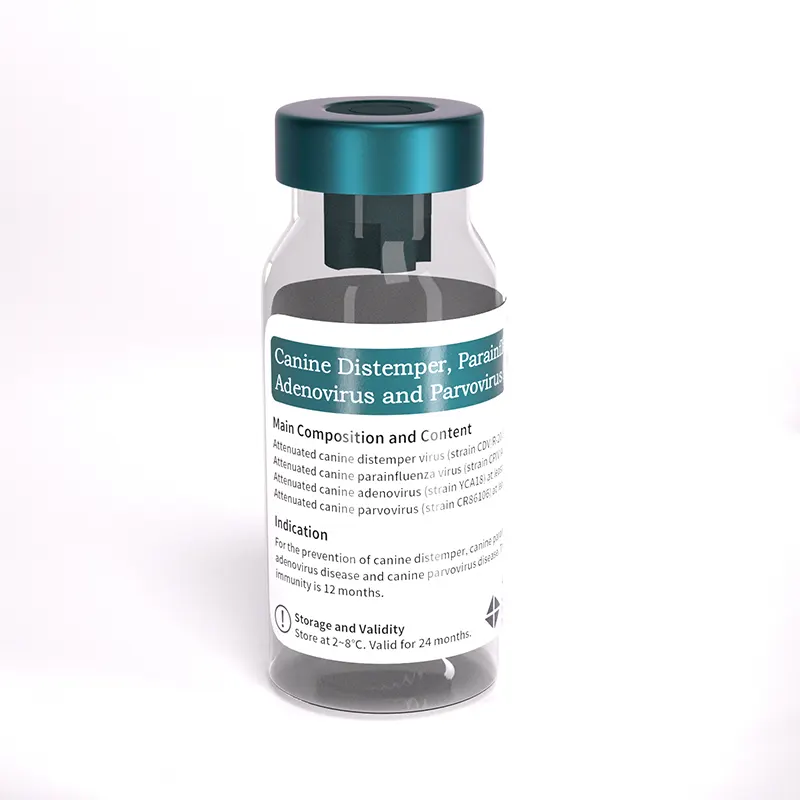
The acronym “DHPP” serves as a shorthand for the four specific pathogens the vaccine targets. Each letter corresponds to a virus that can have devastating effects on a dog’s physiological systems, ranging from severe respiratory distress to fatal neurological damage.
Distemper (D)
Canine Distemper is a highly contagious viral disease that attacks multiple body systems, including the gastrointestinal, respiratory, and central nervous systems. It is often spread through airborne exposure, such as coughing or sneezing from an infected dog. Symptoms typically begin with high fever, eye inflammation, and eye/nose discharge, eventually progressing to lethargy, coughing, and vomiting. In severe cases, it causes seizures, muscle twitching, and paralysis. Because there is no specific cure for distemper, the DHPP vaccine remains the most effective tool in preventing this frequently fatal disease.
Hepatitis (H)
Canine Adenovirus type 1 causes Canine Infectious Hepatitis. This virus primarily targets the liver, kidneys, and eyes. It is transmitted through contact with infected urine, feces, or saliva. The disease can range from mild clinical signs to fatal hepatic necrosis. Because the liver is responsible for essential bodily functions, including detoxification and protein synthesis, the damage caused by hepatitis can be rapid and irreversible. Vaccination prevents the initial infection, shielding the dog’s internal organs from permanent damage.
Parainfluenza (P)
Canine Parainfluenza is a major contributor to the respiratory condition commonly known as kennel cough. While rarely fatal on its own, it is highly contagious and spreads rapidly in environments where dogs congregate, such as boarding facilities, dog parks, or grooming salons. Parainfluenza weakens the respiratory system, creating an entry point for secondary bacterial infections. By vaccinating against this virus, owners significantly reduce their dog’s risk of developing chronic respiratory inflammation.
Parvovirus (P)
Canine Parvovirus, or “Parvo,” is perhaps the most well-known and feared virus covered by the DHPP vaccine. It is an extremely resilient and hardy virus that can survive in the environment for months or even years. Parvo attacks the rapidly dividing cells in the dog’s intestines, leading to severe, bloody diarrhea, intractable vomiting, and dehydration. Without aggressive and costly veterinary intervention, mortality rates for puppies—who are most susceptible—are exceptionally high. The DHPP vaccine is considered the absolute gold standard for Parvo prevention.
The Science of Vaccination and Immune Memory
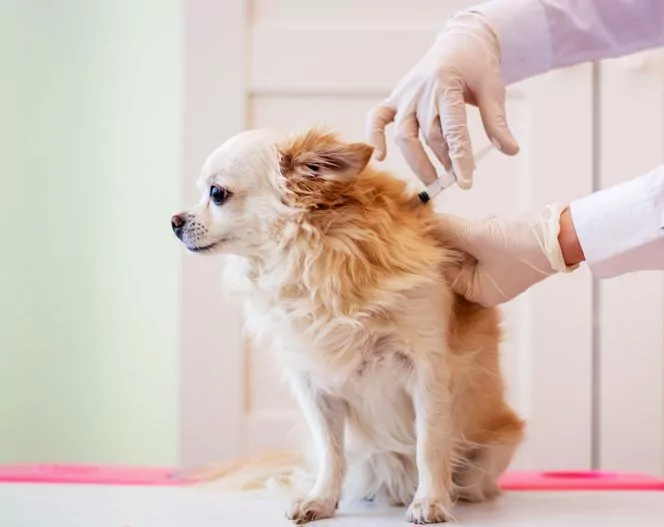
The efficacy of the DHPP vaccine relies on the biological principles of immunology. When a veterinarian administers the DHPP injection, they are introducing a modified, weakened, or inactivated version of these viruses to the dog’s immune system. This process is known as priming.
How Immunity is Built
Upon exposure to these antigens, the dog’s immune system recognizes them as foreign invaders. The body responds by producing specific antibodies tailored to neutralize these threats. Crucially, the immune system also creates “memory cells.” If the dog is later exposed to the wild, virulent forms of Distemper, Hepatitis, Parainfluenza, or Parvovirus, these memory cells trigger a rapid and robust secondary immune response. This response is so swift that the dog typically clears the virus before they ever exhibit clinical signs of disease.
The Role of Maternal Antibodies
Puppies are born with passive immunity provided by their mother’s colostrum (the first milk). While protective, this maternal immunity naturally wanes as the puppy grows. The timing of this decline varies from puppy to puppy, which is why a series of vaccinations is required. The goal of the “puppy booster” schedule is to ensure that as soon as the maternal antibodies disappear, the puppy’s own immune system is ready to take over the burden of protection.
Establishing a Standard Vaccination Schedule
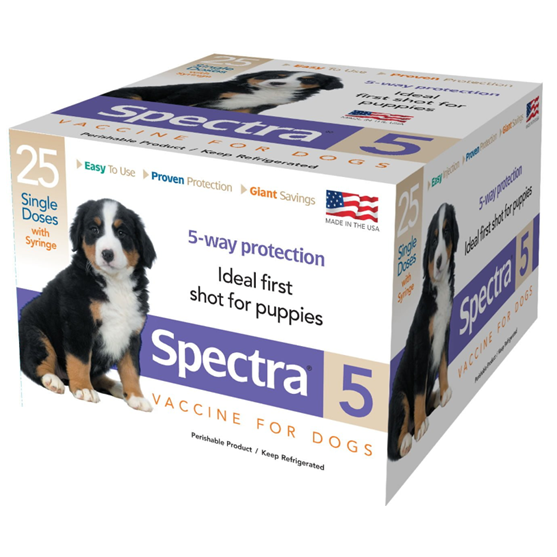
There is no one-size-fits-all timeline, but the American Animal Hospital Association (AAHA) provides rigorous guidelines that most veterinary practitioners follow. The objective is to balance the need for early protection with the biological realities of immune development.
The Puppy Series
Puppies typically begin their DHPP series between 6 and 8 weeks of age. Boosters are then administered every three to four weeks until the puppy reaches approximately 16 to 20 weeks of age. This frequent interval ensures that at least one dose is administered once the maternal antibodies have dropped to a level low enough to allow the puppy’s immune system to respond to the vaccine.
Adult Revaccination
Once the initial puppy series is complete, adult dogs require boosters to maintain their immunity. Generally, a booster is administered one year after the final puppy dose. Following this, many veterinarians recommend subsequent boosters every one to three years, depending on the dog’s risk profile, lifestyle, and local epidemiological conditions.
Risk Assessment Factors
Veterinarians assess individual dogs based on several lifestyle factors:
- Exposure to other dogs: Dogs that frequently visit dog parks, attend daycare, or interact with neighborhood dogs are at higher risk of exposure.
- Geographic location: Some areas have higher concentrations of specific viruses, particularly Parvovirus, which can persist in soil.
- Travel and boarding: Dogs that travel extensively or are frequently boarded in kennels require strict adherence to vaccination schedules to mitigate the risk of infectious outbreaks.
Managing Potential Side Effects and Safety
Like any medical intervention, the DHPP vaccine carries the potential for side effects, though the vast majority of dogs tolerate the vaccine extremely well. Responsible owners should be aware of what is normal and what requires immediate veterinary attention.
Common, Mild Reactions
It is relatively common for a dog to exhibit minor, temporary symptoms within the first 24 to 48 hours following vaccination. These can include:
- Slight lethargy or decreased appetite.
- Localized soreness or minor swelling at the injection site.
- Low-grade fever.
These reactions are a sign that the dog’s immune system is actively engaging with the vaccine, and they typically resolve without any medical intervention.
Rare but Serious Adverse Events
Serious allergic reactions, known as anaphylaxis, are exceedingly rare but represent a true medical emergency. Owners should monitor their pet for signs such as facial swelling (particularly around the muzzle and eyes), hives, persistent vomiting, diarrhea, difficulty breathing, or collapse. Should any of these occur, the dog must be taken to a veterinary clinic immediately.
Modern veterinary medicine has significantly refined vaccine formulations to reduce the incidence of these reactions. Furthermore, if a dog has a history of vaccine sensitivity, a veterinarian may choose to adjust the vaccination protocol—such as administering the vaccine at a different time or using specific types of vaccines—to minimize risk while still maintaining necessary immunity.
The Broader Impact of Vaccination
The decision to keep a dog updated on their DHPP vaccine is not only a matter of personal pet care but also a contribution to public and animal health at large. High vaccination rates within a community create “herd immunity,” which reduces the overall prevalence of these viruses in the environment. This protects dogs that cannot be vaccinated due to age, underlying illness, or immunosuppression.
By adhering to a consistent DHPP schedule, owners fulfill their ethical responsibility to protect their companions from painful, debilitating, and often deadly diseases. The investment in these vaccinations pays dividends in the form of a healthy, vibrant life for the dog, ensuring that the bond between owner and pet is not cut short by preventable viral illness. Always consult with a trusted veterinarian to tailor a vaccination strategy that considers the unique lifestyle and medical history of your canine companion.
aViewFromTheCave is a participant in the Amazon Services LLC Associates Program, an affiliate advertising program designed to provide a means for sites to earn advertising fees by advertising and linking to Amazon.com. Amazon, the Amazon logo, AmazonSupply, and the AmazonSupply logo are trademarks of Amazon.com, Inc. or its affiliates. As an Amazon Associate we earn affiliate commissions from qualifying purchases.