
While primarily a profound system of Christian theological thought, Calvinistic theology has exerted an undeniable and pervasive influence on the development of economic ethics, personal finance, and the very structure of Western capitalism. Far from being a mere spiritual abstraction, its tenets provided a powerful framework that shaped attitudes towards work, wealth, consumption, and social responsibility, leaving an indelible mark on how societies approached financial endeavors. Understanding Calvinistic theology, in this context, involves exploring its foundational doctrines through the lens of their practical, historical, and enduring impact on economic behavior and financial philosophy. It illuminates how deeply held beliefs can shape the creation, management, and distribution of wealth, fostering an ethos that contributed significantly to modern financial paradigms, from disciplined investing to entrepreneurial drive.
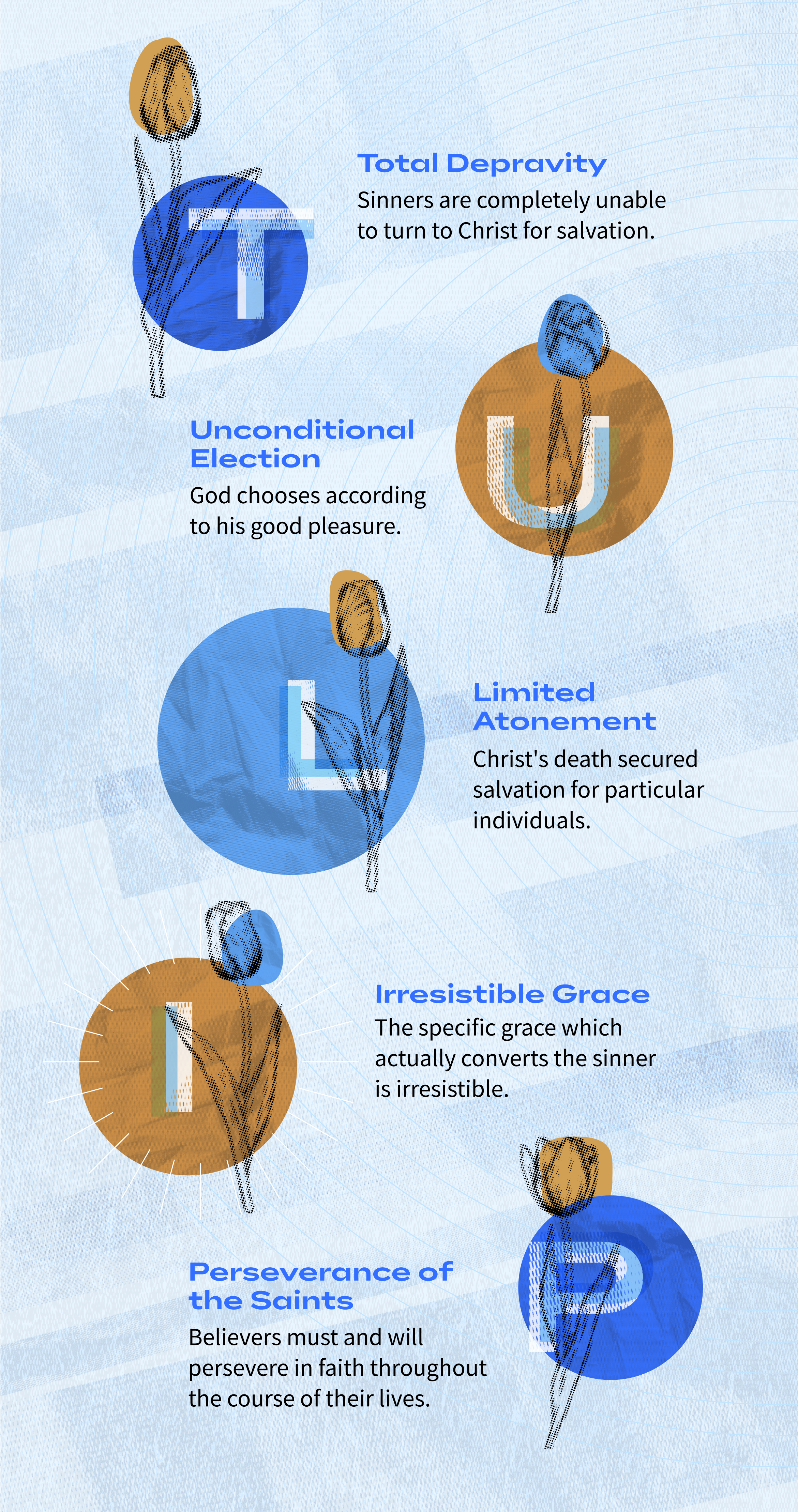
Foundations of an Economic Ethos
The intellectual architecture of Calvinism, largely formulated by John Calvin in the 16th century, emerged during a period of significant social and economic upheaval. Its doctrines, particularly those emphasizing divine sovereignty and human responsibility, inadvertently laid groundwork for a distinctive economic ethos that profoundly diverged from medieval scholastic views. The shift from a primarily agrarian, feudal society to one increasingly driven by commerce and nascent industry found fertile ground in certain Calvinistic principles.
The Doctrine of Vocation and Diligence
Central to Calvinistic economic thought is the redefinition of “vocation” or “calling.” In pre-Reformation thought, a ‘calling’ was primarily associated with religious life—monks, priests, or nuns were seen as having a sacred vocation, while secular work was often viewed as less spiritual or even a necessary worldly distraction. Calvin radically democratized this concept, asserting that all honest labor, pursued with diligence and integrity, could be considered a sacred calling from God. Whether a farmer, a merchant, or a craftsman, an individual was exhorted to perform their work with utmost dedication as an act of worship and service to God.
This theological shift had profound economic implications. It imbued secular work with dignity and divine purpose, fostering an unprecedented work ethic. Hard work, productivity, and disciplined application were no longer mere means to an end but integral components of a life lived for God’s glory. This emphasis on strenuous effort in one’s chosen occupation became a driving force behind increased productivity, innovation, and the accumulation of resources, directly impacting early forms of business finance and laying the psychological foundation for sustained entrepreneurial ventures, including side hustles and the pursuit of online income as an extension of one’s diligent labor. The idea was not merely to accumulate wealth for its own sake, but to serve God effectively through one’s calling, with financial success often being a natural byproduct of such devotion and effort.
Frugality, Thrift, and Asceticism
Another critical aspect of Calvinistic theology that shaped financial behavior was its strong emphasis on a disciplined, ascetic lifestyle. Calvinists rejected worldly extravagance, luxury, and ostentatious displays of wealth as sinful distractions from spiritual pursuits. This was not an advocacy for poverty, but rather for a responsible, measured approach to consumption. The fruits of one’s labor, rather than being immediately consumed or squandered, were to be conserved, saved, and reinvested.
This theological insistence on frugality and thrift directly contributed to capital accumulation. By discouraging frivolous spending and promoting a disciplined approach to resources, Calvinism inadvertently fostered the habits of saving and reinvestment that are crucial for economic growth. Wealth, when generated, was not to be enjoyed for personal pleasure but to be soberly managed and productively employed. This ethos resonated deeply with the principles of personal finance and investing, promoting delayed gratification, careful budgeting, and the strategic deployment of financial assets. It championed the idea that money was a tool to be utilized responsibly for future benefit and God’s glory, rather than an end in itself for immediate gratification.
Predestination and Prosperity
Perhaps the most controversial doctrine of Calvinism, predestination, also played a complex and often misunderstood role in shaping economic attitudes. The belief that God has eternally chosen some for salvation (the “elect”) and others for damnation, irrespective of their deeds, might seem to lead to fatalism. However, its psychological impact, particularly as interpreted through sociological lenses, fostered a unique motivation for worldly diligence and success.
Divine Providence in Worldly Affairs
Calvinistic theology posited that God’s providential hand guided all aspects of creation and human life, including worldly affairs. While personal salvation was believed to be preordained and unknowable, success in one’s earthly calling, including financial prosperity, could be interpreted as a potential, though never definitive, sign of God’s favor or blessing. This perspective did not suggest that wealth guaranteed salvation, but rather that a diligent, ethical, and successful life in one’s calling might reflect divine approval.
This belief instilled a powerful incentive for individuals to work tirelessly and ethically in their businesses and professions. The pursuit of financial stability and even prosperity, within the bounds of a moral framework, was seen not as greed but as a demonstration of faithfulness to God’s calling and a reflection of His blessing. This provided a psychological underpinning for the disciplined accumulation of wealth, encouraging individuals to see their financial endeavors as part of a larger, divinely ordained plan, influencing business finance and strategic investing with a sense of purpose beyond mere profit.
The “Elect” and Economic Success
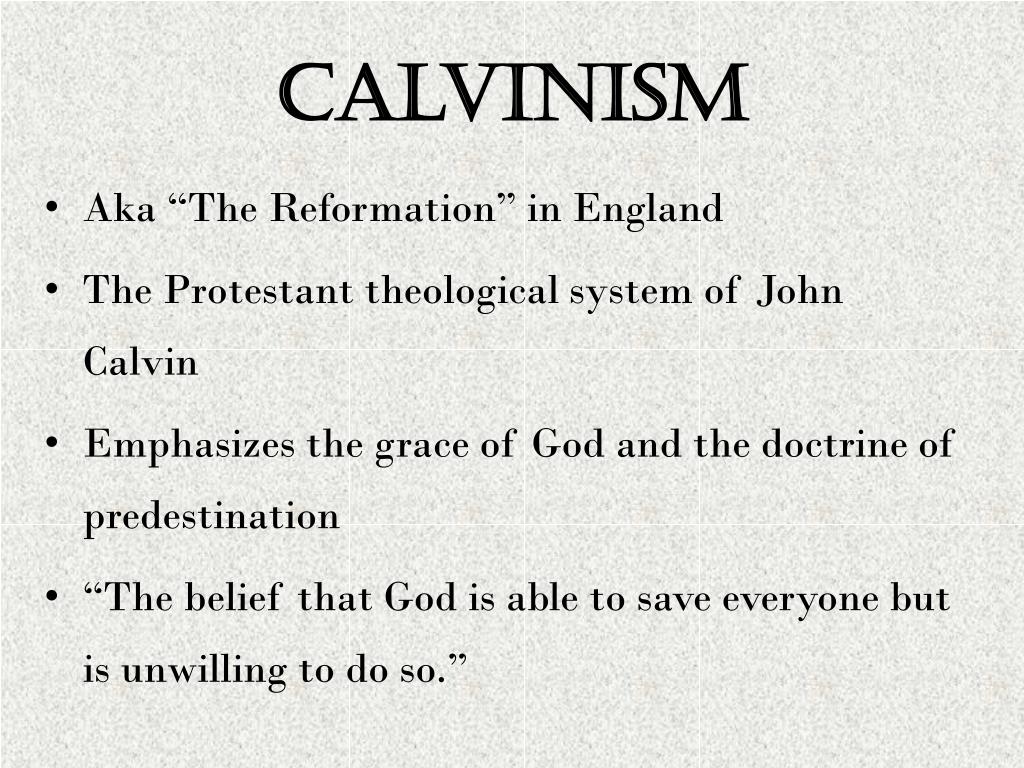
Sociologist Max Weber, in his seminal work The Protestant Ethic and the Spirit of Capitalism, famously explored the psychological interplay between the doctrine of predestination and the emergence of capitalist enterprise. While salvation was a matter of divine decree, the inherent human need for assurance led many Calvinists to seek signs of their election. Since good works themselves could not earn salvation, but were believed to be the fruit of it, constant, systematic labor in one’s calling became a way to alleviate spiritual anxiety and demonstrate one’s potential standing among the elect.
The relentless pursuit of worldly success, coupled with the rejection of extravagant consumption, led to the systematic accumulation of capital. This was not about personal enjoyment of wealth but about demonstrating one’s commitment and faithfulness. As profits accumulated, they were not spent on luxuries but reinvested into businesses, fueling expansion and further productivity. This drive, born from a spiritual quest, created a dynamic economic engine. It fostered a mindset where consistent effort, methodical planning, and sustained growth in business—including early forms of what we might call side hustles or online income streams today—were seen as both a personal duty and a potential indicator of a divinely favored life, indirectly propelling the spirit of modern financial accumulation and enterprise.
Stewardship and Social Responsibility
Despite the focus on individual diligence and capital accumulation, Calvinistic theology also heavily emphasized the communal and ethical dimensions of wealth. Riches were not seen as belonging to the individual absolutely but were viewed as a trust from God, necessitating responsible management and use for the common good.
Wealth as a Trust
Calvinists believed that all possessions, including financial assets, were ultimately God’s property, merely entrusted to human stewards. This concept of stewardship meant that individuals were accountable to God for how they managed their wealth. It fostered a sense of responsibility to use resources wisely, not only for personal and family provision but also for productive purposes that benefited society. This idea stood in stark contrast to earlier notions of wealth as an entitlement or purely for personal pleasure.
This theological perspective encouraged ethical business practices, honest dealings, and prudent financial management. Wastefulness, exploitation, and dishonesty in financial matters were condemned as unfaithful stewardship. Consequently, this ethos laid the groundwork for robust business finance practices, encouraging transparency, accountability, and long-term planning. It also informed personal finance by advocating for responsible saving, investing, and the avoidance of excessive debt, viewing financial decisions through a moral and ethical lens rather than purely one of self-interest.
Charitable Giving and Community Investment
Integral to the Calvinistic understanding of stewardship was the obligation to engage in charitable giving and to support the wider community. Accumulated wealth was not to be hoarded but actively deployed to alleviate poverty, support the church, and contribute to public welfare. Calvin himself was instrumental in establishing systems of poor relief in Geneva, emphasizing that true faith expressed itself through active love for one’s neighbor.
This commitment to social welfare meant that a portion of any surplus wealth was expected to be directed towards charitable causes and community development. This concept resonates with modern ideas of ethical investing, corporate social responsibility, and impact investing, where financial resources are intentionally allocated not just for profit but also for positive social and environmental outcomes. The Calvinistic emphasis on giving and investing in the community underscores a holistic approach to money management, integrating personal financial success with broader societal well-being and acknowledging the interconnectedness of individual prosperity with communal flourishing.
Modern Interpretations and Financial Impact
The historical influence of Calvinistic theology on economic thought remains a subject of ongoing study and debate. While direct theological adherence may have waned in many Western societies, the cultural habits and financial attitudes it fostered continue to resonate, shaping contemporary approaches to work, wealth, and money.
The Protestant Work Ethic in Contemporary Finance
The “Protestant work ethic,” a direct descendant of Calvinistic principles, continues to be a potent force in many modern economies. It emphasizes hard work, self-discipline, punctuality, and a strong sense of duty in one’s professional life. This ethic fuels entrepreneurial drive, sustains long-term careers, and underpins the relentless pursuit of innovation and efficiency that characterizes many successful businesses and financial markets. It subtly influences everything from startup culture, where long hours and dedication are normalized, to individual financial planning, where consistent saving and diligent investing are seen as virtues. This historical legacy encourages individuals to pursue online income streams, engage in side hustles, and continuously seek ways to optimize their financial output, often viewing these efforts as a form of productive engagement with the world rather than mere self-enrichment.

Balancing Faith and Wealth Accumulation
In contemporary society, the application of Calvinistic principles to finance involves navigating the complex relationship between spiritual values and material pursuits. The tension between accumulating wealth through diligent work and avoiding the pitfalls of materialism or greed remains a central challenge. Modern interpretations often focus on responsible wealth management, ethical investing, and philanthropic endeavors as ways to integrate faith with financial success. This involves making informed choices about where to invest (avoiding industries that conflict with ethical values), how to use business profits (reinvesting responsibly, sharing with employees, supporting community initiatives), and how to approach personal consumption (mindfulness, sustainability).
Ultimately, understanding “what is Calvinistic theology” from a financial perspective reveals a powerful historical narrative about how a comprehensive theological system could inadvertently, yet profoundly, shape the economic landscape. It demonstrates that finance is rarely an isolated domain but is deeply intertwined with cultural values, ethical frameworks, and foundational beliefs about purpose, work, and responsibility. The lessons in diligence, frugality, stewardship, and community investment, initially rooted in 16th-century theology, continue to offer insights for navigating the complexities of personal finance, investing, business strategy, and the pursuit of income in the 21st century.
aViewFromTheCave is a participant in the Amazon Services LLC Associates Program, an affiliate advertising program designed to provide a means for sites to earn advertising fees by advertising and linking to Amazon.com. Amazon, the Amazon logo, AmazonSupply, and the AmazonSupply logo are trademarks of Amazon.com, Inc. or its affiliates. As an Amazon Associate we earn affiliate commissions from qualifying purchases.