
The entrepreneurial landscape is in constant flux, shaped by technological advancements, shifting consumer behaviors, and economic trends. Identifying the “top” businesses to start isn’t merely about chasing fleeting fads but understanding sustainable models that offer significant financial potential, scalability, and long-term viability. For those looking to embark on their entrepreneurial journey, focusing on sectors ripe for innovation and demand, particularly within the digital economy and service industries, offers the most promising avenues for financial growth and independence.
The Evolving Landscape of Entrepreneurship
Modern business initiation is fundamentally different from decades past. Lower barriers to entry, global connectivity, and a sophisticated financial infrastructure have democratized entrepreneurship, making it accessible to a wider array of individuals. This evolution demands a strategic understanding of where capital and effort yield the best returns.

Digital Transformation and Accessibility
The internet has not just changed how we communicate; it has fundamentally reshired the economy. Businesses can now launch with minimal overhead, leveraging cloud computing, e-commerce platforms, and digital marketing tools. This digital accessibility means that a global market is within reach, often without the need for physical storefronts or extensive initial capital. For instance, an online course creator can reach students worldwide, and a dropshipper can sell products globally without ever holding inventory. The financial implications are profound: reduced startup costs, faster time to market, and immediate access to diverse revenue streams.
The Gig Economy’s Rise and Niche Markets
The proliferation of the gig economy has underscored a significant shift towards specialized services and flexible work arrangements. This has opened doors for individuals to monetize specific skills or interests, transforming them into viable businesses. Furthermore, as consumer preferences become more refined, highly specialized niche markets are emerging, offering opportunities for businesses to serve a dedicated clientele. These niches often have less competition and higher willingness-to-pay, translating into healthier profit margins for entrepreneurs who can identify and cater to these specific demands. Financial success in the gig economy often hinges on effective personal branding and robust client management, ensuring a steady flow of income.
High-Growth Online Businesses with Low Barrier to Entry
For many aspiring entrepreneurs, the allure of online businesses lies in their relatively low startup costs and vast scalability. These models often leverage existing digital infrastructure, minimizing the need for significant initial financial outlay while maximizing reach.
E-commerce and Dropshipping
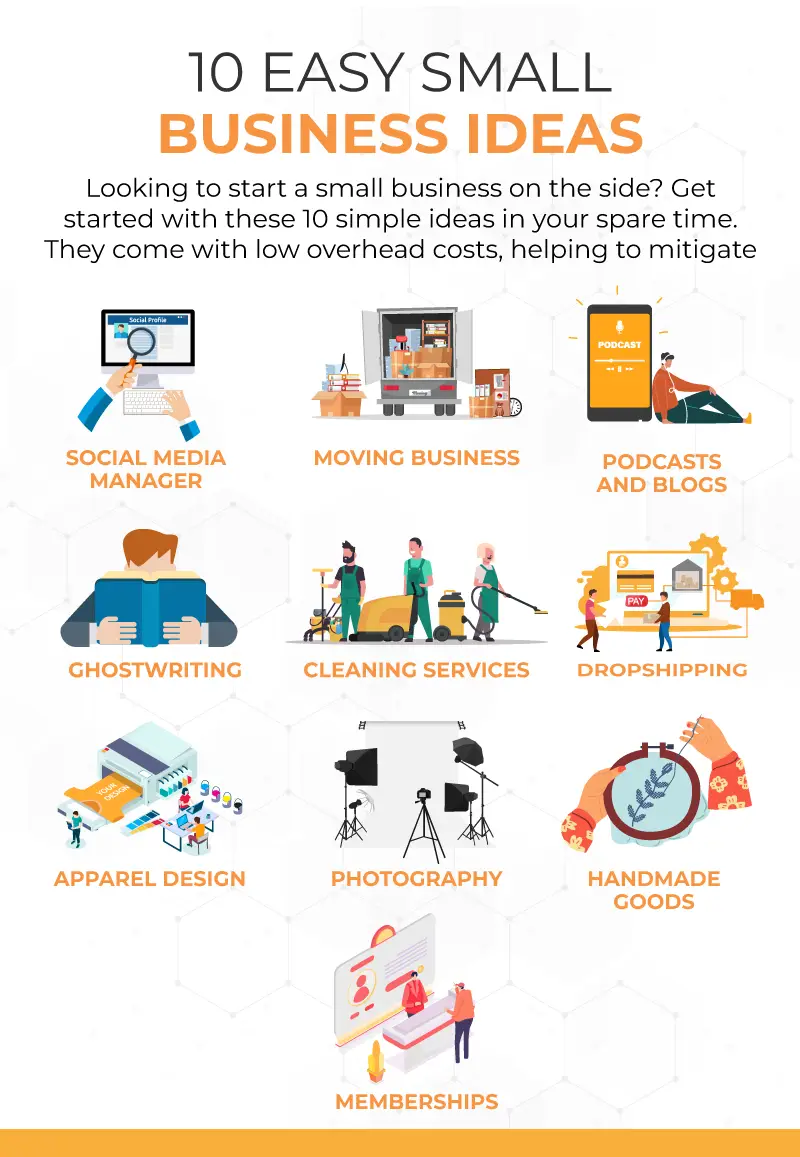
E-commerce remains a powerhouse for generating online income. Setting up an online store through platforms like Shopify or WooCommerce is straightforward, allowing entrepreneurs to sell a wide range of products directly to consumers. Dropshipping, a specific e-commerce model, further reduces financial risk by eliminating the need for inventory management. The seller lists products, takes customer orders, and then a third-party supplier ships the goods directly. The profit margin comes from the difference between the wholesale and retail price. Success in dropshipping requires diligent product research, effective marketing, and efficient supplier management to ensure customer satisfaction and repeat business, thereby building sustainable revenue.
Content Creation and Digital Products
The creator economy is booming, empowering individuals to monetize their expertise, passions, and creativity. This includes blogging, podcasting, YouTube channels, and social media influencing. Beyond advertising revenue, the most lucrative aspect for content creators often lies in developing and selling digital products. These can include online courses, e-books, templates, stock photos, or premium subscription content. Once created, digital products have virtually zero marginal cost of reproduction, allowing for high-profit margins and passive income streams. The initial investment is primarily time and expertise, with platforms like Teachable, Thinkific, or Gumroad facilitating sales and delivery. Building a strong audience and delivering high-value content are critical for financial success in this arena.
Freelance Services
The demand for specialized freelance services continues to grow across various industries. From virtual assistants and online tutors to digital marketing consultants, graphic designers, writers, and web developers, the ability to offer expertise on a project basis is a lucrative business model. Platforms like Upwork, Fiverr, and LinkedIn facilitate connections between freelancers and clients globally. The financial advantage here is flexibility, the ability to set one’s own rates, and direct control over one’s income potential. Successful freelance businesses often evolve into agencies as they scale, hiring other freelancers to meet growing client demands, thus transforming a personal service into a scalable business entity. Effective financial management, including pricing strategies, invoicing, and tax planning, is crucial for sustained profitability.
Service-Based Businesses Addressing Modern Needs
Beyond the digital realm, several service-based businesses continue to thrive by addressing fundamental societal needs and emerging demands, often with a significant local component. These ventures frequently require a blend of operational efficiency and strong customer relations.
Senior Care and Home Health Services
As global populations age, the demand for senior care and home health services is escalating. This includes non-medical assistance like companionship, meal preparation, transportation, and personal care, as well as skilled nursing services provided in the comfort of a client’s home. This sector offers significant financial stability due to consistent demand and often recurring revenue models. Starting such a business requires navigating licensing, certifications, and compliance with healthcare regulations, but the market need ensures robust growth potential. The ability to provide compassionate, reliable care directly translates into client loyalty and business success.
Sustainable and Eco-Friendly Solutions
Growing environmental awareness has spurred a significant market for sustainable products and services. This can range from eco-friendly cleaning services and waste management consulting to businesses specializing in renewable energy installations, sustainable product sourcing, or upcycling workshops. Consumers and businesses alike are increasingly willing to pay a premium for environmentally responsible solutions. Entrepreneurs in this space can tap into a growing ethical consumer base, benefiting from both financial returns and a positive brand image associated with social responsibility. Grants and incentives for green businesses can also provide additional financial support.
Personal and Professional Coaching
In an increasingly complex world, individuals and businesses seek guidance to navigate challenges, achieve goals, and improve performance. This has fueled the demand for personal and professional coaching. Life coaches, executive coaches, career coaches, and specialized consultants help clients identify objectives, develop strategies, and overcome obstacles. The business model typically involves high-value, one-on-one sessions, group programs, or corporate contracts. Success is built on demonstrable expertise, strong communication skills, and the ability to inspire measurable results. This is a high-margin service business where the primary investment is the coach’s knowledge and time, often leading to substantial income potential.
Leveraging Technology for Financial Growth
Technology is not just a platform for business; it’s also a powerful tool that can be leveraged to deliver financial services and advice more effectively and efficiently. These businesses bridge the gap between financial expertise and technological accessibility.
Financial Consulting and Planning
Despite the rise of automated financial tools, personalized financial advice remains invaluable. Businesses offering financial consulting and planning services cater to individuals seeking wealth management, retirement planning, investment strategies, or debt management, as well as small businesses needing help with budgeting, forecasting, and financial strategy. Modern financial consultants often integrate technology, using sophisticated software for portfolio analysis, risk assessment, and client relationship management. This allows for more efficient service delivery and the ability to serve a larger client base, thereby enhancing revenue streams. Adherence to regulatory standards and building trust are paramount for success in this field.
Online Investing Education and Tools
The democratized access to financial markets has created a huge appetite for investing education and user-friendly financial tools. Entrepreneurs can capitalize on this by offering online courses, workshops, or subscription-based platforms that teach investing principles, analyze market trends, or provide automated investment advice. Robo-advisors, for instance, utilize algorithms to manage portfolios, making investing more accessible and affordable for the average person. The financial model here often involves subscription fees, commissions on trades (if integrated with a brokerage), or sales of educational content. The key is to simplify complex financial concepts and make investing less intimidating for new market entrants.
Business Brokering for Digital Assets
As the digital economy matures, businesses themselves are becoming tradable assets. Business brokering for digital assets involves facilitating the sale and acquisition of online businesses, e-commerce stores, content websites, SaaS products, and mobile apps. This niche requires an understanding of valuation methodologies for digital assets, market trends, and legal aspects of business transfers. Brokers earn commissions on successful transactions, which can be significant given the high value of many digital enterprises. This is a specialized, high-reward business that requires strong negotiation skills and a deep understanding of the online business ecosystem.
Key Considerations for Aspiring Entrepreneurs
Starting a business is more than just identifying a promising idea; it requires strategic planning, astute financial management, and a long-term vision.
Market Research and Niche Identification
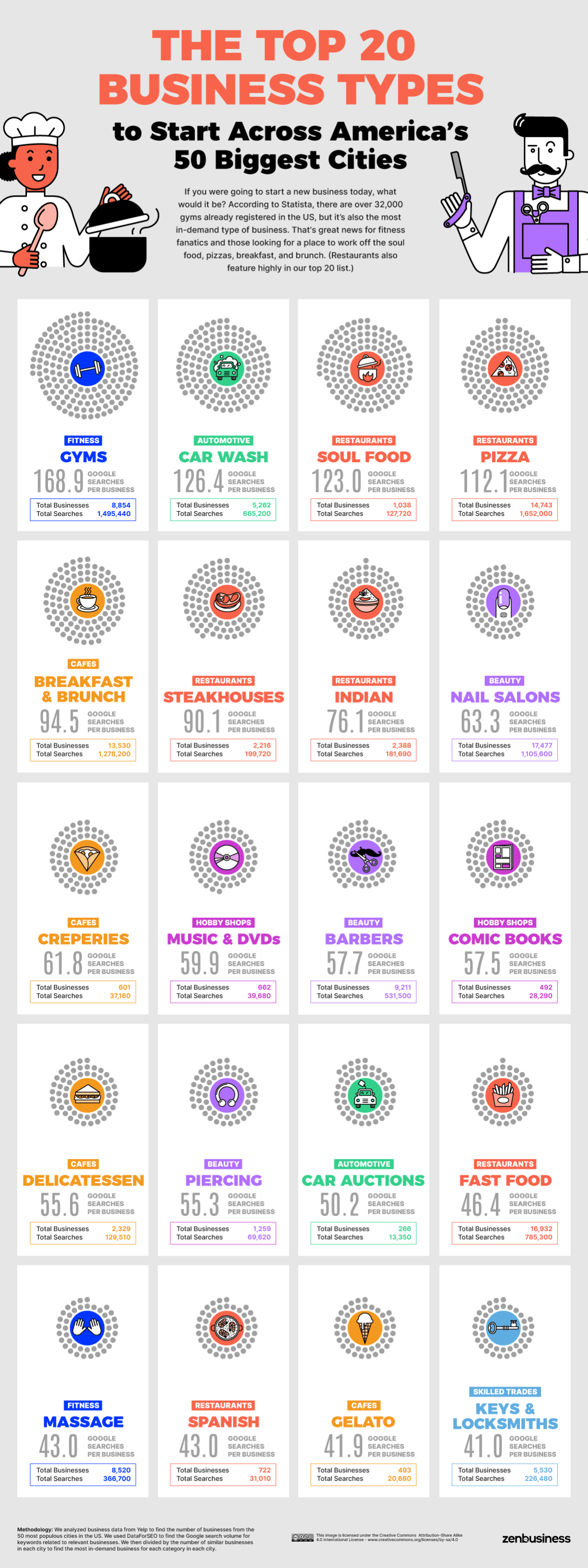
Before committing resources, thorough market research is indispensable. This involves understanding customer needs, analyzing competitors, and identifying underserved niches. A well-defined niche reduces marketing costs, allows for specialized service delivery, and often commands higher pricing power, directly impacting profitability. Financial viability often hinges on how well a business understands its target market’s willingness and ability to pay.
Funding and Financial Management
Every business requires capital to start and grow. This could range from self-funding and bootstrapping to seeking angel investors, venture capital, or small business loans. Crucially, effective financial management from day one is paramount. This includes creating a detailed business plan with projected income statements and cash flow analyses, setting up robust accounting systems, managing expenses, and understanding profit margins. Poor financial management is a leading cause of business failure; conversely, strong financial oversight is a cornerstone of sustained success and scalability.
Scalability and Long-Term Vision
When choosing a business to start, consider its potential for scalability. Can the business grow without a proportional increase in costs? Businesses that can leverage technology, automate processes, or franchise their model often have higher scalability potential, leading to exponential financial growth. Furthermore, having a long-term vision helps in making strategic decisions, adapting to market changes, and building a sustainable enterprise that can generate consistent income and potentially become a valuable asset for future sale or inheritance. Entrepreneurship is a marathon, not a sprint, and a long-term perspective is vital for enduring financial success.
aViewFromTheCave is a participant in the Amazon Services LLC Associates Program, an affiliate advertising program designed to provide a means for sites to earn advertising fees by advertising and linking to Amazon.com. Amazon, the Amazon logo, AmazonSupply, and the AmazonSupply logo are trademarks of Amazon.com, Inc. or its affiliates. As an Amazon Associate we earn affiliate commissions from qualifying purchases.