
For over two centuries, the act of burning fossil fuels—coal, oil, and natural gas—has served as the primary engine of global economic expansion. To the layperson, “burning fossil fuels” is a chemical process that releases energy; to the investor, the economist, and the business leader, it represents the foundational capital of the modern industrial age. However, the financial landscape surrounding this process is undergoing a seismic shift. What was once considered the safest “blue-chip” bet in a portfolio is now being re-evaluated through the lenses of risk management, stranded assets, and the massive reallocation of global capital.
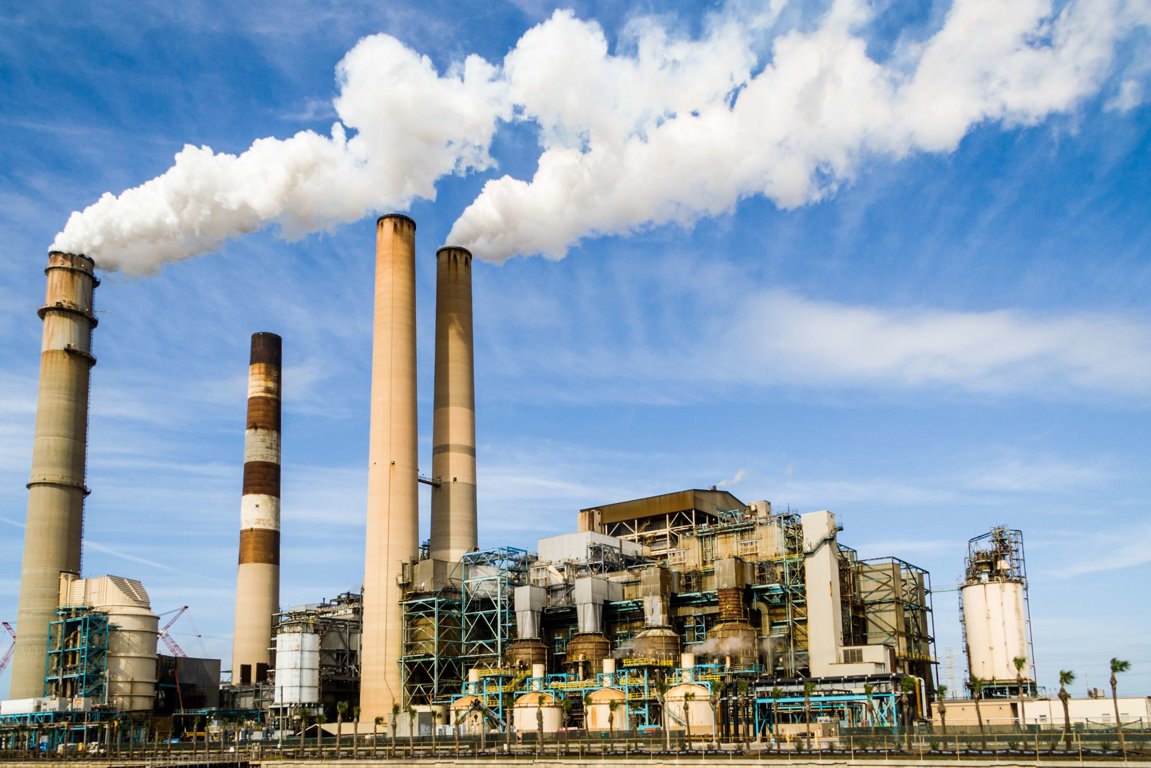
To understand the money behind fossil fuels is to understand the history of modern wealth. But to understand the future of money, one must look at the fiscal implications of moving away from this combustion-based economy.
1. The Historical ROI of Carbon: Why Fossil Fuels Dominated the Market
The dominance of fossil fuels was not merely a matter of scientific convenience; it was a matter of unparalleled Return on Investment (ROI). Historically, the energy density and transportability of liquid and solid hydrocarbons provided a “cheap energy” dividend that allowed the global GDP to grow at unprecedented rates.
The Energy-to-GDP Correlation
For the better part of the 20th century, there was a near-linear correlation between energy consumption (primarily from burning fossil fuels) and economic growth. In financial terms, fossil fuels were the highest-margin energy source available. The infrastructure for extraction, refining, and distribution was built with trillions of dollars in “patient capital,” creating a moat that renewable technologies couldn’t penetrate for decades. Because the cost of entry was so high and the output so vital, the companies managing these resources became the most valuable entities on earth, forming the bedrock of pension funds and institutional portfolios.
The Subsidy Landscape and Market Distortions
From a business finance perspective, burning fossil fuels has often been artificially cheap. Direct and indirect government subsidies have historically lowered the “Levelized Cost of Energy” (LCOE) for coal and gas. When a side hustle or a small business looks at its utility bills, those costs are influenced by decades of fiscal policy designed to keep energy prices stable. However, these subsidies are now being scrutinized by economists who argue they create market distortions, preventing the “true price” of energy from being realized by the consumer.
2. The Cost of Carbon: Analyzing Market Externalities
In traditional accounting, an “externality” is a cost or benefit that is not reflected in the final price of a good or service. For decades, the financial “cost” of burning fossil fuels was limited to the expense of extraction and delivery. The environmental impact—the literal “burning” of the commons—was an unpaid bill.
Internalizing the Externalities
The global financial system is currently in the process of “internalizing” these costs. Carbon pricing, carbon taxes, and Emissions Trading Schemes (ETS) are fiscal tools designed to put a price tag on the carbon dioxide released during combustion. For a business, this changes the “burning of fossil fuels” from a routine operational expense into a significant financial liability. In Europe’s carbon market, for instance, the price per ton of CO2 has reached levels that make coal-fired power generation commercially unviable compared to cheaper, cleaner alternatives.
The Economic Toll of Climate Risk
Beyond taxes, the physical risks associated with a warming planet—driven by fossil fuel combustion—are being priced into insurance premiums and real estate valuations. Institutional investors now view “climate risk” as “financial risk.” When a port is flooded or a harvest fails due to volatile weather patterns, the loss is recorded in the global ledger. Therefore, the “profit” generated by burning fossil fuels is increasingly being offset by the “loss” incurred by the resulting environmental instability.
3. Stranded Assets: The Growing Risk for Investors
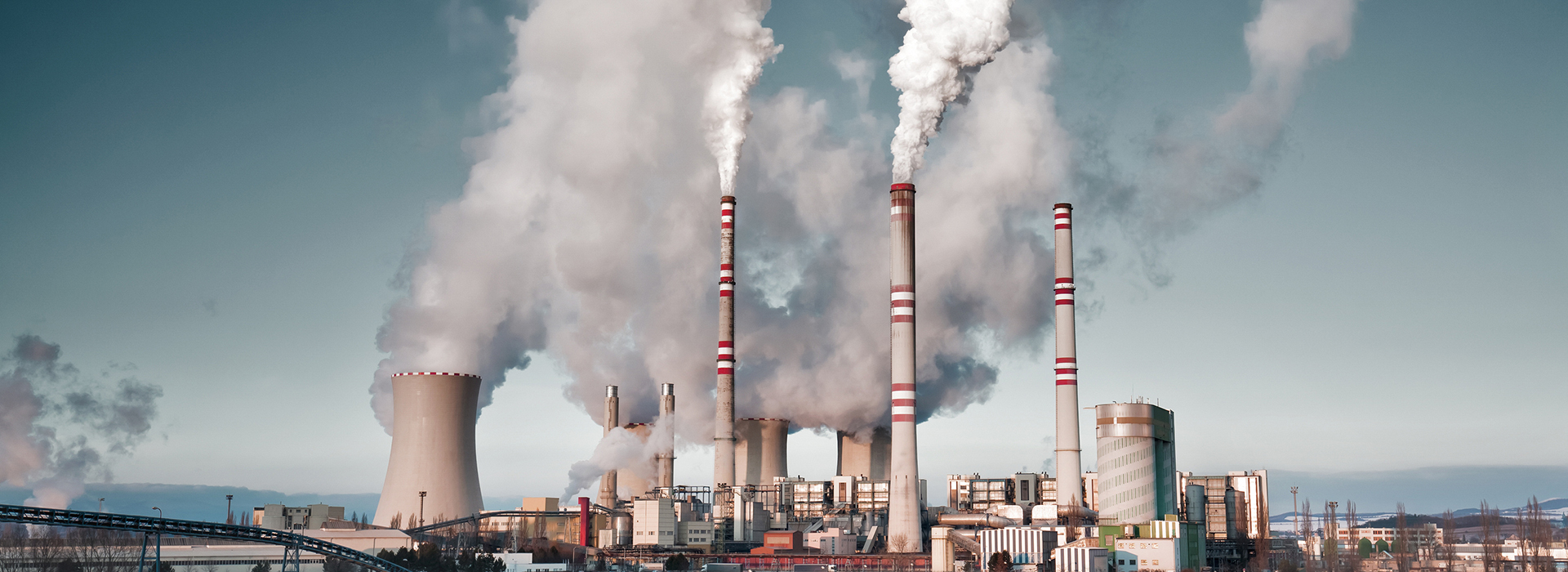
Perhaps the most critical term in the “Money” niche regarding fossil fuels is “stranded assets.” This refers to resources that have already been paid for but can no longer be used or sold due to changes in regulation, market demand, or physical constraints.
The Carbon Bubble Explained
If the world is to meet international climate goals, a significant portion of the oil, gas, and coal reserves currently owned by companies must stay in the ground. On the balance sheets of major energy firms, these reserves are listed as assets. However, if they cannot be burned, their value drops to zero. This creates a “carbon bubble.” If this bubble bursts prematurely, it could lead to a financial shock comparable to the 2008 housing crisis, as trillions of dollars in “valuation” simply vanish from the market.
Divestment and Capital Flight
We are witnessing a massive migration of capital away from fossil fuel combustion. Sovereign wealth funds and massive institutional players, like BlackRock, are increasingly applying ESG (Environmental, Social, and Governance) criteria to their investments. Divestment is no longer just a moral statement; it is a pragmatic financial strategy to avoid being the “last one holding the bag” when the market fully pivots. Smart money is moving toward the “electrification of everything,” recognizing that the long-term growth potential of fossil fuel combustion is entering a terminal decline.
4. The ROI of the Transition: Funding the Post-Combustion Economy
As the financial viability of burning fossil fuels wanes, the profitability of the “Energy Transition” is surging. This is not just about saving the planet; it is about the largest reallocation of capital in human history.
Green Bonds and Sustainable Finance
The rise of “Green Bonds” has provided a new vehicle for investors to fund renewable infrastructure with predictable yields. Unlike the volatile price of oil, which is subject to geopolitical tensions and OPEC+ decisions, the “fuel” for solar and wind is free. The capital expenditure (Capex) is high upfront, but the operational expenditure (Opex) is remarkably low. For long-term investors, such as insurance companies and pension funds, this provides a “de-risked” cash flow that fossil fuel combustion can no longer guarantee.
The New Gold Rush: CleanTech and Innovation
The venture capital world is currently obsessed with “CleanTech.” From high-capacity battery storage to green hydrogen, the goal is to find the technology that will replace the internal combustion engine. For the individual investor, this represents a once-in-a-century opportunity. While the fossil fuel era was defined by “resource wealth” (who owns the land), the post-combustion era is defined by “intellectual wealth” (who owns the technology). The “money” is moving from the ground to the lab.
5. Future-Proofing Wealth in a Decarbonized Market
For any business leader or personal investor, the question “what is burning fossil fuels” must be answered with a forward-looking financial strategy. The era of “easy oil” and guaranteed returns from carbon-intensive industries is over.
ESG Integration as a Fiduciary Duty
It is no longer enough to look at a company’s P&L statement without considering its carbon footprint. ESG integration has become a fiduciary duty. Companies that fail to plan for a “net-zero” future are increasingly facing a higher cost of capital. Banks are less willing to lend to coal projects, and when they do, the interest rates reflect the high risk of the asset becoming stranded. Conversely, companies with high ESG scores often enjoy lower borrowing costs and higher valuations.
The Rise of Impact Investing
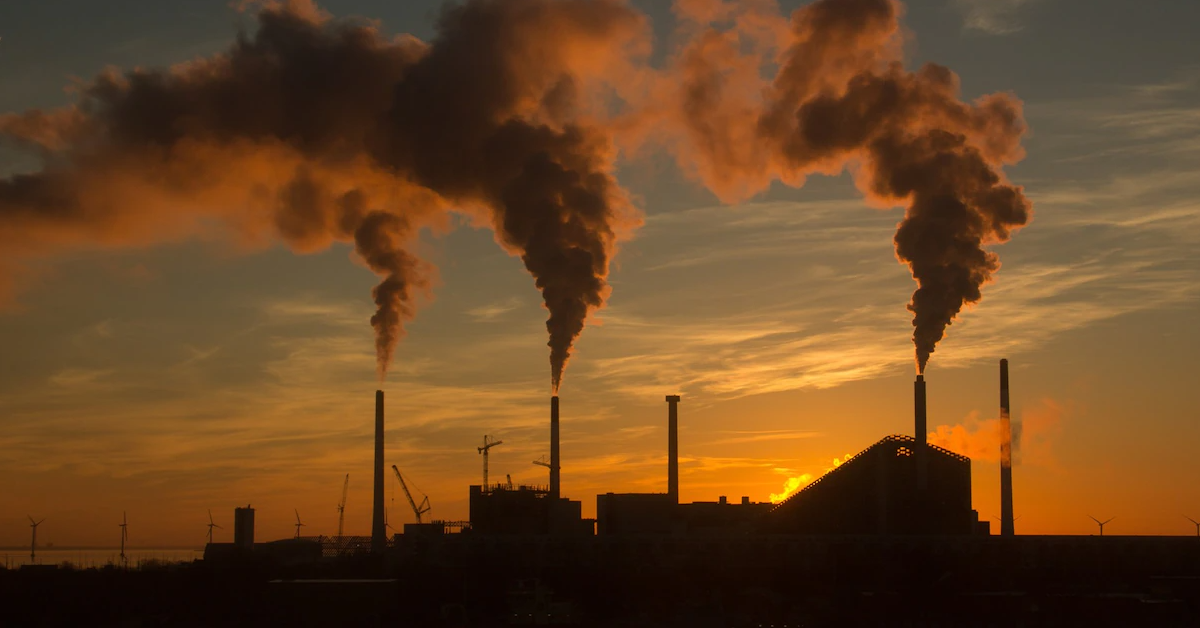
Impact investing has moved from a niche philanthropic endeavor to a mainstream financial powerhouse. By putting money into companies that actively reduce the need for fossil fuel combustion, investors are “hedging” against the inevitable regulatory crackdowns on carbon. The goal is to generate a “double bottom line”: competitive financial returns alongside a measurable positive impact on the global economy’s stability.
In conclusion, “burning fossil fuels” is no longer the invincible economic powerhouse it once was. While it still provides a significant portion of the world’s current energy, its status as a financial asset is deteriorating. The “Smart Money” has already begun the process of decarbonizing its portfolios, recognizing that the future of wealth lies not in the combustion of the past, but in the innovation and sustainability of the future. Understanding this shift is not just an environmental necessity; it is a financial imperative for anyone looking to preserve and grow capital in the 21st century.
aViewFromTheCave is a participant in the Amazon Services LLC Associates Program, an affiliate advertising program designed to provide a means for sites to earn advertising fees by advertising and linking to Amazon.com. Amazon, the Amazon logo, AmazonSupply, and the AmazonSupply logo are trademarks of Amazon.com, Inc. or its affiliates. As an Amazon Associate we earn affiliate commissions from qualifying purchases.