
When someone asks, “What anime is Madoka from?” they are usually uncovering the entry point into one of the most successful case studies in modern media branding. The answer—Puella Magi Madoka Magica (Mahou Shoujo Madoka Magica)—is more than just a 12-episode television series produced by Shaft and Aniplex. It is a masterclass in brand positioning, visual identity, and market disruption.
In the competitive landscape of Japanese intellectual property (IP), Madoka Magica stands out not because it followed the rules of the “Magical Girl” genre, but because it systematically dismantled them to create a unique, high-value brand. This article explores the strategic branding decisions that transformed a single anime into a decade-long global phenomenon.

1. The Art of Deceptive Positioning: The “Bait-and-Switch” Marketing Strategy
In the world of brand strategy, “positioning” is how you differentiate your product in the mind of the consumer. Madoka Magica utilized a high-risk, high-reward strategy known as subversive positioning.
The Illusion of Convention
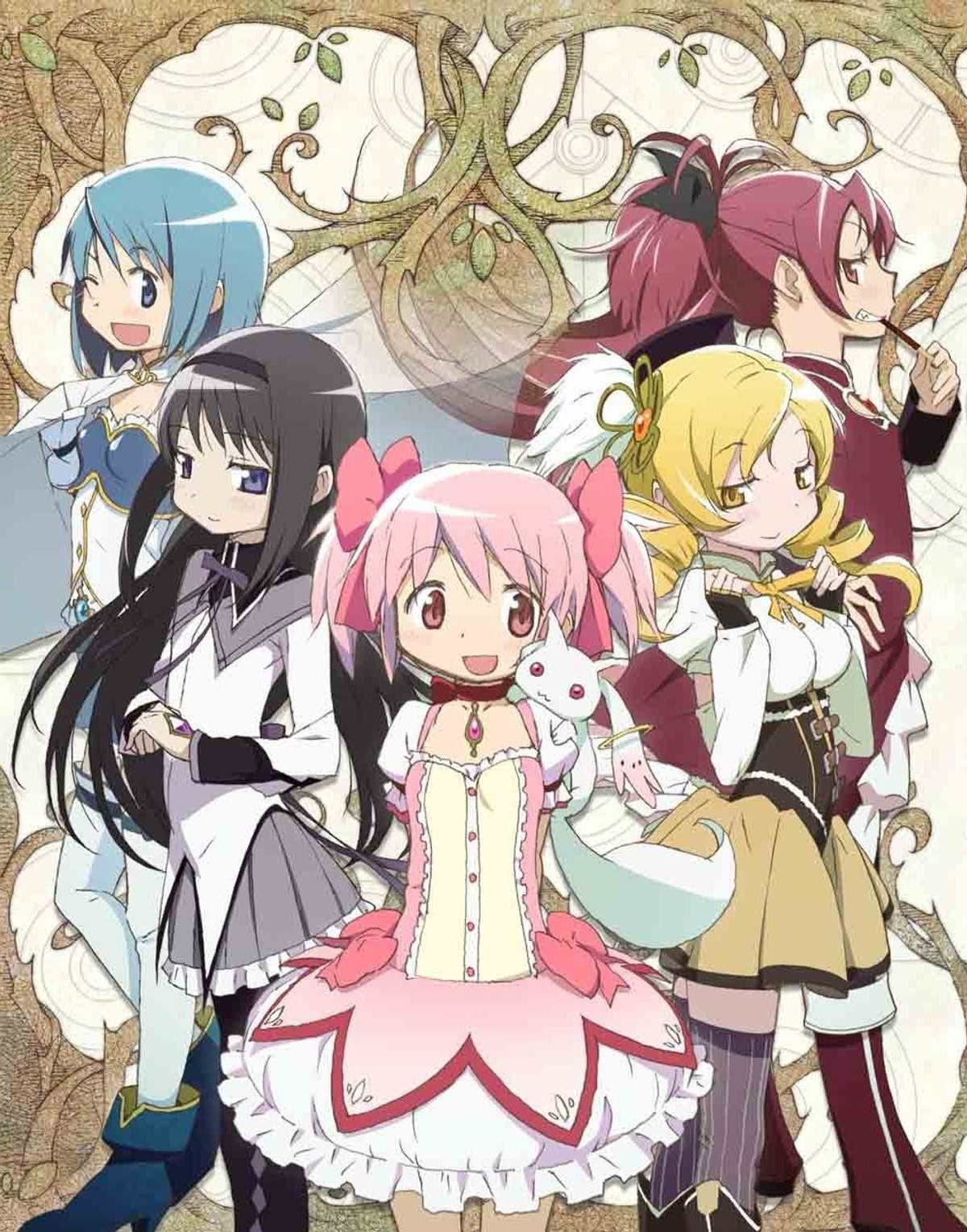
At its launch in 2011, the marketing materials for Madoka Magica presented the series as a standard, “kawaii” (cute) magical girl show. The character designs by Ume Aoki featured soft lines, wide eyes, and pastel color palettes—elements synonymous with lighthearted children’s programming. By leaning into these established tropes, the brand established a baseline of consumer expectation. This was not merely a creative choice; it was a calculated marketing maneuver to lower the viewer’s guard.
The Pivot as a Brand USP
The “Third Episode Twist” is now legendary in media circles. By abruptly shifting from a bright fantasy to a dark psychological horror, the series created a massive “shock factor.” From a branding perspective, this pivot became the series’ Unique Selling Proposition (USP). It wasn’t just another anime; it was “the anime that changed everything.” This subversion generated immense word-of-mouth marketing, transforming a niche show into a cultural talking point almost overnight.
2. Visual Identity and Aesthetic Differentiation
A strong brand is instantly recognizable through its visual language. While many anime series share similar artistic styles, Madoka Magica employed a distinct visual hierarchy to separate itself from the “sea of sameness” in the late 2000s anime market.
The Contrast of Worlds
The brand’s visual identity is split into two distinct realms: the “Real World” and the “Witch Barriers.” The real world utilizes clean, minimalist architectural designs and wide-angle shots, reflecting a sense of isolation. Conversely, the Witch Barriers utilize a surrealist, collage-based art style known as “Gekidan Inu Curry.” This jarring aesthetic shift serves as a visual trademark. When a consumer sees a mixed-media collage of vintage cutouts and disturbing patterns, they immediately associate it with the Madoka brand.
Symbology and Iconography
Effective branding often relies on icons that can be easily reproduced on merchandise. Madoka Magica excels here by utilizing the “Soul Gem” and the “Grief Seed.” These items are not just plot devices; they are iconic brand assets. Their elegant, jewel-like designs appeal to the high-end collector market, allowing the franchise to expand into luxury jewelry, accessories, and designer collaborations that go beyond standard plastic figurines.
3. Brand Narrative and the “Urobuchi” Effect
In corporate branding, the “Founder” or “Lead Architect” often becomes part of the brand’s value. For Madoka Magica, that architect was writer Gen Urobuchi.
Building Authorial Equity
Before Madoka, Gen Urobuchi was known for his dark, nihilistic storytelling. By attaching his name to a magical girl project, the producers created a sense of “brand tension.” To the informed consumer, his involvement was a signal of quality and specific thematic content. This “authorial branding” ensured that the series would attract a more mature, affluent demographic (the “seinen” audience) rather than just the traditional “shoujo” (young girl) audience.
The Emotional ROI
A brand’s longevity is often tied to the emotional investment of its customers. Madoka Magica moved away from the “monster of the week” format to focus on heavy philosophical themes: sacrifice, utilitarianism, and despair. By delivering an emotionally taxing experience, the brand fostered a deep sense of loyalty. Fans didn’t just watch the show; they analyzed it, debated its ethics, and formed communities around it. This high level of engagement is the ultimate goal of any brand community.
4. Expanding the Ecosystem: From TV to Transmedia Empire
What began as a single question—”What anime is Madoka from?”—now leads to a sprawling ecosystem of films, manga, mobile games, and live events. The brand’s expansion strategy is a textbook example of transmedia storytelling.
The Trilogy Model and Premium Re-branding
Following the success of the TV series, the brand was re-packaged into two compilation movies and a third, original sequel: Rebellion. This move allowed the IP holders to monetize the same content twice while elevating the brand to “cinematic” status. Rebellion in particular pushed the brand’s boundaries, offering a polarizing conclusion that ensured the conversation—and the brand’s relevance—would continue for years.
Magia Record: Monetizing the Multiverse
In 2017, the franchise launched Magia Record: Puella Magi Madoka Magica Side Story, a mobile gacha game. This was a strategic move to secure recurring revenue. By introducing a new cast of characters within the same established brand “rules,” the franchise was able to scale. The game allowed for continuous content delivery, keeping the brand in the daily lives of consumers through their smartphones, and eventually spawning its own anime adaptation.
5. Sustainability and Longevity: Managing a Legacy Brand
Maintaining a brand’s value over a decade is a difficult feat in the fast-paced world of entertainment. Madoka Magica has managed this through a strategy of “Scarcity and Anticipation.”
The Power of “Wait Marketing”
Unlike franchises that saturate the market with annual releases, Madoka Magica has utilized long periods of silence. After the 2013 release of Rebellion, the brand entered a period of quietude, punctuated only by the mobile game. This created a vacuum that increased the brand’s value. When the fourth movie, Walpurgisnacht Rising, was finally announced, the pent-up demand resulted in an explosion of social media engagement. This “less is more” approach prevents brand fatigue and keeps the IP feeling “premium.”
Global Market Penetration
The Madoka brand was one of the early beneficiaries of the global streaming boom. By securing distribution on platforms like Netflix and Crunchyroll early on, the brand transcended its Japanese origins. It became a “gateway” anime for international audiences who were looking for something more sophisticated than traditional shonen battle series. Today, “Madoka” is a globally recognized name, with a presence in fashion, art galleries, and symphonic concerts worldwide.

Conclusion: The Legacy of the Madoka Brand
The question “What anime is Madoka from?” is simple, but the brand behind the answer is incredibly complex. Puella Magi Madoka Magica succeeded because it understood the power of subversion, the necessity of a unique visual identity, and the value of emotional resonance.
By refusing to stay within the lines of its genre, the franchise created a new category for itself. It proved that even in a market saturated with “cute” imagery, a brand can find massive success by being dark, intellectual, and visually daring. As the franchise prepares for its next major cinematic chapter, its status as a pillar of modern Japanese IP branding remains undisputed. It is not just an anime; it is a blueprint for how to build, maintain, and evolve a world-class brand in the digital age.
aViewFromTheCave is a participant in the Amazon Services LLC Associates Program, an affiliate advertising program designed to provide a means for sites to earn advertising fees by advertising and linking to Amazon.com. Amazon, the Amazon logo, AmazonSupply, and the AmazonSupply logo are trademarks of Amazon.com, Inc. or its affiliates. As an Amazon Associate we earn affiliate commissions from qualifying purchases.