
Bullying is a pervasive and destructive issue that can manifest in various forms, leaving lasting emotional, psychological, and sometimes even physical scars on its victims. While the term “bullying” is widely understood in its general sense, delving deeper into its nuances, manifestations, and the underlying mechanisms that drive it is crucial for effective prevention and intervention. This article aims to demystify what bullying truly is, exploring its core characteristics, common types, the motivations behind it, and the profound impact it has on individuals and communities.
Understanding the Core Components of Bullying
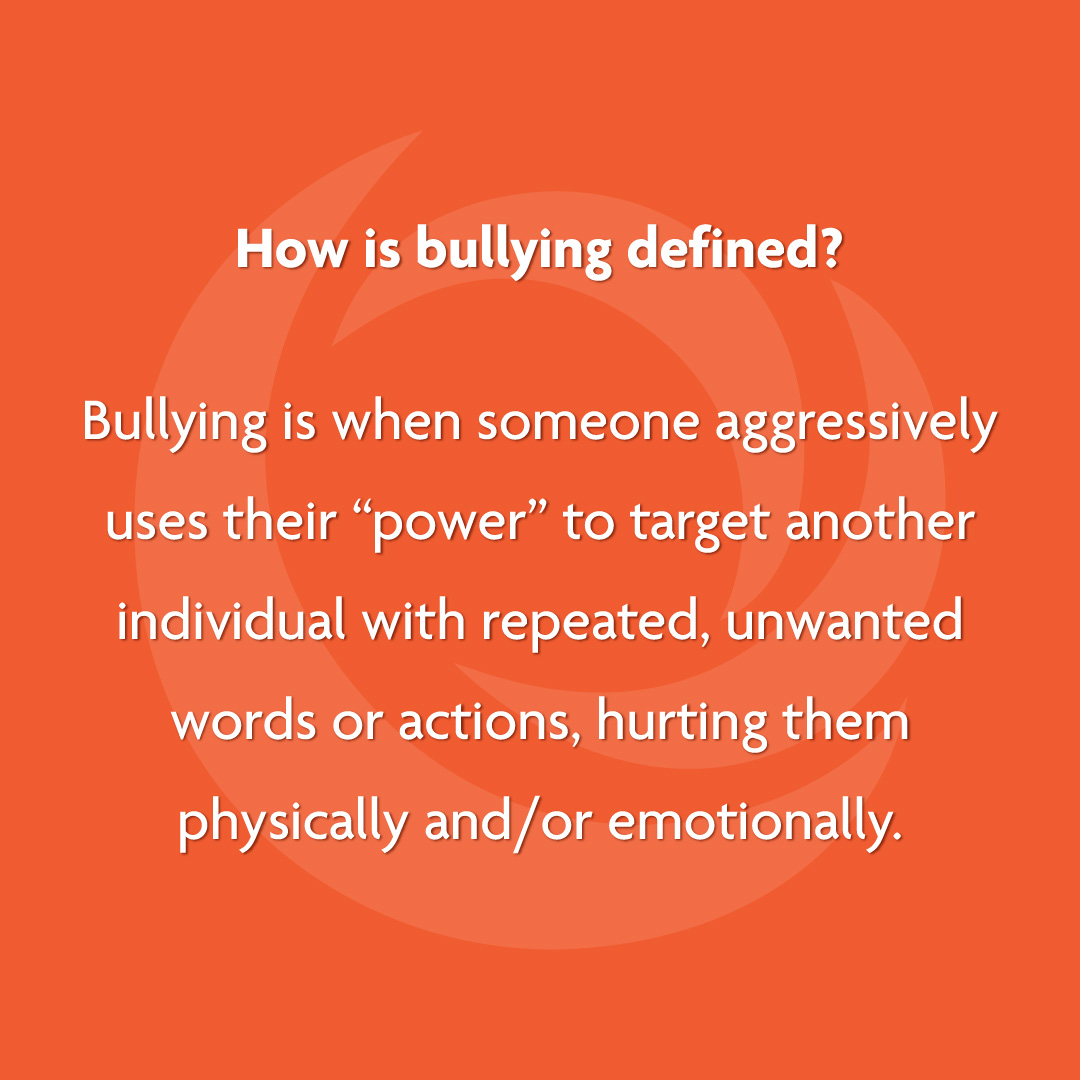
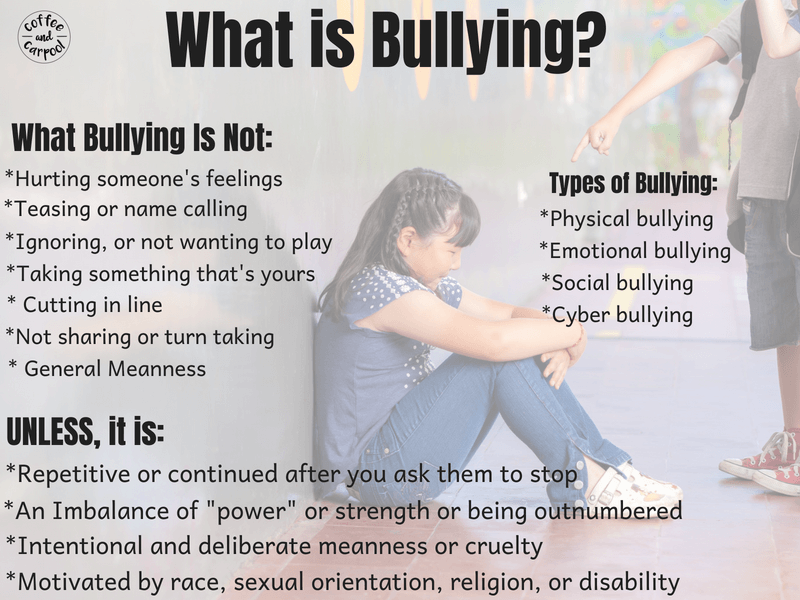
At its heart, bullying is characterized by a pattern of aggressive behavior that is intentional, repetitive, and involves an imbalance of power between the aggressor and the target. It’s not merely a disagreement or a single instance of conflict; it’s a deliberate and sustained effort to cause harm or distress.
Intentionality and Repetition
The key differentiator between bullying and everyday conflict lies in its intentionality and repetitive nature. A bully consciously chooses to act in a way that will hurt another person. This isn’t accidental; it’s a targeted effort to exert dominance or inflict suffering. Furthermore, bullying is not a one-off event. It typically occurs repeatedly over time, creating a sustained atmosphere of fear and intimidation for the victim. This repetition solidifies the power dynamic and amplifies the psychological impact. A single insult, while hurtful, might be a momentary lapse in judgment. However, a consistent barrage of insults, rumors, or exclusion creates a different, far more damaging reality for the target. The repetitive nature makes it difficult for the victim to escape the situation, as the aggression is ongoing and pervasive.
The Imbalance of Power
Another fundamental element of bullying is the power imbalance. This power can be physical, social, psychological, or even based on perceived popularity or authority. The bully often uses their perceived advantage to overpower, intimidate, or manipulate the victim. This imbalance makes it incredibly difficult for the victim to defend themselves or escape the situation. The power dynamic can be overt, such as a physically stronger child picking on a smaller one, or more subtle, such as a group ostracizing an individual. The bully feels empowered by their ability to control or influence the situation, while the victim feels vulnerable and helpless. This feeling of powerlessness is a critical component of the victim’s experience. Understanding this imbalance is vital, as interventions must aim to re-establish a more equitable dynamic or protect the vulnerable party.
The Impact on the Target
The impact of bullying on its targets can be devastating and far-reaching. Victims often experience a decline in self-esteem, increased anxiety and depression, social isolation, and a reluctance to engage in activities they once enjoyed. In severe cases, bullying can lead to academic difficulties, physical symptoms of stress, and even suicidal ideation. The psychological trauma can persist long into adulthood, affecting relationships, career prospects, and overall well-being. It’s important to recognize that the harm caused by bullying is not just superficial; it can deeply affect a person’s sense of self-worth and their ability to trust others. The constant stress and fear can manifest in physical ailments like headaches, stomachaches, and sleep disturbances. The emotional toll is often the most profound, leading to feelings of worthlessness, shame, and despair.
Common Manifestations of Bullying
Bullying is not a monolithic phenomenon; it takes on many forms, each with its own set of characteristics and damaging consequences. Recognizing these diverse manifestations is essential for identifying and addressing bullying effectively.
Verbal Bullying
Verbal bullying involves the use of words to hurt, demean, or intimidate another person. This can include name-calling, insults, teasing, derogatory remarks, threats, and spreading rumors. While seemingly less physically harmful than other forms, verbal bullying can be incredibly damaging to a person’s self-esteem and sense of identity. The constant barrage of negative comments can erode a person’s confidence and make them question their own worth. It can be particularly insidious when it targets a person’s insecurities, appearance, or background. The impact of verbal bullying can be amplified by the presence of an audience, as the humiliation is often performed for others, further isolating the victim. The words used can be sharp, cutting, and designed to inflict maximum emotional pain.
Physical Bullying
Physical bullying involves the use of force or aggression to harm or intimidate another person. This can include hitting, kicking, pushing, tripping, taking or breaking belongings, and unwanted physical contact. Physical bullying is often the most visible form of bullying, and its immediate consequences can be visible injuries, bruises, and damaged property. However, the psychological impact can be just as severe, if not more so, than the physical harm. The fear of physical reprisal can create a constant state of anxiety for the victim, making them feel unsafe even in seemingly secure environments. This can lead to avoidance behaviors, such as skipping school or social events, to escape the threat of physical harm. The violation of personal space and bodily autonomy is a deeply traumatizing experience.
Social or Relational Bullying
Social or relational bullying, also known as psychological bullying, targets a person’s social standing, relationships, or reputation. This can include exclusion from groups, spreading rumors or gossip, embarrassing someone publicly, manipulating friendships, and ostracizing an individual. This form of bullying is often more subtle and harder to detect, making it particularly challenging to address. It preys on the fundamental human need for belonging and acceptance. By isolating someone or damaging their reputation, relational bullies can inflict significant emotional pain and undermine their social connections. This can lead to profound feelings of loneliness, rejection, and worthlessness. The damage to a person’s social fabric can have long-lasting effects on their ability to form healthy relationships in the future.
Cyberbullying

In the digital age, bullying has expanded into the online realm, giving rise to cyberbullying. This involves using electronic communication to harass, threaten, or humiliate others. Cyberbullying can take many forms, including sending hurtful messages or threats, spreading rumors online, posting embarrassing photos or videos, impersonating someone online, and excluding someone from online groups. One of the most significant aspects of cyberbullying is its pervasive nature. Unlike traditional bullying, which might be confined to school or work, cyberbullying can happen anytime, anywhere, and the content can spread rapidly and reach a vast audience. This makes it incredibly difficult for victims to escape the harassment and can lead to a constant feeling of being watched and attacked. The anonymity that the internet can sometimes provide can embolden bullies to engage in more extreme behaviors.
The Motivations Behind Bullying Behavior
Understanding why individuals bully is a complex but crucial step in developing effective prevention strategies. The motivations are rarely singular and often stem from a combination of personal, social, and environmental factors.
Seeking Power and Control
A primary driver for bullying behavior is often a desire for power and control. Bullies may feel insecure, inadequate, or powerless in other areas of their lives and seek to assert dominance over others to compensate for these feelings. By making someone else feel smaller or weaker, they can temporarily boost their own sense of self-importance. This power dynamic provides them with a sense of agency and influence that they may feel they lack elsewhere. The act of bullying itself becomes a way to feel strong and in charge, even if that strength is derived from the suffering of another. This can be fueled by a need for validation, where they perceive that by being aggressive, they will gain respect or admiration from peers.
Insecurity and Low Self-Esteem
Paradoxically, many bullies suffer from their own insecurities and low self-esteem. They may project their own feelings of inadequacy onto others, believing that by tearing someone else down, they can elevate themselves. This can be a defense mechanism to avoid confronting their own vulnerabilities. They may not have developed healthy coping mechanisms for dealing with their own negative emotions, and aggression becomes their default response. This can be particularly evident in individuals who have been bullied themselves, creating a cycle of abuse. They learn that aggression can be a way to protect themselves, and then turn that learned behavior outward.
Learned Behavior and Social Norms
Bullying behavior can also be learned through observation and societal influences. If individuals grow up in environments where aggression and dominance are normalized or even rewarded, they are more likely to adopt these behaviors. This can occur within families, peer groups, or even through media portrayals that glamorize aggression. Witnessing bullying or experiencing it without consequence can send a message that such behavior is acceptable. Furthermore, social pressures to conform or fit in can lead individuals to participate in bullying, even if they have reservations, to avoid becoming targets themselves. The desire to belong can sometimes override their moral compass.
Lack of Empathy and Understanding
A significant factor contributing to bullying is a lack of empathy – the ability to understand and share the feelings of another. Individuals who struggle with empathy may not fully grasp the pain and suffering they are inflicting on their victims. This can be due to developmental factors, psychological conditions, or simply a lack of exposure to diverse perspectives. Without the ability to put themselves in the victim’s shoes, their actions can seem less harmful to them. This deficit in emotional intelligence makes it harder for them to recognize the distress they are causing and to modify their behavior accordingly.
The Profound Impact of Bullying on Individuals and Society
The consequences of bullying extend far beyond the immediate victim and aggressor, permeating families, schools, workplaces, and ultimately, society as a whole. Addressing bullying requires a collective effort to foster environments of respect, empathy, and inclusivity.
Long-Term Psychological and Emotional Scars
As mentioned earlier, the emotional and psychological damage inflicted by bullying can have enduring effects. Victims may struggle with trust issues, difficulty forming healthy relationships, and a persistent sense of anxiety or fear throughout their lives. The trauma can manifest as Post-Traumatic Stress Disorder (PTSD), depression, and other mental health challenges that require ongoing support and treatment. These scars are not always visible, but they can profoundly shape a person’s outlook on life and their capacity for happiness and fulfillment. The feeling of being fundamentally flawed or unworthy can linger for years.
Impact on Academic and Professional Performance
Bullying can significantly hinder a person’s ability to learn and thrive. In academic settings, victims may experience decreased concentration, absenteeism, and a decline in academic performance due to stress and fear. Similarly, in the workplace, bullying can lead to decreased productivity, job dissatisfaction, and increased employee turnover. The constant threat or experience of harassment creates a toxic environment that stifles creativity and collaboration. The fear of making mistakes or attracting negative attention can paralyze individuals, preventing them from reaching their full potential.
Societal Implications and the Cycle of Violence
On a broader societal level, unchecked bullying can contribute to a culture of aggression and intolerance. It normalizes harmful behaviors and can perpetuate cycles of violence and victimization. When bullying is not effectively addressed, it can send a message that such behavior is acceptable, leading to wider social problems. Creating a society where bullying is not tolerated requires education, open dialogue, and a commitment to fostering empathy and respect from an early age. It’s about building communities where everyone feels safe, valued, and empowered. The ripple effect of bullying can be felt across generations, impacting how individuals interact and treat each other.
aViewFromTheCave is a participant in the Amazon Services LLC Associates Program, an affiliate advertising program designed to provide a means for sites to earn advertising fees by advertising and linking to Amazon.com. Amazon, the Amazon logo, AmazonSupply, and the AmazonSupply logo are trademarks of Amazon.com, Inc. or its affiliates. As an Amazon Associate we earn affiliate commissions from qualifying purchases.