
The quest for crystal-clear, inviting swimming pool water often leads pool owners down a path of chemical understanding, and one name that frequently surfaces is bromine. While chlorine has long been the dominant player in pool sanitation, bromine has carved out a significant niche for itself, particularly among those seeking an alternative or complementary sanitizing agent. This article delves into the nature of bromine as a swimming pool disinfectant, exploring its chemical properties, advantages, disadvantages, and practical applications in maintaining a healthy and enjoyable aquatic environment.
The Chemistry of Bromine: A Powerful Oxidizer
At its core, bromine is a halogen, a group of elements known for their reactivity and potent oxidizing capabilities. Like chlorine, bromine’s primary function in a swimming pool is to act as a sanitizer, effectively killing harmful microorganisms such as bacteria, viruses, and algae. However, the way it achieves this and its behavior in water differ in subtle yet significant ways from its more ubiquitous counterpart.
Halogen Power: How Bromine Sanitizes
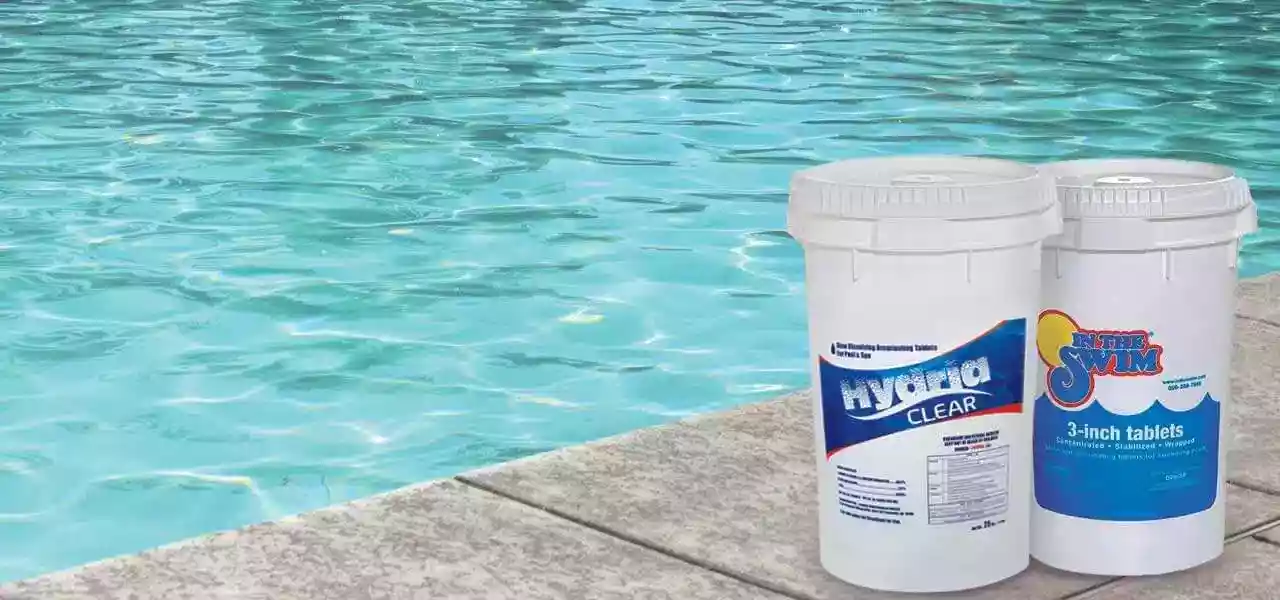
Bromine, represented by the chemical symbol Br, is a reddish-brown liquid at room temperature, though it is typically encountered in swimming pools in tablet or granular form. When introduced into water, bromine undergoes a hydrolysis reaction, forming hypobromous acid (HOBr). This hypobromous acid is the active sanitizing agent. Similar to hypochlorous acid (HOCl) formed from chlorine, hypobromous acid works by disrupting the cell walls of microorganisms, denaturing their proteins, and neutralizing their enzymes, ultimately leading to their destruction.
The efficacy of bromine as a sanitizer is well-established. It effectively controls a broad spectrum of waterborne pathogens, contributing to the overall hygiene and safety of the swimming pool. Its ability to maintain a residual sanitizer level in the water ensures ongoing protection against contamination.
Stability and Performance: Bromine’s Unique Characteristics
One of the key distinguishing features of bromine compared to chlorine lies in its performance across different pH levels. Chlorine’s effectiveness is significantly pH-dependent; as the pH of pool water rises, the concentration of hypochlorous acid decreases, and its sanitizing power diminishes. This often necessitates frequent pH adjustments to maintain optimal chlorine sanitation.
Bromine, on the other hand, demonstrates greater stability and efficacy in higher pH environments. Hypobromous acid remains a potent sanitizer even at pH levels where hypochlorous acid becomes considerably less effective. This makes bromine a more forgiving sanitizer when it comes to pH fluctuations, potentially reducing the need for constant chemical monitoring and adjustment. This characteristic is particularly beneficial in pools that experience significant bather load or are exposed to natural elements that can impact pH.
Furthermore, bromine is less prone to off-gassing than chlorine. Off-gassing, also known as chloramine formation, is a process where chlorine reacts with organic contaminants (like sweat, urine, and lotions) to form volatile compounds that can cause eye and respiratory irritation. While bromine can also form bromamines, they are generally more stable and less volatile, leading to a more pleasant swimming experience for many individuals.
Advantages of Using Bromine in Swimming Pools
The appeal of bromine as a pool sanitizer stems from a combination of its performance characteristics and user experience benefits. For many pool owners, these advantages outweigh the potential drawbacks, making it a preferred choice for water care.
Gentler on Skin and Eyes: A Softer Sanitizing Experience
A significant draw for many pool owners is bromine’s reputation for being gentler on swimmers’ skin and eyes compared to chlorine. While chlorine can sometimes lead to dryness, itching, and redness, bromine is often perceived as being less irritating. This is largely attributed to the reduced formation of volatile bromamines, as mentioned earlier. The absence of strong, lingering odors often associated with chlorine sanitation also contributes to a more pleasant sensory experience for swimmers. This makes bromine a particularly attractive option for public pools, spas, and for individuals with sensitive skin or respiratory conditions.
Effectiveness in Higher Temperatures: A Spa-Friendly Solution
Bromine’s stability in higher temperatures is another crucial advantage, especially for applications beyond traditional swimming pools. Spas and hot tubs, which operate at elevated temperatures, are prime candidates for bromine sanitation. In hot water, chlorine can break down more rapidly, diminishing its sanitizing efficacy and increasing its propensity for off-gassing. Bromine, conversely, maintains its sanitizing power more effectively at these higher temperatures. This ensures consistent and reliable disinfection in the demanding environment of a spa, providing peace of mind for users.
Resistance to UV Degradation: Extended Sanitizing Power
Ultraviolet (UV) radiation from sunlight can be a significant factor in the degradation of sanitizers. Chlorine, in particular, is susceptible to UV breakdown, meaning that a portion of the free chlorine in the pool can be rendered ineffective by direct sunlight. While stabilizers like cyanuric acid are used to mitigate this in chlorine pools, bromine exhibits a greater inherent resistance to UV degradation. This means that bromine can maintain its sanitizing residual for longer periods when exposed to sunlight, offering a more sustained level of disinfection without requiring as frequent replenishment due to UV loss.
Disadvantages and Considerations of Bromine Pools
Despite its compelling advantages, bromine is not without its drawbacks, and understanding these is crucial for making an informed decision about its use in a swimming pool. The cost, potential for staining, and specific testing requirements are important factors to consider.
Cost: A Higher Initial Investment
Generally speaking, bromine is a more expensive sanitizer than chlorine on a per-pound basis. The initial cost of purchasing bromine tablets or granules can be higher than that of their chlorine counterparts. This increased expense needs to be factored into the overall budget for pool maintenance. While the cost difference might seem significant upfront, some pool owners find that the longevity and efficacy of bromine, particularly in specific conditions like hot tubs, can partially offset this higher initial investment over time. However, for large-volume swimming pools, the cost can become a more substantial consideration.
Potential for Staining and Material Interactions
Bromine, especially in higher concentrations or if not properly managed, can have a corrosive effect on certain pool materials and can contribute to staining. While less common than with some forms of chlorine, prolonged exposure to bromine, particularly in very high concentrations or with poor water balance, can etch plaster surfaces, damage vinyl liners, and corrode metal components like ladders and fixtures. This underscores the importance of maintaining proper water chemistry and following recommended dosage guidelines to prevent potential damage to the pool structure and equipment.
Testing and Monitoring: Specific Requirements
Testing pool water for bromine requires different test strips or reagents than those used for chlorine. Standard chlorine test kits will not accurately measure bromine levels. Pool owners will need to invest in specific bromine test kits to monitor the concentration of active bromine and ensure it remains within the recommended range for effective sanitation. Similarly, the target residual levels for bromine may differ from those for chlorine, and understanding these specific parameters is essential for proper water management.
Implementing Bromine for Pool Sanitation: Practical Applications
Successfully utilizing bromine in a swimming pool involves understanding the different forms it comes in, the recommended dosage, and how to integrate it into a comprehensive water care routine.
Forms of Bromine: Tablets, Granules, and Brominators
Bromine is available in several convenient forms for swimming pool use. The most common are:
- Bromine Tablets: These are slow-dissolving tablets that are typically placed in a floating dispenser or, more commonly, in an inline or offline chemical feeder (brominator). The feeder dissolves the tablets gradually, releasing bromine into the water to maintain a consistent sanitizing level.
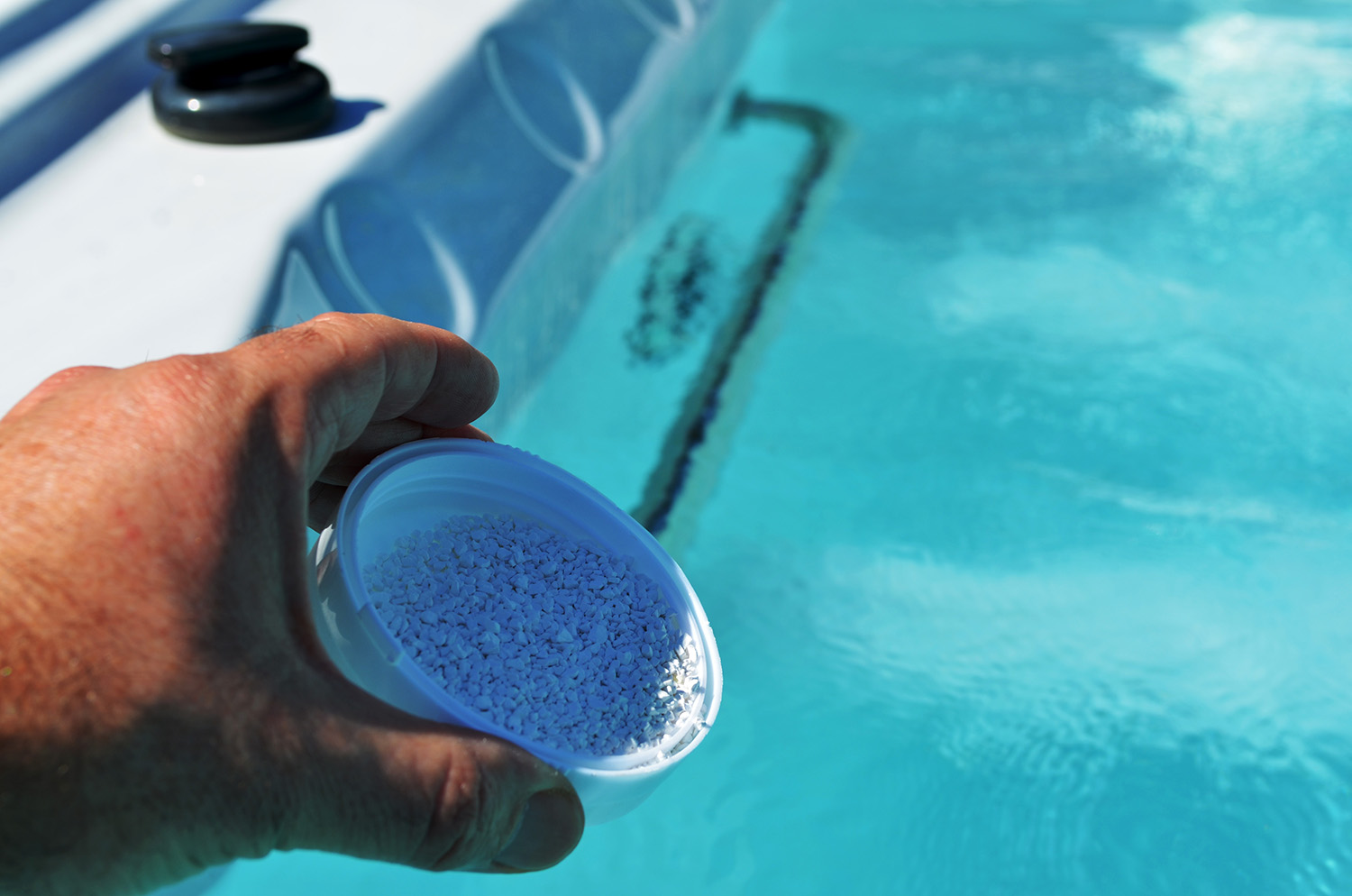
- Bromine Granules: These are fast-dissolving granules that can be used for initial shock treatments or to quickly raise bromine levels when needed. They are typically dissolved in a bucket of water before being broadcast into the pool.
- Liquid Bromine: Less commonly used for residential pools, liquid bromine is typically used in commercial applications and requires specialized handling and dosing equipment.
The choice of form often depends on the pool size, the user’s preference for automated dosing versus manual application, and the desired speed of action.
Dosage and Maintenance: Achieving the Right Balance
The recommended dosage of bromine will vary depending on the size of the pool, the bather load, and environmental conditions. As a general guideline, maintaining a free bromine residual of 1-3 parts per million (ppm) is typically recommended for swimming pools. For spas and hot tubs, the recommended level may be slightly higher, often in the range of 2-4 ppm, due to the elevated temperatures and increased potential for contamination.
Regular testing is paramount. Pool owners should test their water at least two to three times per week to ensure the bromine levels are within the desired range. Beyond bromine levels, it’s also essential to monitor and maintain other key water chemistry parameters, including pH, total alkalinity, and calcium hardness. The ideal pH range for bromine pools is slightly higher than for chlorine pools, typically between 7.2 and 7.8, to maximize the efficacy of hypobromous acid.

Bromine vs. Chlorine: Making the Right Choice
The decision between using bromine and chlorine often comes down to individual priorities and circumstances. For those who experience skin or eye irritation with chlorine, or who own a spa or hot tub, bromine presents a compelling alternative. Its stability in higher temperatures and relative resistance to UV degradation can offer significant benefits.
However, if cost is a primary concern, or if a pool is consistently well-maintained with a focus on precise pH control, chlorine may be a more economical and effective choice. Many pool owners also opt for a hybrid approach, using chlorine as their primary sanitizer and bromine as a supplementary or shock treatment, or vice versa. Ultimately, understanding the unique properties and requirements of each sanitizer allows pool owners to make an informed decision that best suits their needs and ensures a safe, clean, and enjoyable swimming experience.
aViewFromTheCave is a participant in the Amazon Services LLC Associates Program, an affiliate advertising program designed to provide a means for sites to earn advertising fees by advertising and linking to Amazon.com. Amazon, the Amazon logo, AmazonSupply, and the AmazonSupply logo are trademarks of Amazon.com, Inc. or its affiliates. As an Amazon Associate we earn affiliate commissions from qualifying purchases.