
In the modern landscape of personal finance and professional branding, the “Brazilian hair treatment”—often referred to interchangeably with keratin treatments or Brazilian blowouts—represents far more than a simple salon service. It is a cornerstone of a multi-billion dollar global hair care economy. For the consumer, it is a strategic investment in personal presentation and time management. For the professional, it is a high-margin revenue engine that fuels the growth of salons and independent side hustles alike. Understanding what a Brazilian hair treatment is requires looking past the chemical process and into the financial dynamics that have made it one of the most resilient services in the beauty industry.

Understanding the Financial Anatomy of Brazilian Hair Treatments
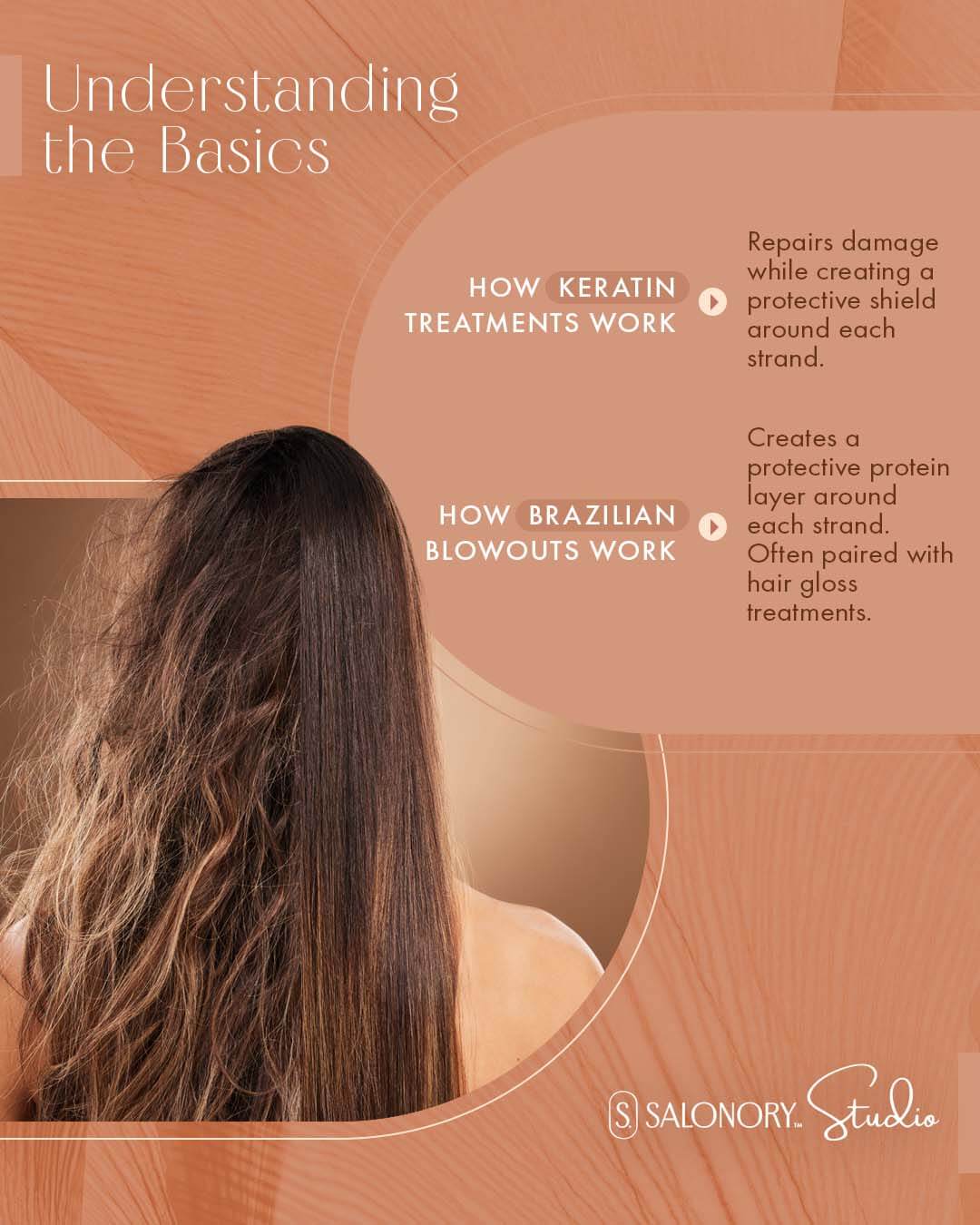
At its core, a Brazilian hair treatment is a liquid protein formula that bonds to the hair shaft, creating a protective layer that eliminates frizz and smooths the cuticle. While the scientific community views it as a chemical feat of engineering, the financial world views it as a premium service with a high price floor and consistent recurring demand.
The Consumer Cost Breakdown
For the average consumer, the initial “What is it?” often translates immediately to “What does it cost?” On average, a professional Brazilian hair treatment ranges from $200 to $500 per session. This price is influenced by several variables: the geographic location of the salon, the expertise level of the technician, and the length or density of the client’s hair.
Unlike standard haircuts or color services, the Brazilian treatment is labor-intensive and requires specialized equipment, such as titanium-plated flat irons capable of maintaining 450 degrees Fahrenheit. When budgeting for this service, a savvy consumer must view it as a quarterly expense. Because the results typically last between 12 and 16 weeks, an individual committed to this grooming standard is looking at an annual investment of $800 to $2,000.
The Hidden Value Proposition: Time vs. Money
In the realm of personal finance, time is a non-renewable currency. This is where the Brazilian hair treatment offers its most significant return on investment (ROI). The average person with frizz-prone hair may spend 30 to 45 minutes daily on heat styling and maintenance. A successful treatment can reduce that daily styling time by up to 60%.
When translated into economic terms, saving 20 minutes a day equates to roughly 120 hours saved annually. For a professional whose hourly rate or “opportunity cost” is significant, the $300 spent every few months is easily offset by the gain in productivity and the reduction in the “beauty tax”—the social and professional cost associated with maintaining a polished appearance.
The Salon Business Perspective: High-Margin Revenue Streams
From the viewpoint of business finance, the Brazilian hair treatment is a “hero product.” It is a service that maximizes the revenue generated per square foot of salon space. While a standard haircut might take 45 minutes and yield $60, a Brazilian treatment can take two hours and yield $350.
Profitability Metrics for Stylists
The gross margin on these treatments is exceptionally high. The product cost—the actual keratin solution used per client—typically ranges from $15 to $30. When you factor in utility costs and the amortization of tools, the primary expense remains the stylist’s labor.
For salon owners, the goal is to shift the service mix toward high-ticket items like Brazilian treatments. These services allow a salon to achieve its daily revenue targets with fewer clients, reducing the administrative burden of booking and front-desk management. In a high-inflation environment, the ability to offer a premium service that justifies a higher price point is essential for maintaining healthy profit margins.
Customer Retention and Lifetime Value (LTV)
The most valuable asset in the beauty business is the “sticky” client. Brazilian hair treatments have a built-in retention mechanism. Because the treatment washes out gradually over three to four months, it creates a natural re-booking cycle.
When a stylist successfully performs a Brazilian treatment, the Lifetime Value (LTV) of that client increases exponentially. Not only does the client return for the treatment itself, but they also become a captive audience for high-margin retail products. These treatments require sulfate-free, sodium chloride-free shampoos and conditioners to maintain the results. By bundling the service with these retail products, salons can increase the total transaction value by an additional 15% to 20%.

Scaling a Specialty Side Hustle: Certification and Income Potential
One of the most compelling aspects of the Brazilian hair treatment market is the opportunity for individual income growth. For licensed cosmetologists, specializing in this niche can transform a standard career into a lucrative side hustle or a specialized boutique business.
Low-Overhead Business Models
The barrier to entry for providing this service, once licensed, is relatively low compared to opening a full-service salon. A professional can become certified by specific brands (such as Brazilian Blowout or GKhair) for a few hundred dollars.
Because the treatment requires minimal water usage and no traditional “sinks” after the initial wash, it is an ideal candidate for mobile services or “salon suite” models. A mobile technician performing just two treatments a weekend can generate an extra $2,000 to $3,000 in monthly gross income. After subtracting the costs of travel and product, the net profit remains substantially higher than most other freelance or gig-economy roles.
Marketing Your Expertise
In the digital age, personal branding is a financial tool. Stylists who use social media to showcase “before and after” results of Brazilian treatments are engaging in a highly effective form of content marketing. Because the visual transformation is so dramatic—turning unmanageable frizz into glass-like shine—the “social proof” is easy to generate. This allows specialists to command premium pricing and move away from the price-war competition of budget salons.
Market Outlook and Investment Potential in the Hair Care Sector
For those looking at the broader financial landscape, the hair treatment sector represents a resilient area of the consumer discretionary market. Even during economic downturns, the “Lipstick Effect” suggests that consumers continue to spend on small luxuries that provide high emotional and aesthetic impact.
The Global Keratin Market Growth
Market research indicates that the global keratin hair treatment market is projected to grow at a Compound Annual Growth Rate (CAGR) of over 4% through the next decade. This growth is driven by increasing disposable income in emerging markets and the expansion of the “clean beauty” segment.
Investors are increasingly looking at companies that develop the next generation of bond-building technology. As the science evolves from formaldehyde-based formulas to safer, plant-based or synthetic protein technologies, the companies that hold these patents are positioned for significant capital appreciation.
Risks and Regulatory Impact on Financial Viability
No financial analysis is complete without a discussion of risk. The Brazilian hair treatment industry has faced regulatory scrutiny due to the presence of formaldehyde or formaldehyde-releasing chemicals in some formulas. For a business owner, this represents a liability risk.
The financial impact of a regulatory ban in certain jurisdictions can be devastating for salons that have built their entire business model around a specific chemical formula. Therefore, a sound financial strategy involves diversifying the service menu and investing in the “tech” of newer, safer smoothing alternatives. Businesses that stay ahead of the regulatory curve by adopting “formaldehyde-free” branding early often capture a larger share of the health-conscious market, which is a demographic with higher-than-average spending power.
Financial Planning for Professional Grooming
Ultimately, the question of “what is a Brazilian hair treatment” is best answered by its role in a modern financial plan. It is a tool for professional enhancement and a significant category in the “personal maintenance” budget.
For the professional seeking to maximize their income, it is a high-yield skill set that offers low overhead and high demand. For the consumer, it is a calculated expense that buys back time and ensures consistent personal branding. In both cases, the Brazilian hair treatment stands as a testament to the profitability of the intersection between chemistry and commerce. By treating hair care as a strategic asset rather than a frivolous expense, both providers and consumers can better navigate the economics of the beauty industry.
aViewFromTheCave is a participant in the Amazon Services LLC Associates Program, an affiliate advertising program designed to provide a means for sites to earn advertising fees by advertising and linking to Amazon.com. Amazon, the Amazon logo, AmazonSupply, and the AmazonSupply logo are trademarks of Amazon.com, Inc. or its affiliates. As an Amazon Associate we earn affiliate commissions from qualifying purchases.