
In the modern marketplace, the distinction between a commodity and a brand product is the difference between a transaction and a relationship. While a product is a tangible item or service designed to fulfill a functional need, a brand product is that same item infused with a specific identity, a set of values, and a promise to the consumer. It is the result of strategic alchemy where utility meets emotion, transforming a generic object into a recognizable symbol of trust and lifestyle.
Understanding what a brand product is requires looking beyond the physical attributes of what is being sold. It involves examining the psychological layers that influence why a consumer will choose one bottle of water over another, or why they will wait in line for hours for a specific smartphone when several cheaper alternatives exist. A brand product is not just what you buy; it is what that purchase says about you and the company that created it.
The Anatomy of a Brand Product: Beyond Functional Utility
To grasp the concept of a brand product, one must first dismantle the layers that compose it. At its core, every product has a functional purpose—a car provides transportation, a watch tells time, and a soap cleanses the skin. However, once that product enters the realm of branding, it acquires several critical layers that elevate it from a mere commodity.
The Value Proposition and Emotional Resonance
The most successful brand products do more than solve a problem; they offer a specific value proposition that resonates with the consumer’s self-image or aspirations. A brand product carries an emotional weight. When a consumer purchases a Patagonia jacket, they are not just buying weather protection; they are investing in environmental activism and the “great outdoors” ethos. This emotional resonance is the cornerstone of a brand product, turning a utility-driven purchase into an identity-driven one.
Visual Identity and Sensory Cues
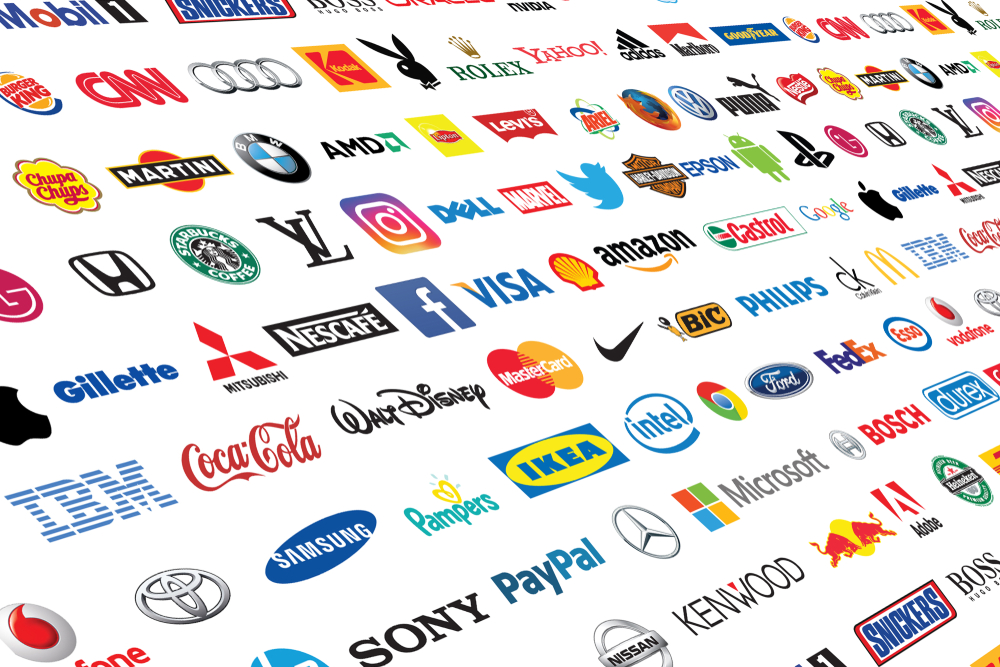
A brand product is immediately recognizable through its visual and sensory signatures. This includes the logo, the color palette, the typography, and even the tactile feel of the packaging. These elements serve as a shorthand for the brand’s entire history and reputation. For example, the specific “Tiffany Blue” box or the unique scent of a high-end hotel lobby are integral parts of the brand product. These cues trigger instant recognition and set expectations for the quality of the experience that follows.
The Promise of Consistency
One of the defining features of a brand product is the guarantee of consistency. When a product is branded, the manufacturer is putting their reputation on the line. A consumer buys a brand product because they know exactly what to expect, regardless of where or when they buy it. This reliability reduces the “perceived risk” of the purchase. A Starbucks latte in Tokyo should taste fundamentally the same as one in New York. This consistency is the foundation of brand equity, creating a reliable loop of expectation and fulfillment.
How Brand Products Create Competitive Advantages
In a crowded market, the “brand” aspect of a product acts as a powerful competitive moat. Companies that successfully transition from selling products to selling brand products enjoy several strategic advantages that generic competitors cannot replicate.
Price Elasticity and the Premium Factor
One of the most tangible benefits of a brand product is the ability to command a higher price point. Because brand products offer emotional value and social signaling, they are less sensitive to price fluctuations. Consumers are often willing to pay a “brand premium” because they perceive the product as being of higher quality, even if the functional differences are minimal. This price elasticity allows branded companies to maintain healthier margins and reinvest in further innovation and marketing.
Customer Loyalty and the Lifetime Value
Generic products are easily replaced by whatever is cheapest or most convenient at the moment. Brand products, however, foster loyalty. When a consumer identifies with a brand, they become part of a community. This loyalty transforms a one-time buyer into a brand advocate who will repeatedly choose that product over competitors. High brand loyalty significantly increases the Lifetime Value (LTV) of a customer, making the cost of acquisition much more efficient over the long term.
Market Positioning and Differentiation
A brand product allows a company to claim a specific “territory” in the mind of the consumer. This is known as positioning. Volvo is positioned as “safety,” while Ferrari is positioned as “performance” and “exclusivity.” By focusing on a specific niche or attribute, a brand product avoids the “race to the bottom” that characterizes generic markets. It creates its own category, making direct comparisons with competitors more difficult and less relevant to the loyalist.
The Strategic Process: Developing a Brand Product

Creating a brand product is not an accidental occurrence; it is the result of a deliberate and rigorous strategic process. It requires a deep understanding of the target audience and a clear vision of the brand’s role in the world.
Research and Archetypal Alignment
The development of a brand product begins with market research that goes beyond demographics to psychographics. Who is the customer? What do they fear? What do they aspire to be? Once the audience is understood, the product is often aligned with a “brand archetype”—a universal character type such as the Hero, the Rebel, or the Caregiver. This alignment helps ensure that the product’s messaging and personality are coherent and relatable.
Storytelling and Narrative Arc
Every brand product needs a story. This narrative might be about the founder’s struggle, the purity of the ingredients, or the revolutionary technology behind the design. Storytelling humanizes the product and provides a hook for the consumer’s imagination. A product with a story is no longer an object; it is a chapter in the consumer’s own life story. This narrative must be woven into every touchpoint, from social media ads to the “unboxing” experience.
The Integration of Design and Function
In a true brand product, design is not an afterthought; it is an essential function. The aesthetic of the product must reflect the brand’s core values. If a brand stands for “minimalism,” the product’s interface and physical design must be stripped of all unnecessary elements. This harmony between what the product does and how it looks reinforces the brand’s authenticity. Apple is perhaps the most famous example of this, where the hardware and software are inseparable from the brand’s identity of “thinking different.”
Brand vs. Generic: The Psychology of Choice
To understand the power of the brand product, one must look at the psychological drivers behind consumer behavior. Humans are not always rational actors; our choices are often dictated by heuristics—mental shortcuts that help us navigate a world of infinite choices.
Trust and the Reduction of Cognitive Load
The modern world suffers from “choice overload.” A grocery store may stock thirty different types of laundry detergent. Choosing the “best” one based on a technical analysis of ingredients would be exhausting. A brand product serves as a shortcut. By choosing a trusted brand, the consumer reduces their cognitive load. They trust that the brand has already done the quality control for them. In this sense, a brand is a “shorthand for quality.”
Status Signaling and Social Belonging
Brand products often serve as “positioning goods.” These are items that signal the owner’s status, wealth, or social affiliations. Whether it is a Supreme hoodie or a Tesla, the product acts as a badge. Humans are social creatures with an innate desire to belong to specific tribes. By choosing certain brand products, individuals communicate their values and status to the world, fulfilling a deep-seated social need that a generic product simply cannot address.
The Future of Brand Products in a Digital and Ethical Landscape
The concept of the brand product is currently undergoing a massive transformation driven by digital connectivity and a shift in consumer values. The brands of the future are moving away from top-down broadcasting toward more interactive and socially conscious models.
Personalization and the “Segment of One”
Advances in data and manufacturing are allowing brand products to become increasingly personalized. No longer is a brand product a “one size fits all” proposition. From custom-blended skincare to personalized sneakers, the brand product of the future is co-created with the consumer. This level of personalization deepens the bond between the brand and the individual, making the product feel uniquely theirs.
Sustainability and the Ethical Brand Product
Modern consumers, particularly younger generations, are increasingly scrutinizing the ethics behind the products they buy. A brand product is now judged not just on its performance, but on its impact on the planet and society. Transparency in the supply chain, fair labor practices, and eco-friendly materials are becoming core components of the brand promise. A product that fails this ethical test risks losing its brand status, regardless of its functional quality.
Community-Driven Branding
The digital age has enabled the rise of community-driven brand products. These are brands that grow out of online communities, where the members have a direct say in product development and brand direction. In this model, the “brand” is a shared asset between the company and its followers. This creates an unprecedented level of advocacy and resilience, as the consumers feel a sense of ownership over the brand product’s success.
In conclusion, a brand product is the ultimate evolution of a commercial offering. It is a sophisticated blend of quality, design, storytelling, and psychological resonance. By moving beyond the functional and into the emotional, brand products create lasting value for both the company and the consumer, turning the act of buying into an act of self-expression and trust.
aViewFromTheCave is a participant in the Amazon Services LLC Associates Program, an affiliate advertising program designed to provide a means for sites to earn advertising fees by advertising and linking to Amazon.com. Amazon, the Amazon logo, AmazonSupply, and the AmazonSupply logo are trademarks of Amazon.com, Inc. or its affiliates. As an Amazon Associate we earn affiliate commissions from qualifying purchases.