
In the landscape of global organizations, few entities demonstrate the level of brand cohesion and institutional consistency found within the Seventh-day Adventist (SDA) movement. To answer the question of “what are Seventh-day Adventists” from a brand strategy perspective, one must look past the theological foundations and examine the sophisticated corporate identity, international marketing presence, and diversified service portfolio that characterizes this multi-billion-dollar global entity. From a strategic standpoint, the SDA organization functions as a master brand that oversees an expansive network of healthcare systems, educational institutions, and media conglomerates, all unified by a singular vision and a highly controlled visual identity system.

The Architecture of a Global Identity: Unified Brand Standards
At its core, the Seventh-day Adventist organization is a masterclass in brand architecture. Managing an identity across more than 200 countries requires a balance between centralized control and local relevance. The organization achieved this through a comprehensive rebranding initiative that standardized its visual and verbal communications on a global scale.
The Visual Identity System
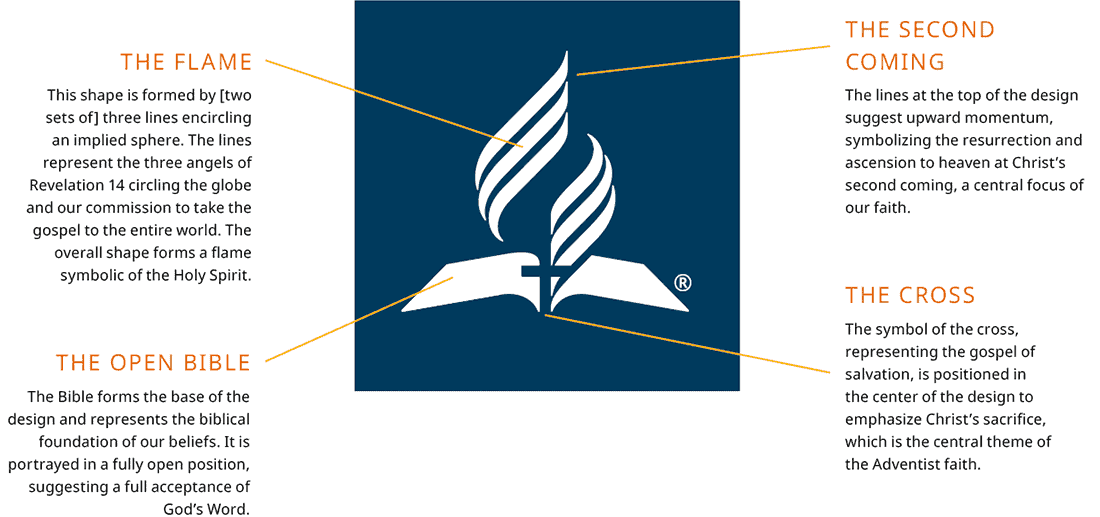
The SDA brand is anchored by a specific visual identity system (VIS) that dictates everything from logo placement to typography. The official logo—a stylized image featuring an open Bible, a cross, and three ascending flames representing the “three angels’ messages”—is not merely a religious symbol but a corporate trademark. In the late 1990s and again in 2017, the organization underwent significant brand audits to ensure that this logo was used consistently across its thousands of world divisions.
The introduction of “Advent Sans,” a proprietary typeface, further solidified this corporate identity. By creating a custom font, the organization ensured that its message remains recognizable regardless of the language it is printed in. This level of detail in brand guidelines is typically reserved for Fortune 500 companies, yet it is fundamental to how the SDA movement maintains its institutional authority.
Global Cohesion in a Decentralized Structure
The “what” of Seventh-day Adventism is defined by a decentralized structure that nonetheless adheres to a “One Brand” philosophy. The organization is divided into Divisions, Unions, and Conferences, yet the branding remains remarkably consistent. This is achieved through a centralized Brand Resource Center, which provides marketing materials, social media templates, and communication protocols to local entities. This ensures that a hospital in Florida, a school in Kenya, and a publishing house in Brazil all project a unified image of reliability, health consciousness, and community service.
The Healthcare Sub-Brand: Leveraging Health as a Value Proposition
One of the most significant components of the Seventh-day Adventist brand is its dominance in the global healthcare market. For the SDA organization, healthcare is more than a service; it is a “brand pillar” that differentiates it from other global movements.
AdventHealth and the Blue Zones Association
In the United States, the SDA brand is most visible through AdventHealth, one of the largest non-profit, faith-based health systems in the country. From a marketing perspective, AdventHealth serves as a “halo brand” for the organization. By associating the SDA identity with cutting-edge medical technology and patient-centric care, the organization builds significant brand equity with the general public.
The brand has also successfully capitalized on the “Blue Zones” research, which identifies regions of the world where people live the longest. Loma Linda, California—a community with a high density of Adventists—is the only Blue Zone in North America. The SDA brand has masterfully integrated this longevity data into its marketing narrative, positioning itself as a leader in preventative medicine and lifestyle management. This “longevity brand” is a powerful differentiator in the wellness industry, allowing the organization to transcend traditional religious boundaries and appeal to a health-conscious secular audience.
Market Positioning through Holistic Wellness
The SDA brand strategy revolves around a “whole-person” approach. This is not just a philosophical stance but a strategic positioning move. By focusing on the “Body, Mind, and Spirit” triad, the brand occupies a unique space in the market that combines the clinical authority of a medical institution with the community support of a social organization. This holistic positioning allows them to market services ranging from nutrition programs and fitness centers to mental health clinics and spiritual counseling, all under one cohesive brand umbrella.

Educational and Publishing Networks: Content Marketing at Scale
To understand the scope of the SDA brand, one must analyze its massive content marketing apparatus. Long before “content marketing” became a buzzword in the tech and business sectors, the Seventh-day Adventist organization was using publishing and media to build brand awareness and loyalty.
The Role of Hope Channel and Global Media
The Hope Channel is the flagship of the SDA media portfolio. Operating as a global television network, it functions as a primary top-of-funnel marketing tool. The programming is designed to be high-quality and professional, competing with secular lifestyle networks. The strategy here is “attractional branding”—producing content that focuses on health, family life, and education to draw viewers into the ecosystem.
This media presence is supported by a robust digital strategy. The organization has invested heavily in app development, streaming services, and multi-language social media campaigns. By maintaining a high “share of voice” in the digital religious and wellness space, the SDA brand ensures that its values and messaging are consistently in front of a global audience.
Institutional Credibility and Academic Branding
With over 9,000 schools and universities worldwide, the SDA organization operates one of the largest unified educational systems in the world. From a brand perspective, these institutions serve as “incubators” for the brand’s future leaders and as “trust signals” for the general public.
Loma Linda University and Andrews University, for instance, carry significant brand weight in the academic and scientific communities. By producing high-tier research—particularly in the fields of nutrition and public health—these institutions lend academic credibility to the overarching brand. This creates a “virtuous cycle” where the academic prestige of the schools reinforces the institutional trust of the hospitals, which in turn strengthens the global reputation of the organization.
Crisis Management and Long-term Brand Sustainability
A brand that spans over 160 years and operates in virtually every country must be adept at crisis management and adaptive strategy. The SDA organization has demonstrated a sophisticated ability to navigate cultural shifts while maintaining its core brand promise.
Navigating Cultural Shifts
As global demographics shift and consumer expectations change, the SDA brand has had to evolve. This is particularly evident in its “Generation Next” initiatives, which focus on rebranding the organization’s traditional image to appeal to Millennials and Gen Z. This involves a shift toward more minimalist design, a focus on social justice and environmental sustainability, and a move toward digital-first engagement.
The brand has also had to manage its image in the face of internal and external controversies. Their approach to crisis communication typically involves a centralized response from the General Conference’s Communication Department, ensuring that all regional branches remain “on message.” This centralized control prevents brand dilution and helps contain potential PR damage.
Future-Proofing the Corporate Image
The future of the SDA brand lies in its ability to integrate technology with its traditional focus on health and education. We are seeing an increased investment in “AdTech” within the organization—using data analytics to better understand the needs of their global “customer base” (the membership) and to target their outreach efforts more effectively.
Moreover, the brand is increasingly positioning itself as a partner in global public health. By collaborating with organizations like the World Health Organization (WHO) on health initiatives, the SDA brand elevates its status from a private entity to a global stakeholder in human well-being. This strategic alignment with international NGOs further reinforces the brand’s image as a credible, professional, and indispensable global player.
In conclusion, “what are Seventh-day Adventists” is a question that can be answered through the lens of a highly successful, diversified global brand. Through rigorous visual standards, a dominant presence in the healthcare and education sectors, and a sophisticated media strategy, the organization has built an institutional identity that is both resilient and recognizable. By focusing on health as a core value proposition and maintaining a unified global voice, the SDA movement has established itself as a premier example of how to manage a complex, multi-faceted brand in the 21st century.
aViewFromTheCave is a participant in the Amazon Services LLC Associates Program, an affiliate advertising program designed to provide a means for sites to earn advertising fees by advertising and linking to Amazon.com. Amazon, the Amazon logo, AmazonSupply, and the AmazonSupply logo are trademarks of Amazon.com, Inc. or its affiliates. As an Amazon Associate we earn affiliate commissions from qualifying purchases.