
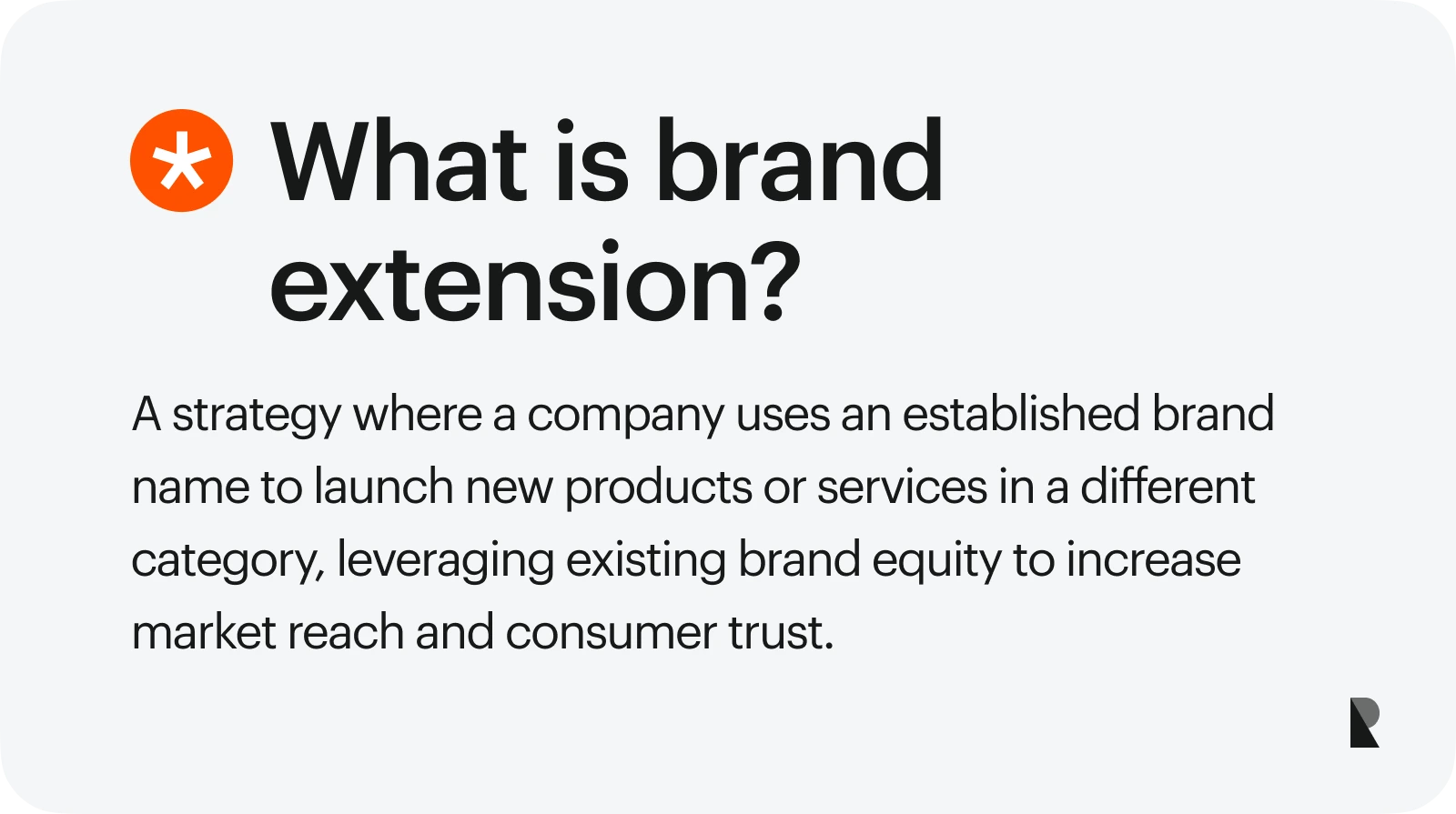
In the modern marketplace, a brand is far more than just a logo or a name; it is a promise of quality, a set of values, and an emotional connection with the consumer. Once a company has successfully established this bond through a flagship product, the natural progression for growth often leads to brand extension. Brand extension is a marketing strategy where a firm uses an established brand name to introduce a new product or service in a different category.
The logic behind this strategy is rooted in the concept of brand equity. When consumers trust a brand, they are more likely to try new offerings from that same brand, assuming the quality and reliability will remain consistent. However, brand extension is a high-stakes game. Executed correctly, it can lead to exponential growth; executed poorly, it can dilute the brand’s core identity and alienate loyal customers.
Understanding the Core Concept of Brand Extension
At its heart, brand extension is about leverage. Companies invest years and millions of dollars into building “brand equity”—the commercial value derived from consumer perception of the brand name. Brand extension seeks to harvest this equity by applying it to new territories.
Defining Brand Extension vs. Line Extension
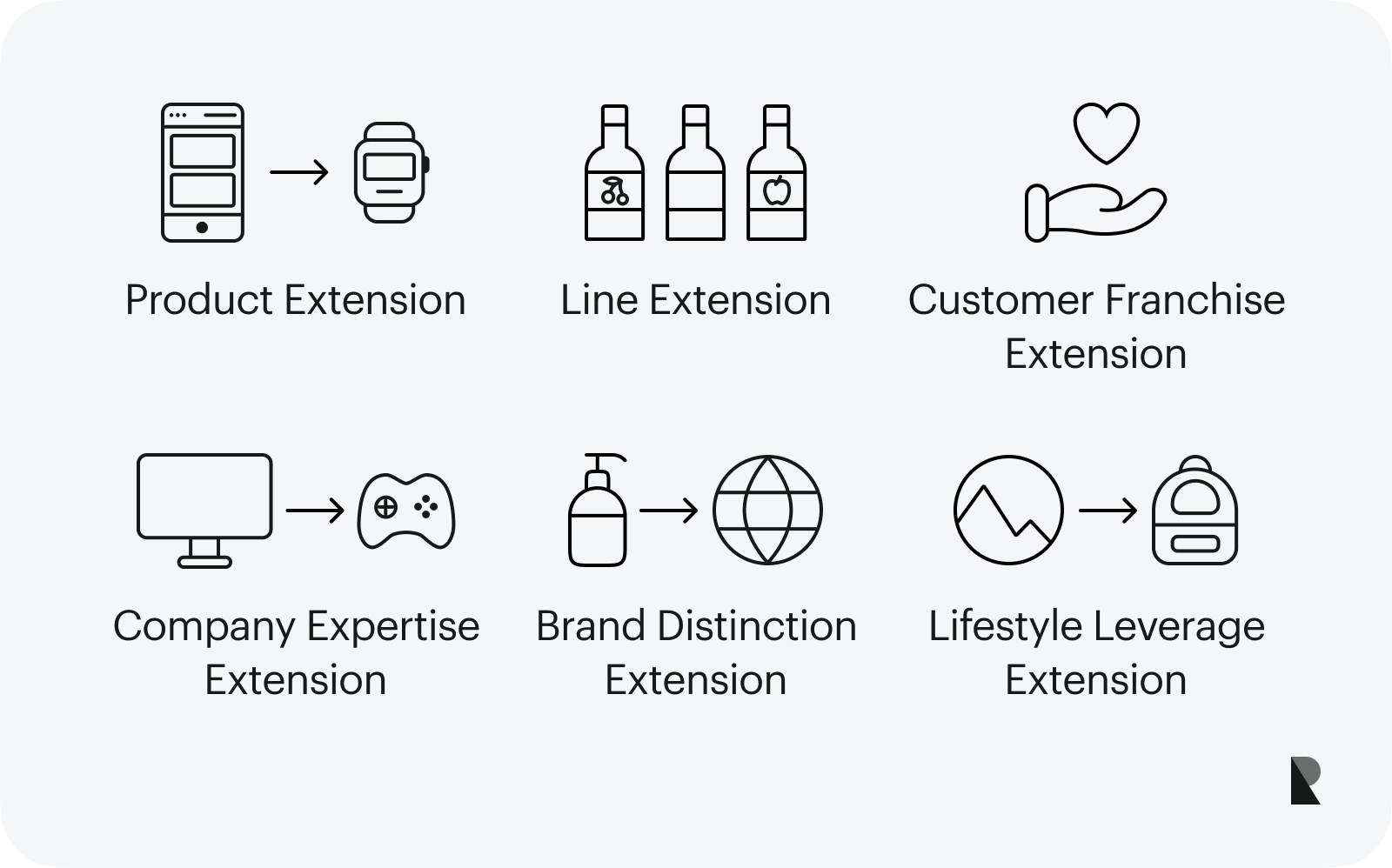
It is crucial to distinguish brand extension from line extension, as the two are often confused. A line extension occurs when a brand introduces a new product within its current category. For example, if a soft drink company introduces a new “diet” or “cherry” flavor of its existing soda, that is a line extension.
In contrast, a brand extension involves moving into a completely different product category. An example would be a luxury automobile manufacturer launching a line of high-end wristwatches. While the watches are a new product category, they leverage the brand’s reputation for precision engineering and status.
The Role of Brand Equity in Extension Success
The success of an extension depends heavily on the strength of the parent brand’s equity. Equity acts as a bridge; it carries the consumer’s positive associations from the known product to the unknown product. If a consumer believes that a specific brand produces the most durable outdoor gear, they are likely to believe that the same brand’s new line of camping cookware will also be durable. This “halo effect” reduces the psychological barrier to purchase, making the market entry for the new product significantly smoother.
Primary Categories of Brand Extension
Not all brand extensions follow the same path. Depending on the brand’s goals and the nature of its core identity, extensions can take several forms.
Product-Form Extension
This occurs when a brand changes the physical form of its product while staying within a related functional space. A classic example is a company that produces bar soap extending its brand into liquid body wash or moisturizing lotions. The “form” has changed, but the category—personal hygiene—remains familiar to the consumer. This is often the safest route for brand extension because the leap for the consumer is minimal.
Category Extension based on Customer Base
Some brands are defined not by what they make, but by who they serve. If a brand has a deeply loyal demographic, it can extend into vastly different categories as long as those products serve the needs of that specific audience. For instance, a brand that focuses on infants and toddlers might move from manufacturing strollers to producing organic baby food. While the products are physically different, the target consumer—the parent—remains the same.
Companion Product Extension
This strategy involves creating products that are naturally used alongside the core product. If a company is famous for its high-end coffee machines, extending the brand into premium coffee beans or specialized descaling kits is a logical companion extension. These products complement each other, creating a holistic ecosystem for the consumer and reinforcing the brand’s authority in that specific lifestyle niche.
Company Expertise Extension
Sometimes, a brand is associated with a specific type of expertise or technology rather than a single product. When a brand like Honda, known for its expertise in internal combustion engines, extends from cars to lawnmowers and outboard motors for boats, the consumer trusts the extension because they trust the underlying engineering capability of the company.
The Strategic Advantages of Extending Your Brand

When a brand extension is aligned with the company’s core values, it offers several powerful advantages that can accelerate business growth and market dominance.
Reducing Marketing Costs and Launch Risks
Launching a completely new brand is an expensive and risky endeavor. It requires building awareness, trust, and distribution channels from scratch. By using an existing brand name, a company can bypass the “awareness” stage of the marketing funnel. Consumers already recognize the name, which significantly reduces the advertising spend required to educate the market. Retailers are also more likely to provide shelf space for a new product if it carries a reputable brand name that already has proven sell-through.
Enhancing Parent Brand Image
A successful extension can actually strengthen the parent brand. If a high-end fashion house successfully extends into fragrances and home décor, it reinforces the perception of the brand as a comprehensive lifestyle choice rather than just a clothing label. This diversification makes the brand more resilient and gives it more “touchpoints” in the consumer’s daily life, deepening the brand relationship.
Facilitating Market Penetration
Brand extensions allow companies to enter new markets where they might otherwise struggle to gain a foothold. By leveraging a trusted name, a brand can disrupt a new category dominated by stagnant incumbents. The psychological trust associated with the parent brand serves as a competitive advantage that new, unknown players simply cannot match.
Potential Pitfalls: When Brand Extension Fails
Despite the benefits, brand extension is fraught with risks. If the extension is perceived as a “cash grab” or if the product quality fails to meet expectations, the damage can be catastrophic.
The Danger of Brand Dilution
Brand dilution occurs when a brand is extended into too many unrelated categories, causing the brand’s core meaning to become blurred. If a luxury brand known for exclusivity starts putting its logo on affordable grocery items or budget hardware, the “prestige” associated with the brand evaporates. The brand becomes “everything to everyone,” which often means it becomes “nothing to anyone.” Consumers lose their clear understanding of what the brand stands for, and the original core products may lose their appeal.
Internal Competition and Cannibalization
Sometimes, a new extension doesn’t bring in new customers but instead steals them from the parent brand’s existing products. This is known as cannibalization. While some level of cannibalization is acceptable if it prevents a competitor from entering the space, it becomes a problem when it reduces the overall profitability of the company. If the extension has lower margins than the original product, the company may find itself working harder for less profit.
The “Negative Spillover” Effect
Just as the “halo effect” can boost a new product, a failure in the extension can create a “negative spillover” onto the parent brand. If a trusted electronics brand launches a line of appliances that are prone to breaking, consumers may begin to question the reliability of the brand’s original electronics as well. A single bad extension can tarnish a reputation that took decades to build.
Framework for a Successful Brand Extension Strategy
To avoid the pitfalls of dilution and failure, brand managers must follow a rigorous framework when deciding whether to extend.
Establishing Logical “Fit” and Consumer Perception
The most critical factor in a successful extension is “fit.” Fit is the degree to which consumers see the new product as consistent with the parent brand. This fit can be based on functional attributes (e.g., a toothpaste brand moving into mouthwash) or on more abstract brand associations (e.g., a luxury brand moving into high-end hotels). If the consumer cannot find a logical link between the old and the new, the extension is likely to fail. Managers must ask: “Does the consumer’s mental model of our brand allow for this new product?”
Quality Maintenance and Long-Term Monitoring
A brand extension should never be treated as a secondary product. It must meet or exceed the quality standards of the parent brand. Furthermore, companies must monitor the extension’s impact over the long term. This involves tracking not just the sales of the new product, but also the health of the parent brand. If the parent brand’s “Net Promoter Score” or perceived value begins to dip after the extension, the company may need to pivot or discontinue the new line to protect the core asset.
Research and Pilot Testing
Before a full-scale launch, extensive market research is essential. Focus groups and pilot launches in limited geographic areas can provide invaluable data on how consumers perceive the extension. This allows the brand to refine its messaging or adjust the product features to better align with consumer expectations before the brand’s reputation is fully committed on a global stage.
In conclusion, brand extension is a powerful tool for growth that requires a delicate balance of ambition and restraint. When grounded in a deep understanding of brand equity and consumer psychology, it allows a company to evolve and remain relevant in a changing market. However, the integrity of the parent brand must always remain the priority. A brand is a company’s most valuable intangible asset; it should be extended with care, ensuring that every new venture adds a new chapter to the brand’s story rather than rewriting it.
aViewFromTheCave is a participant in the Amazon Services LLC Associates Program, an affiliate advertising program designed to provide a means for sites to earn advertising fees by advertising and linking to Amazon.com. Amazon, the Amazon logo, AmazonSupply, and the AmazonSupply logo are trademarks of Amazon.com, Inc. or its affiliates. As an Amazon Associate we earn affiliate commissions from qualifying purchases.